Citrine Crystal Meaning: Properties, Healing Uses, and How to Use It
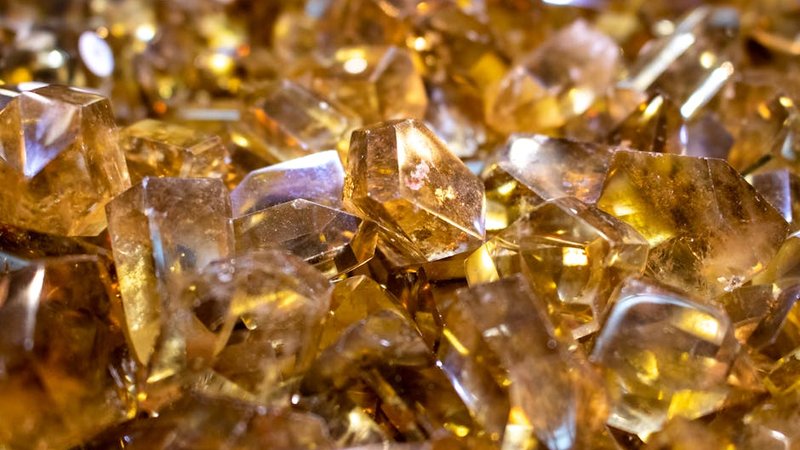
A friend of mine opened a small boutique last year, and for her grand opening I wanted to get her something meaningful. I picked up a warm, honey-colored stone at a gem market and handed it to her. She held it up to the light, grinned, and said, "This is a merchant's stone — it's supposed to bring you money." I laughed it off at the time. A rock that attracts wealth? Sure. But the conversation stuck with me, and a few weeks later I actually sat down and read up on it. Turns out, there's a lot more to citrine crystal meaning than I gave it credit for.
What Exactly Is Citrine?
Citrine belongs to the quartz family, which means chemically it's silicon dioxide — SiO₂, the same stuff that makes up amethyst and rose quartz. Its signature yellow-to-orange color comes from trace amounts of iron within the crystal structure. It sits at a 7 on the Mohs hardness scale, so it's reasonably durable for everyday wear and handling.
The major sources of citrine are Brazil, Madagascar, Spain, and Russia. Brazil produces the vast majority of what you'll find on the market today, and if you've ever seen those massive geode cathedrals with deep amber interiors, they almost certainly came from Minas Gerais.
The Truth About Natural vs. Heat-Treated Citrine
Here's something most crystal shops won't volunteer upfront: genuinely natural citrine is actually quite rare. The majority of citrine on the market is heat-treated amethyst. When you heat purple amethyst to high temperatures — typically between 400°C and 500°C — the iron impurities oxidize and the color shifts from purple to yellow, orange, or even a reddish-brown.
How do you tell them apart? Natural citrine tends to have a softer, more muted color palette — pale yellow fading into a light orange, often with subtle zoning or gradients. Heat-treated citrine, on the other hand, usually displays a more uniform, deeper orange or burnt amber tone. Sometimes you can even spot remnants of the original purple at the base of a heat-treated point.
Does the treatment matter for crystal work? Most practitioners would say no — both carry the same energetic associations. The difference is mostly aesthetic and financial. Natural citrine commands a significantly higher price, especially pieces with that coveted pale golden gradient. Heat-treated stones are more affordable and widely available, which means you don't have to spend a fortune to start working with citrine.
Citrine Meaning and Symbolism
The word "citrine" comes from the Latin citrinus, meaning yellow — the same root as "citrus." Fitting, given its warm, sun-soaked appearance. Throughout history, this stone has been linked to several powerful ideas:
Wealth and abundance. This is citrine's most famous association, and the reason my friend immediately called it a "merchant's stone." In many traditions, business owners place citrine near their cash register or in their wallet to attract financial prosperity. The lore goes back centuries in European folk practices.
Success and achievement. Beyond money, citrine is associated with achieving goals and manifesting outcomes. It's often recommended for people starting new ventures — which, in hindsight, made it a pretty thoughtful gift for a shop opening.
Joy and positivity. Citrine's warm color isn't just for show. It's symbolically tied to the energy of sunlight: optimism, enthusiasm, and a general sense of well-being. People who work with it often describe it as a mood-lifting stone.
Confidence and personal power. There's a reason citrine is frequently recommended for public speakers, performers, and anyone who needs to show up with authority. Its energy is said to bolster self-assurance and help you trust your own decisions.
Citrine Crystal Properties for Healing
In crystal healing traditions, citrine is most closely associated with the solar plexus chakra — Manipura in Sanskrit — located in the upper abdomen. This chakra governs self-esteem, willpower, and personal identity. When the solar plexus is balanced, you feel confident, motivated, and in control of your life.
Here's what practitioners commonly attribute to citrine:
Boosting confidence and decisiveness. If you're someone who overthinks every decision or struggles with self-doubt, citrine is said to help cut through the mental noise and strengthen your resolve.
Attracting abundance. Whether you interpret this literally (money, opportunities) or metaphorically (abundance of ideas, relationships, energy), citrine is viewed as a magnet for positive inflow.
Raising energy levels. Unlike some crystals that are described as calming or grounding, citrine is frequently called "energizing." It's the stone people reach for when they're feeling sluggish or unmotivated.
Stimulating creativity. Writers, artists, and creative professionals sometimes keep citrine on their desk, believing it helps unblock creative channels and encourages fresh thinking.
Important note: Crystal healing is a complementary practice rooted in tradition and personal experience. There is no scientific evidence that crystals have physical healing properties. If you're dealing with a medical or mental health condition, please consult a qualified professional. Crystals can be a meaningful part of your wellness toolkit, but they're not a substitute for professional care.
How to Use Citrine in Your Daily Life
1. Wear It as Jewelry
A citrine pendant worn at chest level keeps the stone close to your solar plexus, which is where practitioners say it works best. Bracelets are another popular option — you get the added benefit of the stone making contact with your skin throughout the day. If you're not into the metaphysical side of things, citrine rings and earrings are simply beautiful. That warm golden tone pairs well with both gold and silver settings, and it's eye-catching without being over the top.
2. Place It in Your Wallet or Cash Register
This is the traditional "merchant's stone" practice. Tuck a small tumbled citrine into your wallet, or place a larger piece near your cash register or payment area if you run a business. Even if you don't believe in the abundance-attracting lore, there's something psychologically grounding about having a tangible symbol of prosperity in your financial space.
3. Keep It on Your Desk
Whether you work from home or in an office, a piece of citrine on your desk can serve as both a visual pick-me-up and a focus tool. The warm color is pleasant to glance at during a long workday, and many people find that having a crystal nearby helps them stay present and intentional about their tasks.
4. Use It in Meditation
Hold a citrine point or tumbled stone in your hand during meditation, or place it directly on your solar plexus while lying down. Some people prefer to hold one in each hand for a sense of balance. The idea is to focus your attention on the stone's warmth and let it anchor your intentions — whether that's clarity, confidence, or setting a specific goal.
Crystal Pairings That Work Well With Citrine
Combining crystals is a common practice, and citrine plays well with several others:
Citrine + Tiger's Eye. Both are associated with confidence and success, so this pairing essentially doubles down on "achievement energy." Tiger's eye adds a grounding, protective quality that balances citrine's brightness.
Citrine + Pyrite. Often called "fool's gold," pyrite has its own strong association with wealth and abundance. Together with citrine, they create what some practitioners call a "wealth磁场" — a focused field of prosperity energy. Visually, the metallic luster of pyrite next to the warm glow of citrine is striking.
Citrine + Clear Quartz. Clear quartz is known as an energy amplifier. Pairing it with citrine is like turning up the volume on citrine's natural properties. This is a good combination if you want to intensify your intentions during meditation or manifestation work.
How to Cleanse and Care for Citrine
One of citrine's practical advantages is that it's one of the few crystals that doesn't fade in sunlight. In fact, sun exposure is considered one of the best ways to recharge it. Leave your citrine on a windowsill for a few hours and it's good to go.
Running water works too — hold your stone under cool tap water for a minute or two while setting the intention to clear any stagnant energy. Smoke cleansing with sage, palo santo, or incense is another gentle option. And because citrine ranks 7 on the Mohs scale, it's generally safe for ultrasonic cleaners if you want a more thorough physical cleaning.
Avoid harsh chemicals or extreme temperature changes, which can cause fractures in any stone. Store citrine separately from harder stones like sapphire or topaz to prevent scratching, and separately from softer stones to avoid scratching them.
How to Choose a Good Citrine
When you're shopping for citrine, here are a few things to consider:
Color preference. Natural citrine with its pale, gradated yellow-to-orange is rarer and more expensive. Heat-treated citrine with its deeper, more uniform orange is more accessible. Neither is "better" — it depends on what you're drawn to and what you're willing to spend.
Clarity. Like most quartz, citrine is valued for its transparency. Cloudy or heavily included pieces are less expensive but can still be beautiful in their own way. For jewelry, go for higher clarity. For meditation or display, inclusions don't matter much.
Size. Citrine pricing jumps significantly at larger sizes. A small tumbled stone might cost just a few dollars, while a high-quality natural citrine point over 10 carats can be quite expensive. Buy what fits your budget and your purpose.
Trust your instinct. This sounds cliché in the crystal world, but it's genuinely useful advice. Pick the stone that catches your eye, not the one you think you "should" want.
Don't Confuse Citrine With These Stones
Citrine vs. Topaz
This is probably the most common mix-up, and it's partly the fault of the gemstone industry. "Topaz" comes in a golden-yellow variety that looks very similar to citrine, and for a long time, some sellers would market citrine as "topaz" to command higher prices. But they're completely different minerals. Topaz is aluminum silicate with a Mohs hardness of 8, while citrine is silicon dioxide with a hardness of 7. Topaz is also significantly more expensive in its natural yellow form. If a deal on "golden topaz" seems too good to be true, it's probably citrine.
Citrine vs. Amber
Amber can have a similar warm yellow-orange color, but it's not a mineral at all — it's fossilized tree resin. Amber is much lighter (it can float in saltwater), softer (Mohs 2–2.5), and often contains visible inclusions like ancient insects or plant material. Citrine is heavier, harder, and has a crystalline structure. If you hold them side by side, the difference is obvious: amber feels warm and organic, while citrine feels cool and glassy.
Wrapping Up
My friend still has that citrine I gave her, sitting on a shelf behind her cash register. Whether or not it's actually bringing her more customers is impossible to say — her shop is doing well, but she's also talented and works hard. What I can say is that learning about citrine opened my eyes to how much meaning people attach to natural objects, and how those meanings can shape the way we approach our goals and challenges. If a warm, golden stone helps you feel more confident, more optimistic, or more intentional about what you're building — whether that's a business, a creative project, or just a better version of your daily routine — then it's already doing its job.
Comments