Bumble Bee Jasper vs Dalmatian Jasper
June 11, 2026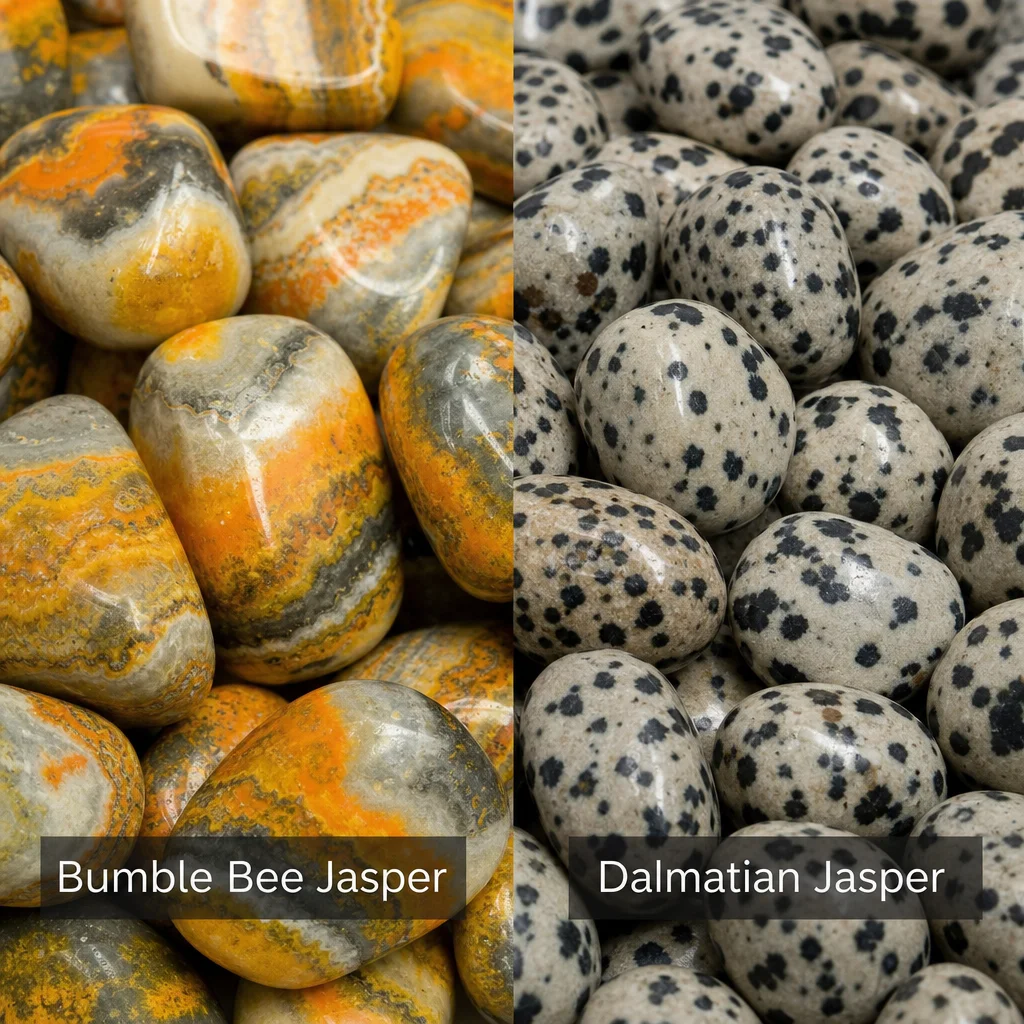
Bumble Bee Jasper vs Dalmatian Jasper: Spotted Stones with a Buzz
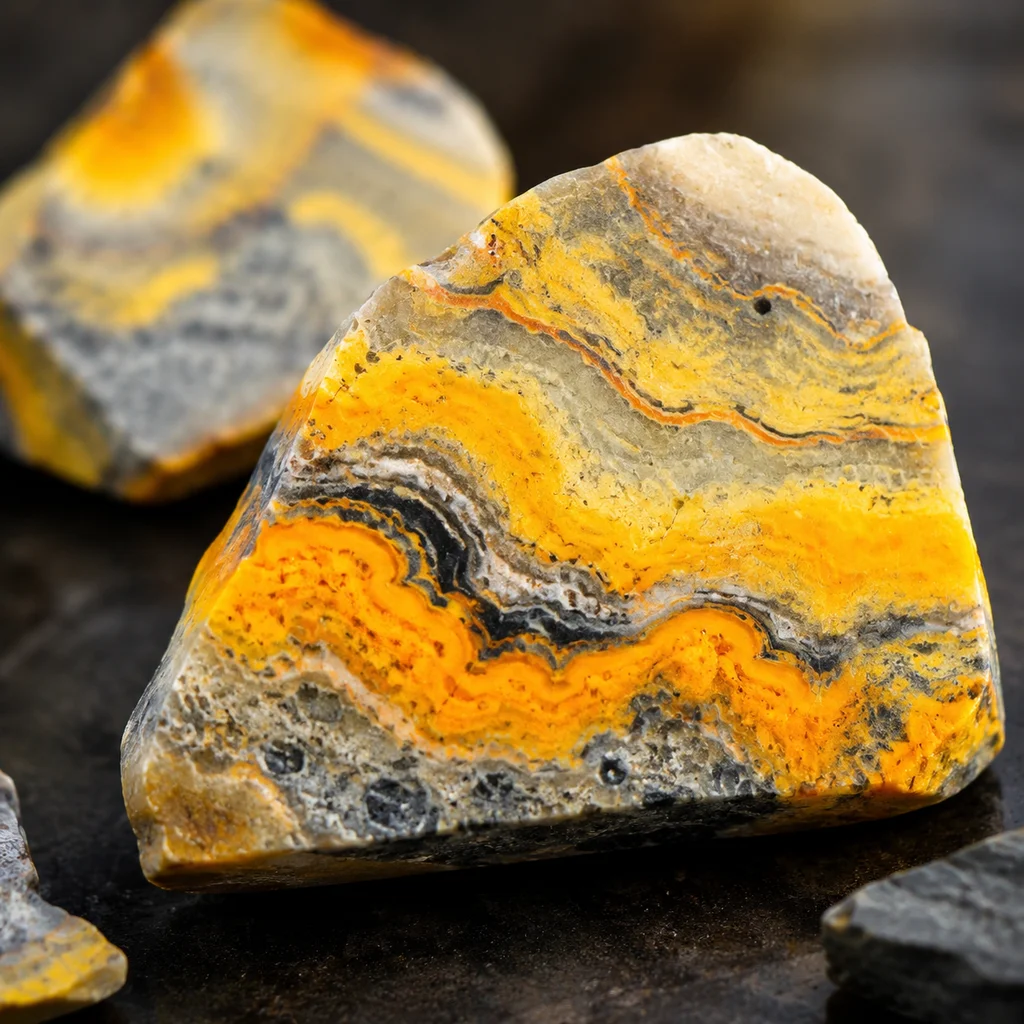
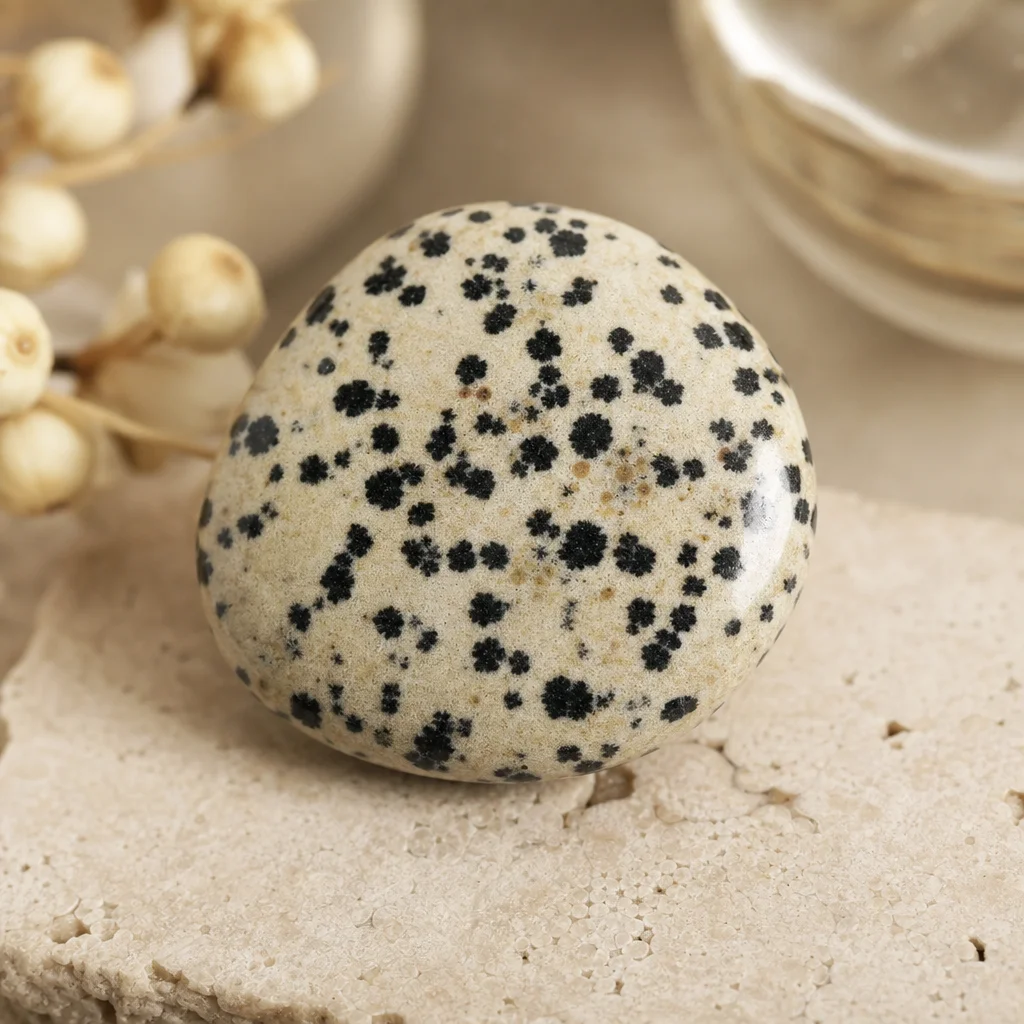
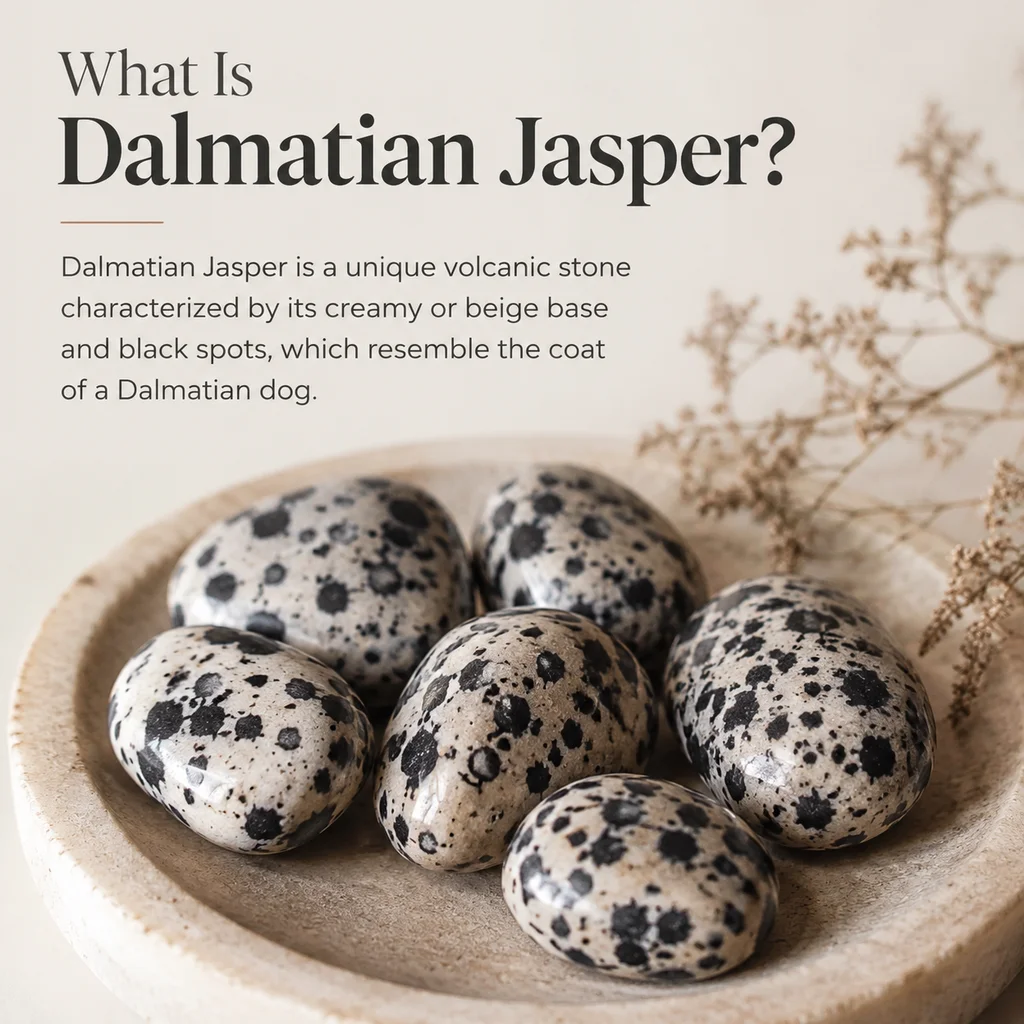
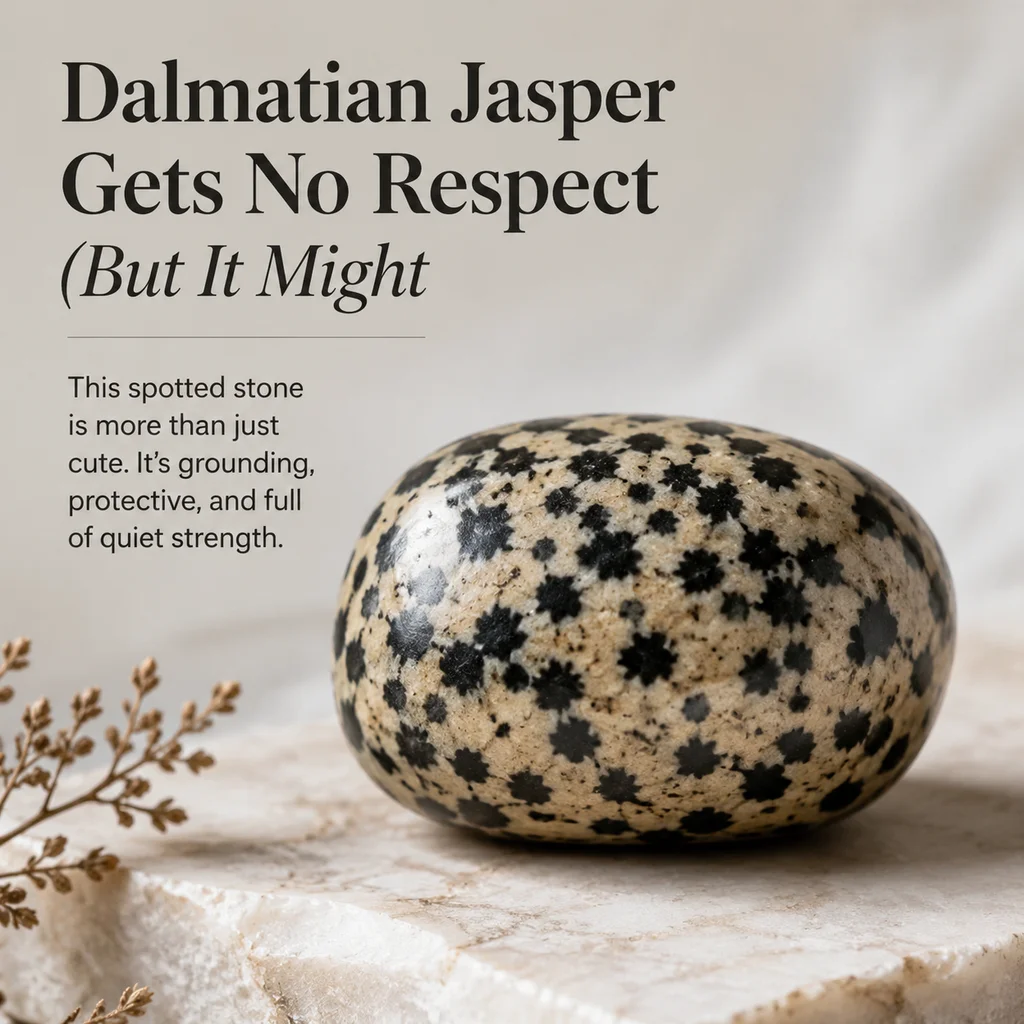
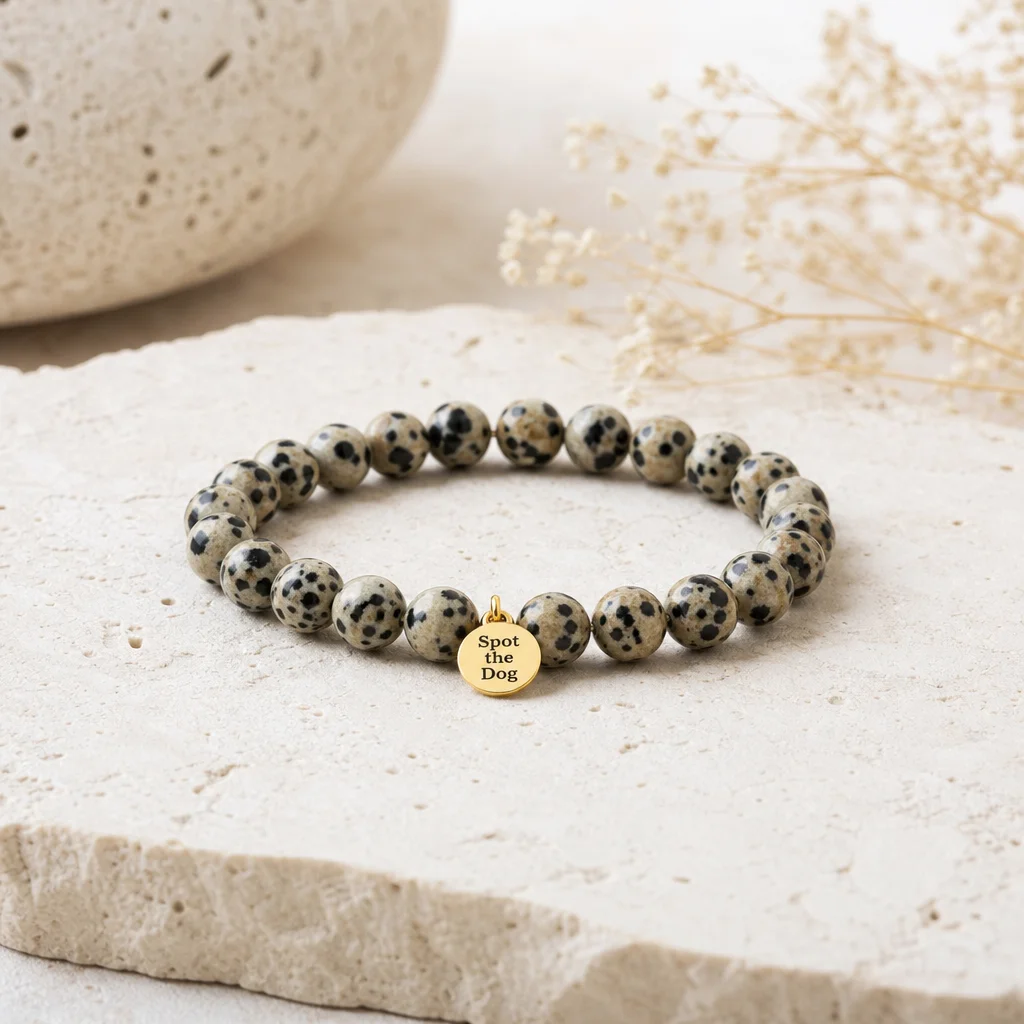
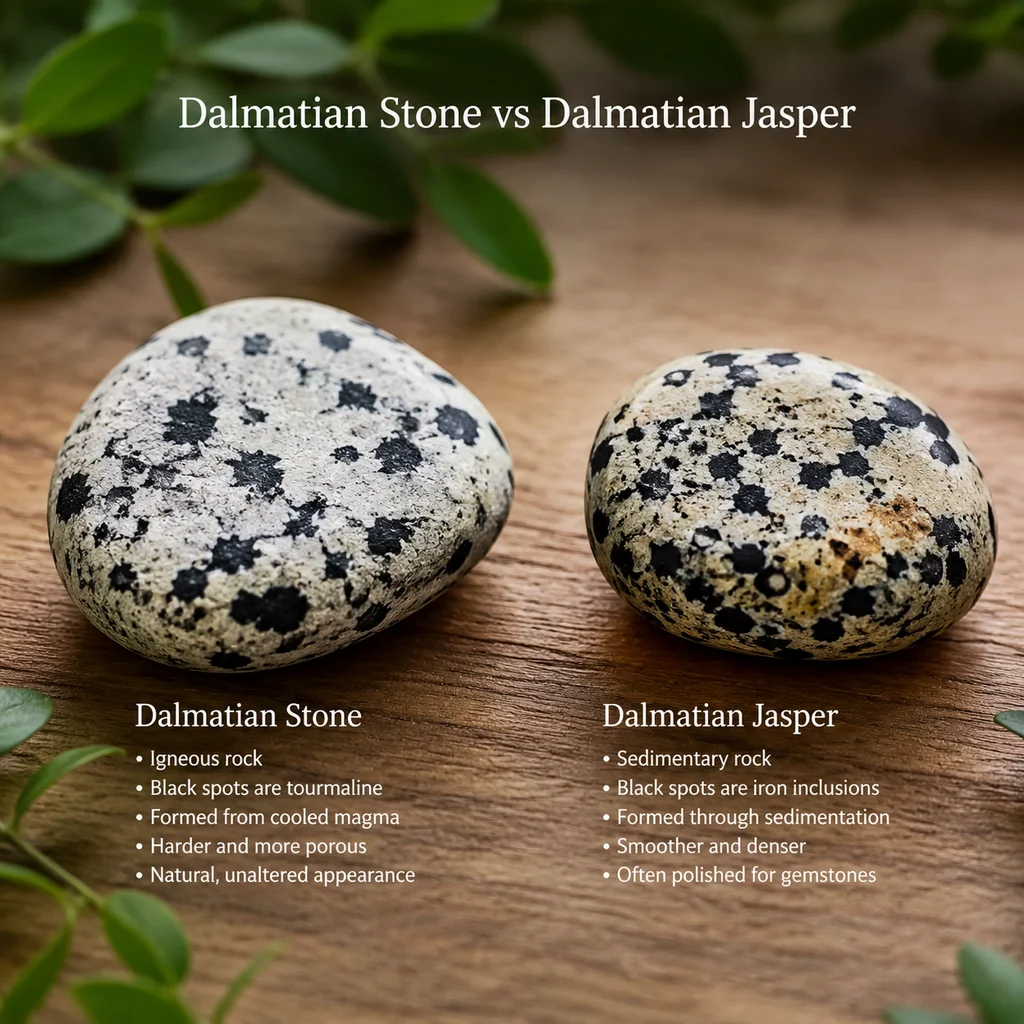
Ah, the world of spotted stones is a colorful one, and two of the most sought-after members of this vibrant family are Bumble Bee Jasper and Dalmatian Jasper. These two stones might look similar at first glance, but as a crystal jewelry enthusiast, I've discovered that they have some distinct characteristics that make them stand out. Let's dive into the details of these spotted beauties and see how they compare. First off, let's talk about Bumble Bee Jasper. This stone is known for its vibrant colors and intricate patterns, resembling the stripes of a bumble bee. It's typically found in the deserts of the southwestern United States, primarily in New Mexico and Arizona. The color palette of Bumble Bee Jasper ranges from deep reds and oranges to browns and even a hint of gold. The patterns are so intricate that they almost look like they've been painted on with a fine brush. Now, let's move on to Dalmatian Jasper. This stone gets its name from the spotted coat of the Dalmatian dog, and it’s quite the look-alike. Like Bumble Bee Jasper, it's also found in the same regions of the southwestern United States. The colors of Dalmatian Jasper are more subdued, with a base of grayish-white and black spots. However, the spots on Dalmatian Jasper are often larger and more uniform compared to the smaller, more varied patterns of Bumble Bee Jasper. **Color and Pattern Comparison** When it comes to color, Bumble Bee Jasper is the winner for its bold and bright hues. The reds and oranges are so vivid that they can be mistaken for a piece of art. Dalmatian Jasper, on the other hand, is more subdued and elegant, with a more neutral color palette. The black spots on Dalmatian Jasper create a sleek, sophisticated look that can be quite striking in jewelry. In terms of pattern, Bumble Bee Jasper is a true standout. Its intricate patterns and varied colors make it a unique choice for those looking to add a touch of the wild west to their jewelry collection. Dalmatian Jasper, while also having a distinct pattern, is more uniform and less chaotic, which can be appealing for those who prefer a more structured look. **Hardness and Size** Both Bumble Bee Jasper and Dalmatian Jasper have a hardness of 6.5 to 7 on the Mohs scale, which means they're quite durable. This hardness makes them a great choice for jewelry, as they can withstand daily wear without getting damaged. When it comes to size, Bumble Bee Jasper tends to be more available in larger sizes, which can be beneficial for larger jewelry pieces or even sculptures. Dalmatian Jasper, while also available in larger sizes, is more commonly found in smaller, more delicate pieces. **Price and Availability** The price of Bumble Bee Jasper and Dalmatian Jasper can vary widely depending on the quality and size of the stone. Generally, Bumble Bee Jasper is slightly more expensive due to its vibrant colors and larger sizes. However, both stones are quite affordable when compared to other types of gemstones. You can often find these stones for under $10 per carat, but prices can increase with larger sizes and more intricate patterns. **Where to Find** If you're looking to purchase Bumble Bee Jasper or Dalmatian Jasper, your best bet is to visit a reputable crystal shop or online retailer. Both stones are commonly found in the southwestern United States, so you may also have luck finding them at local rock shops or gem shows. **Jewelry Designs** Both Bumble Bee Jasper and Dalmatian Jasper are versatile stones that can be used in a variety of jewelry designs. Bumble Bee Jasper's bold colors make it a perfect choice for statement necklaces or bracelets, while Dalmatian Jasper's more subdued look is ideal for delicate earrings or pendants. **Toxicity Concerns** It's important to note that both Bumble Bee Jasper and Dalmatian Jasper are considered safe for jewelry purposes. However, some people may be concerned about the possibility of lead or arsenic contamination in these stones, especially since they come from the same region as other stones that have been known to contain harmful materials. While these stones are generally safe, it's always a good idea to purchase from a reputable source that tests their stones for contaminants. **Personal Experience** I remember the first time I laid eyes on a piece of Bumble Bee Jasper. I was immediately drawn to its vibrant colors and intricate patterns. It was like something out of a dreamscape, and I knew I had to have it. I've since incorporated it into a variety of jewelry pieces, and I can't get enough of its unique beauty. Dalmatian Jasper, while not as eye-catching as Bumble Bee Jasper, has its own charm. Its more subdued colors and structured patterns make it a great choice for a more understated look. I've found that it pairs particularly well with silver, giving the jewelry a sleek, modern feel. **Deeper Geology**Deeper Geology
Bumble Bee Jasper and Dalmatian Jasper are both sedimentary rocks, formed from the compression of sediments over millions of years. The formation process of these stones involves the weathering and erosion of various minerals, which then settle and become compacted. The unique patterns found in these jaspers are the result of the mineral composition and the way these sediments have been compacted and cemented together over time. Bumble Bee Jasper is often associated with rhyolite, a type of volcanic rock that has been weathered and eroded to create the colorful patterns. The rhyolite is rich in iron, which contributes to the red and orange hues. Dalmatian Jasper, on the other hand, is composed of quartz, feldspar, and various trace minerals, which create the spotted patterns and the grayish-white base color. **Mining History**Mining History
The mining of Bumble Bee Jasper and Dalmatian Jasper has a rich history that dates back to prehistoric times. Native American tribes have long used these stones for various purposes, including medicinal, spiritual, and decorative. The tribes would trade these stones with other tribes, and they became a symbol of wealth and power. In modern times, the mining of these stones has become a significant industry in the southwestern United States. Miners use a variety of techniques to extract the stones from the earth, including hand-picking, dynamite, and even heavy machinery. The mining process is carefully monitored to ensure that the environment is protected, and the local communities benefit from the industry. **Sourcing Tips**Sourcing Tips
When sourcing Bumble Bee Jasper and Dalmatian Jasper, it's important to consider a few key factors. First, look for stones that are ethically mined and purchased from reputable sources. This ensures that the miners are treated fairly and that the environment is protected. Next, examine the quality of the stone. Look for stones with vibrant colors and well-defined patterns. Avoid stones that have a lot of inclusions or are chipped or cracked, as these may be of lower quality. Lastly, consider the source of the stone. Stones that are sourced from local mines or artisanal miners often have a higher quality and a lower environmental impact than those sourced from large-scale operations. **Identification Guide**Identification Guide
Identifying Bumble Bee Jasper and Dalmatian Jasper can be a bit tricky, as they share some similarities. Here are a few key features to help you tell them apart:- Color: Bumble Bee Jasper is known for its vibrant reds, oranges, and browns, while Dalmatian Jasper has a more subdued grayish-white base with black spots.
- Pattern: Bumble Bee Jasper has intricate and varied patterns, while Dalmatian Jasper has larger, more uniform spots.
- Hardness: Both have a hardness of 6.5 to 7 on the Mohs scale, making them durable for jewelry.
Care Instructions
Taking care of your Bumble Bee Jasper or Dalmatian Jasper jewelry is essential to maintain its beauty and longevity. Here are a few care instructions to follow:- Cleaning: Gently clean your jewelry with warm water and a soft cloth. Avoid using harsh chemicals or abrasive cleaners, as these can damage the stone.
- Storage: Store your jewelry in a dry, cool place, away from direct sunlight and extreme temperatures.
- Handling: Be gentle when handling your jewelry, as it can be fragile.
Cultural References
Both Bumble Bee Jasper and Dalmatian Jasper have cultural significance in various cultures. In Native American traditions, these stones are often used in healing rituals and ceremonies. They are believed to have protective and grounding properties, as well as the ability to bring prosperity and happiness. In modern culture, these stones are popular among crystal enthusiasts and collectors. They are often used in meditation and mindfulness practices, as well as for personal style and fashion. **FAQs**Frequently Asked Questions
Q:
A.
Q: Are Bumble Bee Jasper and Dalmatian Jasper the same stone? A: No, they are not the same stone. While they both have spotted patterns, they have distinct colors and patterns. Bumble Bee Jasper is known for its bold reds and oranges, while Dalmatian Jasper has more subdued grayish-white with black spots.Q:
A.
Q: Can Bumble Bee Jasper be used in jewelry? A: Absolutely! Bumble Bee Jasper is a popular choice for jewelry due to its durability and vibrant colors. It's a great option for statement pieces.Q:
A.
Q: Is Dalmatian Jasper rare? A: Dalmatian Jasper is not particularly rare, but high-quality pieces with very uniform patterns and large spots can be more difficult to find. The stone is widely available in the southwestern United States.Q:
A.
Q: Are Bumble Bee Jasper and Dalmatian Jasper toxic? A: Both stones are generally considered safe for jewelry purposes, but it's always best to purchase from a reputable source. While they are typically free of harmful contaminants, some stones from certain regions may contain trace amounts of lead or arsenic. **Disclaimer** Crystals are not a substitute for medical treatment. Learn more about crystals Crystal care tips Crystal meditation techniques How to choose crystal jewelryFrequently Asked Questions
Are Bumble Bee Jasper and Dalmatian Jasper the same stone?
No, they're completely different stones. Bumble Bee Jasper is technically a calcium carbonate mineral with volcanic sediment, found primarily in Indonesia. Dalmatian Jasper is a variety of quartz with black tourmaline or arfvedsonite spots. Despite both having spotted appearances, they form differently and have distinct mineral compositions. At SagStone, we celebrate each stone's unique character in our handcrafted jewelry designs.
Is Bumble Bee Jasper safe to wear as jewelry?
Yes, Bumble Bee Jasper is perfectly safe to wear in finished jewelry. While the raw stone contains trace amounts of sulfur and arsenic in its natural state, the cutting and polishing process seals the surface. Our SagStone artisans ensure each piece is properly finished and set, making it safe for everyday wear. We recommend removing any crystal jewelry before swimming or bathing to protect the stone's polish.
Which stone is rarer, Bumble Bee Jasper or Dalmatian Jasper?
Bumble Bee Jasper is significantly rarer than Dalmatian Jasper. Authentic Bumble Bee Jasper comes from only one mining location in Indonesia, making high-quality specimens harder to find. Dalmatian Jasper is more widely available from several regions worldwide. At SagStone, we carefully hand-select genuine, premium-grade stones of both varieties to create distinctive, collectible jewelry pieces you will treasure for years.
What is the hardness difference between Bumble Bee Jasper and Dalmatian Jasper?
Dalmatian Jasper ranks around 6.5 to 7 on the Mohs hardness scale, making it more durable and better suited for everyday wear. Bumble Bee Jasper is softer at approximately 4 to 5 on the scale, requiring gentler care and protective settings. When crafting our SagStone jewelry, we consider each stone's hardness to design settings that protect softer stones while showcasing their stunning natural beauty.
Can Bumble Bee Jasper and Dalmatian Jasper be worn together?
Absolutely! These two spotted stones complement each other beautifully in jewelry designs. Bumble Bee Jasper's vibrant orange and yellow bands pair strikingly with Dalmatian Jasper's playful black spots. Many crystal enthusiasts believe wearing them together combines Bumble Bee's energizing creativity with Dalmatian's grounding, protective properties. Our SagStone artisans love creating multi-stone pieces that celebrate both stones in harmony.
Comments