Bracelet Stacking Rules Every Beginner Should Know

Why Bracelet Layering Appeals to So Many People
Bracelet layering has exploded in popularity over the past few years, and it's easy to see why. Unlike necklace layering, which requires careful length coordination and can feel fussy, bracelet stacking feels organic and personal. Your wrists are constantly in motion, and each slight movement makes the stacked pieces shift, catch light, and create new combinations. It's jewelry that stays dynamic throughout the day.
There's also a psychological appeal. A stacked wrist tells a story — each bracelet might represent a different memory, gift, travel find, or milestone. This narrative quality makes bracelet layering feel more personal than simply wearing one expensive piece. You're curating a collection rather than making a single selection, and that act of curation is deeply satisfying for anyone interested in personal style.
But getting started can feel overwhelming. Walk into any accessories store and you'll see hundreds of bracelet options in dozens of styles. How do you choose? How many is too many? Which materials work together? This guide breaks it all down from the ground up.
Understanding the Basic Types of Bracelets
Before you start stacking, you need to know what you're working with. Bracelets broadly fall into several categories, and understanding how they differ helps you make smart stacking decisions.
Chain Bracelets
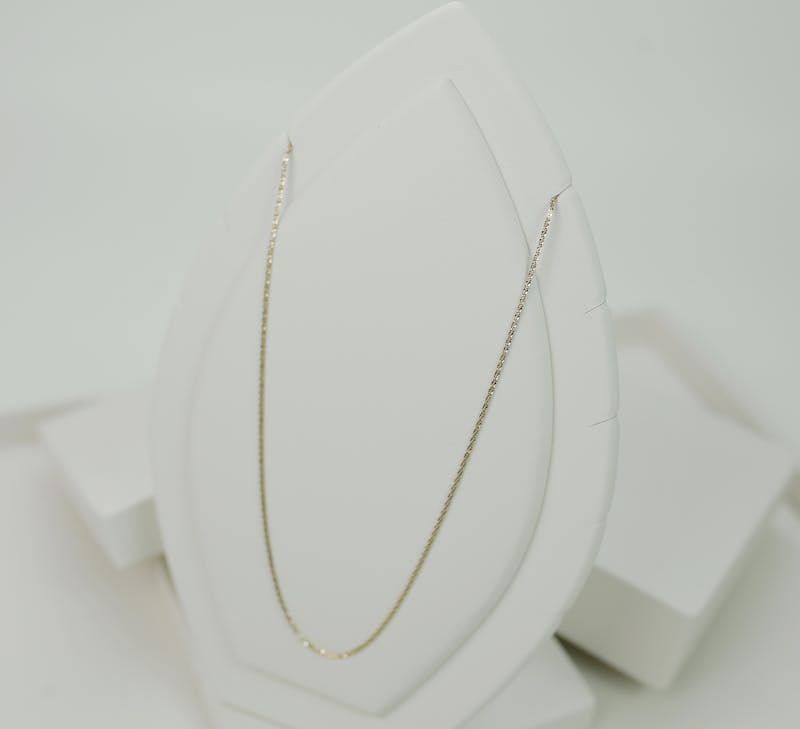
Made from linked metal elements, chain bracelets come in dozens of styles: cable chain (the classic oval links), box chain (square links that lay flat), rope chain (twisted links with a textured appearance), and many more. For stacking, thinner chains (2mm to 4mm wide) work best because they don't take up too much wrist real estate. Mix two or three different chain styles in the same metal for a textured but cohesive look.
The clasp matters for chain bracelets in a stack. Lobster clasps are secure but bulky. Spring ring clasps are low-profile but can be fiddly. Toggle clasps add a decorative element that can double as a design feature. For stacking purposes, lower-profile clasps prevent your bracelets from bunching up at the closure point.
Beaded Bracelets
String of beads on elastic cord or wire, beaded bracelets range from uniform-sized spherical beads to mixed-shape, mixed-material designs. For beginners, 8mm and 10mm beads are the most versatile size — large enough to be visible in a stack but small enough that you can fit 3 to 5 bracelets comfortably on one wrist.
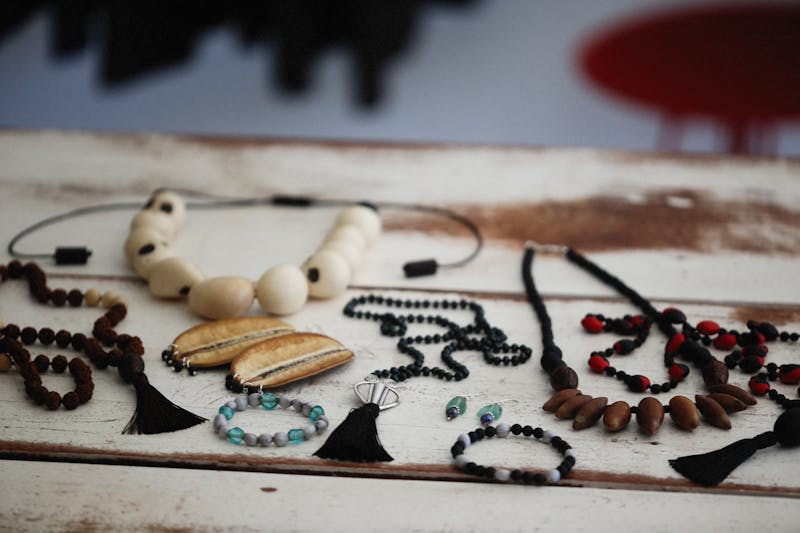
The material of the beads dramatically changes the look. Natural stone beads (each one unique in color and pattern) create an earthy, organic aesthetic. Glass beads offer more uniform color and a shinier finish. Wood beads add warmth and texture. Metal beads (gold, silver, brass) bridge the gap between beaded and chain styles and can help unify a mixed-material stack.
Cuff Bracelets
Rigid, open-ended bands that slide over the side of the wrist. Cuffs are excellent in a stack because they create structure — they don't shift around like chain or beaded bracelets, so they act as anchors. A single cuff worn with two or three flexible bracelets (chains or beads) on the same wrist creates a pleasing contrast between rigid and fluid elements.
Width is the key variable for cuffs in a stack. Narrow cuffs (3mm to 6mm) work like structural accent pieces. Wide cuffs (15mm+) are statement pieces best worn alone or with just one very simple companion. For a beginner's stack, a narrow cuff is the most practical choice.
Bangles
Continuous rigid circles that slide over the hand, bangles create sound and movement in a stack. The gentle clinking of metal bangles against each other as you move your wrist is part of their charm. For stacking, thin bangles (1mm to 2mm thick) in sets of 3 to 5 are the classic approach.
One consideration with bangles: they need to fit over your hand but not be so loose that they slide off. The standard approach is to measure the widest part of your hand (across your knuckles with your thumb tucked in) and choose bangles with an inner diameter about 2mm to 3mm larger than that measurement.
The Golden Rules of Bracelet Stacking
After watching thousands of bracelet stacks (and making plenty of mistakes along the way), a few clear principles emerge that consistently produce good-looking results.
Rule One: Start With Three
Two bracelets feel like you forgot something. One is just a bracelet, not a stack. Three is the minimum number to create the visual effect of intentional stacking. Once you're comfortable with three, you can work up to five or even seven on a single wrist. But three is your starting point.
For your first three, try this formula: one metal chain bracelet + one beaded bracelet + one cuff or bangle. This gives you three different textures, three different materials, and a mix of rigid and flexible elements. It almost always looks good.
Rule Two: Vary the Textures
A stack of five identical thin gold chain bracelets looks uniform but not interesting. A stack of five identical beaded bracelets looks repetitive. The magic happens when you mix textures: smooth metal against rough stone, shiny beads against matte metal, rigid cuffs against flexible chains.
Think of it like cooking. You wouldn't make a dish with only one texture — you want some crunch, some creaminess, some chew. Same principle applies to jewelry. Contrast creates visual appeal.
Rule Three: Pick a Unifying Element
While mixing textures is good, total randomness usually isn't. You need something to tie the stack together. This could be a shared color (all warm tones, all cool tones), a shared metal (all gold, or gold as the dominant metal with one silver accent), or a shared theme (all natural materials, all geometric shapes).
The most common and foolproof unifying element is metal color. If every bracelet in your stack includes at least some gold (even just the spacer beads on a stone bracelet), the stack reads as cohesive. If you mix metals without any dominant color, it can look scattered.
Rule Four: Consider Your Watch
If you wear a watch regularly, it becomes part of your bracelet stack whether you intended it or not. Treat your watch as the anchor piece and build around it. Metal watch bands work naturally with metal bracelets. Leather or fabric watch bands work better with beaded or woven bracelets. The watch face color (silver, gold, black) should match your dominant metal choice for the rest of the stack.
One practical tip: wear your watch on the inside of your wrist (facing you) and stack bracelets on the outside, or vice versa. This prevents the watch from rubbing against your bracelets and causing wear on both pieces.
Common Mistakes to Avoid
The most frequent beginner error is over-tightening. Bracelets should have enough room to slide slightly on your wrist — if they're cutting into your skin or leaving indentations, they're too tight. Not only is this uncomfortable, it also doesn't look good because the bracelets can't move naturally and create the dynamic effect that makes stacking appealing.
Another common mistake: ignoring your wrist size. If you have small wrists (under 6 inches circumference), keep your pieces narrow and thin. Five 8mm beaded bracelets might not physically fit. If you have larger wrists (over 7 inches), very thin delicate pieces can look lost and insubstantial. Scale your pieces to your frame.
Stacking too many "loud" pieces is another pitfall. If every bracelet in your stack is eye-catching on its own, the overall effect is visual chaos. In any stack of four or more pieces, at least two should be simple and understated — thin chains, plain bands, neutral-colored beads — to give the eye places to rest.
Building Your First Stack: A Step-by-Step Approach
Here's a concrete path for someone starting from zero:
Week one: Buy one versatile chain bracelet in your preferred metal. A simple 3mm cable chain in gold or silver. Wear it alone for a few days to get used to the feel of wrist jewelry.
Week two: Add one beaded bracelet in a neutral color (white, grey, beige, or a natural stone with muted tones). Wear it with your chain bracelet. Notice how they look together throughout different activities.
Week three: Add one structural piece — a narrow cuff or a single bangle. This completes your basic three-piece stack. Wear all three together for a few days, then experiment with wearing just two at a time to understand how different combinations feel.
From there, add pieces gradually based on what you find yourself reaching for. If you keep wanting more color, add a beaded bracelet with a brighter stone. If you want more texture, add a hammered metal band. If you want more meaning, add a piece from a trip, a gift, or a milestone. Let your stack grow organically rather than buying five pieces at once and trying to make them all work together.
The beauty of bracelet stacking is that there's no single "right" way to do it. These guidelines give you a starting framework, but the best stacks are deeply personal. They evolve over time, reflect your experiences, and eventually become as recognizable a part of your style as your favorite jacket or signature perfume. Start simple, pay attention to what you like, and let the collection build itself.
Comments