Aventurine Stone: The Stone of Opportunity Co...
June 5, 2026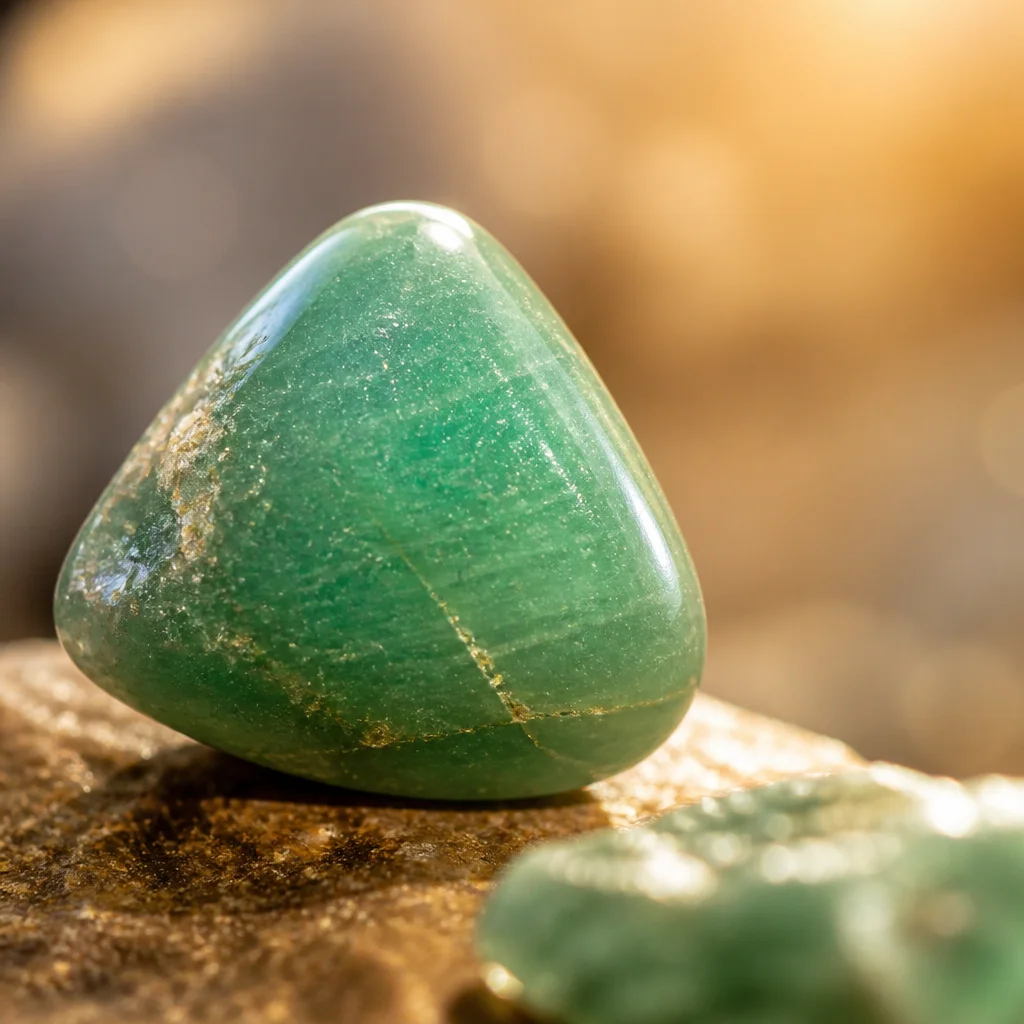
What Is Aventurine?
Aventurine is a form of quartz — specifically a quartzite — distinguished by the presence of platy mineral inclusions that create a sparkling, shimmering optical effect called aventurescence. When you tilt an aventurine stone under light, tiny reflective platelets within the stone catch the light simultaneously, producing a soft, metallic glimmer that seems to float just beneath the surface.
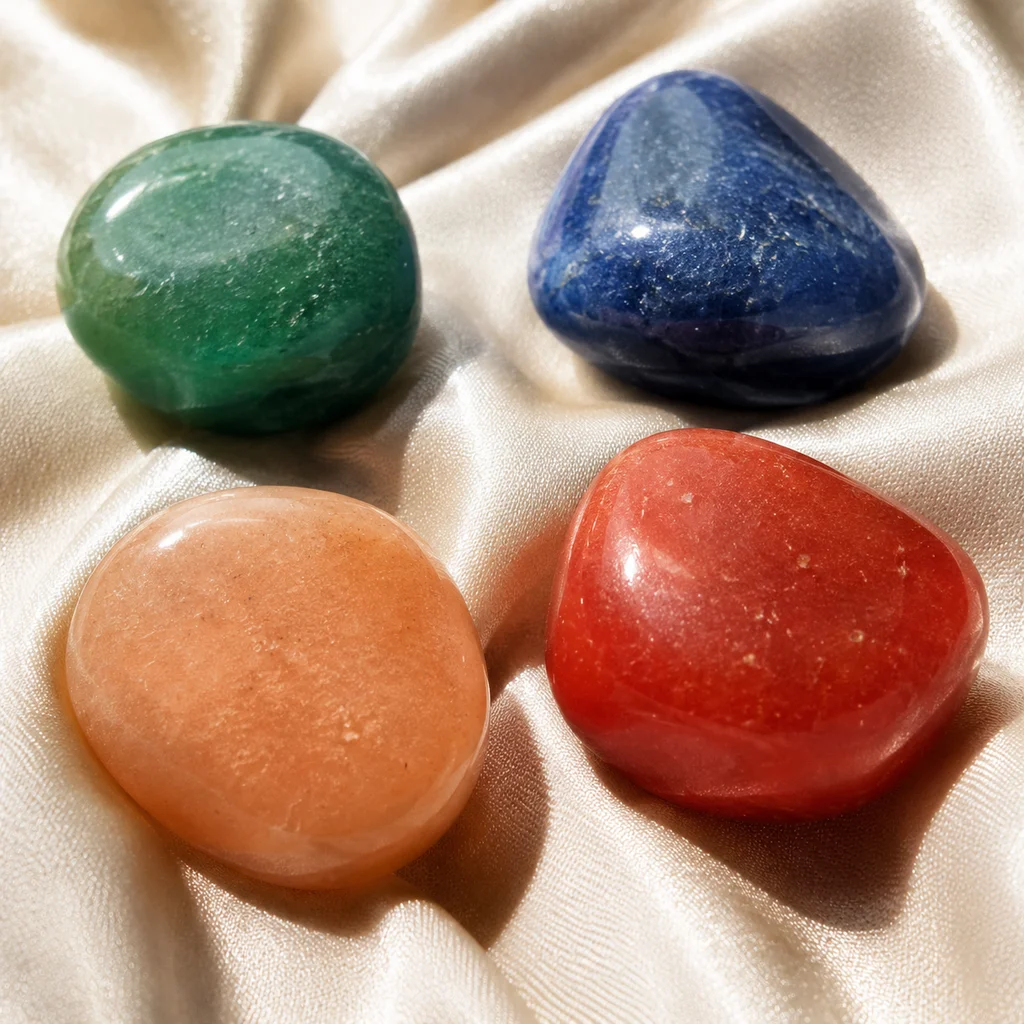
The inclusions responsible for this effect are typically fuchsite (a chromium-bearing green mica) in green aventurine, hematite or goethite in reddish and orange varieties, and ilmenite or dumortierite in blue aventurine. The specific inclusion mineral determines the body color, while the aventurescence itself — that characteristic sparkle — is universal across all aventurine types.
Aventurine's hardness on the Mohs scale is 6.5, which is harder than many popular ornamental stones (malachite, turquoise, apatite) but slightly softer than regular quartz (7). This makes it suitable for most jewelry applications with reasonable care — it will hold up in bracelets, pendants, and earrings, though rings intended for daily heavy wear might show surface wear over several years.
The Aventurescence Effect Explained
Aventurescence is a genuine optical phenomenon, not an illusion or surface treatment. It occurs when numerous tiny, flat mineral inclusions with high reflectivity are oriented roughly parallel within the host stone. As light enters the aventurine, these inclusions act like millions of microscopic mirrors, each reflecting a portion of the light back toward the viewer. Because the inclusions are distributed throughout the stone and oriented at varying angles, the sparkle appears to come from inside rather than from the surface.
The effect is named after the Italian word "a ventura," meaning "by chance." The story goes that sometime in the 18th century, a Murano glass worker accidentally dropped copper filings into a batch of molten glass. The result was a sparkling material that was later deliberately reproduced and called "aventurine glass" or "goldstone." The mineral aventurine borrowed the name because it produces a similar effect naturally, though the mineral predates the glass by millions of years.
The intensity of aventurescence varies significantly between specimens. Some pieces have a subtle, barely perceptible shimmer, while others flash dramatically with every movement. The most visually striking specimens have abundant inclusions distributed evenly throughout the stone, creating consistent sparkle from any angle.
Green Aventurine: The Standard
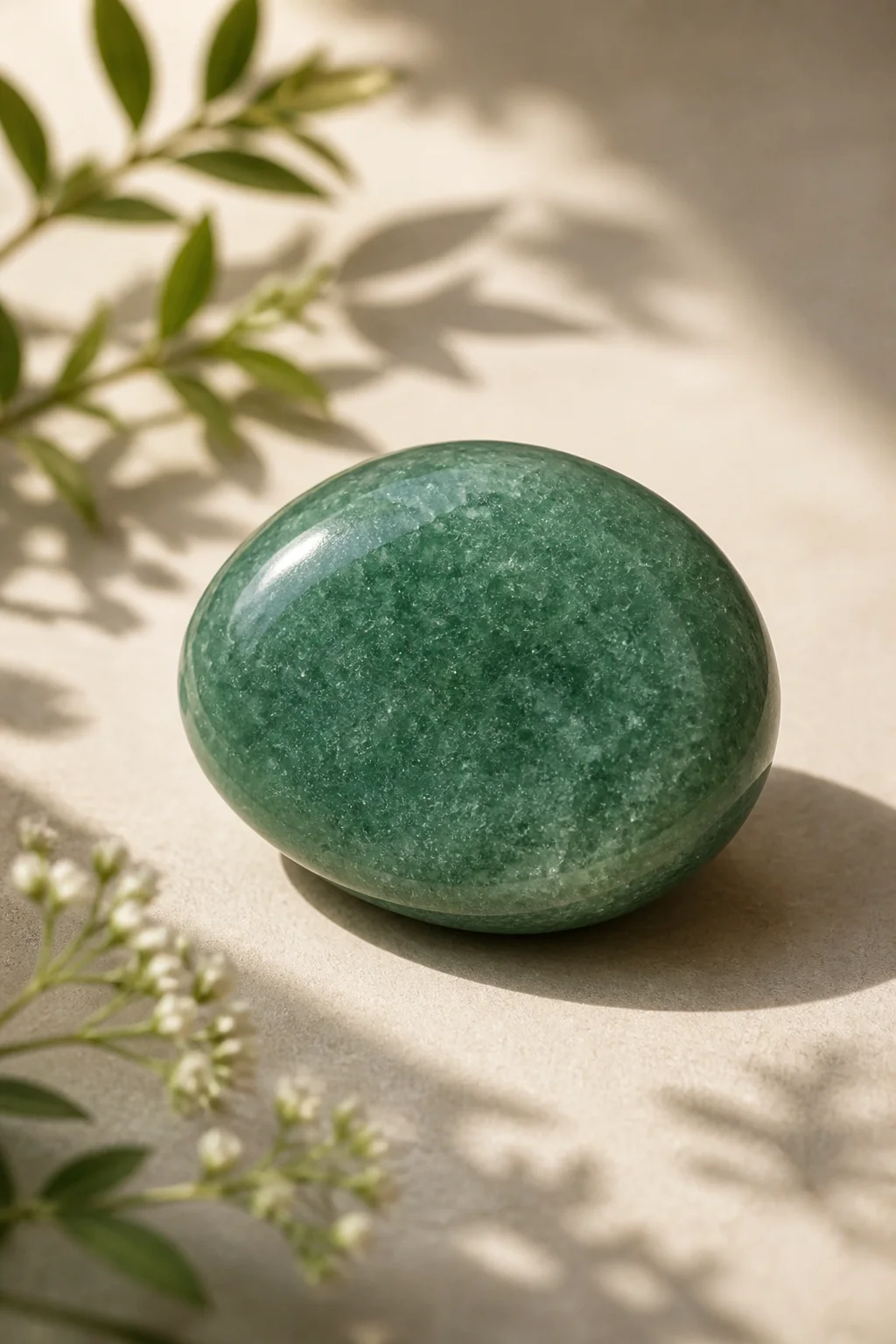
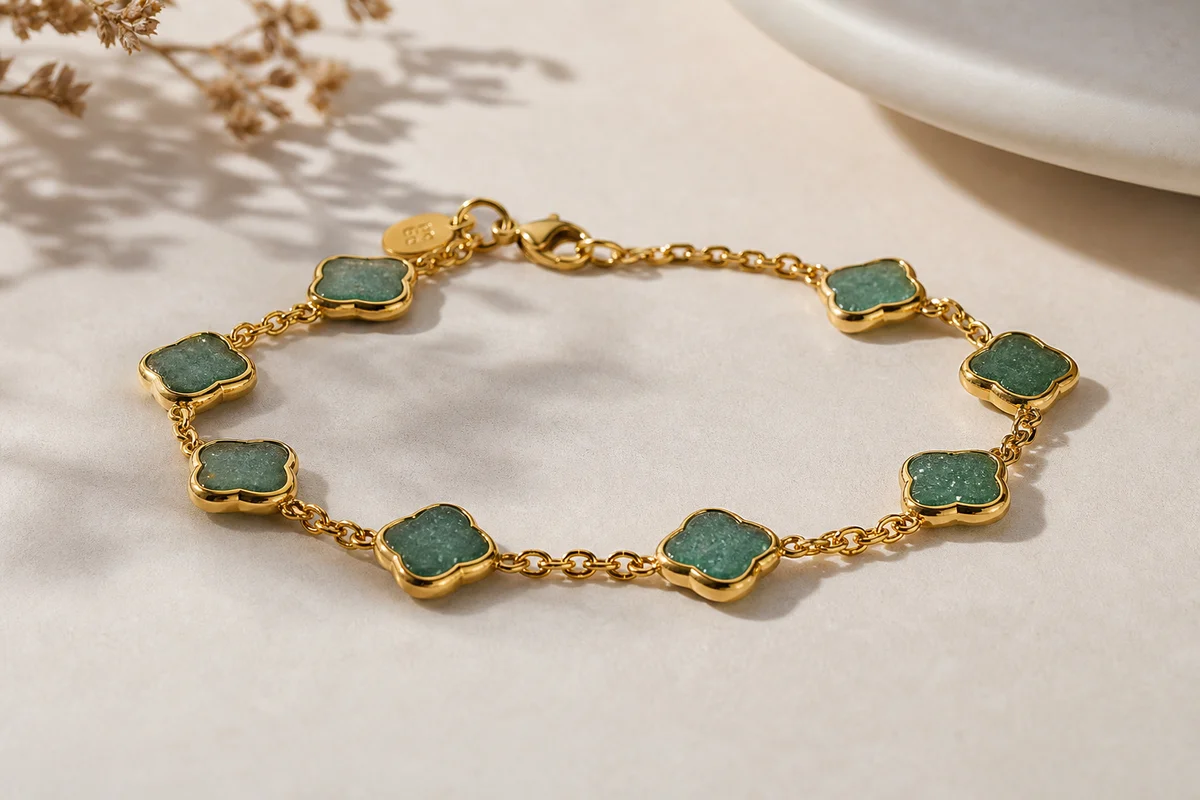
Green is by far the most common and commercially popular aventurine color. It ranges from pale, translucent mint green to deep, opaque forest green, with the mid-tone apple green being the most sought-after. The green color comes from fuchsite inclusions — specifically the chromium in the mica structure. More chromium means deeper green color.
India is the primary source of commercial green aventurine, and Indian material tends to be relatively uniform in color with moderate aventurescence. Brazilian green aventurine often has a slightly different character — sometimes darker, sometimes more translucent, with variable sparkle. Russian and Chinese deposits also produce green aventurine, each with minor regional differences in color saturation and inclusion density.
One important distinction: natural green aventurine vs. dyed green quartz. Some low-grade white quartz is dyed green to simulate aventurine, especially in bead and tumbled stone markets. The dyed material looks flat and uniform — no aventurescence, no internal sparkle. Genuine aventurine always shows the characteristic shimmer regardless of body color. If it doesn't shimmer, it's not aventurine.
Blue, Red, and Other Color Varieties
Blue aventurine is less common but increasingly popular. Its color comes from dumortierite inclusions or, in some cases, from crocidolite (blue asbestos) fibers. True blue aventurine has a distinctive gray-blue body color with silvery-blue aventurescence. The color isn't as saturated as blue topaz or aquamarine — it's more of a subdued steel blue that appeals to collectors who prefer understated stones.
Red aventurine (also called red aventurine quartz) contains hematite inclusions that create a reddish-orange body color with reddish-brown sparkle. Peach and orange aventurine exist too, usually with a softer, more muted coloration than the bold reds.
White or colorless aventurine is rare but exists — it contains mica inclusions that create the aventurescence without contributing significant color to the host quartz. Yellow aventurine, colored by pyrite or goethite inclusions, is also occasionally available. Each variety has its enthusiasts, but green dominates the market by a wide margin.
Aventurine in Crystal Healing Traditions
In crystal healing, aventurine is called the "stone of opportunity" — a reputation it has held for decades in the crystal community. The association comes from the stone's sparkling, expansive quality, which practitioners interpret as representing luck, prosperity, and the ability to recognize and seize opportunities.
Green aventurine is specifically associated with the heart chakra in traditional chakra systems. Its green color connects it to themes of emotional balance, compassion, and growth. In meditation practice, green aventurine is sometimes placed on the chest during heart-centered meditation, though this is symbolic rather than evidence-based.
Some practitioners recommend carrying aventurine when starting a new venture — a job search, a business launch, a creative project — as a psychological anchor for optimism and openness to possibility. Whether the stone itself facilitates opportunity is a matter of personal belief, but having a physical object associated with positive intention can serve as a genuine psychological tool for maintaining a proactive mindset.
Distinguishing Aventurine from Similar Stones
Several green stones get confused with aventurine. The most common mix-ups:
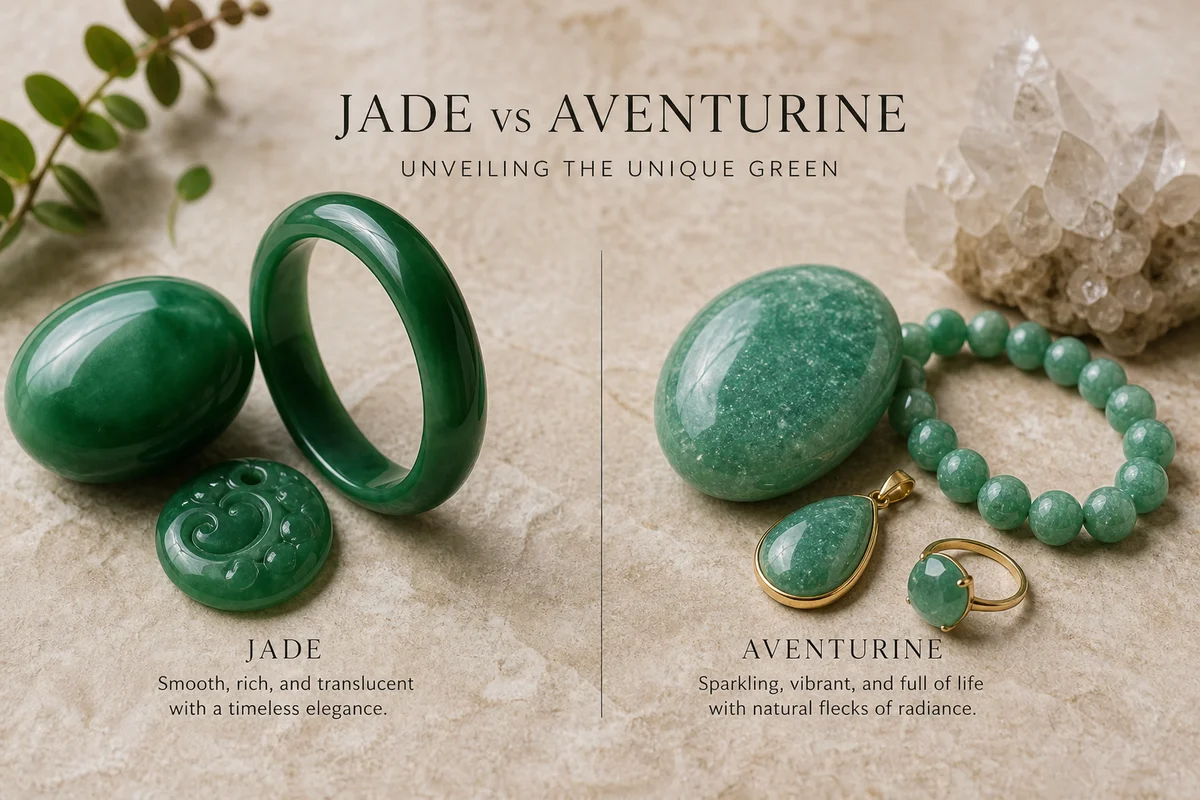
Jade (nephrite or jadeite): Jade is tougher, heavier (specific gravity 2.9-3.4 vs aventurine's 2.64-2.69), and has a different internal structure. Jade's luster is more greasy or waxy, while aventurine has a distinctive sparkle from aventurescence. If you tilt the stone and see internal shimmer, it's aventurine, not jade.
Peridot: Peridot is an olive-green gem mineral (olivine) with a much higher specific gravity (3.32-3.35) and different crystal structure. Peridot doesn't show aventurescence and has a characteristic double refraction that aventurine lacks.
Serpentine: Serpentine is softer (Mohs 2.5-5.5), often has a waxy luster, and may show a patterned or mottled surface. No aventurescence. Serpentine is also lighter and more porous than aventurine.
Malachite: Malachite has distinctive banded patterns of light and dark green, a much lower hardness (3.5-4), and no aventurescence. It's also heavier than aventurine.
Using Aventurine in Daily Life
Tumbled aventurine stones are inexpensive and durable enough for pocket carry. A small tumbled green aventurine in your pocket or purse is the most common everyday use. The aventurescence catches light throughout the day, creating small moments of visual sparkle that serve as pleasant sensory anchors.
For home use, aventurine bookends, polished slices, and small specimens make attractive desk and shelf accents. The stone pairs well with clear quartz for display arrangements — aventurine provides color and sparkle, while quartz adds clarity and geometric interest.
Aventurine Jewelry Care
Aventurine jewelry should be cleaned with warm soapy water and a soft cloth. Avoid ultrasonic and steam cleaners — the inclusions can create stress points that make the stone vulnerable to thermal shock. Remove aventurine jewelry before swimming, bathing, or using household chemicals. Store aventurine pieces separately from harder stones (diamond, corundum) to prevent scratching.
The stone is generally stable and doesn't react to light or heat under normal conditions, which is a practical advantage over some colored gemstones that require special storage. This low-maintenance quality contributes to aventurine's popularity for everyday jewelry like beaded bracelets and simple pendants.
Practical Tips for Aventurine Wear
While aventurine's durability is high, it is not completely impervious to damage. To ensure the longevity of your aventurine jewelry:
- Store It Properly: Store aventurine jewelry separately in a soft cloth or velvet pouch to prevent scratching and tangling with other items.
- Avoid Harsh Chemicals: Avoid using harsh chemicals like chlorine or ammonia, as these can strip away the surface finish or etch the stone.
- Clean It Regularly: Clean your aventurine pieces with a soft cloth dampened with warm soapy water. This removes sweat, oils, and dirt without the need for more intensive cleaning methods.
Care Instructions for Different Types of Aventurine
Different aventurine types have specific care considerations due to their composition:
- Green Aventurine: This type is most common and has minimal care requirements beyond what has been previously mentioned. Its soft green hue can be preserved by regular care and protection from sunlight.
- Blue Aventurine: Being softer than green aventurine, blue aventurine should be handled with extra care. It may also be sensitive to chemicals, so avoid wearing it during household chores that involve strong cleaners.
- Red Aventurine: As with other varieties, regular care will keep the reddish hue vibrant. Red aventurine should be stored separately, especially if there are softer gemstones in the collection.
Complementary Crystals to Enhance the Aventurine Experience
Aventurine can be paired with other crystals to enhance its properties or to create a synergistic effect. Here are some suggestions:
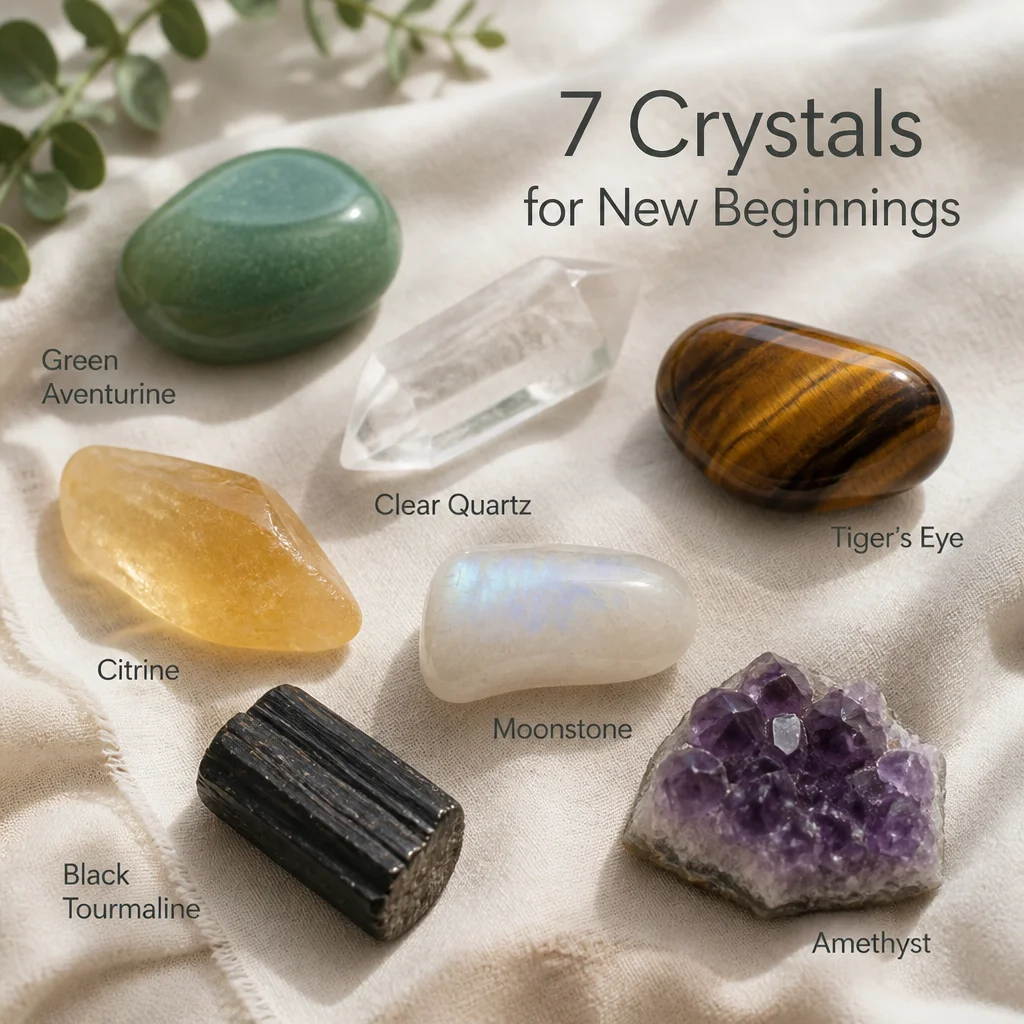
- Clear Quartz: Clear quartz amplifies the energy of aventurine, helping to magnify the opportunity it brings.
- Ruby: Ruby combines with aventurine to amplify passion and energy, making it a powerful combination for those pursuing new endeavors.
- Moonstone: Moonstone pairs beautifully with aventurine for a calming, supportive influence on your personal growth and well-being.
Historical Use of Aventurine in Civilization
Since ancient times, aventurine has been valued for its beautiful appearance and supposed protective properties. In different cultures, aventurine was used in various ways:
- Indigenous Americans: Aventurine was used as a spiritual tool, believed to bring balance and abundance.
- Egyptians: Aventurine was found in Tutankhamun's tomb, indicating a belief in its protective and lucky attributes.
- Romans: Romans associated aventurine with the goddess Fortuna, the personification of luck and success.
Personal Testimonials and Opinions on Aventurine
I have been wearing aventurine for several years and find its vibrant colors and sparkling effects a wonderful addition to my life. Whether or not I believe in its crystal healing properties, the stone has a positive effect on my mood, making me feel optimistic and hopeful.
I prefer the mid-tone apple green aventurine for its classic, timeless beauty. Its soft green shine is always a delight to the eyes and seems to inspire a sense of calmness and clarity.
Aventurine for Creativity and Expression
Aventurine has always been popular with artists, perhaps due to its inspirational energy and creative potential. For writers and artists, holding aventurine can encourage free thinking and artistic flow.
The stone's connection to luck and prosperity also resonates with creative individuals who often feel a pinch of doubt when facing new projects. By keeping an aventurine close, some artists feel they can take more risks, confident in the belief that opportunities are within their grasp.
Aventurine's Role in Business Success
In the world of business, aventurine can serve as a daily reminder of the opportunities that come with risk and the importance of maintaining an open mind.
Entrepreneurs might wear aventurine to promote a mindset of proactive opportunity seeking, fostering a culture of innovation within their organization. While aventurine won't ensure business success on its own, the stone's energy can create an atmosphere of optimism and possibility, which can be a powerful motivator for teams and leaders.
Aventurine and Relationship Building
Aventurine's association with heart chakra balancing can make it an ideal stone for fostering healthier relationships.
For individuals looking to improve communication and empathy, carrying aventurine might help them approach interactions with a more open heart. The stone's soft green color can remind its wearer to listen deeply, speak with compassion, and nurture their personal connections.
How to Choose the Perfect Aventurine
Picking out the right aventurine is a highly personal decision, but here are some tips to consider:
- Sparkling Quality: Look for stones with the most vibrant aventurescence, indicating a higher concentration of inclusions.
- Color: The color should be bright and even throughout the stone, avoiding discolorations or signs of staining.
- Size and Shape: Whether it's a rough tumbled piece or a polished specimen, consider what shape or size fits best into your life and collection.
- Source and Certification: Be sure that the aventurine is ethically sourced and certified, especially if you're purchasing from an online source.
Upcoming Events Featuring Aventurine
In the upcoming months, there will be several gem and crystal shows where aventurine enthusiasts can gather to learn, share, and explore the many varieties of this stunning stone:
- International Crystal Conference: Scheduled for late spring, this event is expected to showcase a range of aventurine pieces and related discussions.
- Gem and Mineral Show in Austin: The show in fall is anticipated to host a special display of aventurine stones from various countries and cultures.
- New York City Crystal Fair: In winter, there will be workshops and demonstrations that explore the uses and benefits of aventurine.
What Customers Are Saying About Aventurine
"I have never owned a stone that captures my attention as vividly as the aventurine in my necklace. Every time I see it, I feel like I've found something extraordinary in my day. The opportunities and positive energy this stone brings are palpable." — Sarah J.
"The blue aventurine I received as a gift turned out to be the perfect pick-me-up. Whenever I feel like I'm in a creative rut, just a glance at it, and I feel like I can conquer the world again. Highly recommend!" — Mike R.
Faith, Hope, and Aventurine
When times feel tough, having faith and hope is more important than ever. Aventurine's shimmering appearance, reminiscent of light refracting through a kaleidoscope of potential, serves as a daily reminder to trust in the universe's plan and maintain hope for what is yet to come.
No matter where your journey takes you, the energy of aventurine can be a comforting and inspiring companion, sparking moments of optimism and possibility every time you encounter it.
Aventurine for the Mind, Body, and Soul
Crystals have long been a popular tool for those interested in holistic health, and aventurine is no exception. Known as a "stone of opportunity," aventurine is often seen as a bridge connecting the mind, body, and soul. Let's explore how it can impact each of these aspects:
- Mind: Aventurine's vibrant colors can stimulate creativity and enhance mood. Its "stone of opportunity" energy can encourage the mind to think openly about new possibilities and opportunities.
- Body: The act of carrying aventurine or gazing upon it can bring feelings of relaxation and contentment. This may reduce stress and anxiety, promoting a healthier physiological state.
- Soul: Some practitioners believe that aventurine can help align one's soul with their path of spiritual growth. Its energetic properties can assist in connecting to a higher purpose and feeling more connected to the greater good.
The Role of Aventurine in Modern Society
With increasing interest in spirituality and holistic wellness, aventurine has gained popularity among individuals of all walks of life. From yoga practitioners to busy professionals, many are incorporating aventurine into their daily lives for various reasons:
- Relaxation and Mindfulness: Aventurine's soothing color and energy can be used to create a space for relaxation and mindfulness during meditation or yoga sessions.
- Positive Intentions: Wearing aventurine is a visible symbol of positive intentions and aspirations, whether for a new job, health, or personal development.
- Self-Expression: Personal style and taste have become a significant way people express themselves, and aventurine can be incorporated into fashion as part of unique jewelry or decorative accessories.
The Importance of Quality over Quantity in Aventurine Collection
When collecting aventurine, some may be tempted to purchase numerous pieces based on their color and sparkle. However, focusing on quality over quantity is often the best approach:
- Frequently Asked Questions
Is Aventurine a good crystal for beginners in crystal healing?
Aventurine is considered a gentle and approachable stone for beginners in crystal healing. Its calming energy makes it a great place to start for those new to working with crystals.
How should I clean my Aventurine jewelry to maintain its luster?
Use warm water and a soft cloth to gently wipe down your Aventurine jewelry. Avoid ultrasonic cleaners or harsh chemicals as they can damage the stone's surface.
Can I use Aventurine to enhance my career opportunities?
Yes, Aventurine is often associated with attracting abundance and opportunity, making it a popular choice for those looking to enhance their career prospects.
Is there a difference between natural and dyed Aventurine stones?
Yes, natural Aventurine is found in its natural green color, while dyed Aventurine has been treated with artificial colors. Natural Aventurine tends to have a more robust and genuine energy.
How often should I recharge my Aventurine crystal?
Aventurine stones typically need recharging about once a month. You can recharge them by placing them under the moonlight or using other methods like sunlight or smudging with sage.
Comments