What is aura quartz and why it has those rainbow colors on the surface
What is aura quartz and why it has those rainbow colors on the surface
Meta description: Aura quartz gets its rainbow sheen from a thin metallic coating bonded to natural quartz. Learn how it is made, the different types, and what people believe about it.
The basic idea behind aura quartz
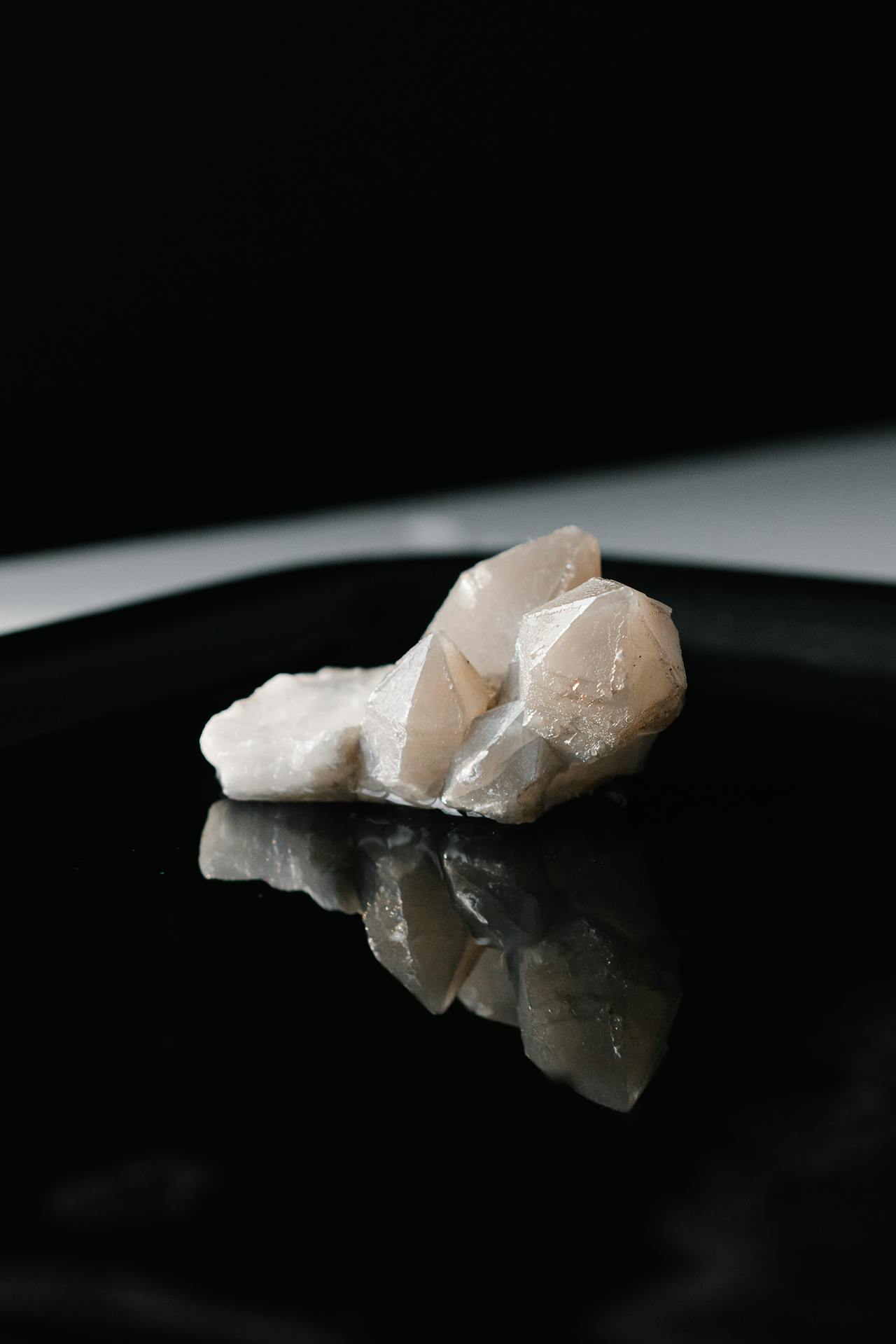
Aura quartz looks like something from a fantasy novel. The base is ordinary clear quartz, but the surface has been treated with a thin metallic coating that produces an iridescent, rainbow-like sheen. Depending on the angle and the light, you might see flashes of blue, purple, gold, green, or pink across the crystal faces. The effect is unmistakable. Once you have seen aura quartz in person, you will recognize it immediately.
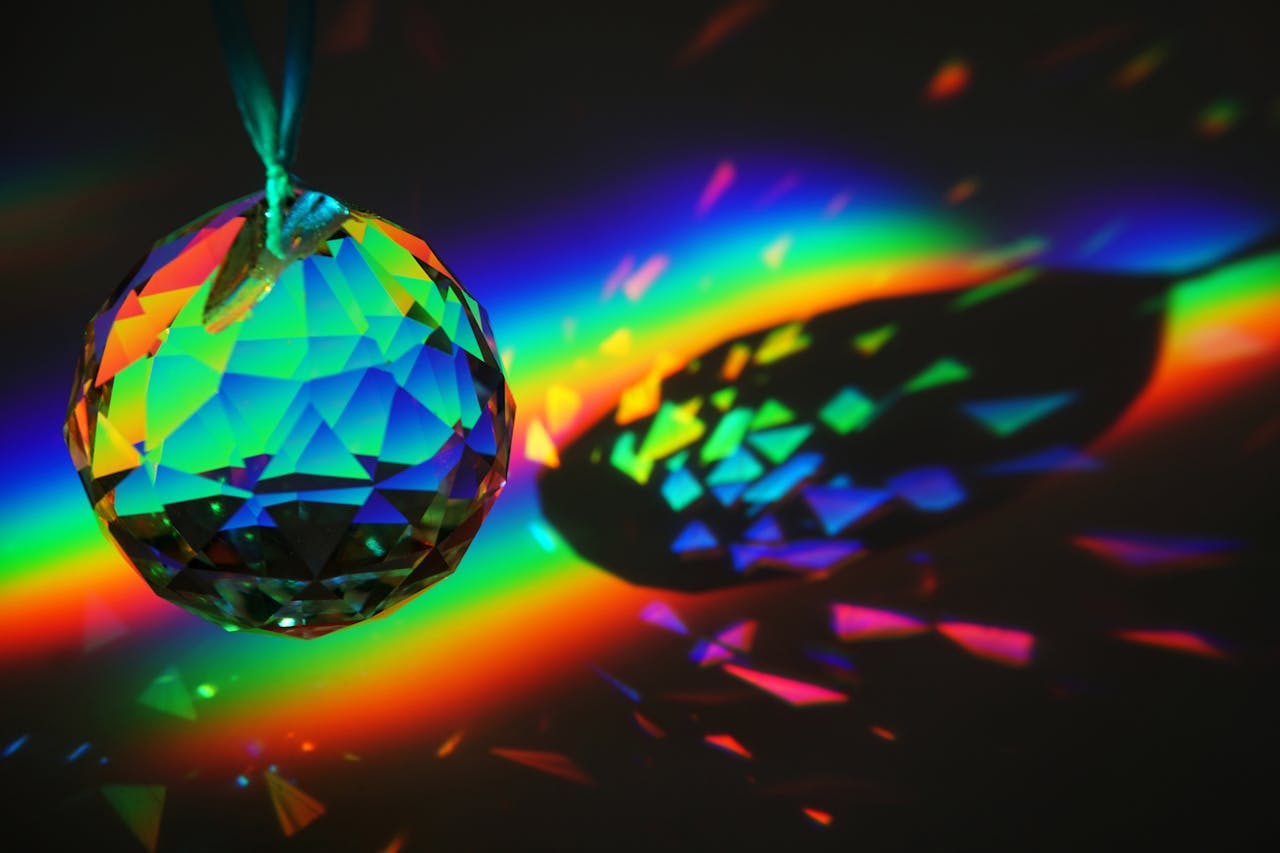
The coating process is not a secret, though it is sometimes described in misleading terms by sellers. Natural quartz crystals are cleaned thoroughly and then placed inside a vacuum chamber. A metal or metal compound is vaporized inside the chamber, and the resulting vapor condenses onto the surface of the quartz, bonding at a molecular level. The thickness of this coating is measured in nanometers. It is thin enough that light passing through it creates interference patterns, which is what produces the visible colors.
The specific metal or combination of metals used determines which colors appear on the finished stone. Different metals create different optical effects, which is why there are multiple named varieties of aura quartz rather than just one.
This is not a new technique. Vacuum deposition has been used in manufacturing for decades, in everything from optical lenses to semiconductor production. Applying it to quartz crystals for the metaphysical market is a relatively small-scale use of a well-established industrial process.
The different types of aura quartz
The aura quartz family has grown considerably over the past decade, but a handful of varieties account for most of what you will find for sale.
Angel aura quartz is made by bonding clear quartz with platinum and silver. The resulting colors are predominantly silvery-white with flashes of blue, lavender, and pale gold. It is probably the most widely available type and the one most people picture when they hear "aura quartz." The name comes from the light, airy quality of its coloration.
Rainbow aura quartz uses a combination of titanium and niobium. The titanium coating produces a wider spectrum of visible colors, often with stronger blues and purples than angel aura. Some specimens show a distinct banding of colors across the crystal faces, almost like an oil slick on water. This type is sometimes sold under the name "flame aura" when the gold and orange tones are particularly dominant.
Titanium quartz, also called rainbow titanium or titanium aura, is coated with pure titanium. The colors tend to be more saturated than angel aura, with vivid blues, purples, and magentas. The metallic content is higher, which gives the surface a slightly more reflective quality. I find that titanium quartz tends to photograph less accurately than the others because camera sensors sometimes struggle to capture the full range of colors.
Other types you might encounter include apple aura quartz (bonded with gold, producing green-gold tones), rose aura quartz (bonded with platinum for a pinkish finish), and opal aura quartz (which has a softer, more diffuse iridescence). The names are mostly marketing, and the exact recipe varies between suppliers.
Natural vs treated: the debate that will not go away
This is the part of the conversation that gets contentious. Aura quartz is, by definition, a treated stone. The quartz itself is natural, but the iridescent surface is entirely artificial. Some crystal enthusiasts have no problem with this. Others feel strongly that treated stones are less valuable or less "real" than their untreated counterparts.
I understand both sides, but I think the argument misses something. Humans have been modifying stones for jewelry purposes for thousands of years. Heat treatment of sapphires and rubies is standard practice and has been for over a century. Most emeralds on the market are treated with oils or resins to improve their clarity. Even pearls are routinely bleached and polished before being sold. The idea of a "pure" natural stone is largely a marketing concept.
What makes aura quartz different from those examples is that the treatment is visible and intentional. The coating is the point. Nobody is trying to pass off aura quartz as natural quartz with unusual coloring. The iridescence is the feature, not a deception.
The more reasonable concern, in my view, is about disclosure. If you are buying aura quartz, you should know that the colors come from a metallic coating, not from trace minerals within the stone itself. Some sellers are upfront about this. Others use vague language that makes the process sound more mysterious or natural than it actually is. As a buyer, the simple test is whether the seller mentions "bonded," "coated," or "treated" in the product description.
What people believe aura quartz does
In crystal healing communities, different types of aura quartz are associated with different qualities. Angel aura quartz is said to support meditation, enhance communication with higher consciousness, and promote a sense of peace. Rainbow aura quartz is linked to vitality, energy balancing, and creativity. Titanium quartz is often described as a protective stone that shields against negative energy.
These associations tend to follow the colors rather than the base mineral. Blue tones connect to calm and communication. Pink tones connect to love and emotional healing. Gold and green tones connect to abundance and growth. The pattern is consistent with broader color symbolism in crystal work.
I do not think there is evidence that a metallic coating changes the energetic properties of quartz. The people who find value in aura quartz are generally working with it as a meditation focus, a visual reminder, or simply an object they find beautiful. The meaning they assign to it is personal and varies widely from person to person.
What I can say is that aura quartz is visually compelling in a way that plain clear quartz is not, for most people. If a stone's appearance helps you maintain a practice or creates a moment of calm during a stressful day, that is a real benefit regardless of whether the stone itself is doing anything beyond looking interesting.
How to care for aura quartz
The metallic coating on aura quartz is durable under normal handling but not indestructible. A few practical guidelines:
Avoid abrasive cleaning. Scrubbing with anything rougher than a soft cloth or your fingers can wear down the coating over time. Warm water and a mild soap are fine. Ultrasonic cleaners and steam cleaning are not recommended because the vibration and heat can damage the bond between the coating and the quartz surface.
Prolonged exposure to direct sunlight can cause the colors to fade, particularly with the gold-based varieties like apple aura. Store your pieces in a closed box or pouch rather than on a windowsill.
Chemicals are a risk. Perfume, lotion, and household cleaners can react with the metallic coating and cause discoloration. Put your aura quartz jewelry on after applying any products, and take it off before cleaning or swimming.
If the coating does start to wear, there is no practical way to repair it at home. The vacuum deposition process requires specialized equipment. Some lapidary shops can re-coat stones, but the cost is usually higher than buying a new piece.
Comments