Amethyst Crystal Meaning: Properties, Healing Uses, and How to Use It
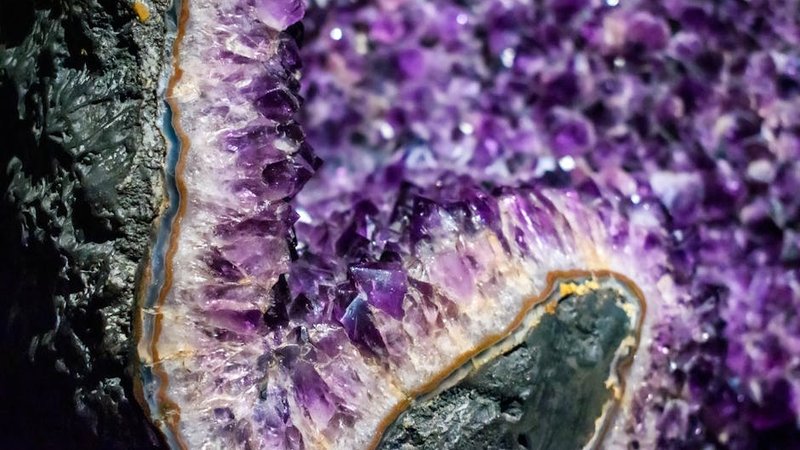
There's been a purple crystal cluster on my mom's nightstand for as long as I can remember. I used to hold it up to the lamp when I was a kid and watch the light scatter through all those little points. I thought it was just a pretty decoration — something she picked up at a craft fair or a gift from a friend. It wasn't until last year, when I fell down a rabbit hole of crystal content online, that I realized what it actually was. That thing I'd been admiring since I was six years old was amethyst. And it turns out, there's a whole world of history, mythology, and tradition behind it.
What Is Amethyst?
Amethyst is a variety of quartz, which means its chemical formula is SiO₂ — silicon dioxide, the same mineral that makes up sand, glass, and citrine. What gives amethyst its distinctive purple color is a combination of trace iron impurities and natural irradiation from the surrounding rock over millions of years. The iron gets trapped in the crystal structure as it forms, and exposure to natural radiation from potassium-40 in the earth oxidizes the iron and produces that purple hue.
It ranks a 7 on the Mohs hardness scale, making it durable enough for everyday jewelry. It's found on every continent, but the most significant deposits are in Brazil, Uruguay, South Korea, Zambia, and Russia. The color range is remarkable — from barely-there lavender to a deep, rich purple that almost looks black in low light. Some specimens even shift between purple and red depending on the angle, a phenomenon called pleochroism.
The Greek Myth Behind Amethyst
The name "amethyst" comes from the Greek word amethystos (ἀμέθυστος), which translates roughly to "not intoxicated" or "not drunk." There's a myth that explains why.
The story goes that the god Dionysus — the god of wine, revelry, and generally having too good a time — was pursuing a young mortal woman named Amethystos (or Amethyst in some versions). She wanted nothing to do with him and prayed to the goddess Artemis (or Diana, in the Roman version) for protection. Artemis answered her prayer by transforming Amethystos into a clear quartz crystal. Dionysus, upon finding the statue-like figure, was struck with remorse. In his grief, he poured his cup of wine over the crystal, staining it a deep purple forever.
It's a neat origin story, and it explains both the stone's color and its long-standing association with sobriety and clear-headedness. The ancient Greeks actually carved drinking vessels from amethyst, believing that wine consumed from them would prevent drunkenness. Whether it worked is debatable, but the symbolism stuck.
Amethyst Meaning and Symbolism
Over thousands of years, amethyst has accumulated a rich set of associations:
Intuition and spiritual awareness. Amethyst is often described as a stone of the "third eye" — the concept, rooted in Hindu tradition, of an inner perception beyond ordinary sight. It's associated with heightened insight, deeper understanding, and the ability to trust your gut.
Calm and emotional balance. This might be the most universally reported experience with amethyst. People consistently describe it as soothing, grounding, and emotionally stabilizing. It's the stone people reach for when they're stressed, anxious, or overwhelmed.
Protection. In many spiritual traditions, amethyst is considered a protective stone. Medieval European soldiers wore amethyst amulets into battle, believing the stone would keep them clear-headed and safe. In modern practice, it's often placed near entrances or carried as a personal talisman.
Spiritual growth. Amethyst has deep roots in Christian symbolism as well. It was one of the twelve stones in the breastplate of the High Priest described in the Book of Exodus, and it was historically associated with the apostle Matthias. Bishops in some Christian denominations still wear amethyst rings as a symbol of their office.
Clarity and sobriety. Going back to its Greek name, amethyst has always been linked to clear thinking and freedom from addiction. In the recovery community, amethyst is sometimes given as a gift to mark milestones of sobriety.
Amethyst Crystal Benefits in Healing Practices
In crystal healing, amethyst is primarily associated with two energy centers: the third eye chakra (Ajna) in the middle of the forehead, and the crown chakra (Sahasrara) at the top of the head. These chakras are connected to intuition, spiritual connection, and higher consciousness.
Here's what practitioners commonly attribute to amethyst:
Enhancing intuition and psychic awareness. Many people who work with amethyst regularly report that it sharpens their sense of inner knowing — that gut feeling that's hard to explain but impossible to ignore. It's often used during tarot readings, meditation, or any practice that involves tuning into subtler forms of perception.
Relieving stress and anxiety. This is amethyst's most widely reported benefit, and it's the reason it's probably the most popular crystal for beginners. Even skeptics often describe holding amethyst as calming. Whether this is a genuine energetic effect or simply the result of mindfulness and intention-setting is hard to separate, but the outcome — feeling more relaxed — is real either way.
Promoting restful sleep. Amethyst is the go-to crystal for insomnia and nightmares. Placing it under your pillow or on your nightstand is one of the oldest and most common practices in crystal work. My mom clearly knew something, even if she didn't frame it in crystal-healing language.
Supporting recovery from addiction. Because of its historical association with sobriety, amethyst is sometimes used as a supportive tool in addiction recovery programs. It's seen as a reminder of clarity and the strength to stay on course.
Important caveat: Crystal healing is a complementary, tradition-based practice. There is no scientific evidence that crystals have physical healing properties. If you're dealing with anxiety, insomnia, addiction, or any health condition, please seek help from a qualified healthcare professional. Crystals can be a meaningful addition to your self-care routine, but they are not a replacement for medical treatment.
How to Use Amethyst
1. Place It by Your Bed
This is by far the most popular way to use amethyst, and probably the one with the most historical precedent. A small amethyst cluster on your nightstand, or a tumbled stone under your pillow, is said to promote deep sleep and ward off nightmares. Anecdotally, a lot of people swear by this. Even if you don't notice a difference in your dreams, having a beautiful purple crystal next to your bed is objectively nicer than having nothing there.
2. Meditate With It
During meditation, place amethyst on your third eye (the center of your forehead) or on the crown of your head. If lying down with a stone on your forehead feels awkward, holding it in your hands works too. The idea is to let the stone serve as a physical anchor for your focus — when your mind wanders, the weight and texture of the crystal bring you back.
3. Wear It as Jewelry
Amethyst looks stunning in almost any form of jewelry. Pendants keep the stone near your heart and throat, bracelets allow skin contact with your wrists, and earrings frame your face with that rich purple glow. Amethyst is hard enough (Mohs 7) for daily wear, though you should still be mindful of hard impacts. It pairs beautifully with silver settings for a cool-toned look, or with rose gold for something warmer.
4. Place It in Your Workspace
Some people keep amethyst near their computer or desk, believing it helps reduce the effects of electromagnetic fields (EMF) from electronic devices. It's worth noting that there's no scientific evidence supporting this claim. However, having amethyst in your workspace can create a more calming, intentional atmosphere — and that alone can improve focus and reduce stress.
Crystal Combinations That Enhance Amethyst
Amethyst + Clear Quartz. Clear quartz amplifies the properties of whatever it's paired with, so this combination intensifies amethyst's intuitive and spiritual qualities. It's a classic pairing for meditation, energy work, or setting intentions around spiritual growth.
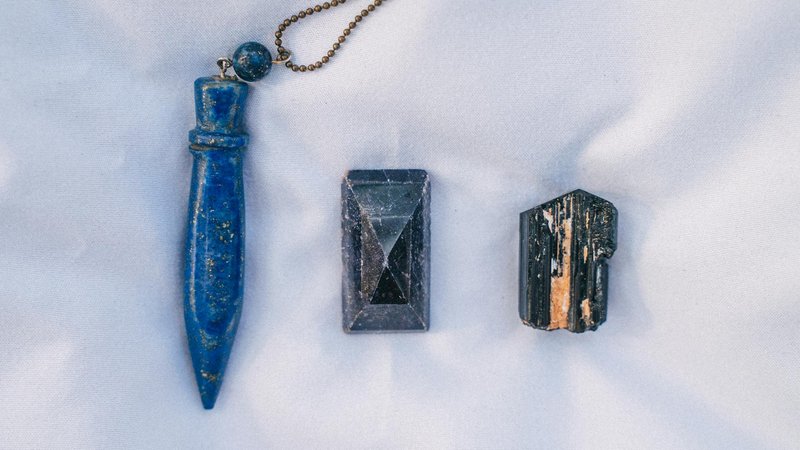
Amethyst + Black Tourmaline. Black tourmaline is one of the most protective crystals in common use. Pairing it with amethyst creates a balance of spiritual openness and energetic protection — you stay receptive to insight while maintaining strong personal boundaries. This is a popular combination for empaths or anyone who feels easily overwhelmed by other people's emotions.
Amethyst + Moonstone. Moonstone carries associations with intuition, feminine energy, and the cycles of the moon. Combined with amethyst, the pairing deepens intuitive abilities and is sometimes used in practices related to dream work, journaling, or connecting with inner wisdom.
How to Cleanse and Care for Amethyst
Amethyst is generally low-maintenance, but there's one important rule: avoid prolonged direct sunlight. Unlike citrine, amethyst can fade if left in bright sun for extended periods. The UV radiation breaks down the color centers in the iron impurities, gradually turning the stone from purple to a washed-out gray or pale yellow. This is irreversible. A brief sun bath — 10 or 15 minutes — is fine, but don't leave it on a sunny windowsill day after day.
Moonlight is the traditional and preferred method for charging amethyst. Place it outside or on a windowsill during a full moon and let it soak up the light overnight. It's gentle, safe, and has a nice symbolic resonance.
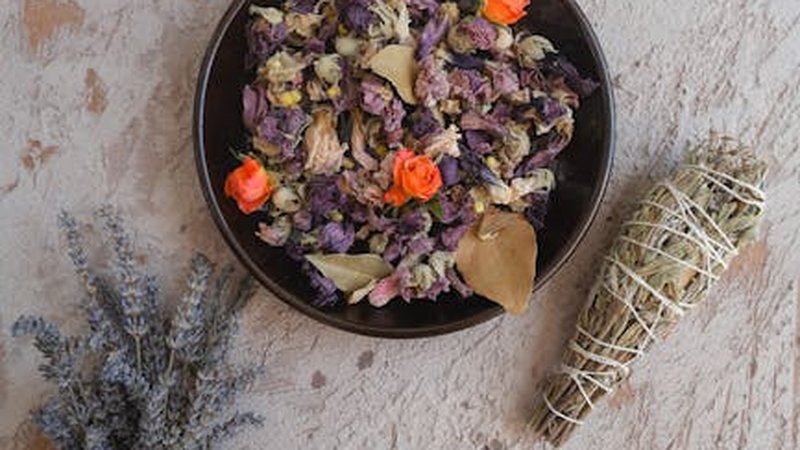
Running water works for a quick cleanse — hold the stone under cool tap water for a minute while visualizing any accumulated energy washing away. Smoke cleansing with sage, palo santo, or your preferred incense is another option. And because amethyst has a Mohs hardness of 7, ultrasonic cleaners are generally safe for physical cleaning, though very included specimens might be better off with just soap and water.
Store amethyst away from direct sunlight and separate from stones that are harder (like topaz or sapphire) to avoid scratches. A soft cloth pouch or a dedicated drawer compartment works well.
How to Choose a Quality Amethyst
Color depth. The most prized amethyst has a deep, saturated purple — and if it shows flashes of red under certain lighting, even better. This reddish-purple variety is sometimes called "Siberian amethyst," though the name is historical and doesn't necessarily mean the stone came from Siberia. Light lavender pieces are lovely and affordable, but they're less valuable than deeper tones.
Color uniformity. Some amethyst has visible color banding — alternating bands of lighter and darker purple. This is natural and not a defect, but stones with more even color tend to be preferred for jewelry. Cluster specimens with interesting banding patterns can be quite striking as display pieces.
Clarity. Higher clarity generally means higher quality, especially for cut stones. But amethyst with interesting inclusions or "phantoms" (ghostly internal growth patterns) can be uniquely beautiful and are prized by collectors.
Form factor. Small tumbled stones are cheap and versatile. Clusters and geodes make stunning display pieces and are said to have stronger energy due to their size and number of crystal points. Large cathedral geodes can be investments that appreciate in value over time.
Amethyst vs. Other Purple Stones
Amethyst vs. Kunzite (Spodumene)
Kunzite is a beautiful lilac-to-pink stone that can look similar to pale amethyst at a glance. But they're completely different minerals. Kunzite is a variety of spodumene (lithium aluminum silicate), while amethyst is quartz. Kunzite ranks 6–7 on the Mohs scale, making it slightly softer than amethyst, and it has strong pleochroism — it shows different colors from different angles. The biggest practical difference: kunzite is notorious for fading in sunlight, even faster than amethyst. If you own kunzite, keep it away from light entirely.
Amethyst vs. Purple Fluorite
Fluorite comes in a stunning range of colors, including a vivid purple that can easily be mistaken for amethyst. But fluorite is calcium fluoride, not quartz, and it's much softer — only a 4 on the Mohs scale. That means fluorite scratches easily and isn't suitable for everyday jewelry. It's also more brittle and can cleave (split along flat planes) if dropped. Fluorite is a wonderful stone for collectors and energy workers, but if you want something you can wear daily, amethyst is the practical choice. Another tell: fluorite often has visible growth zoning — bands of different colors within the same crystal — while amethyst's zoning is more subtle.
Final Thoughts
My mom's amethyst cluster is still on her nightstand. It's been there for over twenty years now, the color slightly lighter than when she first got it — probably from all those mornings it sat in the patch of sunlight that hits her bedroom window. It's not perfect anymore. One of the smaller points chipped years ago. But she still keeps it there, and I get it now. There's something about having a piece of the earth — something that took millions of years to form, with a color that shouldn't exist in nature but somehow does — sitting quietly next to you while you sleep. Whether or not you believe in chakras or energy fields or any of the metaphysical stuff, amethyst has earned its place in human history. It's been worn by royalty, carved into sacred objects, carried into battle, and set on nightstands by mothers who probably couldn't tell you the first thing about crystal healing but knew, on some level, that having it there just felt right.
Comments