Alexandrite: The Rarest Color-Changing Gemstone in the World
The Stone That Changes Color Before Your Eyes
Imagine holding a gemstone under daylight and seeing a vivid green, then walking indoors and watching it shift to a purplish-red under incandescent light. No filters, no special lighting setup, just a natural stone doing something that seems impossible. That's alexandrite, and its color-changing ability is so dramatic and so rare that it's been called "emerald by day, ruby by night."
Alexandrite is a variety of the mineral chrysoberyl. It was first discovered in 1834 in the Ural Mountains of Russia, in emerald mines near the Tokovaya River. The story goes that it was discovered on the birthday of Tsar Alexander II, which is how it got its name. The original Russian material had a particularly fine color change from green to red, matching the colors of the Russian Imperial flag, which made it instantly popular with the Russian aristocracy.
What Causes the Color Change?
The color change in alexandrite is caused by its unusual absorption of light. Chromium impurities in the crystal structure absorb specific wavelengths of light, and because different light sources have different spectral compositions, the stone appears to be different colors under different lighting conditions.
Under daylight or fluorescent light, which is rich in blue and green wavelengths, alexandrite appears green or bluish-green. Under incandescent light, which has more red and yellow wavelengths, it appears red, purplish-red, or raspberry. The strongest color change shows a vivid green in daylight and an equally vivid red in incandescent light, with no muddy brown or gray tones in either condition.
Not all alexandrite shows a strong color change. The intensity of the shift depends on the chromium content, the thickness of the stone, and the specific trace elements present. Some stones show only a subtle shift from green to slightly brownish-green, which is much less dramatic than the full green-to-red change. The strength of the color change is the single most important factor in determining alexandrite's value.
This effect is called pleochroism, though the specific type alexandrite exhibits is more precisely described as "photochroism" or the alexandrite effect. It's different from the pleochroism seen in stones like iolite or tanzanite, which show different colors when viewed from different angles. Alexandrite changes color based on the light source, not the viewing angle, which makes it a fundamentally different and arguably more impressive optical phenomenon.
How Rare Is Alexandrite, Really?
Very rare. Alexandrite is one of the rarest gemstones on Earth, and fine-quality stones with strong color change are exceptionally scarce. The original Russian deposits were largely mined out by the late 19th century, and the material from the Urals remains the benchmark for quality, particularly in terms of the green-to-red color change.
Brazil has been the most significant source of alexandrite since the 1980s, with deposits in Minas Gerais and Bahia producing stones of various qualities. Brazilian alexandrite can show excellent color change, though the colors are often different from Russian material. Brazilian stones tend to shift from blue-green to purple-red rather than the classic green to red.
Sri Lanka, Madagascar, Tanzania, and Myanmar also produce alexandrite, though in smaller quantities. Sri Lankan material tends to be larger but with less dramatic color change than Brazilian or Russian stones. Tanzanian alexandrite can be very fine but is quite rare.
To put the rarity in perspective, high-quality alexandrite with strong color change is rarer than diamond, ruby, sapphire, and emerald. In any given year, the total worldwide production of gem-quality alexandrite is a tiny fraction of the production of any of these more common precious stones. This extreme rarity is the primary reason for its high prices.
Understanding Alexandrite Pricing
Alexandrite is expensive, and understanding why requires looking at several factors. Color change strength is the biggest price driver. A stone with a strong, vivid color change between green and red commands a much higher price than one with a weak or subtle shift. The ideal is 100% color change with vivid, saturated colors in both lighting conditions, and stones that approach this ideal are extremely rare.
Clarity affects price significantly. Most natural alexandrite has some inclusions, and eye-clean stones are rare and valuable. The best clarity grades in alexandrite would be considered included by the standards of diamonds or other transparent gemstones. Minor inclusions are expected and accepted in the market, but large, dark, or numerous inclusions reduce value.
Size matters enormously. Alexandrite above one carat with strong color change is genuinely rare. Above three carats, it enters the territory of extremely rare collector stones. Above five carats, you're looking at museum-quality material with prices to match. Small stones under half a carat with good color change are more accessible but still aren't cheap by most gemstone standards.
Origin also plays a role in pricing, particularly for collectors. Russian alexandrite carries a premium because of its historical significance and because the original material set the standard for quality. However, a top-quality Brazilian alexandrite with better color change than a Russian stone will command a higher price based on its actual optical properties, not just its origin.
The Synthetic and Imitation Situation
Lab-created alexandrite has been produced since the 1970s, primarily using the Czochralski pulled-growth method and the flux-growth method. Synthetic alexandrite has the same chemical composition and crystal structure as natural alexandrite, and it can show a strong color change. It's significantly less expensive than natural material.
Synthetic alexandrite is a legitimate product and has its place in the market, but it must be disclosed as lab-created. Reputable sellers will clearly identify synthetic material, and gemological testing can distinguish natural from synthetic stones. The main difference is in the inclusions: natural alexandrite has characteristic growth features and inclusions that synthetic material doesn't replicate.
Corundum that's been treated to show an alexandrite-like color change is also sold, sometimes misleadingly. This is not alexandrite at all; it's color-change sapphire. While it can be attractive, it's a completely different material with different properties and should be priced accordingly. Any dealer selling color-change corundum as alexandrite is either ignorant or dishonest, and neither is good.
Alexandrite in Jewelry Design
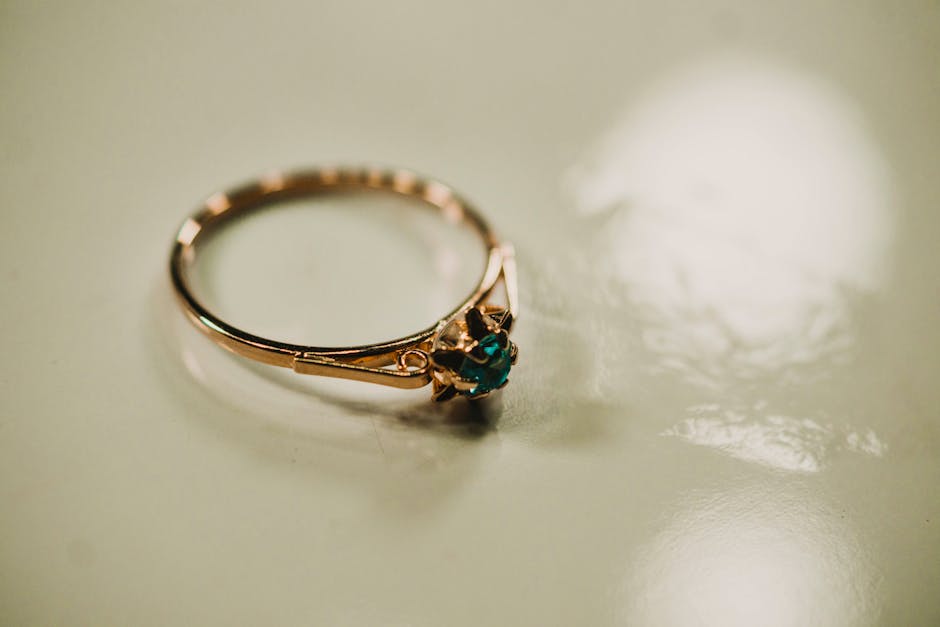
The main challenge with using alexandrite in jewelry is its rarity and cost. Most alexandrite jewelry features relatively small stones, often under one carat, set as center stones in rings, pendants, or earrings. Large alexandrites in jewelry settings are usually in high-end or custom pieces that are priced accordingly.
Because alexandrite shows its color change best when the stone has enough depth, shallow cuts or very small stones may not display the effect dramatically. A well-cut alexandrite with good proportions will show a stronger and more visible color change than a poorly cut stone of similar quality. This makes cut quality particularly important for alexandrite.
Alexandrite is quite hard, rating 8.5 on the Mohs scale, which makes it suitable for all types of jewelry including rings. It's harder than sapphire and just slightly softer than diamond. This hardness means it can withstand daily wear without the chipping and scratching issues that plague softer gemstones. However, alexandrite can be brittle in certain crystal directions, so hard impacts should still be avoided.
The setting should protect the stone while allowing light to enter from multiple angles, since the color change is most visible when the stone is well-lit. Prong settings are common and work well. Bezel settings offer more protection but may slightly reduce the light entering the stone, potentially affecting the perceived intensity of the color change.
A Closer Look at the June Birthstone Connection
Alexandrite is one of the birthstones for June, sharing the month with pearl and moonstone. It was added as a birthstone relatively recently compared to some of the more ancient birthstone traditions. The American National Retail Jeweler's Association added alexandrite as a June birthstone in 1952, partly as a marketing move to promote the sale of alexandrite jewelry.
For people born in June who want something more unusual than pearl or moonstone, alexandrite offers a distinctive option with a built-in conversation piece in its color-changing ability. However, the cost can be prohibitive for many people, which is why synthetic alexandrite has become a popular alternative for birthstone jewelry. A lab-created alexandrite pendant or ring provides the color-change effect and the birthstone connection at a fraction of the price of natural material.
How to Evaluate an Alexandrite Purchase
If you're considering buying alexandrite, the most important thing is to see the stone under both daylight and incandescent light conditions. Any reputable dealer will allow this. If they won't, that's a red flag. You want to see the actual color change, not just a description of it, because the strength and quality of the change varies enormously between individual stones.
Ask for a gemological laboratory report from a recognized lab like GIA, AGL, or Gübelin. These labs can verify that the stone is natural alexandrite, identify any treatments, and provide an assessment of the color change. For significant purchases, a lab report is essential protection against buying synthetic material or misidentified stones.
Compare prices across multiple reputable dealers. Alexandrite pricing can vary widely, and while rare, fine stones will always command premium prices, there's no reason to pay significantly more than market value. If a deal seems too good to be true for natural alexandrite with strong color change, it probably involves synthetic material or a misidentified stone.
Consider whether synthetic alexandrite meets your needs. If what you want is the color-change effect and the June birthstone connection, a lab-created stone delivers both at a much more accessible price. If you're a collector who values natural rarity and geological significance, then natural alexandrite is worth the investment, but be prepared for the price tag that comes with it.
The Bottom Line on Alexandrite
Alexandrite is genuinely one of the most remarkable gemstones in existence. A stone that visibly changes color based on the light source is not something you encounter often in nature, and the fact that it does so with such vivid, saturated colors makes it special even in a world full of beautiful gemstones.
Whether you're a collector chasing the rarest of the rare, a June baby looking for an unconventional birthstone, or simply someone who appreciates geological wonders, alexandrite is worth understanding. You may never own a natural alexandrite of significant size, but knowing what makes it special, what drives its prices, and what to look for when you encounter it is valuable knowledge that enriches your overall appreciation of the gemstone world.
Comments