Journal
May 9, 2026
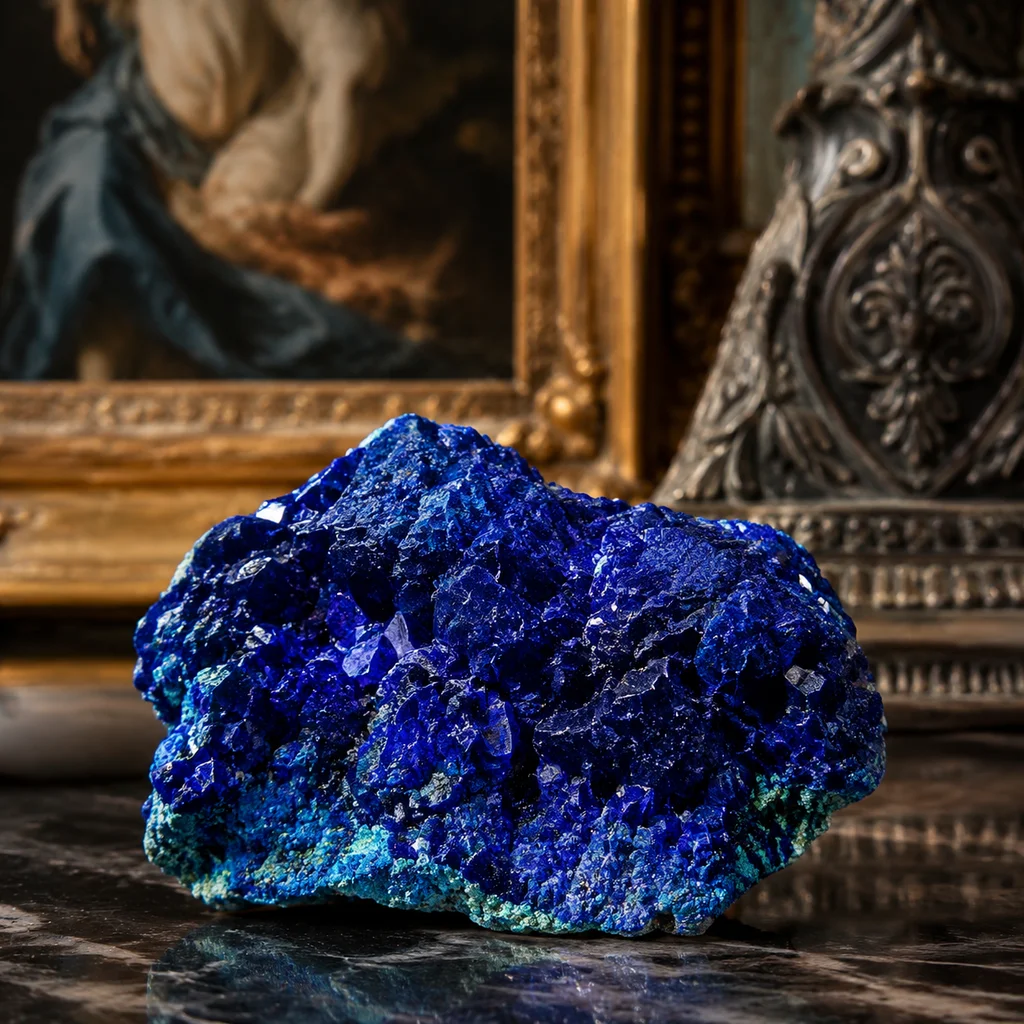
Azurite was the blue pigment behind Renaissance masterpieces before synthetic alternatives existed. Learn its geology, why it turns green, and how to identif...
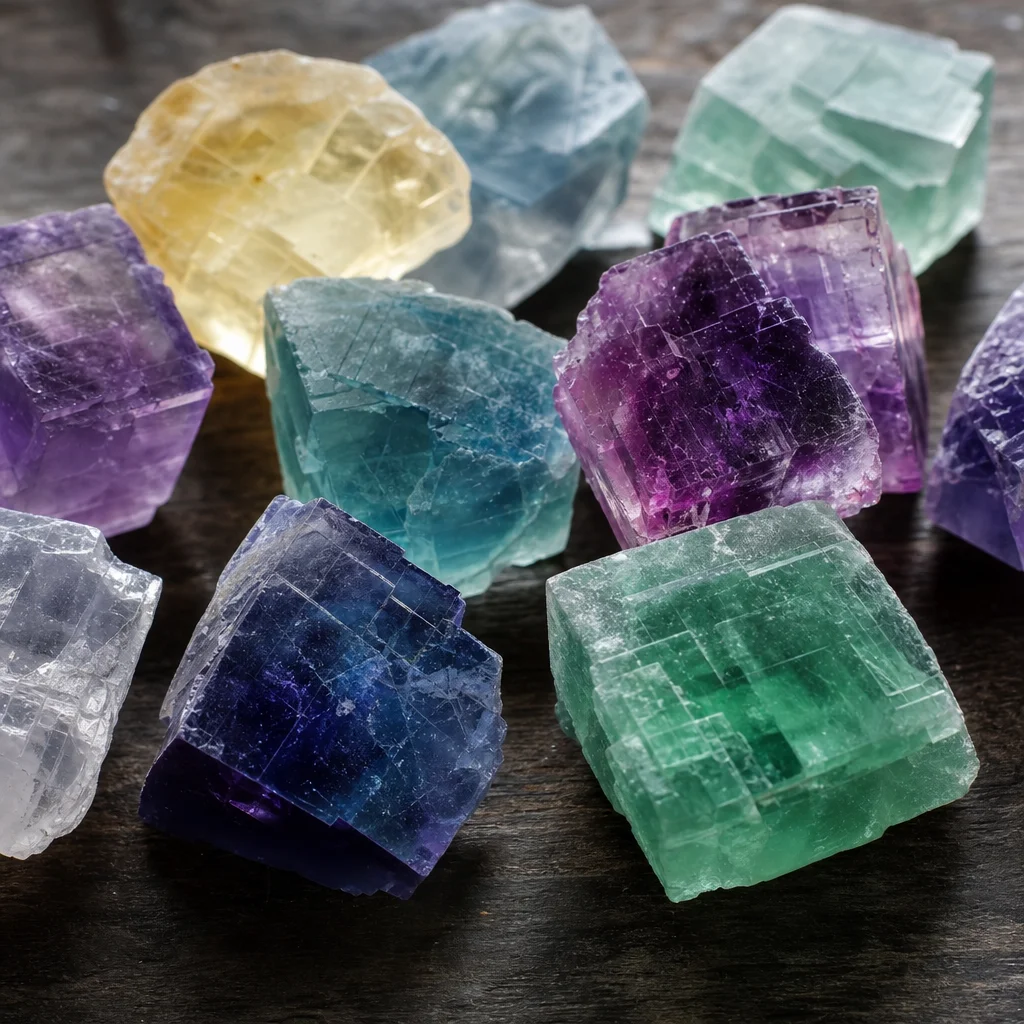
Fluorite CaF2, name from Latin fluere meaning to flow. Colors: purple green blue yellow pink clear brown, rainbow fluorite has multiple colors.
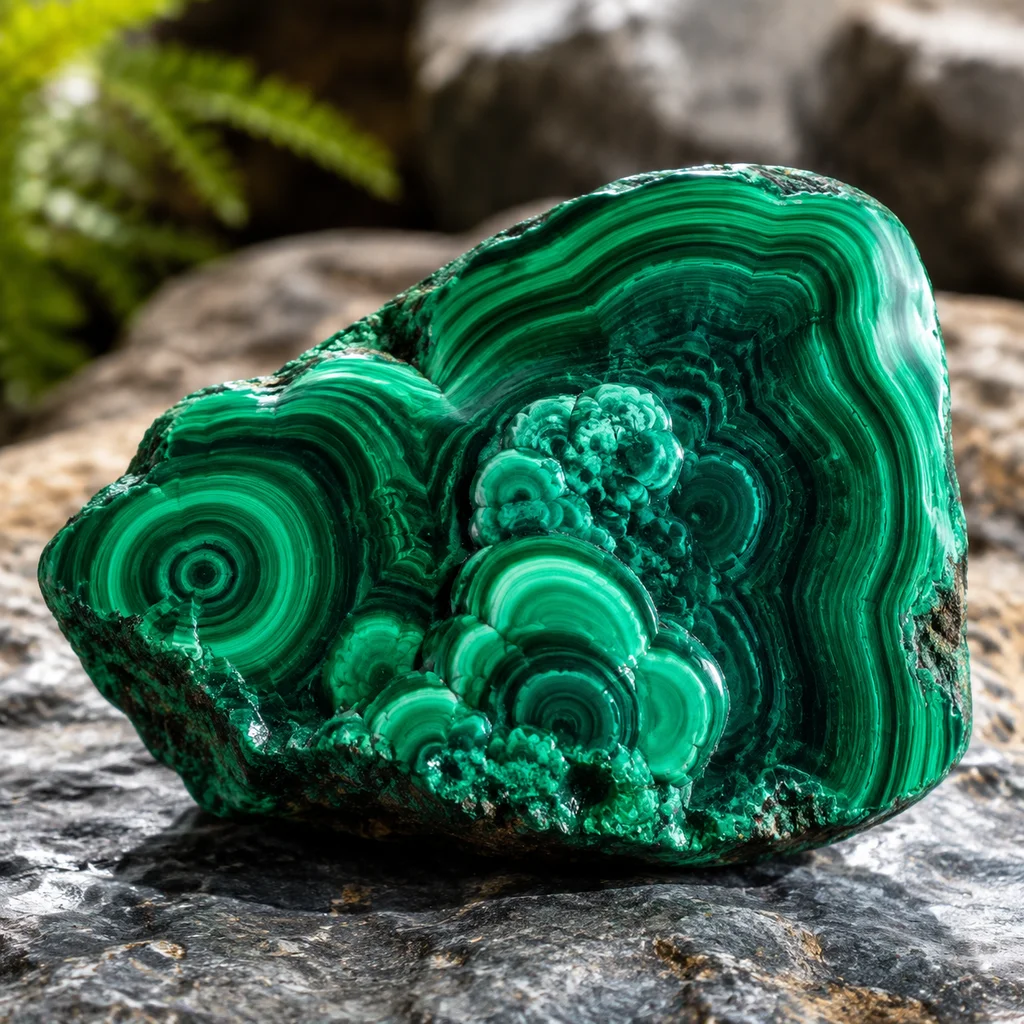
Malachite Cu2CO3(OH)2 copper carbonate, name from Greek malache meaning mallow. Green concentric banding from alternating mineral layers. Mohs 3.
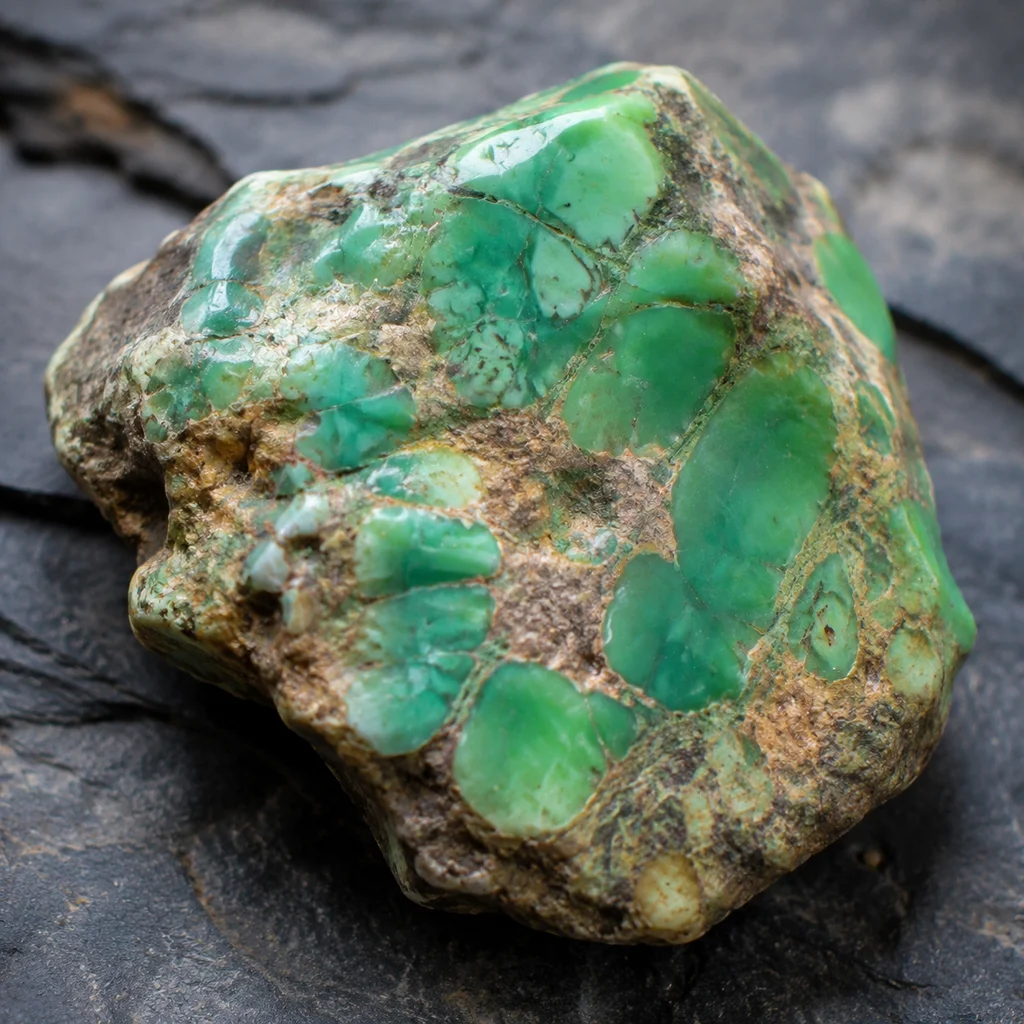
Variscite AlPO4-2H2O discovered 1837 in Bavaria Germany. Green to blue-green with white matrix veining.
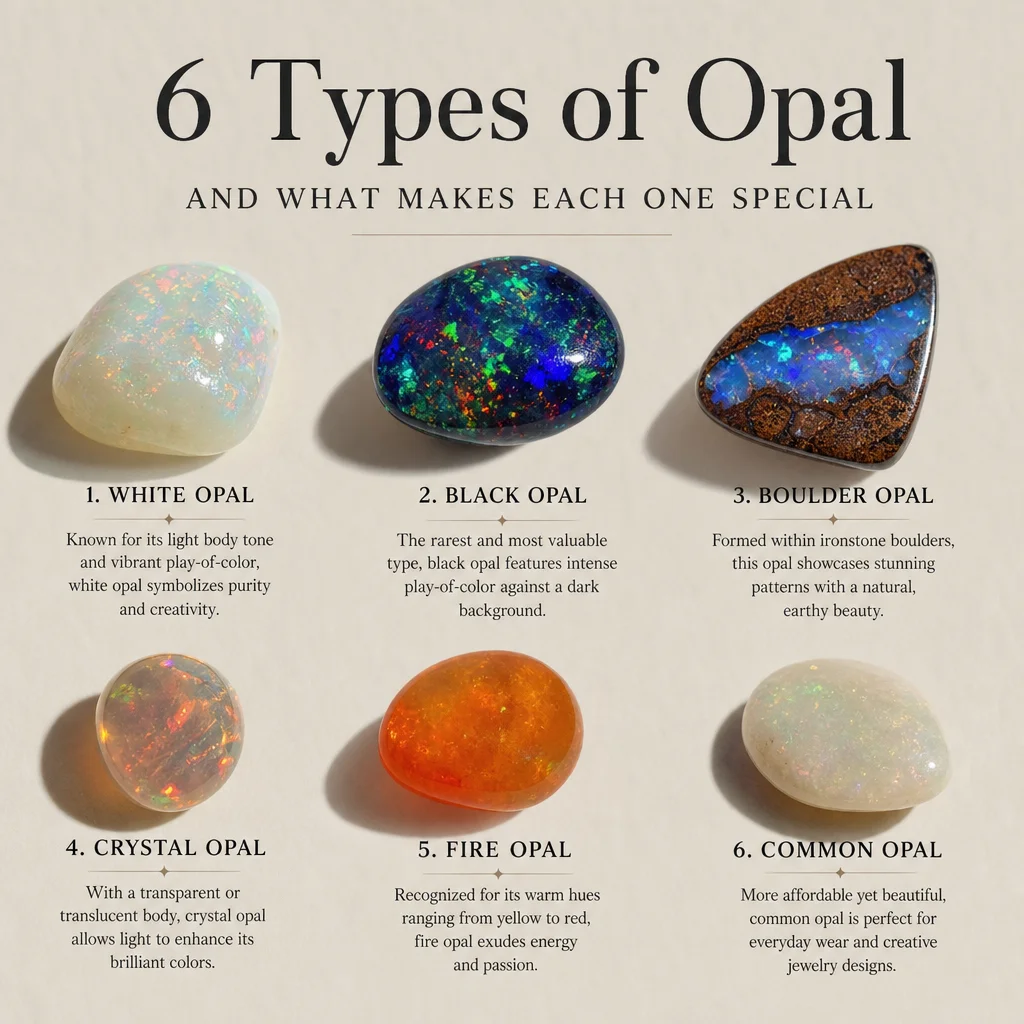
Opal SiO2-nH2O with play of color. Six main types: White opal from Coober Pedy Australia most common, Black opal from Lightning Ridge most valuable, Boulder...
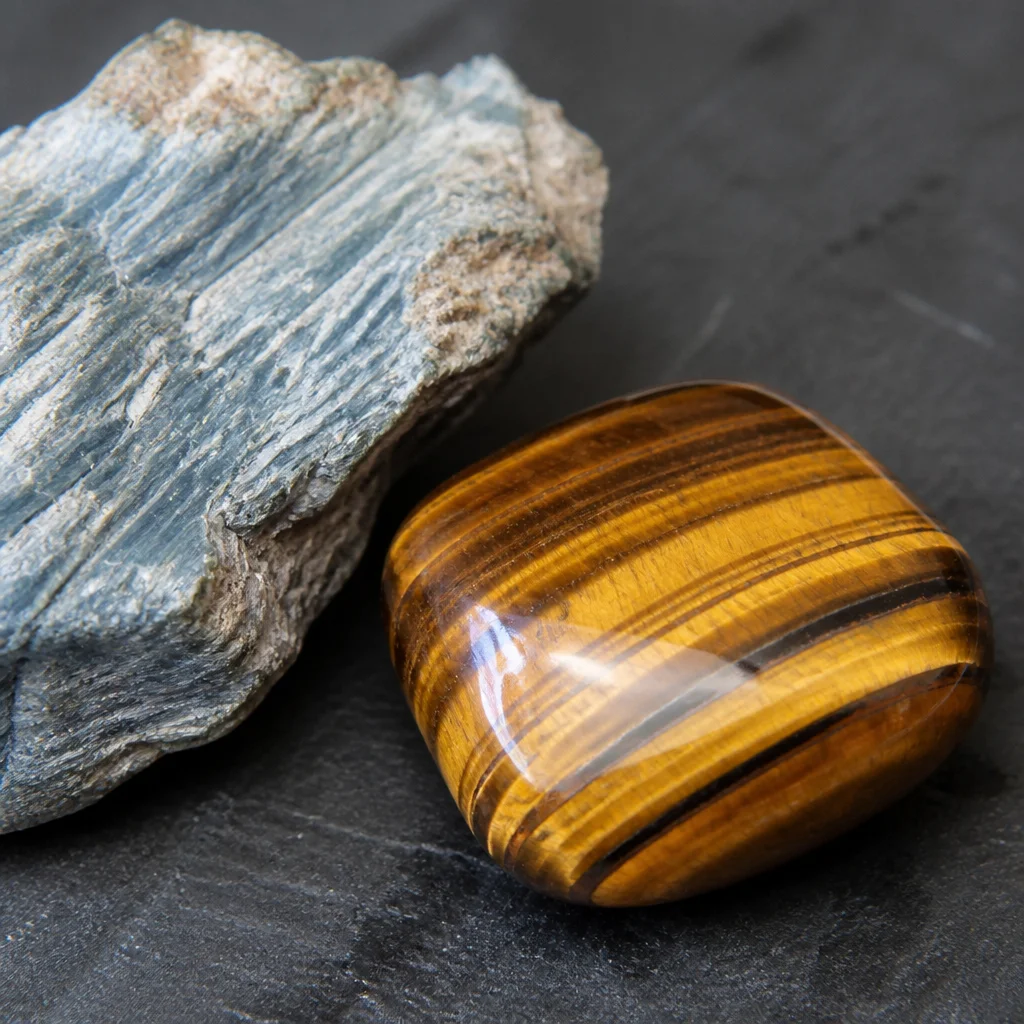
Tiger eye formed when crocidolite blue asbestos fibers were replaced by quartz then iron oxidized to golden.
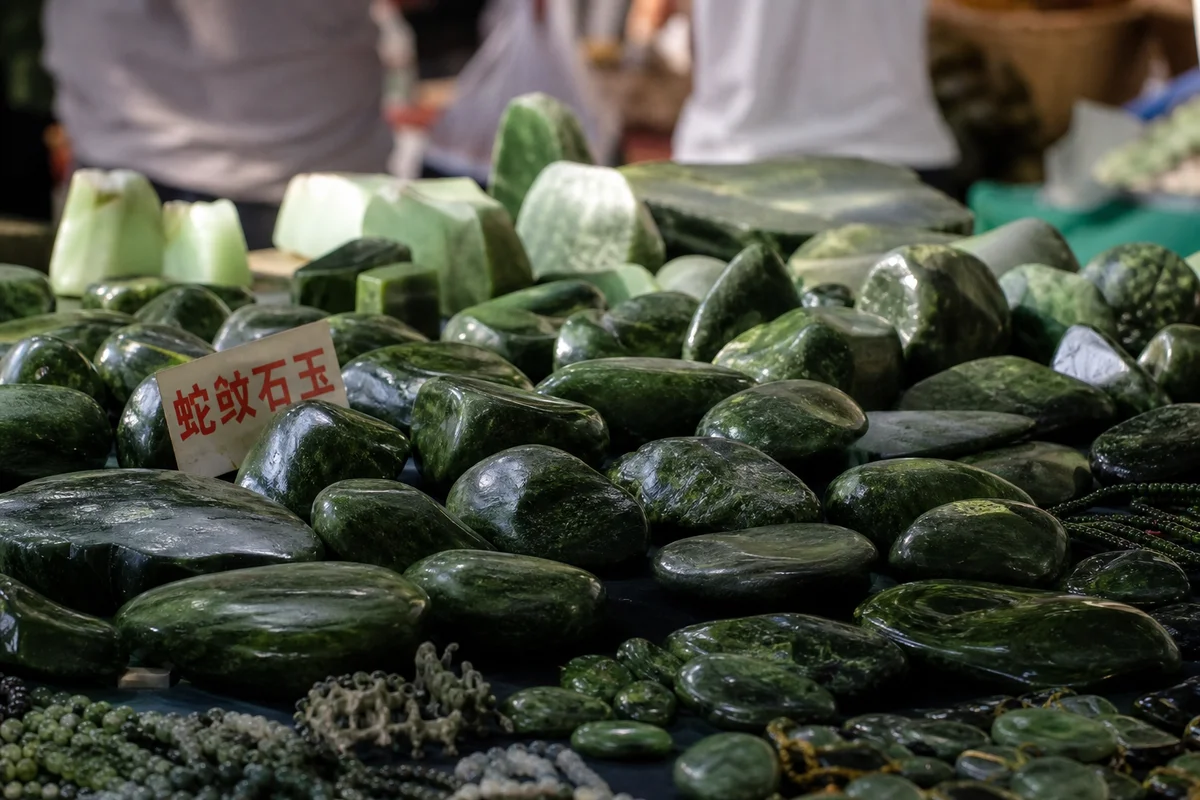
Serpentine Mg3Si2O5(OH)4 mineral group including antigorite chrysotile lizardite. Often sold as fake jade in markets. Test: jade RI 1.60-1.63 vs serpentine 1.
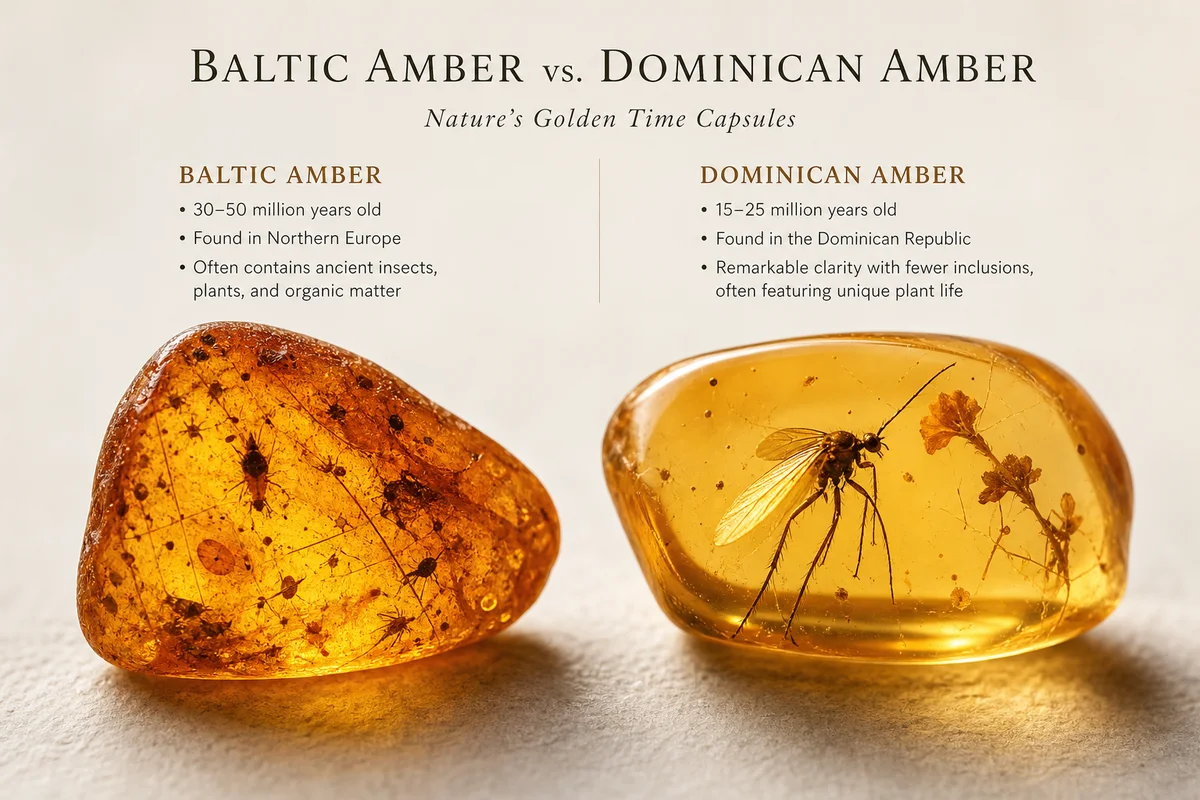
Amber is fossilized tree resin, millions of years old. Baltic amber 40M years from pine trees, yellow to brown.
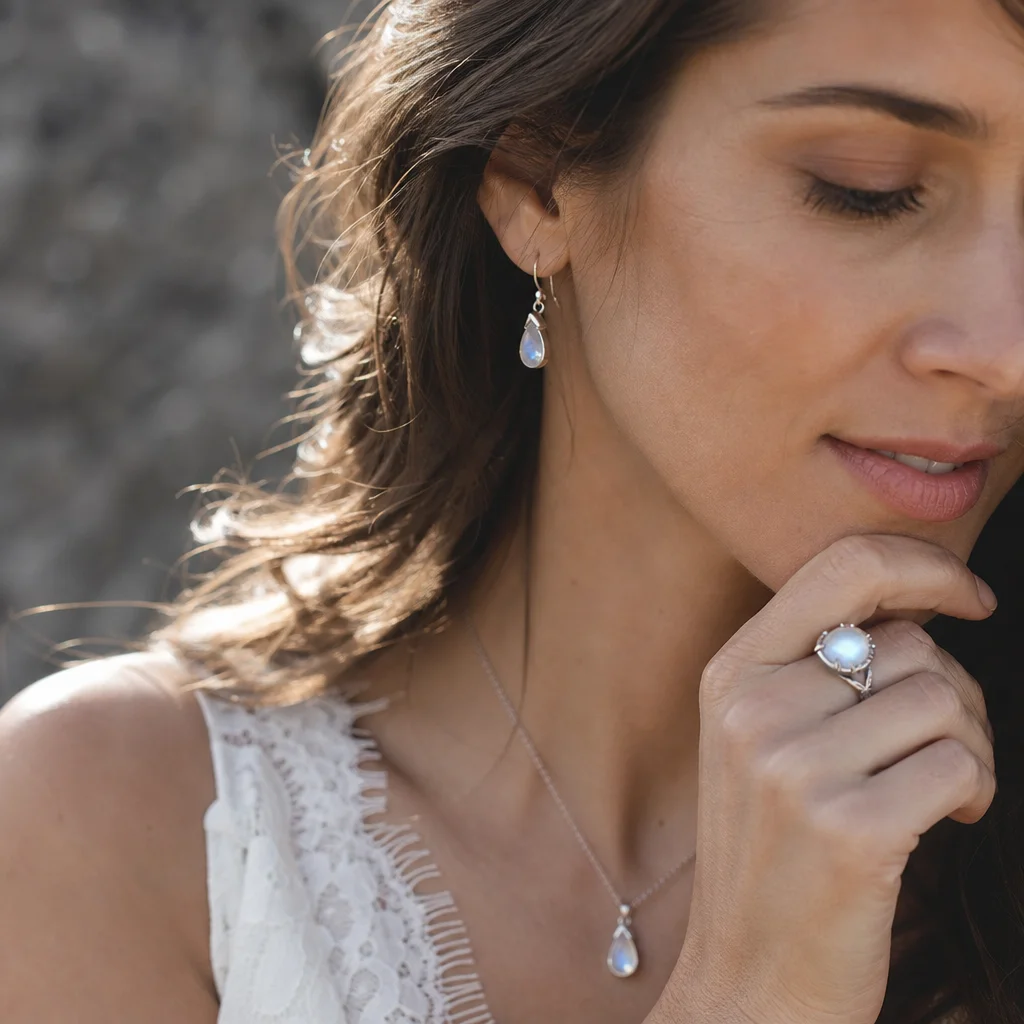
Moonstone is orthoclase feldspar KAlSi3O8 with adularescence from light interference between feldspar layers. Romans believed it was Diana frozen tears.
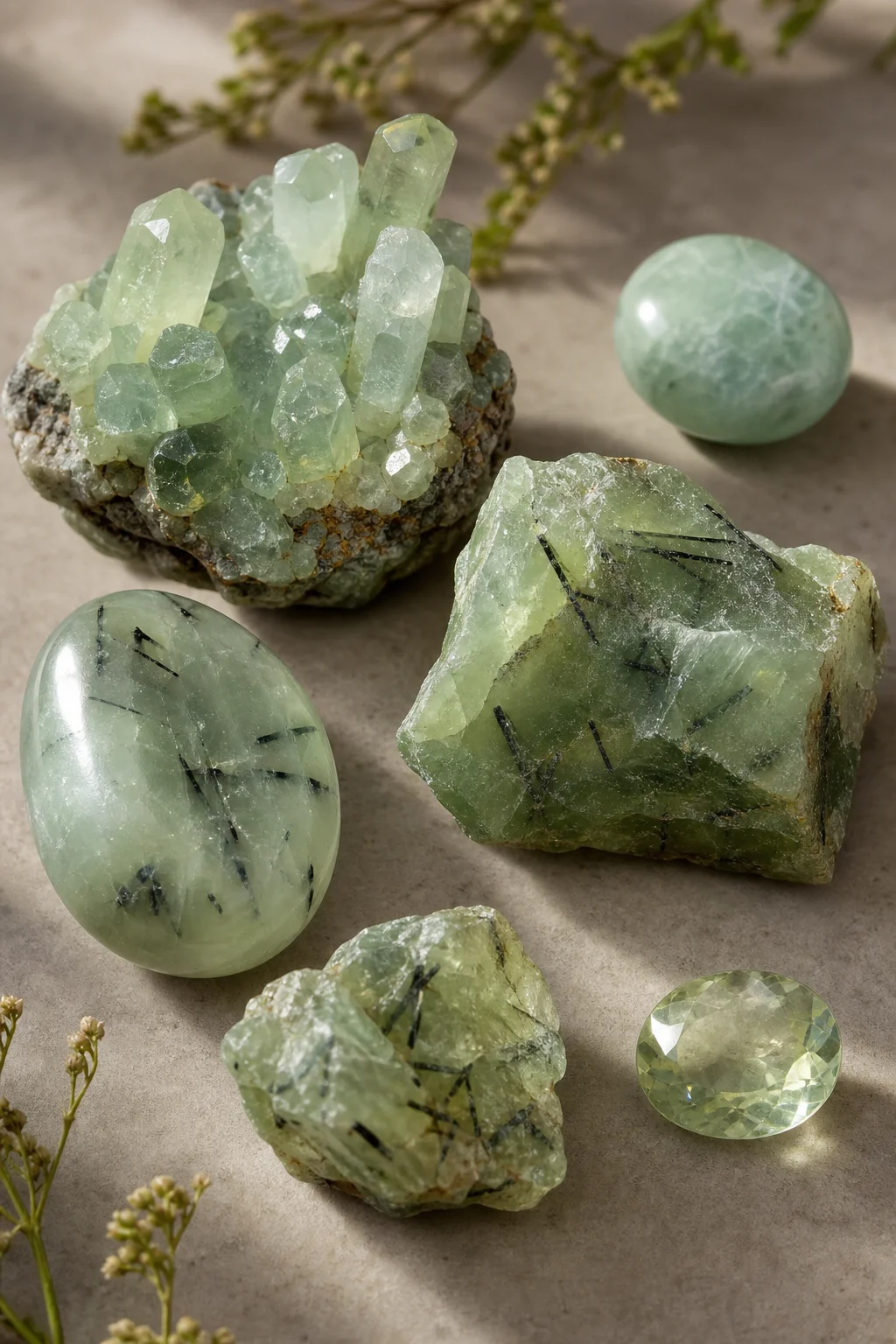
Discover the budget-friendly gem that looks like jade!. Uncover the secrets at our mineral show – it's a must-see!
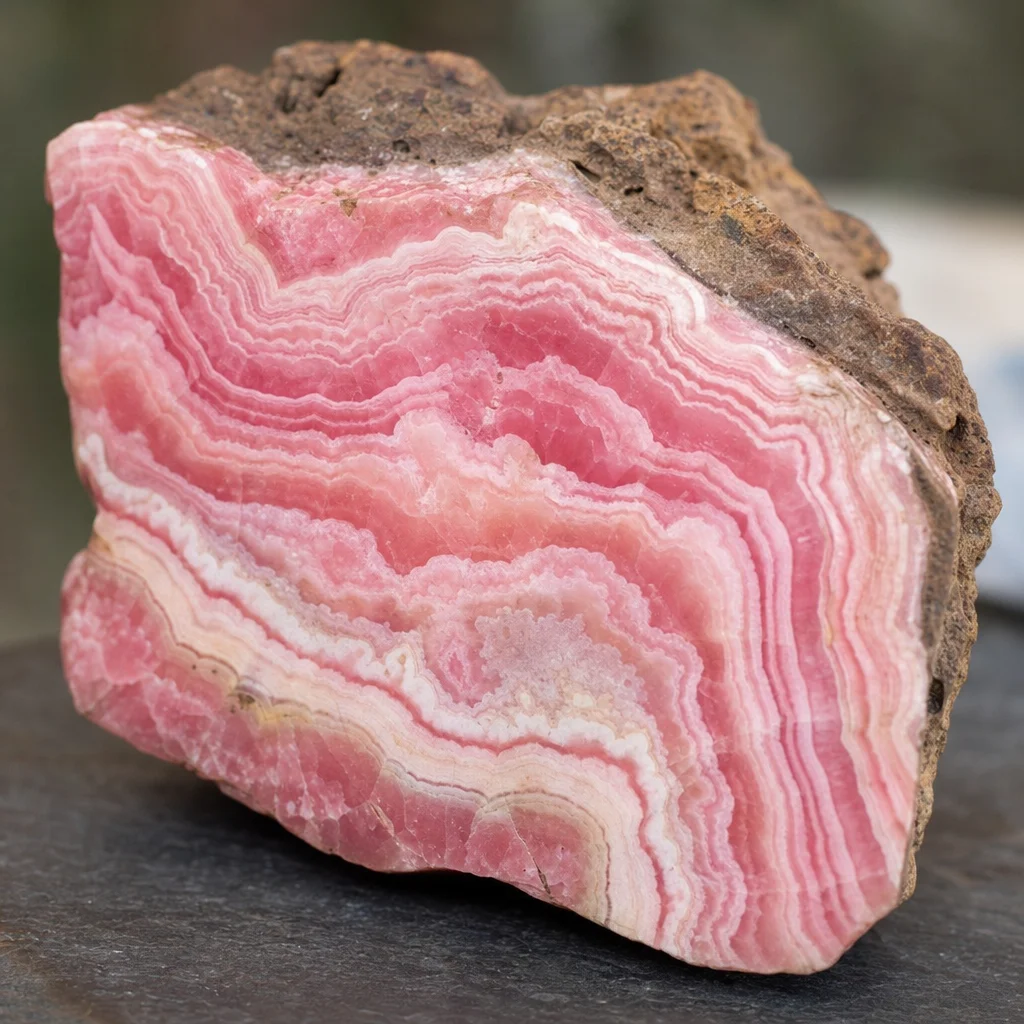
Rhodochrosite MnCO3 named from Greek rhodon meaning rose. Argentina Capillitas mine produces pink and white banded Inca Rose.
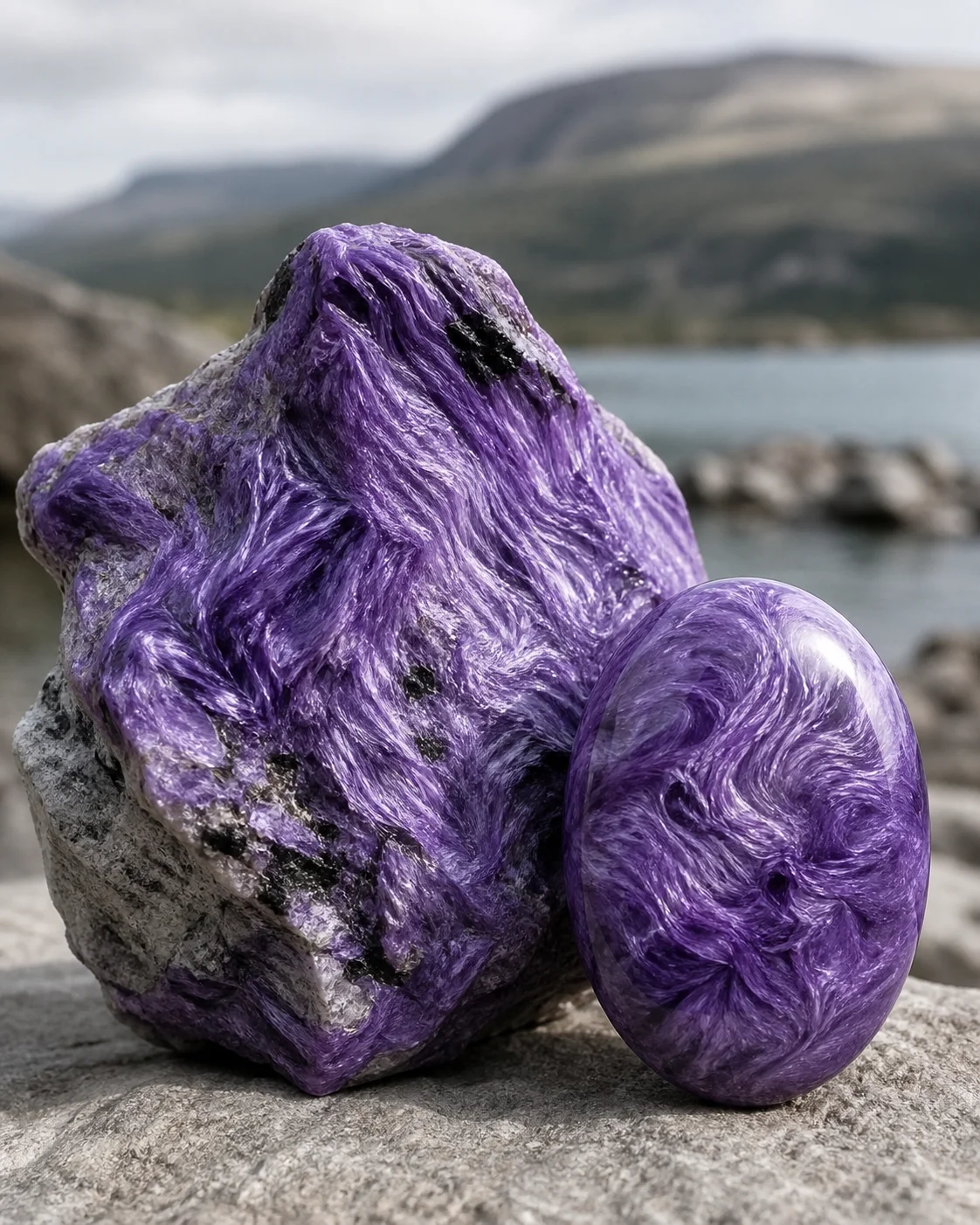
Charoite (K,Na)15(Ca,Na)32Si60O160(OH,F)4 extremely rare. Only one source: Murun Mountains Siberia near Chara River, recognized 1978.