What Is Gold Karat and Why 24K Isn't Always Better
What the karat system actually measures
A karat (or carat, outside the US) tells you how much pure gold is mixed into a piece of jewelry. Pure gold is 24 karats — that's the entire scale. So 18k gold is 18 parts gold and 6 parts something else, which works out to 75% gold. 14k is 58.3%. 10k is 41.7%. The math is simple once you know the formula: divide the karat number by 24.
This system has been around for a very long time. German goldsmiths in the Middle Ages used a similar mark called a "Karat" based on the carob seed, which was (wrongly) believed to have a uniform weight. The modern system is more precise but the idea is identical — it's a ratio, not a quality grade.
Here's the thing most people don't realize: there's no such thing as "better" or "worse" gold purity in the abstract. It depends entirely on what you want the metal to do. A 24k gold ring will look incredible on day one. Six months later, you might not love it as much.
Why 24k gold is rarely used in everyday jewelry
Pure gold is soft. Really soft. So soft you can scratch it with your fingernail. On the Mohs hardness scale, 24k gold sits around 2.5 — about the same as a human fingernail. For comparison, 14k gold is closer to 3.5 to 4, and that small jump makes an enormous practical difference.
In ancient times, this wasn't a huge problem. Gold coins and ceremonial objects didn't need to survive daily wear against desk edges, door handles, and keys. But modern jewelry, especially rings and bracelets, takes a beating. A 24k gold ring will develop deep scratches, lose its shape if you grip something hard, and the prongs holding a gemstone will bend far too easily.
I've seen 24k wedding bands that looked like they'd been through a blender after just a year of daily wear. The owners loved the warm color, but the maintenance was constant. One jeweler told me he charges nearly double for polishing and reshaping 24k pieces compared to 14k, simply because the metal deforms faster.
There's also the color issue. Pure gold is a deep, warm yellow that some people find too intense. It can look almost orange in certain lighting. Lower karats shift toward a paler, more subdued yellow that many people actually prefer for everyday wear. 14k gold has a brightness that reads well under office lighting, while 24k can appear dark or muddy in the same environment.
Think about what your hands do in a single day. You type on a keyboard. You grip a steering wheel. You open doors, carry groceries, shake hands, wash dishes. Every one of those actions puts microscopic pressure on a ring. Over thousands of repetitions, that pressure adds up. 14k gold handles this without complaint. 24k gold remembers every single impact.
The sweet spot: 14k and 18k gold
In the US, 14k gold is the default for most fine jewelry, and for good reason. It's hard enough to hold gemstones securely, resist daily scratching, and maintain its shape for decades. The 41.7% alloy content (typically copper, silver, zinc, and sometimes nickel) gives it structural strength that pure gold simply doesn't have.
14k is also significantly cheaper per gram than 18k or 24k. As of early 2026, the price difference between 14k and 18k is roughly 25-30%. That's real money on a larger piece like a heavy chain or an engagement ring mounting. A $1,500 engagement ring in 14k might cost $1,900-$2,000 in 18k for the same design and weight.
18k gold (75% pure) is where you start to see a meaningful color difference. It's noticeably richer and warmer than 14k. In Europe and Asia, 18k is the standard for fine jewelry, while 14k is sometimes viewed as slightly lower-end. This is partly cultural and partly practical — European jewelry traditions tend to favor higher purity, and the difference in wear resistance between 14k and 18k is smaller than between 18k and 24k.
If you want my honest take: 14k is the pragmatic choice for anything you'll wear daily. 18k is worth the upgrade if you care about color depth and the piece won't see rough use. 24k is a bad idea for rings but fine for earrings, necklaces, and pendants that don't get knocked around. The cost difference between 14k and 18k is real but manageable for most buyers. The durability difference between 18k and 24k is the one that actually matters.
What's in the other percentage?
The alloys mixed with gold matter more than most people think. Different alloys produce different colors, different hardness levels, and different skin compatibility.
Yellow gold uses copper, silver, and sometimes zinc. The ratio of copper to silver determines whether the yellow is warm (more copper) or cool (more silver). A typical 14k yellow gold alloy might be 58.3% gold, 30% silver, and 11.7% copper, though exact recipes vary by manufacturer.
Rose gold gets its pinkish hue from a higher copper content — usually around 20-25% of the total alloy mix. The exact shade varies between manufacturers, which is why two "rose gold" rings from different sources can look quite different. More copper means a deeper pink. Less copper means something closer to a pale blush. Rose gold has become enormously popular in the last decade, but it does tarnish slightly faster than yellow gold because of the higher copper content.
White gold is where it gets complicated. Traditional white gold uses nickel as the primary whitening agent. Nickel-white gold has a slightly grayish cast and is harder than palladium-white gold. Palladium is more expensive but produces a whiter color and avoids the nickel allergy issue entirely. Most modern white gold also gets a thin rhodium plating on top to make it look bright white, which wears off over time and needs re-plating every 1-3 years. This is a recurring cost that buyers often don't anticipate.
If you have sensitive skin, ask specifically about the alloy composition. A "14k white gold" ring could have nickel in it, and that's the single most common cause of jewelry-related skin reactions.
Gold karat around the world
Karat preferences vary dramatically by region, and understanding these differences helps explain why jewelry from different countries looks and feels different.
In India, 22k gold is the cultural standard for wedding jewelry and investment pieces. Indian bridal sets can weigh 50-100 grams or more, and the high purity is tied to both tradition and the gold's role as a store of wealth. 22k is 91.6% pure — strong enough for thick chains and bangles, but still too soft for thin ring prongs. When Indian jewelers set stones in 22k gold, they often reinforce the prongs with additional metal or use heavier settings to compensate for the softness.
China and the Middle East also favor high-karat gold, with 22k and even 24k pieces being common. Walking into a gold souk in Dubai, you'll see enormous 21k and 22k pieces that would be impractical in a Western context but are prized for their purity and cultural significance.
In contrast, the US market is firmly 14k-dominant for everyday jewelry, with 18k reserved for premium pieces. The UK splits the difference — 9k is common for affordable jewelry, 18k for fine pieces. Japan uses 18k as the standard for fine jewelry, similar to continental Europe.
These regional differences aren't about one country being "right" and another being "wrong." They reflect different relationships with gold: investment versus adornment, tradition versus practicality, cultural significance versus everyday wearability.
Karat vs. carat: don't mix them up
Quick note because this confuses people constantly. "Karat" (with a K, abbreviated "k") measures gold purity. "Carat" (with a C, abbreviated "ct") measures the weight of gemstones. One carat equals 200 milligrams. They sound identical and even share the same historical root, but they measure completely different things.
A 1-carat diamond set in 14-karat gold. Both terms in one sentence, both meanings different. Got it? Good.
10k gold: underrated or just cheap?
10k gold gets a bad reputation, some of it deserved, some of it not. At 41.7% gold, it's the lowest karat that can legally be sold as "gold" in the US. The color is noticeably paler than 14k — some people describe it as having a greenish or brassy undertone, especially in white gold. It's harder and more durable than 14k, which is actually an advantage for rings and bracelets.
The price difference is significant. 10k gold jewelry typically costs 30-40% less than equivalent 14k pieces. For someone on a tight budget who still wants real gold rather than gold-filled or plated alternatives, 10k is a legitimate option. It won't look as rich, but it'll hold up well and it's still real gold.
Where 10k falls short is in color and resale value. The paler color is less appealing to most buyers, and the lower gold content means less melt value. If you're buying with long-term value in mind, 14k is a better investment. But for a piece you plan to wear until it wears out, 10k is perfectly functional.
Practical advice for choosing gold karat
If you're shopping for everyday jewelry — a ring, a bracelet, something you'll wear while typing, cooking, and living — 14k gold is almost certainly the right call. It's durable, affordable, and comes in every color. The color is slightly less intense than 18k, but most people don't notice unless they're comparing two pieces side by side.
For earrings, pendants, and pieces that don't take much physical contact, 18k or even 22k makes more sense. You get the richer color and higher gold content without the durability penalty, because the piece simply doesn't encounter enough friction to deform.
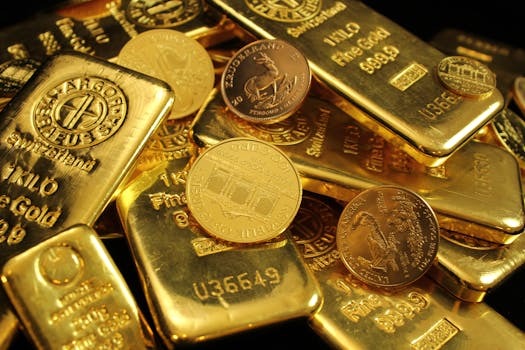
For investment gold, buy 24k coins or bars. Jewelry is a terrible investment vehicle compared to bullion — you're paying for craftsmanship, retail markup, and brand premium. A 24k gold bar worth $2,000 in melt value will cost you $2,000. A 24k gold necklace worth $2,000 in melt value will cost you $3,500-$5,000 at retail. The math isn't complicated.
And if someone tries to sell you a 24k diamond ring, run. The prongs won't hold. The band will bend. The stone will fall out. It's not a matter of "if" — it's "when."
The bottom line
Higher karat means more gold and richer color. Lower karat means more durability and lower cost. Neither is universally better. Pick based on what the piece needs to do, not what sounds most impressive. A well-made 14k ring that lasts 30 years is more valuable than a 24k ring that needs constant repair after one year. Sometimes less really is more.
Comments