<h2>Ultrasonic Jewelry Cleaner vs Hand Cleaning: Which Is Better?</h2>
How Ultrasonic Jewelry Cleaners Actually Work
An ultrasonic jewelry cleaner uses high-frequency sound waves, typically around 40 kHz, to create tiny bubbles in a liquid cleaning solution. When these bubbles collapse, they produce microscopic shock waves that dislodge dirt, oils, and residue from the surface and crevices of jewelry. The process is called cavitation, and it happens thousands of times per second inside the tank. The result is that grime gets blasted out of places that a brush or cloth cannot reach, like underneath a diamond setting, inside the links of a chain, or between the prongs of a ring.
The cleaning solution matters. Plain water works for basic cleaning, but adding a few drops of dish soap or a dedicated jewelry cleaning solution improves the results. Some people add a small amount of ammonia for gold and platinum jewelry, which helps cut through stubborn grease. Never add ammonia if you are cleaning silver, as it can damage the surface.
A typical cleaning cycle runs 3 to 5 minutes. Most home ultrasonic cleaners cost between $25 and $80. Higher-priced models sometimes offer adjustable frequency, heating functions, or larger tanks, but the basic cleaning mechanism is the same across all of them. The technology is straightforward and has been used in jewelry workshops and dental offices for decades.
What Can Safely Go in an Ultrasonic Cleaner
The short list of stones that handle ultrasonic cleaning well includes diamonds, sapphires, rubies, and moissanite. These are all hard stones on the Mohs scale, rating 8 or above. The general rule is that if a gemstone has a Mohs hardness of 8 or higher and is not treated with fillers, oils, or resins, it can probably survive the ultrasonic process. Gold, platinum, and most hard metals are fine in ultrasonic cleaners. Stainless steel is also safe.
The key factor is structural integrity. A solid diamond with no internal fractures will be fine. A diamond with significant inclusions or feathers might be at risk, because the microscopic shock waves from cavitation can, in rare cases, travel along existing fracture lines and cause them to expand. This is uncommon but documented in gemological literature. If you have an especially valuable or fragile piece, have a jeweler inspect it before using an ultrasonic cleaner.
What Should Never Go in an Ultrasonic Cleaner
This list is longer than the safe list, and it matters. Getting it wrong can ruin a piece of jewelry permanently.
Pearls, turquoise, opal, and coral are the most obvious items to keep out. These are soft, porous, or structurally sensitive stones that can crack, discolor, or lose their polish in an ultrasonic cleaner. Pearls are organic, made of layered nacre, and the vibrations can damage those layers. Turquoise is porous and can absorb cleaning solution, which changes its color. Opals contain water, and the heat generated by some ultrasonic cleaners can cause internal cracking known as "crazing."
Emeralds are a special case. Most emeralds on the market have been treated with oils or resins to fill surface-reaching fractures, a practice that is standard and accepted in the trade. Ultrasonic cleaning strips these filler materials out, leaving the fractures exposed and the stone looking dull or cloudy. An emerald that goes in an ultrasonic cleaner may come out looking worse than when it went in. Treated emeralds should only be cleaned by hand.
Tanzanite, kunzite, and other relatively soft stones (Mohs 6 to 7) are riskier bets. They can survive occasional ultrasonic cleaning, but the cumulative effect of repeated exposure weakens them over time. Jewelry with glued-in stones, such as some costume jewelry or pieces with assembled settings, should never go in an ultrasonic cleaner because the vibrations can weaken or dissolve the adhesive.
Antique jewelry is another category to handle with caution. Older pieces may have hidden damage, loose stones, degraded prongs, or solder joints that have weakened over time. The aggressive cleaning action of an ultrasonic cleaner can reveal or worsen these problems. If you are not sure whether a piece is antique or has fragile components, hand cleaning is the safe choice.
How Hand Cleaning Works (and When It Beats Ultrasonic)
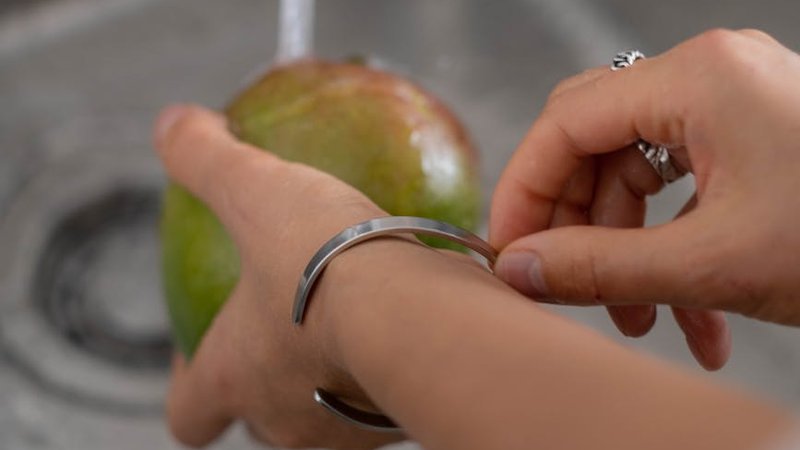
Hand cleaning is the least glamorous method but the most versatile. The basic process involves warm water, a mild soap, a soft toothbrush, and a lint-free cloth. You soak the jewelry for a few minutes in warm soapy water, gently scrub with the toothbrush, rinse under running water, and dry with the cloth. The whole process takes about five minutes per piece.
Three common hand-cleaning solutions compared:
Warm water and dish soap: The cheapest and most widely recommended option. A few drops of mild dish soap in a bowl of warm water cuts through everyday oils and lotions. This works well for gold, silver, platinum, and most hard gemstones. It is gentle enough for pearls and opals if you skip the soaking and just wipe with a soapy cloth.
Commercial jewelry cleaning solutions: Products like Connoisseurs, Hagerty, and similar brands cost $5 to $15 and come with dipping baskets and brushes. They work faster than soap and water for basic grime removal. Some formulations are designed for specific metals. Read the label, because not all commercial cleaners are safe for all jewelry types. Ammonia-based cleaners should not be used on silver or porous stones.
Baking soda paste: A mix of baking soda and water forms a mild abrasive paste that can tackle tarnish on silver. Apply the paste with a soft cloth, rub gently, rinse, and dry. This method is effective for silver but too abrasive for plated jewelry, pearls, or any piece with a soft stone. Use it sparingly, because even mild abrasives can create micro-scratches on metal surfaces over time.
Hand cleaning has one clear advantage over ultrasonic: you can see what you are doing. If a prong is loose or a stone is chipped, you will notice it while cleaning by hand. An ultrasonic cleaner hides these problems until it is too late.
Cost Comparison
A home ultrasonic cleaner is a one-time purchase of $25 to $80, depending on the brand and features. It uses water and a small amount of soap or cleaning solution per cycle, so the ongoing cost is negligible. Professional ultrasonic cleaning at a jeweler typically costs $30 to $80 per visit, depending on the piece and the jeweler. Some jewelry stores offer free cleaning for pieces they sold, which is worth asking about.
Hand cleaning supplies cost almost nothing. A bottle of dish soap, a soft toothbrush, and a microfiber cloth total less than $10 and last for months. There is no equipment to buy, store, or maintain.
If you own mostly hard gemstones in gold or platinum settings and clean your jewelry regularly, a home ultrasonic cleaner pays for itself after a few uses compared to professional cleaning. If your collection includes a mix of stones and materials, or if you only clean occasionally, hand cleaning is the more practical and economical choice.
How Often Should You Clean Your Jewelry?
Daily wear jewelry, like engagement rings and wedding bands, accumulates oils from your skin, residue from lotions and sunscreen, and general grime from everyday life. Hand cleaning once a week keeps these pieces looking their best. An ultrasonic cleaning once a week or every two weeks provides a deeper clean for pieces that can handle it.
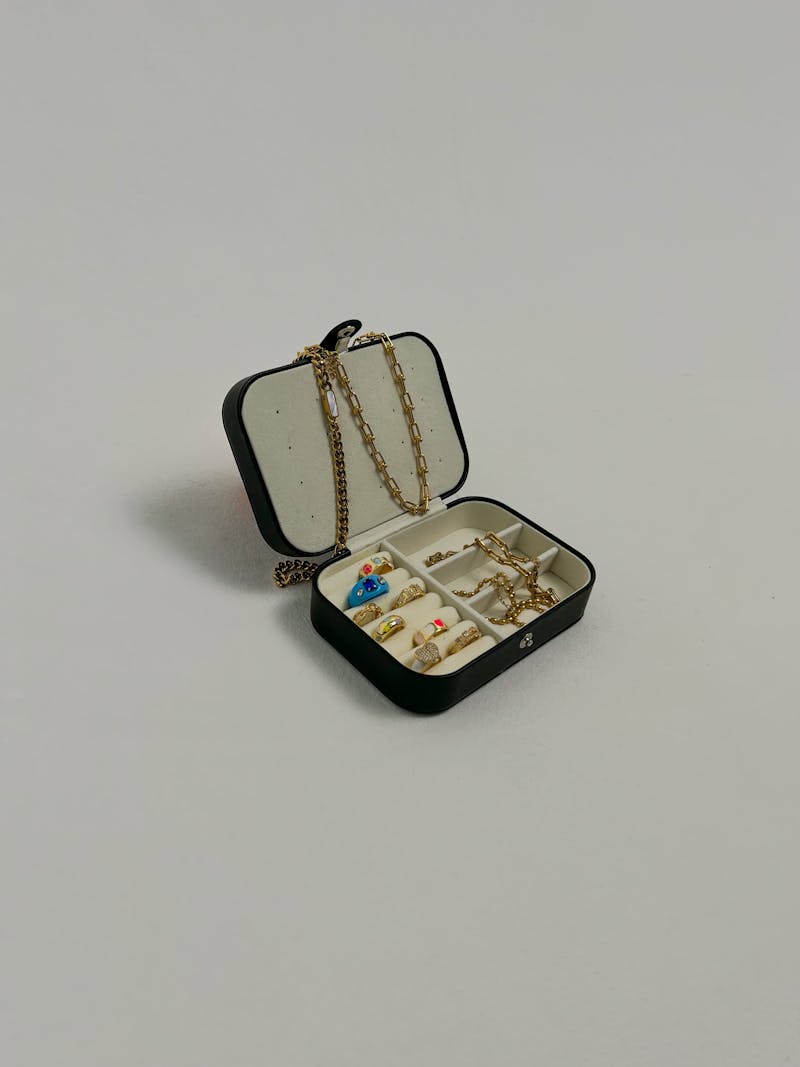
Jewelry worn occasionally can be cleaned after each use or once a month, depending on how much it has been exposed to sweat, perfume, or other contaminants. Seasonal cleaning before storage is a good habit, because dirt left on jewelry for months can cause tarnishing or, in extreme cases, skin irritation when you wear it again.
White gold and platinum jewelry benefits from more frequent cleaning because these metals show dirt more readily than yellow gold. Silver jewelry tarnishes through a chemical reaction with sulfur in the air, so regular cleaning and proper storage in a sealed bag or box helps slow that process.
The Verdict
Neither method is universally better. Ultrasonic cleaning is faster, more thorough for intricate pieces, and excellent for hard stones in solid metal settings. Hand cleaning is safer, cheaper, and works for absolutely everything. The practical answer for most people is to use both. Hand clean your jewelry regularly to stay on top of everyday grime, and use an ultrasonic cleaner occasionally for a deeper clean on the pieces that can handle it. If you only want to bother with one method, make it hand cleaning. It is slower, but it never damages anything.
Comments