Types of Jewelry Clasps Explained
Every Jewelry Clasp Type You'll Actually Encounter (And When Each One Matters)
Jewelry clasps are one of those components that most people never think about — until one fails and a favorite bracelet or necklace disappears. I've lost pieces to broken clasps more times than I'd like to admit, and each loss taught me something about what separates a reliable clasp from a flimsy one. This list covers the clasp types you'll actually find on real jewelry, with practical details about when each one works well and when to look for something else.
Lobster Clasp
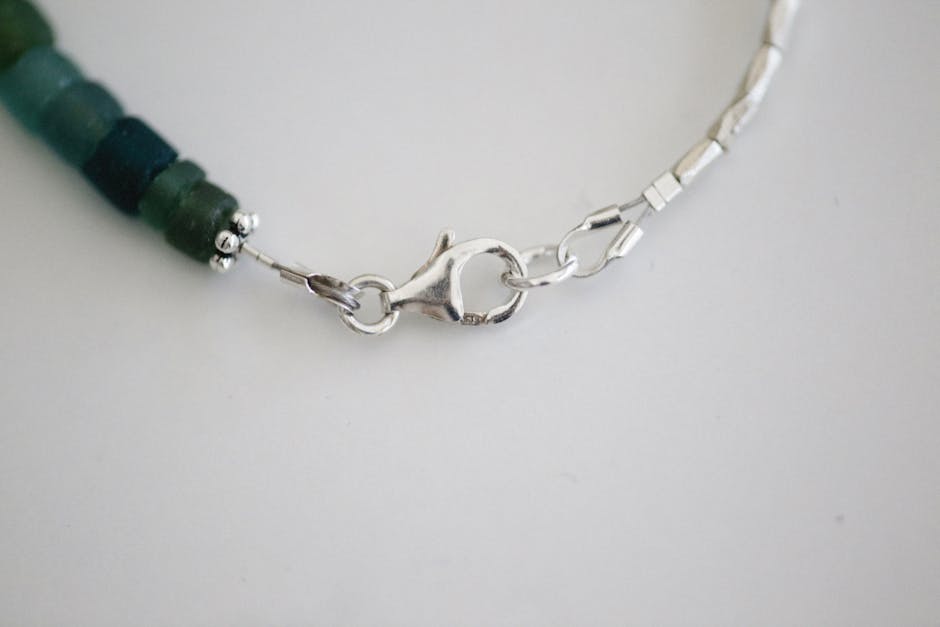
The lobster clasp — technically called a "lobster claw" — is the most widely used clasp in modern jewelry. It features a small spring-loaded lever that you pull back to open the clasp, then release to close it around a jump ring or chain end. The name comes from its vaguely claw-like shape.
Where you'll find it: Necklaces, bracelets, anklets, and some watch bands. It's the default clasp on the vast majority of commercial jewelry sold today.
Why it's popular: It's secure, relatively easy to operate one-handed (with practice), inexpensive to manufacture, and available in a wide range of sizes and metal qualities. A properly functioning lobster clasp takes deliberate pressure to open, which means it won't accidentally release during normal wear.
Common sizes: Mini lobster clasps (under 10mm) are used on lightweight necklaces and bracelets. Standard lobster clasps (10-15mm) work for most everyday jewelry. Oversized lobster clasps (15mm+) are used on heavier pieces like men's chains and statement necklaces.
Potential issues: The spring mechanism can weaken over time, especially on cheaper clasps where the internal spring is thin. If a lobster clasp starts opening too easily or doesn't snap shut firmly, it's time to replace it. Also, people with limited hand dexterity or arthritis may find lobster clasps difficult to operate — the small lever requires pinch strength.
Spring Ring Clasp
The spring ring clasp is a hollow circular clasp with a small spring-loaded tab that you pull back to create an opening. When released, a tiny spring inside pushes the tab closed. It's been used in jewelry since the early 20th century and remains common on lighter pieces.
Where you'll find it: Lightweight necklaces, fine chains, charm bracelets, and vintage jewelry. Less common on modern pieces than lobster clasps, but still widely available.
Strengths: When well-made, spring rings are quite secure and have a clean, minimal appearance that's less visually intrusive than a lobster clasp. The round shape blends in better with fine chains and delicate designs.
Weaknesses: The small tab is harder to grip than a lobster clasp lever, especially on the smallest sizes. People with longer fingernails or limited dexterity often struggle with spring rings. The hollow construction means they're more prone to deformation if crushed or caught on something. In my experience, spring rings fail more often than lobster clasps under the same wear conditions — the internal spring is smaller and more delicate.
Toggle Clasp
A toggle clasp consists of two parts: a bar (sometimes called a "T-bar") and a circular or oval ring. You insert the bar through the ring at an angle, then let it fall flat so it can't slip back out. It's one of the oldest clasp designs and has a distinctive, decorative look.
Where you'll find it: Bracelets (especially chunky or statement bracelets), necklaces with substantial chains, and artisan jewelry. Toggles are popular with jewelry makers because the bar end often doubles as a decorative element.
Strengths: Easy to operate — no tiny levers or springs to deal with. You can put on a toggle bracelet one-handed with minimal practice. The mechanism is purely mechanical (no springs to fail), so it's inherently durable. Toggle clasps also tend to look more intentional and designed than the purely functional lobster or spring ring.
Weaknesses: Security depends entirely on size ratio. If the bar is too small relative to the ring, it can slip out during wear. A well-designed toggle has a bar that's significantly longer than the ring's diameter so it can't pass through at any angle. Poorly designed toggles (where the bar barely clears the ring) will fail under normal movement. Toggle clasps also add visual bulk, which isn't ideal for delicate designs.
Magnetic Clasp
Magnetic clasps use small magnets embedded in each end of the jewelry to hold the piece closed. When you bring the two ends near each other, the magnets snap together. To open, you pull the ends apart with a firm tug.
Where you'll find it: Bracelets (especially for people with dexterity issues), necklaces, and some watch bands. Magnetic clasps are increasingly common in adaptive jewelry designed for elderly customers or people with conditions like arthritis, Parkinson's, or carpal tunnel syndrome.
Strengths: The easiest clasp to operate, period. No pinching, no small mechanisms, no dexterity required. If you can bring two ends together and pull them apart, you can use a magnetic clasp. This accessibility factor is genuinely valuable — many people who've given up wearing jewelry because they can't manage clasps can wear magnetic pieces comfortably.
Weaknesses: Less secure than mechanical clasps. A strong tug on the jewelry (catching on a door handle, a grabby child, or even a seatbelt) can pull the magnets apart. The magnetic strength varies widely between manufacturers — cheap magnetic clasps barely hold, while high-quality ones with neodymium magnets are quite strong. Magnetic clasps also shouldn't be worn by people with pacemakers or other implanted medical devices, as the magnets can interfere with these devices.
Box Clasp
Box clasps consist of a small rectangular or square box on one end and a metal tab (often with a small notch) on the other. You push the tab into the box, where a spring mechanism inside catches the notch and holds it closed. A small lever on the side of the box releases the mechanism.
Where you'll find it: Higher-end necklaces, pearl strands, vintage jewelry, and multi-strand pieces. Box clasps are less common on everyday fashion jewelry but are standard on fine jewelry and pearl necklaces.
Strengths: Very secure when properly made. The box mechanism provides a clean, finished look with no visible hardware on the outside of the jewelry. Multi-strand box clasps can hold 2-4 strands simultaneously, which is essential for multi-strand pearl necklaces and layered bracelet designs.
Weaknesses: The release mechanism can be small and difficult to find, especially on older or vintage pieces. Box clasps with side levers require more finger precision than lobster clasps. They're also more expensive to manufacture than simpler clasp types, which is why they're less common on budget jewelry.
Hook Clasp (S-Hook and Lobster Hook)
Hook clasps are among the simplest jewelry fasteners — literally a hook that catches onto a ring or chain link. The S-hook is shaped like the letter S and hooks onto a jump ring. The lobster hook (not to be confused with the lobster claw) is a more stylized hook with a decorative element.
Where you'll find it: Casual jewelry, handmade and artisan pieces, bohemian-style jewelry, and vintage designs. Hook clasps are particularly common on beaded necklaces and bracelets made by independent jewelry artists.
Strengths: Simple, inexpensive, and easy to make. They have an organic, handcrafted look that appeals to artisan jewelry aesthetics. No springs or mechanical parts to fail.
Weaknesses: The least secure clasp type on this list. A hook clasp relies on gravity and the hook's curve to stay closed — any significant movement can cause the hook to slip out of the ring. I've personally lost two necklaces to S-hook failures. If you wear jewelry with hook clasps, consider adding a small rubber safety catch (a tiny rubber tube that slides over the hook after closing) or having a jeweler add a safety chain.
Fishhook Clasp
The fishhook clasp is a variation of the hook design but with a hinged mechanism. One end has a small hook-shaped wire mounted on a hinge, and the other end has a small oval box. You open the hinge, slip the hook into the box, and close the hinge, which locks the hook in place.
Where you'll find it: Pearl necklaces (especially older or traditional styles), vintage fine jewelry, and some European-designed pieces. It's less common in contemporary American jewelry but remains standard in certain markets and styles.
Strengths: More secure than a plain hook because the hinge locks the hook in place. The small profile looks elegant on fine chains and pearl strands. When properly closed, a fishhook clasp is quite difficult to accidentally open.
Weaknesses: The hinge mechanism can be delicate and is prone to bending if the clasp is crushed or handled roughly. Finding and operating the tiny hinge lever requires good eyesight and fine motor control. Like the spring ring, this clasp is not friendly to people with dexterity limitations.
Slide Lock Clasp
Slide lock clasps (also called slide insert clasps) use a tubular mechanism where one end slides into the other and locks in place. You push the two ends together until you feel or hear a click, then pull or press a release to open them. They're a modern design commonly found on contemporary jewelry.
Where you'll find it: Bangles, rigid bracelets, tennis bracelets, and modern designer jewelry. Slide locks are especially common on bangles because the tubular mechanism can be integrated into the bangle's shape without adding visible hardware.
Strengths: Clean, seamless appearance — when closed, the clasp is nearly invisible, giving the jewelry a continuous look. Very secure when properly made. The sliding mechanism is intuitive and doesn't require the pinch-and-lever motion of lobster clasps.
Weaknesses: The click-lock mechanism can wear out over time, especially on frequently worn pieces. If the internal locking tab gets worn, the clasp may not hold securely. Replacement options are limited because slide lock clasps are often integrated into the jewelry design rather than attached as a separate component.
Barrel Clasp (Screw Clasp)
Barrel clasps consist of two cylindrical ends that screw together, like a tiny nut and bolt. One end has internal threads and the other has external threads. You screw them together by hand to close and unscrew to open. The name comes from the barrel-like shape of the two halves.
Where you'll find it: Necklaces (especially heavier ones), pearl strands, and some European jewelry. Barrel clasps are particularly common on handmade beaded jewelry where the maker wants a clean, symmetrical closure.
Strengths: Very secure when properly tightened — the threaded mechanism won't accidentally release. Clean appearance that works well with bead strands where you don't want a bulky clasp interrupting the pattern. Relatively easy to operate because the screw action is intuitive.
Weaknesses: Cross-threading is a real risk — if the two halves aren't perfectly aligned when you start screwing them together, the threads can strip, permanently damaging the clasp. This is especially common when trying to fasten a necklace behind your neck without being able to see what you're doing. The small size of most barrel clasps also makes them difficult to grip for people with larger fingers or limited dexterity.
How to Choose the Right Clasp for Your Needs
The "best" clasp depends entirely on your priorities. Here's a quick decision framework:
Security is your top priority. Go with a lobster clasp or a box clasp. Both are mechanical closures that require deliberate action to open. For maximum security, look for a lobster clasp with a "safety catch" — a secondary mechanism that prevents the clasp from opening even if the spring fails.
Easy operation matters most. Magnetic clasps win hands-down for ease of use. Toggle clasps are the next easiest. If you're buying jewelry as a gift for an elderly relative or someone with dexterity challenges, magnetic or toggle clasps show thoughtfulness about their actual needs.
Appearance matters. Box clasps, toggle clasps, and slide lock clasps offer the most aesthetically refined closures. Lobster clasps are purely functional in appearance. For fine jewelry or pieces where the clasp is visible, consider upgrading to a more decorative closure.
You're hard on jewelry. Lobster clasps and toggle clasps (well-proportioned ones) hold up best to active lifestyles. Avoid spring rings, hook clasps, and fishhook clasps if you're rough on your jewelry. Consider the clasp metal too — stainless steel clasps are the most durable, while plated clasps wear through over time.
Comments