Tanzanite: The Complete Guide to the Rarest Blue Gemstone
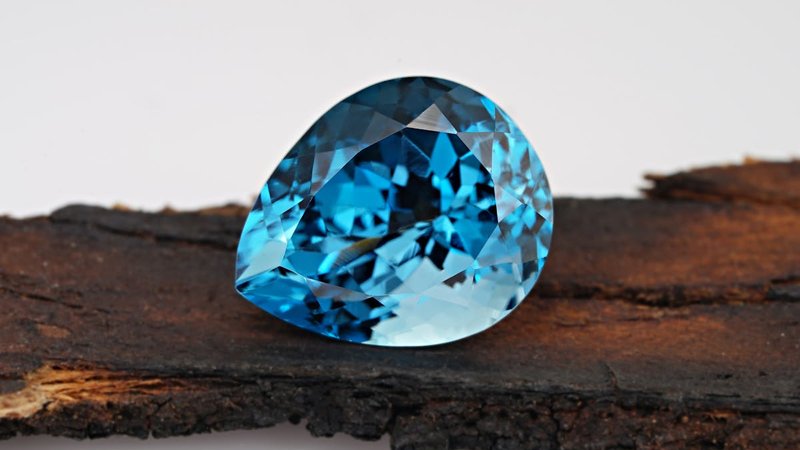
Tanzanite: The Complete Guide to the Rarest Blue Gemstone
In the shadow of Mount Kilimanjaro lies the only place on Earth where tanzanite can be found — a gemstone so rare and so vividly colored that it has captured the imagination of collectors, jewelers, and spiritual seekers alike since its discovery in 1967. Unlike diamonds, sapphires, or emeralds, tanzanite comes from a single, finite source, making it one of the most geologically exclusive gemstones on the planet.
Whether you're drawn to its mesmerizing blue-violet hues, curious about its metaphysical properties, or considering it as an investment piece, this guide covers everything you need to know about tanzanite — from its volcanic origins to how to care for it in your daily life.
What Is Tanzanite?
Tanzanite is the blue-to-violet variety of the mineral zoisite (calcium aluminium hydroxy sorosilicate). It belongs to the epidote group of minerals and was officially recognized as a distinct gemstone variety in 1967. The name "tanzanite" was coined by Tiffany & Co., who recognized its commercial potential and wanted a name that would connect it to its exclusive origin — Tanzania, in East Africa.
On the Mohs hardness scale, tanzanite rates 6 to 6.5, which places it softer than sapphire (9) and ruby (9) but comparable to emerald (7.5–8) in terms of the care it requires. Its defining feature is its remarkable trichroism — the ability to display three different colors depending on the viewing angle: blue, violet-red, and burgundy. After heat treatment, the red and burgundy tones typically shift, leaving the signature blue-to-violet spectrum that tanzanite is famous for.
The Discovery Story: 1967, Tanzania
The story of tanzanite's discovery reads like a geologic fairy tale. In July 1967, a Maasai herder named Ali Juuyawatu was walking near the foothills of Mount Kilimanjaro in northern Tanzania when he noticed a cluster of transparent, intensely blue crystals scattered on the ground. Initially mistaken for sapphire, the stones were later identified by a Tanzanian government geologist, John Saul, as a previously unknown variety of zoisite.
Tiffany & Co.'s vice president, Henry Platt, was captivated by the stone and launched an aggressive marketing campaign in 1968, declaring it "the most important gemstone discovery in 2,000 years." The name "tanzanite" was trademarked by Tiffany until the trademark lapsed, and the gemstone quickly became a December birthstone — a designation it shares with turquoise and zircon.
The Rarity Factor: A Single Source on Earth
What makes tanzanite truly extraordinary is its geographic exclusivity. The entire world's supply of tanzanite comes from a remarkably small area — roughly 4 kilometers by 2 kilometers — near the Mererani Hills in the Simanjiro District of Tanzania's Manyara Region. This makes it approximately 1,000 times rarer than diamond.
The geological conditions that created tanzanite are unique: intense heat and pressure from tectonic activity transformed ordinary zoisite deposits into the vibrant blue-violet gemstone over approximately 585 million years. These exact conditions simply do not exist anywhere else on Earth, and no other tanzanite deposits have been discovered despite decades of exploration.
Geologists estimate that the original deposit may be fully depleted within the next 20 to 30 years, which has significant implications for pricing and long-term value. Tanzanite is not just rare — it is a finite resource with a ticking clock.
Colors and Grading
Tanzanite's color is its most prized attribute, and the gemstone industry has developed a grading system to classify its various hues:
Primary Color Grades
- Intense Violetish Blue (AAAA) — The most valuable grade. Displays a deep, saturated blue with strong violet undertones visible from multiple angles. Highly sought after by collectors.
- Deep Blue (AAA) — Rich blue with moderate violet flashes. Excellent quality for fine jewelry.
- Medium Blue (AA) — Noticeable blue with lighter violet tones. Good quality for everyday wear.
- Light Blue (A) — Paler blue, less saturated. More affordable and still attractive in well-cut stones.
Rare Varieties
While blue-violet is the standard, tanzanite can occasionally display greenish-blue or even green hues. These unheated or partially heated specimens are extremely rare and command premium prices among specialized collectors. Most tanzanite on the market, however, has been heat-treated to enhance the blue-violet color.
The Heat Treatment Question
It's important to know that virtually all commercial tanzanite has been heat-treated at approximately 500°C (932°F). This is a stable, permanent treatment that converts the brownish or greenish rough stone into the vivid blue-violet gem. The treatment is so universal and accepted in the industry that untreated tanzanite is actually the exception. Reputable dealers will disclose this treatment, but it is considered standard practice and does not diminish the gem's value.
Metaphysical Properties of Tanzanite
In the world of crystal healing and metaphysics, tanzanite holds a special place as a stone of transformation, communication, and spiritual awakening. Its energy is often described as bridging the gap between the physical and spiritual realms.
Chakra Associations
Tanzanite is primarily associated with three upper chakras:
- Throat Chakra (Vishuddha) — Enhances communication, self-expression, and the ability to speak one's truth with clarity and confidence.
- Third Eye Chakra (Ajna) — Stimulates intuition, psychic abilities, and deeper perception. Many meditators use tanzanite to enhance visualization practices.
- Crown Chakra (Sahasrara) — Facilitates spiritual connection, higher consciousness, and a sense of oneness with the universe.
Emotional and Spiritual Benefits
Practitioners believe tanzanite can help with:
- Overcoming communication anxiety and fear of self-expression
- Deepening meditation and promoting a calm, centered state of mind
- Facilitating spiritual growth and the integration of higher insights into daily life
- Supporting during periods of major life transitions and personal transformation
- Enhancing psychic awareness and dream recall
For those interested in building a crystal practice, tanzanite pairs beautifully with stones like clear quartz for amplification and rose quartz for heart-centered emotional healing.
How to Use Tanzanite
In Jewelry
Tanzanite's moderate hardness (6–6.5 on the Mohs scale) means it requires thoughtful settings, especially for pieces that will see daily wear:
- Rings — Always choose protective settings like bezel, halo, or three-stone designs that shield the edges. Avoid wearing tanzanite rings during manual work, exercise, or household chores. Reserve them for special occasions.
- Pendants and Necklaces — Ideal for tanzanite! A pendant keeps the stone away from hard surfaces, making it perfect for everyday wear while showcasing the gem's color and brilliance.
- Earrings — Another excellent choice. Earrings experience minimal contact with abrasive surfaces, and the way tanzanite catches light near the face is stunning.
- Bracelets — Possible but not ideal for active lifestyles. Consider occasional-wear designs rather than daily pieces.
In Meditation and Energy Work
Place tanzanite on your third eye or throat during meditation to deepen your practice. Some practitioners hold a tanzanite in each hand during visualization exercises, believing the stone helps bridge earthly and spiritual energies. For those exploring mindful jewelry as a daily practice, a simple tanzanite pendant worn during meditation can serve as a powerful anchor.
How to Cleanse and Care for Tanzanite
Because tanzanite is relatively soft and sensitive to sudden temperature changes, it requires gentler care than harder gemstones like sapphires or rubies:
Cleaning
- Do: Use warm water with a mild, unscented soap and a soft brush (baby toothbrush works well). Rinse thoroughly and pat dry with a lint-free cloth.
- Don't: Never use ultrasonic cleaners or steam cleaners — the vibrations and heat can cause internal fractures or discoloration.
- Don't: Avoid harsh chemicals, including bleach, ammonia, and most household cleaners.
Storage
Store tanzanite separately from harder gemstones (diamonds, rubies, sapphires) to prevent scratching. Individual fabric pouches or a lined jewelry box compartment work well. Avoid prolonged exposure to direct sunlight, as extreme heat can potentially affect the stone's color over very long periods.
General Care Tips
Remove tanzanite jewelry before swimming (chlorine), hot tubs, or saunas. Apply perfume, hairspray, and cosmetics before putting on your tanzanite pieces. For more detailed jewelry care advice, see our guide on cleaning and caring for natural stone jewelry.
Tanzanite vs. Sapphire vs. Iolite: How Do They Compare?
Three blue gemstones — tanzanite, sapphire, and iolite — are frequently compared. Here's how they stack up:
| Property | Tanzanite | Sapphire | Iolite |
|---|---|---|---|
| Mineral | Zoisite | Corundum | Cordierite |
| Mohs Hardness | 6–6.5 | 9 | 7–7.5 |
| Primary Color | Blue-violet | Blue (various shades) | Blue-violet |
| Optical Feature | Trichroic (3 colors) | Pleochroic (2 colors) | Strong pleochroic (3 colors) |
| Rarity | Extremely rare (1 source) | Rare but widely available | Moderately available |
| Price (per carat, quality) | $400–$1,200+ | $500–$3,000+ | $50–$200 |
| Best For | Pendants, earrings, collectors | All jewelry, daily wear | Casual jewelry, budget option |
While sapphire wins on durability for everyday rings, tanzanite offers a color depth and uniqueness that sapphire cannot match. Iolite is the most affordable of the three but lacks tanzanite's saturation and fire. If you're exploring blue stones more broadly, our article on Larimar covers another fascinating blue gemstone from a completely different origin.
Tanzanite Buying Guide: What to Look For
The 5 Cs for Tanzanite
While diamonds use the traditional 4 Cs, tanzanite buying involves five key considerations:
1. Color (Most Important)
Color is the single most important factor in tanzanite value. Look for stones with strong, saturated blue-violet hues that are visible from multiple angles. The most valuable tanzanite displays vivid blue face-up with violet flashes when tilted. Stones that appear predominantly purple or grayish are less valuable.
2. Clarity
Tanzanite is a Type I gemstone (meaning it typically forms with few inclusions). Look for eye-clean stones with no visible inclusions under normal lighting. Minor inclusions visible only under magnification are acceptable. Avoid stones with visible cracks, feathers, or dark inclusions.
3. Carat Weight
Tanzanite is available in a wide range of sizes, but the price per carat increases significantly for stones above 5 carats. For investment purposes, stones above 10 carats in top color grades are particularly desirable. Smaller stones (1–3 carats) are more accessible for jewelry.
4. Cut
A well-cut tanzanite should display even color distribution across the stone and maximize its trichroic properties. Common cuts include oval, cushion, emerald, and round. Avoid stones with too-shallow cuts, which can cause a "window" (a see-through area in the center) that dulls the color.
5. Certifications
Always purchase tanzanite with certification from a reputable gemological laboratory. Look for certificates from:
- GIA (Gemological Institute of America) — Gold standard
- IGI (International Gemological Institute)
- AGS (American Gem Society)
The certificate should clearly state the stone's weight, dimensions, color description, clarity assessment, and whether heat treatment has been applied. For more on evaluating natural gemstones, our guide to buying natural stone jewelry online offers additional practical tips.
Investment Potential: Is Tanzanite Worth Collecting?
Tanzanite presents a compelling case for long-term investment, driven by several converging factors:
Finite Supply
With the Mererani deposit as the world's only source, and geological estimates suggesting depletion within 20–30 years, the basic supply-demand equation strongly favors price appreciation. Mining operations have become increasingly difficult as the accessible ore near the surface has been exhausted, forcing miners to work at greater depths with higher costs and lower yields.
Price Trends
Tanzanite prices have shown consistent upward trends over the past decade. Fine-quality stones (AAA grade, 5+ carats) have appreciated significantly, with some investment-grade pieces doubling or tripling in value. The market has been further supported by growing demand from Asia, particularly China and India, where the gem's exclusivity and blue color carry strong cultural appeal.
Investment Considerations
- Top color stones (intense violetish blue, AAAA grade) appreciate fastest
- Larger carat weights (5+ carats) command disproportionate premiums
- Certified stones with GIA or IGI documentation are more liquid
- Unheated tanzanite is extremely rare and may carry collector premiums
- Patience is essential — gemstone investment is typically a 5–20 year horizon
For comparison, understanding how natural vs. lab-created stones affect valuations is worth exploring in the context of lab grown versus natural diamonds, as similar dynamics may eventually affect colored gemstones.
Interesting Facts About Tanzanite
- Tanzanite was added as a December birthstone in 2002 by the American Gem Trade Association — making it the first new birthstone added since 1912.
- The largest tanzanite ever discovered weighed 16,839 carats (3.37 kg) and was found in 2005 at the Mererani mine.
- Tanzanite exhibits its strongest trichroic colors under incandescent lighting, appearing more blue under fluorescent light.
- Tanzania banned the export of rough tanzanite over 1 gram in 2010 to encourage local cutting and polishing, though this ban was later modified.
- In 2020, Tanzania's government nationalized all tanzanite mines, establishing a state-owned corporation to manage extraction and sales.
Conclusion
Tanzanite is more than just a beautiful blue gemstone — it is a geological miracle, a cultural treasure, and a potentially wise investment. Born from volcanic fire beneath Mount Kilimanjaro, found in only one tiny corner of the Earth, and available only for a limited window of time, tanzanite represents one of nature's most exclusive gifts.
Whether you're choosing a tanzanite pendant for its breathtaking color, wearing it during meditation for its spiritual properties, or adding a certified stone to your collection as an investment, understanding this gemstone's unique characteristics will help you make informed decisions and truly appreciate what you hold.
The window to own a piece of this geological rarity is closing. If tanzanite speaks to you — as a collector, a healer, or simply someone who appreciates extraordinary beauty — there may never be a better time to explore what this remarkable gemstone has to offer.

Comments