Summer vs Winter Crystal Jewelry: A Seasonal Styling Guide
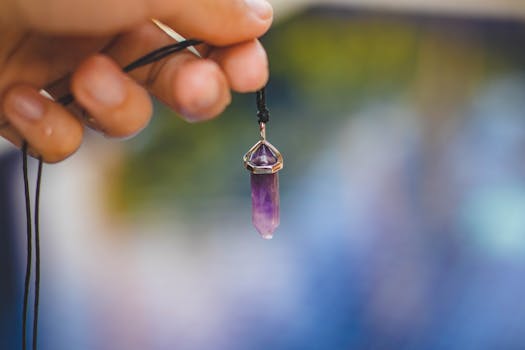
Why season matters for crystal jewelry
Most people pick jewelry based on their outfit and call it done. But the season you're wearing it in actually changes what works, what lasts, and what looks right. Summer means sweat, sunscreen, salt water, and chlorine. Winter means dry air, wool layers, and temperature swings. Both seasons create conditions that affect how stones and metals hold up over time — and how the piece looks on you.
This isn't about being precious with your jewelry. It's about making choices that look intentional and that won't fall apart in two months. A $40 bracelet that lasts two years is a better deal than a $15 one that degrades in a single summer.
Summer crystal jewelry: light, bright, and practical
The best stones for warm weather
Light-colored stones look better in summer because they match the season's visual language — bright skies, white sand, sun-bleached fabrics. Aquamarine is the obvious first choice. Its pale blue-green color is almost transparent in thin cuts, and it has a long association with coastal and maritime themes. A simple aquamarine pendant on a thin gold chain reads as "beach vacation" without being cheesy about it.
Moonstone is another strong summer option. The adularescence — that floating blue-white sheen that moves across the surface when you tilt the stone — catches sunlight in a way that looks particularly good outdoors. It's subtle enough for daytime wear but interesting enough that people will notice it.
For something warmer, peridot (olive green) and citrine (golden yellow) both have the brightness that works with summer palettes. Peridot pairs naturally with linen in earth tones. Citrine looks sharp against white cotton or chambray. Neither stone is particularly expensive — expect to pay $20 to $60 for a quality pendant or pair of earrings.
What to avoid in summer
Heavy metals and dark stones can feel visually heavy in summer outfits. A thick oxidized silver cuff or a chunky black onyx necklace against bare skin in July looks out of place — not wrong exactly, but like you're wearing winter accessories in July. The contrast can work in very specific, intentional ways, but it takes more effort to pull off than most people want to spend.
There's also a practical concern: some metals react badly with sweat. Copper and brass develop a greenish patina when they sit against salty, sweaty skin for extended periods. If you're wearing a copper bracelet to the beach, expect your wrist to turn slightly green within a few hours. Sterling silver is better but still tarnishes faster in summer. Stainless steel and gold-filled metals are the most sweat-resistant options.
Sunscreen is another enemy. Mineral sunscreens (the ones with zinc oxide or titanium dioxide) leave a white residue that gets into the tiny crevices of stone settings and textured metal surfaces. It's annoying to clean and, over time, can dull the finish of softer stones like turquoise and pearl. If you're wearing jewelry to the beach, apply sunscreen first and let it absorb before putting on your pieces.
Vacation jewelry: keep it simple and replaceable
Here's an honest take: don't wear anything irreplaceable on vacation. The combination of salt water, sand, hotel pools, and the general chaos of travel is hard on jewelry. You lose things. Stones get knocked loose in suitcases. Chains tangle and break.
The ideal vacation jewelry setup is 2-3 inexpensive pieces that you won't be heartbroken to lose. A simple beaded bracelet ($10-$20), a pair of stone stud earrings ($15-$25), and maybe one pendant necklace. Stick to water-safe stones (quartz varieties, agate, jasper — basically anything with a Mohs hardness above 6.5) and stainless steel or gold-fill metal components. Leave the opals, pearls, and turquoise at home — they don't handle water and salt well.
Winter crystal jewelry: warmth, depth, and layering
Rich tones for darker days
Winter fashion is about layering, texture, and deeper color palettes — navy, burgundy, charcoal, forest green, camel. Your jewelry should work with those tones, not fight them. Garnet (deep red), ruby, amber, and smoky quartz all pair naturally with winter wardrobes. They add warmth to dark outfits without the brightness that would look off in January.
Smoky quartz deserves a special mention here. Its translucent brown-to-gray color is one of the most versatile options for winter — it works with black, gray, brown, navy, and olive. A smoky quartz pendant on a gold-tone chain against a black turtleneck is a combination that just works, season after season. It's also one of the more affordable quartz varieties, typically $15 to $40 for a well-cut piece.
Gold-tone metals look better in winter than silver-tone, generally speaking. The warm yellow of gold complements the warm tones in winter fabrics — wool, cashmere, leather. Silver looks good too, but it can read as "cold" against an already cold-weather outfit. Rose gold falls somewhere in between and has become increasingly popular for winter jewelry since 2024.
Layering jewelry in winter
Winter is layering season for clothing, and the same principle applies to jewelry. A thin chain worn alone looks fine in summer when you have bare skin showing. In winter, that same chain disappears under a scarf and a coat collar. You need either longer chains that sit below the collar line (20-24 inches) or layered shorter chains at different lengths.
The standard layering setup is two or three chains at graduated lengths — say 16, 18, and 22 inches — with small stone pendants on 1-2 of them. Keep the pendants small (under 8mm) so the overall effect is textured rather than cluttered. Mix metals if you want — gold and silver together is widely accepted now — but keep the stone colors in the same tonal family.
A winter-specific concern: opals and temperature
Opals contain 3-21% water, and rapid temperature changes can cause "crazing" — tiny internal cracks that ruin the stone's play of color. Going from a heated indoor environment (70°F+) to freezing outdoor air (30°F or below) creates exactly the kind of thermal shock that damages opals. If you wear opal jewelry in winter, keep it under your layers or leave it at home on the coldest days.
This is less of an issue for harder stones. Quartz, garnet, topaz, and beryl varieties handle temperature swings without problems. But it's worth knowing if you're investing in opal pieces.
Transition seasons: spring and autumn
Spring and autumn don't need their own jewelry wardrobe — they're about mixing your summer and winter pieces with lighter or heavier clothing. A few practical guidelines:
In spring, start with your summer stones but keep the metal tones warmer. Aquamarine and moonstone still work, but swap a silver chain for gold-fill or rose gold. Layer a light cardigan over a t-shirt instead of a heavy coat, and your jewelry will be visible again.
In autumn, bring out the warmer stones — amber, citrine, carnelian — but keep the settings light. A delicate amber pendant works better with a light jacket than a heavy amber statement necklace. Think "transition," not "full winter."
Both seasons are good for mixed-metal looks. Spring especially lends itself to rose gold, which has a brightness that fits the season's mood. Autumn favors antique brass and copper tones that complement falling leaves and earthy colors.
Holiday party season: when to go bigger
From late November through New Year's, the rules relax. This is the one time of year when statement crystal jewelry is expected and appropriate. A large amethyst or emerald cocktail ring, a chunky crystal bib necklace, or chandelier earrings with colored stones all work at holiday parties. The key is choosing one statement piece and keeping the rest minimal — a bold necklace with stud earrings, not a bold necklace with bold earrings and a bold ring.
Crystal (as in glass crystal, not stone) jewelry is particularly popular during the holidays because of how it catches indoor lighting. Swarovski-style crystal drop earrings in champagne or clear are a reliable choice that doesn't require matching to a specific outfit. They're also much cheaper than genuine gemstone equivalents — $20-$50 vs. $80-$200+ — which matters if you're buying for multiple events.
Practical tips for any season
Take your jewelry off before swimming. Chlorine and salt water damage most metals and many stones. This isn't negotiable — it's the single biggest cause of premature jewelry death.
Store pieces individually. Tossing five bracelets into a single compartment means they scratch each other. A cheap jewelry organizer with separate slots costs under $15 and will double the lifespan of your collection.
Clean stones with warm water and mild soap. Ultrasonic cleaners are great for hard stones (diamond, ruby, sapphire, quartz) but will crack opals, emeralds, and pearls. If you're not sure what you have, stick to the gentle method.
Check clasps and settings monthly. A loose stone or a worn clasp is much cheaper to fix if you catch it early. Most local jewelers will tighten a stone setting for free or a few dollars if you're a regular customer.
Comments