How to Store Pearl Jewelry So They Do Not Turn Yellow or Crack
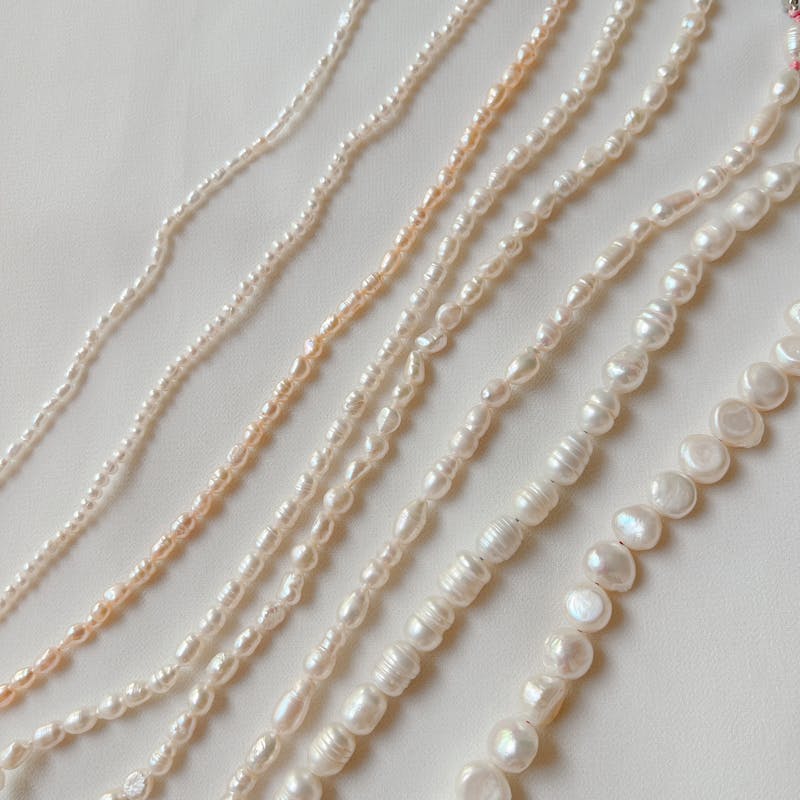
How to Store Pearl Jewelry So It Does Not Turn Yellow or Crack
Meta description: Pearls turn yellow and crack when stored wrong. Learn the science behind pearl aging and the storage methods that actually keep them looking new for years.
Why pearls go bad in the first place
Pearls are not minerals. They are organic gemstones made of calcium carbonate (aragonite, mostly) layered around a nucleus by a mollusk. Between those calcium carbonate layers is a protein called conchiolin, which acts as a kind of organic glue holding the crystalline structure together. That protein is the weak link.
Over time, conchiolin breaks down. It dehydrates in dry environments, oxidizes when exposed to air and pollutants, and degrades faster in heat. When the protein layer deteriorates, the calcium carbonate layers start to separate and the pearl loses its structural integrity. The surface yellows because the organic material between the layers is oxidizing. Cracks form because the layered structure is pulling apart as the binding protein weakens.
This process is not preventable. Every pearl will age. But the rate at which it happens depends heavily on how you store and care for the pearl. A well-maintained pearl can retain its color and luster for decades. A neglected one can start yellowing within two to three years.
I think understanding this basic chemistry makes it easier to follow the storage rules, because you can see why each rule exists instead of just memorizing a list of dos and don'ts.
The storage mistakes that speed up yellowing
Sealed plastic bags
This is probably the most common mistake I see. People put their pearls in ziplock bags thinking they are protecting them from moisture and dust. The problem is that pearls need some ambient humidity to stay hydrated. Sealing them in plastic traps whatever moisture is already there (which might not be enough) and prevents the pearl from interacting with the surrounding air. Over weeks and months, the pearl slowly dries out inside that bag, and the conchiolin contracts.
If you have already been storing pearls in plastic, they are probably fine as long as it has not been years. Move them to a more breathable environment and check for any early signs of yellowing or dullness.
Dry safes and deposit boxes
Bank safe deposit boxes and home safes are often extremely dry environments. The air circulation is minimal, humidity is low, and temperature can fluctuate depending on the location. These conditions accelerate the dehydration of conchiolin. I have heard of people pulling pearl necklaces out of safe deposit boxes after five years and finding that the pearls had developed a yellowish tint and a slightly chalky surface.
If you must store pearls in a safe for security reasons, include a small humidity source in the container. A damp cotton cloth changed weekly can help. There are also two-way humidity packs designed for cigar storage that maintain a consistent 65% to 70% relative humidity, and those work well for pearls too.
Direct sunlight and heat
Ultraviolet light accelerates the oxidation of the organic proteins in pearls. Leaving a pearl necklace on a sunny windowsill or in a display case near a window will cause it to yellow noticeably faster than the same strand stored in a drawer. Heat speeds up all chemical reactions, including the degradation of conchiolin. Avoid storing pearls near radiators, heating vents, or in hot attics.
How to store pearls properly
Use a soft pouch or lined box
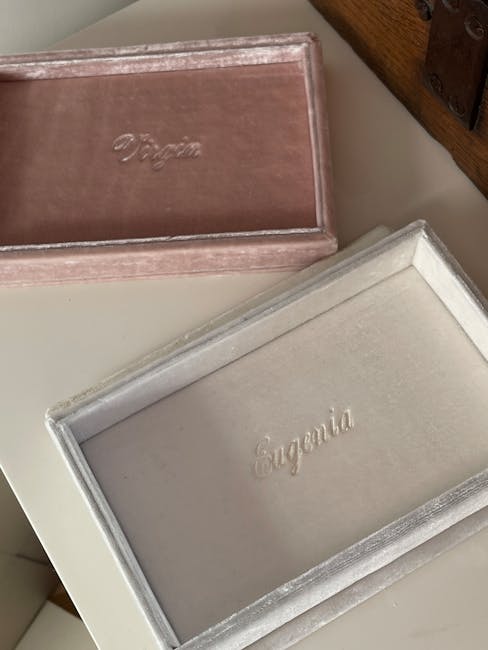
A silk or cotton pouch, or a jewelry box with a soft fabric lining, is the simplest and most effective storage option. The fabric provides a gentle cushion that prevents the pearls from rubbing against each other or against harder gemstones. Pearls scratch easily, so keeping them separated from diamonds, sapphires, and other hard stones is important.
Do not store pearls loose in a jewelry box compartment where they can roll around and knock against metal clasps or other pieces. A dedicated pouch for each strand or pair of earrings is ideal.
Keep some humidity in the environment
Pearls store best in an environment with roughly 50% to 70% relative humidity. Most homes naturally fall in that range. If you live in a very dry climate or run air conditioning constantly, the air might be too dry for long-term pearl storage. A small dish of water near the jewelry storage area can help, or you can use those two-way humidity packs I mentioned earlier.
Store them flat, not hanging
Hanging a pearl necklace on a jewelry stand looks nice, but over time the silk thread stretches and the weight of the pearls can cause the thread to weaken at the point where it drapes over the hook. Store pearl strands flat, coiled gently, to take the strain off the thread. If the strand has a clasp, fasten it to prevent tangling before you coil it.
Wear them regularly
This sounds counterintuitive, but pearls benefit from being worn. The natural oils from your skin help keep the conchiolin hydrated. A pearl necklace that you wear once a week will generally age better than one that sits in a drawer for years. I know people who rotate their pearl pieces specifically to keep them in good condition, wearing each strand or pair of earrings at least a few times a month.
Cleaning pearls the right way
When pearls need cleaning, less is more. Wipe them with a soft, damp cloth after each wearing to remove body oils, perfume residue, and sweat. That is usually sufficient. If they need a deeper clean, use a cloth dampened with mild soap and water, then wipe again with a clean damp cloth to remove any soap residue. Dry them flat on a soft towel and let them air dry completely before storing.
Never soak pearls, never use ultrasonic cleaners, never use steam cleaners, and never use chemical jewelry cleaners. The heat, vibration, and chemicals in all of those methods will damage the nacre and accelerate the degradation of the conchiolin layer.
The wearing rule that matters most
Jewelers have a saying about pearls: they should be the last thing you put on and the first thing you take off. The logic is straightforward. Perfume, hairspray, lotion, and makeup all contain chemicals and compounds that can damage the nacre surface. If you put your pearls on first and then spray perfume, the fine mist lands directly on the pearls and starts working on the surface. If you put them on last, the perfume and other products have already dried on your skin and are less likely to transfer.
When you take your pearls off at the end of the day, give them a quick wipe with that soft damp cloth before putting them away. It takes about ten seconds and it makes a real difference in how long the luster lasts.
Comments