Sterling Silver vs 925 Silver vs Pure Silver: What's the Actual Difference
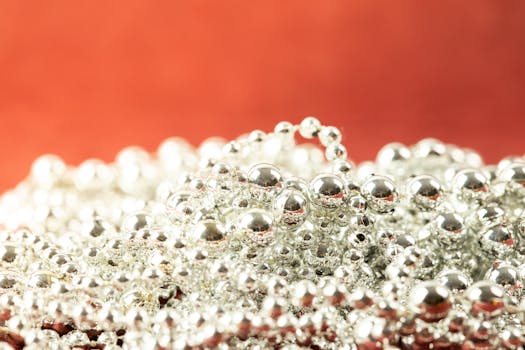
Walk into any jewelry store or scroll through an online marketplace and you'll see these terms everywhere: sterling silver, 925 silver, pure silver. They sound like three different things with three different price tags. Here's the twist that most people don't realize until someone tells them: sterling silver and 925 silver are the exact same metal. The only real distinction is between those two and pure silver. That's it. The rest is marketing.
Sterling silver and 925 silver are the same thing
Let's settle this first because it trips up more buyers than anything else in the silver jewelry world. Sterling silver is an alloy that is 92.5% silver and 7.5% copper. "925 silver" is just a shorthand way of saying the same thing — 925 parts per thousand are silver, which equals 92.5%. The names are interchangeable. A piece stamped "925" is sterling silver. A piece described as "sterling silver" is 925 silver. If a seller tries to charge you more for "sterling silver" while claiming "925 silver" is somehow inferior, they're being dishonest.
The term "sterling" has historical roots. It comes from the English currency system — a pound sterling was originally one pound weight of sterling silver coins. The 92.5% standard was formalized in England in the 13th century, and it stuck because that specific ratio turned out to be the sweet spot between silver content and practical durability. Other countries adopted their own standards over the centuries, but 92.5% became the global benchmark that jewelers still use today.
What is pure silver and why don't we make jewelry from it
Pure silver — also called fine silver or .999 silver — is 99.9% silver with virtually no other metals mixed in. It has a beautiful, bright white color and it doesn't tarnish the way sterling does. Sounds perfect, right? The problem is that pure silver is extremely soft. On the Mohs hardness scale, pure silver ranks around 2.5. For comparison, a fingernail is about 2.5. Copper is 3. Glass is 5.5.
Make a ring out of pure silver and it will bend the first time you grip a steering wheel or carry a grocery bag. Make earrings from it and the ear wires will deform the moment you put them on. Make a chain and the links will stretch and pull apart under their own weight. The metal simply lacks the structural integrity to hold a shape under everyday stress.
This is not a defect in pure silver. It's just physics. Silver, in its elemental form, is a soft, malleable metal. That softness is great for industrial applications like electronics and solar panels — silver has the highest electrical conductivity of any element — but terrible for jewelry that needs to survive being worn daily.
Why copper gets mixed in
The 7.5% copper in sterling silver exists for one reason: hardness. Adding copper to silver creates an alloy that is significantly harder and more durable than pure silver while still looking and feeling like silver. The copper content raises the hardness enough that rings hold their round shape, chains don't stretch, and clasps don't bend open on their own.
Copper is not the only metal that can be used as the 7.5% component. Some manufacturers use small amounts of germanium, zinc, or platinum instead. These alternative alloys — often sold under trade names like "Argentium silver" — offer slightly different properties. Argentium silver, for example, is more tarnish-resistant than traditional sterling because germanium changes how the metal reacts with sulfur. But the core idea is the same: you need that 7.5% of something harder to make the silver wearable.
The tarnish problem explained
Sterling silver tarnishes. This is a fact, not a flaw. And it's probably the single biggest complaint people have about silver jewelry. But most people misunderstand what tarnish actually is and why it happens.
Tarnish on sterling silver is not oxidation — it's sulfidation. The copper in the alloy reacts with sulfur compounds in the air (from pollution, eggs, rubber, wool, and dozens of other common sources) to form a dark layer of copper sulfide on the surface. This is a chemical reaction, not dirt, and it happens to all sterling silver eventually regardless of how carefully you store it.
The rate of tarnishing depends on your environment. People who live near the ocean or in cities with high air pollution will see tarnish form faster. People who store their silver in airtight bags with anti-tarnish strips can slow it down dramatically. Some people's body chemistry accelerates tarnish — if your silver turns dark quickly on your skin, it's likely reacting to something in your sweat, not a sign that the jewelry is fake or low-quality.
Pure silver (999) tarnishes far less because there's essentially no copper to react with sulfur. But as we covered, you can't make durable jewelry from pure silver. The tarnish is the trade-off for wearability.
How to clean tarnished sterling silver
Good news: tarnish is surface-level. It doesn't penetrate the metal, and it's reversible. Several methods work, from gentle to aggressive.
Silver polishing cloths are the simplest option. These are treated cloths that contain mild abrasives and tarnish-removing compounds. A quick wipe removes light tarnish without damaging the surface. They cost $3 to $8 and last for months. Keep one in your jewelry box.
Warm water and mild soap handles most everyday grime. A few drops of dish soap in warm water, a soft toothbrush, and 30 seconds of gentle scrubbing removes dirt and light tarnish without any risk to the metal. This is the safest method and should be your first step before trying anything more aggressive.
The baking soda, foil, and hot water method works through a chemical reaction called ion exchange. Line a bowl with aluminum foil, add your tarnished silver, pour in a tablespoon of baking soda, then pour boiling water over it. The reaction transfers the sulfur from the silver to the aluminum foil. It works remarkably well on heavily tarnished pieces. The downside: it can remove intentional oxidation (the dark patina some jewelry has in crevices for contrast), so don't use this on antiqued or intentionally darkened silver.
Commercial silver dips are fast but harsh. You dunk the piece in liquid for a few seconds and the tarnish dissolves. These work, but they're aggressive and can damage gemstones, remove plating, and leave a slightly dull surface if overused. Save dips for pieces that are badly tarnished and don't have stones.
Plated silver vs sterling silver
This is where things get genuinely confusing, because "plated silver" looks like sterling silver to the naked eye but behaves very differently over time.
Silver-plated jewelry has a thin layer of silver — usually between 0.5 and 5 microns thick — applied over a base metal like copper, brass, or nickel. It costs a fraction of sterling silver. A silver-plated chain might sell for $8 while a similar sterling chain costs $30 to $60. The difference becomes obvious after a few months of daily wear.
The plating wears off. It chips at contact points, rubs thin at friction points, and eventually exposes the base metal underneath. When that happens, the exposed base metal (often copper or nickel) reacts with your skin and the air, causing discoloration and sometimes skin irritation. There is no way to re-plate jewelry at home, and professional replating typically costs more than buying a new piece.
Sterling silver, by contrast, is the same metal all the way through. When it scratches, you see sterling silver underneath the scratch — not a different-colored base metal. When it tarnishes, you polish it and it's back to looking like new. A well-cared-for sterling silver piece can last decades. A silver-plated piece has a useful life measured in months to a couple of years, depending on wear frequency.
Sterling silver is objectively better for anything you plan to wear regularly. Silver-plated jewelry has its place — costume pieces, trend items you'll wear a few times, or jewelry for people who change styles frequently — but it's not an investment.
What the "925" stamp means (and what its absence means)
A "925" or "Sterling" stamp on a piece of jewelry is the manufacturer's claim that the metal is 92.5% silver. In countries with consumer protection laws, this stamp is regulated and misstamping is illegal. In the United States, the Federal Trade Commission requires that jewelry sold as "sterling" contain at least 92.5% silver.
However — and this is important — the absence of a stamp does not automatically mean the piece is fake. Very small jewelry (earring posts, tiny charms, thin bands under 2mm) often doesn't have room for a legible stamp. Handmade or artisan jewelry may skip stamping. Older pieces from before standardization might not be stamped. And some legitimate sterling silver from certain countries uses different marking conventions.
Conversely, the presence of a "925" stamp is not a guarantee. Counterfeit jewelry exists, and slapping "925" on a cheap base metal piece costs nothing. If a $5 ring on a wholesale site is stamped "925," the stamp is likely fake. The price itself is a better indicator than the stamp — if the deal seems too good to be true, it is.
The most reliable way to verify sterling silver is an acid test. A small scratch on an inconspicuous spot, a drop of testing acid, and the reaction (or lack thereof) tells you the silver content. Jewelers do this routinely. You can buy a silver testing kit for $10 to $15. For most buyers, though, buying from reputable sellers and trusting your judgment on pricing is sufficient.
Comments