Statement Necklaces for Every Occasion
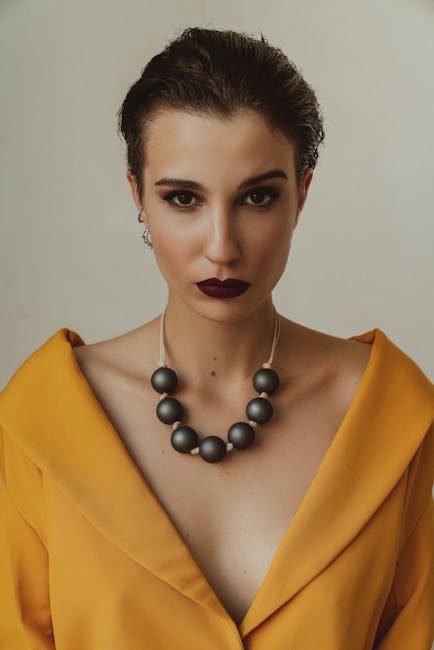
Statement Necklaces Aren't Just for Galas Anymore
I used to think statement necklaces belonged exclusively in the "special occasion" drawer — the one you open twice a year for weddings and holiday parties. Then I watched a coworker walk into a Monday morning standup wearing a chunky turquoise collar necklace over a plain white t-shirt and jeans, and something clicked. The necklace wasn't overdressed for the room. The t-shirt wasn't underdressed for the necklace. They just worked together, and the whole outfit took about 90 seconds to put together.
That's the real appeal of statement necklaces: they do most of the styling work for you. You don't need a carefully curated outfit underneath. In fact, simpler clothes often make a bold necklace look better because there's nothing competing for attention.
What Actually Counts as a Statement Necklace
The definition is looser than you'd expect. A statement necklace is any necklace designed to be noticed. That could mean:
Scale. A necklace that's physically large — wide collar styles, oversized pendants, or multi-strand pieces that cover a significant portion of your chest area. Think of pieces that span 6 inches or more across.
Color. A necklace with strong color presence — a bright coral bib, deep emerald stones, or a piece with high-contrast materials. Even a smaller necklace can be a "statement" if its color does the talking.
Material contrast. Mixed materials catch the eye. A leather cord with metallic elements, woven threads with stone accents, or a chain with fabric components all create visual interest through texture differences.
Unusual shapes. Asymmetrical designs, geometric forms, or sculptural elements that don't follow the standard pendant-on-chain formula. These stand out because they break the expected pattern of what a necklace "should" look like.
The common thread is intentionality. A statement necklace looks like it was chosen, not grabbed by accident. That doesn't mean it has to be expensive — some of the most eye-catching pieces I've seen cost under $30. But they all look like someone made a decision to wear them.
The Office: Making Bold Work in Professional Settings
This is where most people hesitate, and I understand why. The default professional jewelry instinct says "small, subtle, safe." But depending on your workplace culture, a statement necklace can actually enhance your professional presence rather than undermine it.
The key is matching the necklace to the formality level of your office. If your workplace is business formal (suits, blazers, structured outfits), lean toward statement pieces in metallic tones — silver, gold, or gunmetal. A sculptural metal collar necklace over a blazer looks sharp and intentional. Avoid anything too colorful or playful, as it can read as casual in a formal environment.
In business casual offices, you have significantly more room. A beaded statement necklace over a button-down shirt, a chunky chain with a simple sweater, or a colorful pendant with a tailored blouse all work. The rule I've found most reliable: if you'd feel comfortable wearing the outfit without the necklace, adding the necklace probably won't push it too far.
For creative fields and startups, almost anything goes. I've seen people wear bib necklaces with graphic tees and it looks completely natural. In these environments, the statement necklace is less about dressing up and more about expressing personal style.
Job Interviews: A Specific Case
Interviews deserve their own consideration because the stakes are different. You're meeting people who don't know you yet, and first impressions form fast. My recommendation: wear one statement piece, not two. A bold necklace is fine — it shows personality. But pair it with small studs and minimal rings so the overall effect reads as "put together" rather than "overaccessorized."
Metallic tones and neutral colors are safest. Save the neon pink statement necklace for after you've gotten the job. A structured geometric piece in gold or silver communicates confidence without distraction.
Dates and Evenings Out: The Statement Necklace Sweet Spot
This is where statement necklaces have always thrived, and for good reason. Evening lighting — restaurants, bars, event spaces — tends to be dimmer and warmer than daylight, which means jewelry with reflective surfaces or bright stones catches light beautifully.
For dinner dates, I've found that a medium-scale statement necklace (4 to 6 inches across) hits the right note. Anything larger can feel overwhelming in an intimate restaurant setting where you're sitting close to someone. The necklace should draw the eye to your face area, not create a wall of visual noise between you and your companion.
Color matters more at night. Metallics are always safe, but if you're wearing a dark outfit, a pop of color in your necklace — even just a single colored stone in an otherwise metallic piece — adds visual interest that a monochromatic outfit might lack.
For bars and more energetic evening venues, you can go bigger. A large collar necklace or multi-strand piece works in these environments because there's more visual competition — other people, lighting effects, the general busyness of the space. Your necklace needs to hold its own.
Weddings and Formal Events: The Traditional Territory
Statement necklaces at weddings are a well-established look, but there are nuances worth knowing. If you're a guest, consider the wedding's formality level. A black-tie wedding calls for something elegant — think crystals, pearls, or refined metallic designs. A garden wedding or daytime event allows for more relaxed, colorful, or playful pieces.
One practical detail: if you're wearing a dress with a detailed neckline (lace, beading, embroidery), skip the statement necklace. The neckline is already doing the decorative work, and adding a bold necklace on top creates visual clutter. Instead, go with statement earrings or a bold bracelet. Save the necklace for simpler necklines — V-necks, scoop necks, strapless, or off-shoulder styles.
If you're in the wedding party, follow the bride's direction. Some brides want matching accessories; others want each bridesmaid to express their own style. Either way, the necklace shouldn't upstage the bride. That's not about being subservient — it's about the basic social contract of being in someone's wedding.
Weekends and Casual Outings: Yes, Really
This is the category that surprises people the most, but it's where I've gotten the most use out of my statement necklaces. A bold necklace over a basic t-shirt and jeans transforms a "running errands" outfit into something that looks deliberate. Not dressed up, exactly — just styled.
The trick is matching the necklace's energy to the activity. A delicate, colorful beaded piece works for brunch or a farmers market. A chunky chain works for a concert or a night out with friends. A large resin or acrylic piece works for casual daytime events where you want to look fun without looking like you tried too hard.
I'd avoid very expensive or delicate statement pieces for purely casual outings. Part of the appeal of casual statement necklaces is that you're not worried about them. They're pieces you can wear while reaching for things, leaning on counters, or generally living your life without anxiety.
Finding Your Statement Necklace Style
Not every bold necklace works for every person, and that's fine. The process of figuring out your style is part of the fun. Here's what I'd suggest:
Start with your face shape. Round faces benefit from longer, pendant-style statement necklaces that create vertical lines. Angular or heart-shaped faces can balance nicely with wider, collar-style pieces. Oval faces have the most flexibility — most statement necklace styles complement this shape.
Consider your neck length. If you have a shorter neck, choker-style statement pieces can make your neck appear even shorter. Opt for pieces that sit at or below the collarbone instead. Longer necks can carry chokers and high collars without the same proportion issues.
Think about what you already wear. If your wardrobe is mostly neutrals, colorful statement necklaces are your friend — they add the personality your clothes might lack. If you already wear a lot of color and pattern, metallic or neutral statement pieces provide contrast without competing.
Try before committing. Statement necklaces are harder to buy online because scale is hard to judge from photos. If possible, try a few in person to get a sense of what size and weight feels comfortable. Some people love the physical presence of a heavy necklace; others find it annoying after an hour. There's no wrong answer, but it's worth knowing your preference before investing.
The Practical Side: Weight, Comfort, and Maintenance
A conversation about statement necklaces isn't complete without addressing comfort. Large pieces can be heavy, and weight is the number one reason people take jewelry off mid-event.
As a general guide, anything under 60 grams is comfortable for all-day wear. Between 60 and 100 grams, you'll probably notice it by hour three or four but can tolerate it for an evening. Above 100 grams, you're making a commitment — plan to take it off during extended sitting or after the main event photos are done.
The chain or cord quality affects comfort significantly. A wide ribbon or leather cord distributes weight better than a thin chain, which can dig into the back of your neck. If a heavy necklace is on a thin chain, consider wearing it for shorter periods.
Storage matters too. Statement necklaces should be stored flat, hanging, or on a jewelry stand — not in a tangled pile. The structural elements (beads, stones, metalwork) can get damaged if pieces press against each other in a drawer. A dedicated necklace organizer with hooks or slots is a worthwhile investment if you own more than two or three statement pieces.

Comments