Silver vs Gold vs Rose Gold: A Complete Guide to Choosing Your Jewelry Metal
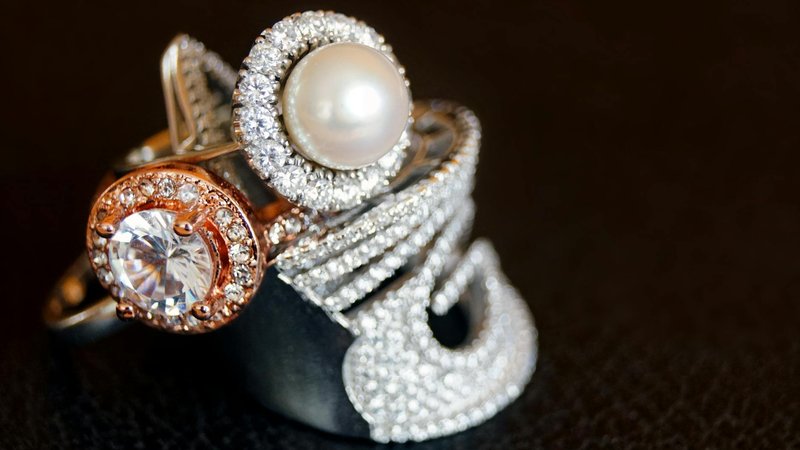
Last month, my best friend Sarah called me in a full-blown panic. She'd been ring shopping with her fiancé for three weekends straight and was no closer to a decision. "Do I go with the classic gold band? The silver one that matches everything? Or the rose gold that looks like it was made for my hand?" she asked, genuinely distressed. I told her to take a breath, grab a coffee, and let's break it down like the jewelry nerds we are. That conversation turned into a deep dive that I think a lot of people need — because choosing between silver, gold, and rose gold isn't just about what looks pretty in the store lighting. It's about your lifestyle, your skin, your budget, and honestly, your personality. So here's everything I've learned after years of wearing, researching, and yes, occasionally regretting metal choices.
Silver, Gold, and Rose Gold: The Basics
Before we get into the nitty-gritty comparisons, let's make sure we're all talking about the same thing. When I say "silver," I mean sterling silver — pure silver is way too soft for everyday jewelry. When I say "gold," I'm talking about solid gold (not gold-plated or gold-filled), typically in 14K or 18K. And rose gold? That's just gold mixed with copper, which gives it that gorgeous pinkish blush.
Sterling Silver
Sterling silver is 92.5% pure silver and 7.5% other metals (usually copper). That little bit of copper is what gives the metal enough hardness to hold its shape for rings, necklaces, and bracelets. Without it, pure silver is softer than a stick of butter — you could literally bend a pure silver ring with your bare hands. Sterling silver has that cool, bright white tone that a lot of people associate with elegance and simplicity. It's the most affordable of the three, which is why it's the default for a lot of fashion jewelry. But affordability comes with trade-offs, which we'll get into.
Yellow Gold
Gold has been the jewelry standard for thousands of years, and honestly, it's not hard to see why. Pure gold (24K) is a rich, deep yellow that looks almost unreal. But 24K gold is so soft you can leave a fingerprint in it, so jewelry is almost always made in 14K (58.3% gold) or 18K (75% gold), mixed with alloys like copper, silver, zinc, and nickel. 14K is more durable and more affordable. 18K has a richer color and feels more luxurious but scratches more easily. Gold doesn't tarnish the way silver does, and it maintains its value over time — that's a big one.
Rose Gold
Rose gold is having its biggest moment right now, but it's actually been around since the 19th century (it was huge in Russia, which is why you sometimes hear it called "Russian gold"). It's made by mixing gold with copper — more copper means a deeper rose color. A typical 14K rose gold is about 58.3% gold, 30-35% copper, and the rest silver or other alloys. The copper is what makes rose gold slightly harder and more durable than yellow gold of the same karat. It also means rose gold can develop a slightly deeper patina over time, which a lot of people (myself included) find really appealing.
Head-to-Head Comparison
Purity and Durability
Durability matters more than most people think, especially for pieces you'll wear every day like wedding bands or go-to necklaces. Sterling silver ranks lowest here — it scratches, dents, and bends more easily than either gold option. If you're tough on your jewelry (raises hand), silver will show it. 14K yellow gold and 14K rose gold are both significantly harder thanks to their alloy content, with rose gold getting a slight edge from the copper. 18K gold in any color is softer than 14K, but it's still tougher than sterling silver. If you want something that'll survive a decade of daily wear without looking beat up, go with 14K gold (yellow or rose).
Price: What You're Really Paying
Let's talk money, because this is usually the dealbreaker for most people. Sterling silver is by far the most budget-friendly. A simple sterling silver band might cost you $20-$50. A comparable 14K gold band? $300-$600. And rose gold is typically priced the same as yellow gold since the gold content is identical — you're just paying for a different alloy mix. 18K gold pushes into the $600-$1,000+ range for simple pieces, and prices go up fast with gemstones, engravings, or designer names. The thing about gold though, especially solid gold, is that it retains value. You can sell a 14K gold ring years later and still get a meaningful return. Sterling silver? Not so much. The resale value is minimal. So think of gold as an investment and silver as a fashion choice.
Allergies and Skin Sensitivity
This one is huge and a lot of people don't think about it until they're dealing with a green finger or an itchy rash. Sterling silver's copper content can cause skin reactions in some people, especially if the piece gets wet frequently or if you have a copper sensitivity. The green discoloration that some people get from silver jewelry isn't actually the silver — it's the copper reacting with your skin's acids. Yellow gold is generally hypoallergenic, but 14K gold sometimes contains nickel (depending on the alloy), and nickel is one of the most common metal allergies. If you have sensitive skin, look for nickel-free gold. Rose gold is often the safest bet for sensitive skin because the copper replaces nickel in the alloy mix. Many people who can't wear yellow gold or silver can wear rose gold without any reaction at all. Sarah, my ring-panicking friend, actually ended up going with rose gold partly for this reason — she'd had mild reactions to silver earrings in the past.
Tarnish and Maintenance
Sterling silver is notorious for tarnishing. That dark, dull look develops when sulfur in the air reacts with the copper in the alloy. You can polish it back to shiny with a silver cloth, but it's an ongoing battle. Humidity, sunscreen, perfume, and even your skin's natural oils speed up tarnishing. Gold, on the other hand, doesn't tarnish. It might get a little dull from everyday grime, but a quick soak in warm soapy water brings it right back. Rose gold behaves like yellow gold in this department — no tarnish, just an occasional cleaning. However, rose gold can develop a slightly warmer, deeper color over years of wear as the copper continues to oxidize subtly. Most rose gold lovers consider this a feature, not a bug.
Which Metal Fits Your Lifestyle?
Everyday Wear
If you're looking for a piece you'll rarely take off — a wedding band, a simple pendant, a pair of studs — 14K gold (yellow or rose) is your best bet. It's durable enough for daily life, doesn't tarnish, and won't turn your skin green. Rose gold gets a slight nod here because of the skin-sensitivity advantage and the fact that it pairs beautifully with both warm and cool-toned wardrobes. Sterling silver can work for everyday pieces if you're diligent about cleaning and you don't mind the occasional polish session, but be prepared for maintenance.
Active Lifestyles and Sports
If you're someone who hits the gym, swims, hikes, or just generally lives hard, durability is non-negotiable. 14K gold wins this round, hands down. Sterling silver will scratch, bend, and tarnish faster with sweat and chlorine exposure. Chlorinated pool water is especially brutal on silver — it can cause pitting and rapid tarnishing. Saltwater isn't much better. Gold handles all of this far better, though you should still remove any fine or delicate pieces before serious physical activity. If cost is a concern, stainless steel is actually a great alternative for active folks, but that's a whole different article.
Formal Occasions
For events, galas, or any time you want to look polished, all three metals work beautifully. Silver has that crisp, clean elegance that pairs perfectly with little black dresses and monochrome outfits. Yellow gold gives off warmth and luxury — think old Hollywood glamour. Rose gold is the romantic wildcard, adding a soft, feminine touch that photographs beautifully. Honestly, for formal wear, choose based on what complements your outfit and your skin tone (more on that below) rather than practicality, since you won't be wearing these pieces every day.
Sensitive Skin
If you've ever had to take off a ring halfway through the day because your finger turned green or started itching, you know how frustrating this is. Rose gold is generally the most skin-friendly option because it avoids nickel and uses copper instead. Nickel-free 14K or 18K yellow gold is also a solid choice — just check the alloy composition before buying. Sterling silver is the riskiest option for sensitive skin. If you love silver but your skin disagrees, look for rhodium-plated sterling silver — the rhodium coating acts as a barrier between the copper and your skin. Just know the plating wears off eventually and needs to be reapplied.
Matching Metal to Skin Tone
This is one of those topics where personal preference ultimately trumps any "rule," but there are some general guidelines that actually work pretty well.
Warm Skin Tones
If your veins look greenish, you tan easily, and gold jewelry tends to flatter you, you probably have warm undertones. Yellow gold is your classic match — it harmonizes beautifully with warm skin, making it look glowing and healthy. Rose gold also works wonderfully with warm skin because of the shared warm undertones. Silver can look a bit stark against warm skin, though it works well as a contrast piece if that's the vibe you're going for.
Cool Skin Tones
If your veins look bluish, you burn more easily than you tan, and silver jewelry tends to pop against your skin, you likely have cool undertones. Silver and white gold (which we haven't discussed but is essentially gold with palladium or nickel) are your natural matches. Rose gold can still work beautifully with cool skin — it adds warmth without clashing — but yellow gold might look slightly overwhelming depending on how cool your undertones are.
Neutral Skin Tones
Lucky you — if you can't clearly tell whether your veins are blue or green, you probably have neutral undertones. This means you can pull off pretty much any metal. Most people actually fall somewhere in this category, so don't stress too much about rigid rules. Try holding different metal pieces against your skin and see which one makes you feel more "you." That's usually the right answer.
The Mixed Metal Trend: Why Breaking the Rules Works
Here's the thing that nobody told me until about two years ago: you don't have to pick just one. The mixed metal trend has exploded in recent years, and I'm completely here for it. Stack a rose gold ring with a silver band. Layer a gold chain necklace over a silver pendant. Wear mismatched earrings — one gold hoop, one silver stud. It looks intentional, modern, and effortlessly cool. The key to making mixed metals work is cohesion. You don't want it to look like you just threw on whatever was on your nightstand. Here's what I've found works: stick to two metals at a time (adding a third can start looking chaotic), vary the textures so the different metals feel complementary rather than competing, and make sure one piece is clearly the "star" while the others play supporting roles. A chunky gold cuff with delicate silver stacking rings, for example. Or a rose gold statement necklace with simple gold studs. The contrast is what makes it interesting.
Brands have caught on too — I'm seeing more and more two-tone pieces that combine metals intentionally. A ring with a yellow gold band and rose gold setting. A bracelet that alternates silver and gold links. These pieces solve the "which metal should I choose" problem by giving you both in one. They also make mixing metals easier because the piece itself provides the bridge.
My Honest Advice
After years of wearing all three metals, here's what I'd tell Sarah (and you):
Choose rose gold if you want something romantic, unique, and slightly more durable than yellow gold. It's the most universally flattering, the most skin-friendly, and it has that lived-in warmth that gets better with age. It's my personal favorite and what Sarah ultimately went with — she hasn't stopped showing off her ring since.
Choose yellow gold if you want a timeless investment piece. It's classic for a reason, it holds its value, and it'll never go out of style. A good gold piece is something you'll wear for decades and potentially pass down. If you're buying a wedding band or an engagement ring and want something that says "forever," gold is the traditional answer.
Choose sterling silver if you love the look, want to build a big collection without breaking the bank, and don't mind some maintenance. Silver is perfect for trendy pieces, statement jewelry, and anything you might get bored of in a season or two. It's the "try before you commit" metal — figure out what styles and shapes you like in silver, then invest in the gold version of your favorites later.
And if you're anything like me? Get one of each. Build a collection. Mix them, match them, wear what feels right on any given day. Jewelry is personal, and the best piece of advice I can give is to stop overthinking it. The right metal is the one that makes you feel like yourself when you put it on.

Comments