Silver vs Gold vs Rose Gold: Complete Jewelry Metal Comparison Guide
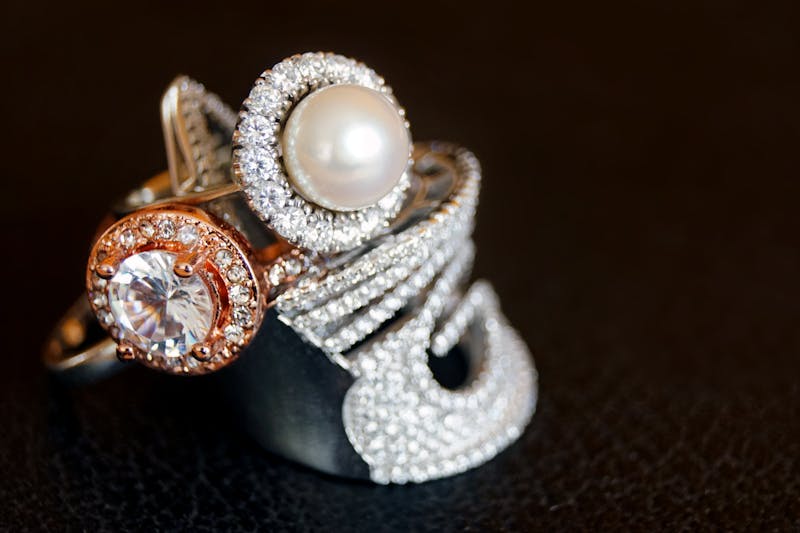
A customer once came into a jeweler's shop and spent forty-five minutes deciding between a silver pendant and a gold-fill version of the exact same design. Same stone, same chain style, same length. The only difference was the metal color. She left without buying either one.
Choosing between silver and gold isn't just about color preference. Each metal has different properties, different care requirements, different price points, and different long-term behavior. Making the right choice means understanding what you're actually getting — not just what it looks like in the display case.
This guide covers the three most popular jewelry metals — sterling silver, gold (solid and gold-fill), and rose gold — with honest comparisons of durability, cost, maintenance, skin sensitivity, and which metal works best for which situations. Whether you're buying your first quality piece or building a collection, this information helps you spend wisely.
Sterling Silver (925)
What It Is
Sterling silver is an alloy of 92.5% pure silver and 7.5% other metals (usually copper). The 925 stamp you see on quality silver jewelry refers to this composition — 925 parts per thousand pure silver. Pure silver (999) is too soft for practical jewelry, so the copper adds hardness and durability.
The copper content is what causes tarnishing — copper oxidizes when exposed to air, moisture, and sulfur compounds. This is why sterling silver turns dark, yellowish, or even black over time. It's not a defect; it's chemistry.
Pros
- Affordable: Sterling silver is the most accessible precious metal. A quality silver pendant necklace typically costs $20-60 from an independent jeweler, compared to $80-200 for gold-fill and $300-1000+ for solid gold. For building a jewelry wardrobe on a budget, silver is the obvious starting point.
- Hypoallergenic for most people: The 92.5% silver content means most people can wear sterling silver without reactions. However, the 7.5% copper can cause reactions in people with copper sensitivity. If you've ever had green marks on your skin from jewelry, that's copper reacting with your skin's acids.
- Durable for daily wear: Sterling silver is harder than pure gold (24k). It resists bending and scratching better than you'd expect. A well-made silver ring can last decades with reasonable care.
- Easy to resize and repair: Silversmiths can resize silver rings, fix broken chains, and replace clasps relatively easily. The melting point is lower than gold, making repairs simpler and cheaper.
- Timeless aesthetic: Silver's cool white tone has never gone out of style. It pairs beautifully with cool skin tones, blue and gray clothing, and practically any gemstone color.
- Workable for handmade jewelry: Silver is excellent for hand fabrication. It's soft enough to texture, shape, and form by hand, but hard enough to hold its shape. This is why many independent jewelers prefer working with silver.
Cons
- Tarnishes: This is the biggest complaint. Silver reacts with sulfur compounds in the air (present in pollution, some foods, and even paper) and turns dark. Tarnishing is inevitable — the only question is how fast. Humid environments accelerate it, as does contact with perfume, lotion, and sweat.
- Can cause green skin marks: The copper content reacts with some people's skin chemistry, leaving green or black marks where the jewelry touches skin. This isn't an allergy — it's a chemical reaction. It's harmless and washes off, but it's annoying.
- Heavier than gold-fill: Silver is denser than gold alloys. A silver chain feels heavier than a gold-fill chain of the same size. Some people find this uncomfortable for earrings or large pendants.
- Lower perceived value: Fair or not, silver is perceived as less valuable than gold. For gifts and special occasions, some people prefer gold specifically because it signals greater value.
- Solder joints are visible: Silver solder tends to be slightly different in color than the surrounding metal, making joints more visible than on gold pieces where solder can be better color-matched.
Best Uses
- Everyday jewelry that you're willing to clean regularly
- Earrings for people without copper sensitivity
- Statement pieces where the design matters more than the metal value
- Handmade and artisan jewelry where craft matters more than material prestige
- Cool-weather wardrobes and cool-toned clothing
Gold-Fill (14k/12k)
What It Is
Gold-fill (also called gold-filled) is NOT the same as gold-plated. This is the most misunderstood distinction in jewelry metals.
Gold-fill consists of a thick layer of karat gold (typically 14k, sometimes 12k) mechanically bonded to a base metal core (usually brass or copper). The gold layer must be at least 1/20th (5%) of the total weight by law. In practice, quality gold-fill has a gold layer that's 50-100 times thicker than gold plating.
Gold-plated has a thin layer of gold (typically 0.5-2.5 microns) applied through electroplating. The gold layer is so thin that it wears off within 6-18 months of regular wear, exposing the base metal underneath.
Think of the difference like this: gold-fill is like a hardwood floor, gold-plated is like wood veneer. One lasts decades, the other looks nice for a year before the surface wears through.
Pros
- Lasts 5-30 years: The thick gold layer resists wear extremely well. With proper care, a gold-fill piece can last decades without the gold wearing through. People routinely wear gold-fill wedding bands for 10-20 years with minimal wear.
- Same appearance as solid gold: Because the outer layer is actual karat gold, gold-fill looks identical to solid 14k gold. The color, luster, and weight distribution are the same to the naked eye.
- Fraction of solid gold cost: Gold-fill typically costs 3-8 times less than solid gold of the same design. A gold-fill pendant that costs $80 might cost $400-800 in solid 14k gold. For most people, the visual and wearing difference doesn't justify 5-8x the price.
- Hypoallergenic: The thick gold layer completely encapsulates the base metal core. As long as the gold layer is intact, your skin only contacts karat gold. People with metal sensitivities can usually wear gold-fill without issues.
- No tarnishing: Unlike silver, karat gold doesn't tarnish. Gold-fill pieces maintain their color indefinitely. You might see slight darkening at solder joints or in deep crevices over many years, but the surface stays gold.
- Can be lightly polished: When gold-fill does show wear, it can be lightly polished to restore the surface. Unlike gold-plated, there's enough gold material to polish without wearing through to the base metal.
Cons
- Can wear through at high-friction points: Rings are the highest-risk gold-fill pieces because they experience constant friction against surfaces. After 5-15 years of daily wear, a gold-fill ring may show the base metal at the bottom edge. Necklaces and earrings last much longer because they experience less friction.
- Not hallmarked as "gold": Legally, gold-fill cannot be stamped with karat marks like "14K." It's typically stamped "1/20 14K GF" or similar. This makes it less desirable for people who want the prestige of a "14K" stamp.
- Limited availability: Fewer jewelers work with gold-fill compared to silver or solid gold. Finding gold-fill pieces (especially from established jewelers) requires more searching than silver or solid gold.
- Cannot be resized or repaired easily: Soldering gold-fill requires special techniques to avoid melting the gold layer. Many jewelers won't resize or repair gold-fill pieces. This is a significant disadvantage for rings.
- Heavier than solid gold: Gold-fill has a denser base metal core, making it slightly heavier than solid gold of the same design. The difference is small but noticeable on larger pieces.
Best Uses
- Everyday necklaces, earrings, and bracelets (low-friction pieces)
- People who want the gold look without solid gold prices
- Gift jewelry that needs to look impressive without breaking the budget
- Wedding and engagement jewelry for budget-conscious couples
- People with metal sensitivities who can't wear silver
When to Choose Solid Gold Over Gold-Fill
Solid gold is worth the extra cost when:
- The piece will be worn every day for decades (wedding bands, everyday rings)
- You need to resize the piece (rings especially)
- You want the piece as an investment or heirloom
- You live in a humid or salty environment where jewelry corrodes faster
- The piece experiences heavy friction (rings, bracelets worn on the dominant hand)
Rose Gold
What It Is
Rose gold isn't a pure metal — it's a gold alloy. Pure gold is mixed with copper to create the pinkish-red tone. The more copper in the alloy, the more pronounced the rose color:
- 14K rose gold: 58.3% gold, ~25% copper, ~16.7% silver. The most common rose gold for jewelry. Has a subtle pink tone that's warm but not overwhelming.
- 18K rose gold: 75% gold, ~20% copper, ~5% silver. A more muted, sophisticated rose tone. Higher gold content means the rose color is more subtle.
- 10K rose gold: 41.7% gold, ~40% copper, ~18.3% silver. The most affordable rose gold option. Has a more pronounced pink-red color due to higher copper content.
Rose gold can be solid gold alloy or gold-fill with a rose gold outer layer. Both options are available, with the same durability differences as yellow gold-fill vs. solid yellow gold.
Pros
- Flattering on all skin tones: This is rose gold's superpower. Where silver flatters cool skin and yellow gold flatters warm skin, rose gold's pink tone works with virtually every skin tone. It's the most universally flattering metal color.
- Unique without being flashy: Rose gold stands out from the typical silver/gold binary without being ostentatious. It reads as sophisticated and intentional rather than trendy or showy.
- Same durability as yellow gold alloys: The copper content actually makes rose gold slightly harder than yellow gold of the same karat. 14K rose gold is more scratch-resistant than 14K yellow gold.
- Complements warm-colored gemstones: Rose gold pairs beautifully with pink stones (rose quartz, morganite, pink sapphire), warm stones (carnelian, amber), and even cool stones that benefit from warm contrast (blue sapphire, emerald).
- Maintains its color: Unlike some jewelry that changes color over time, rose gold maintains its warm tone. The copper content doesn't oxidize the way pure copper does because it's alloyed with gold.
- Trending but established: Rose gold has been popular for over a decade, suggesting it's a lasting preference rather than a passing trend. Cartier introduced rose gold in the 1920s, and it's been a jewelry staple ever since.
Cons
- Copper sensitivity concerns: The higher copper content means people with copper sensitivity may react to rose gold more than yellow gold. 14K rose gold has roughly 25% copper — significantly more than the copper content in sterling silver.
- Limited matching options: Rose gold is harder to match with other metals. Mixing rose gold with yellow gold or silver requires deliberate styling. Finding complementary jewelry in the same rose tone can be challenging.
- Not available in all designs: Not every jeweler offers rose gold versions of their designs. The selection is typically smaller than yellow gold or silver.
- More expensive than silver: Rose gold (solid or fill) costs significantly more than sterling silver. It's comparable in price to yellow gold-fill or solid yellow gold of the same karat.
- Can develop patina: Over very long periods, some rose gold develops a slight patina as the copper content subtly reacts. Most people find this adds character, but it's not the pristine look some prefer.
Best Uses
- Engagement and wedding rings (the most popular non-traditional metal choice)
- Everyday pieces where you want something distinctive
- Gift jewelry — rose gold feels special and thoughtful
- Warm-climate wardrobes where rose gold complements sun-tanned skin
- Mixed-metal jewelry collections (rose gold as the warm accent)
Head-to-Head Comparison
Durability (Daily Wear)
From most to least durable for daily wear:
- Solid 14k gold: The most durable precious metal option. Resists scratching, bending, and corrosion. Lasts a lifetime with minimal care.
- Rose gold (solid): Slightly harder than yellow gold due to copper content. Excellent durability.
- Gold-fill (14k): Very durable for necklaces and earrings (10-20+ years). Less durable for rings (5-15 years before wear-through at friction points).
- Sterling silver: Durable but prone to tarnishing and bending under pressure. Needs more frequent maintenance.
Maintenance Requirements
From least to most maintenance:
- Gold-fill / solid gold: Wipe with a soft cloth occasionally. Professional cleaning once a year is sufficient. No tarnishing to manage.
- Rose gold (solid/fill): Same as yellow gold. Occasional polishing. No special maintenance needed.
- Sterling silver: Regular polishing with a silver cloth (weekly for daily-wear pieces). Deep cleaning with silver polish monthly. Anti-tarnish storage bags help. Higher maintenance than gold options.
Cost Comparison (Similar Design, From Independent Jewelers)
- Sterling silver pendant necklace: $20-60
- Gold-fill pendant necklace: $80-200
- Solid 14k gold pendant necklace: $300-1000+
- Solid 14k rose gold pendant necklace: $350-1100+ (slight premium over yellow gold)
Gold-fill offers the best value — 80-90% of the solid gold experience at 20-30% of the cost.
Skin Sensitivity
From most to least hypoallergenic:
- Solid 14k gold (or higher): 58.3%+ pure gold, very low reaction rate. 18k and 24k are even more hypoallergenic.
- Gold-fill: The thick gold layer prevents skin contact with base metals. Hypoallergenic as long as the gold layer is intact.
- Sterling silver: 92.5% silver is generally well-tolerated, but the 7.5% copper can cause reactions in sensitive individuals.
- Rose gold: The copper content (20-40% depending on karat) makes this the least hypoallergenic gold option. People with copper sensitivity may react.
- Silver: Cool, clean, modern. Best with cool skin tones and blue/gray/purple clothing. Less warm than gold options.
- Yellow gold: Warm, traditional, rich. Best with warm skin tones and earth-tone/black clothing. The classic jewelry metal.
- Rose gold: Warm-neutral, romantic, versatile. Flatters all skin tones. The most universally adaptable metal color.
- You're building your first quality jewelry collection on a budget
- You prefer cool-toned metals and have cool-toned skin
- You don't mind regular polishing and maintenance
- You're buying handmade or artisan pieces where craftsmanship matters more than material
- You wear jewelry occasionally rather than daily
- You want the gold look without solid gold prices
- You need a piece for daily wear that won't tarnish
- You have metal sensitivities that prevent wearing silver
- The piece is a necklace, bracelet, or earrings (not a ring)
- You want the best value in precious metal jewelry
- You want a metal that flatters your skin tone regardless of undertone
- You're buying an engagement or wedding ring and want something distinctive
- You want warm tones without the traditional look of yellow gold
- You appreciate the romantic, feminine quality of pink-hued metals
- You're willing to pay gold prices for a unique look
- The piece is a lifelong investment (wedding band, heirloom)
- You need to resize it (especially rings)
- You live near salt water or in high humidity
- You want maximum durability with minimum maintenance
- The cost difference is justified by the intended use
Visual Impact
Other Metals Worth Considering
Platinum
Platinum is the premium option: harder than gold, hypoallergenic, doesn't tarnish, and retains its white-silver color indefinitely. It's also 30-50% more expensive than gold. Best for wedding bands and investment pieces where cost is secondary to permanence.
Stainless Steel
Surprisingly good for everyday jewelry. Extremely durable, hypoallergenic (surgical-grade 316L), affordable ($10-40), and doesn't tarnish. The downside: can't be resized, limited design options, and lower perceived value. Great for men's jewelry, casual pieces, and people who are hard on their jewelry.
Titanium
Ultra-lightweight, extremely strong, and hypoallergenic. Popular for men's rings. Can't be resized and limited in color options (naturally gray, can be anodized for color). Affordable for the quality ($30-100).
Making Your Choice
Choose Silver If:
Choose Gold-Fill If:
Choose Rose Gold If:
Choose Solid Gold If:
The best metal is the one that fits your life, your budget, and your skin. A $40 silver pendant that you love and wear every day is worth more than a $500 gold piece that sits in a drawer. Choose what works for you — not what the price tag says you should want.
Comments