Selling crystals online in 2026: what actually works
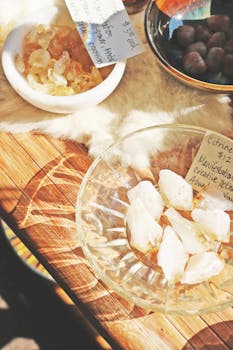
Selling crystals online has changed a lot since 2020. The pandemic-era crystal boom brought thousands of new sellers onto Etsy, Instagram, and Shopify, and the market hasn't exactly thinned out since. What has changed is how buyers find you, what they expect from your shop, and which platforms are actually worth your time.
I've spent the past two years watching crystal sellers grow (and stall) across different platforms, and the patterns are pretty clear. Here is what works in 2026, separated from what sounds good in a YouTube tutorial.
Platform comparison: where to actually sell
Etsy
Etsy is still the default starting point for most crystal sellers, and for good reason. The platform has built-in traffic — roughly 95 million active buyers as of late 2025. Someone searching for "rose quartz tower" on Google will likely see an Etsy listing on the first page. That organic search traffic is hard to replicate on your own.
The catch is the cost. Etsy charges a $0.20 listing fee (every 4 months), a 6.5% transaction fee, a 3% + $0.25 payment processing fee, and if you use their offsite ads, another 12-15% on sales from those ads. All together, fees eat 15-25% of your revenue. On a $45 crystal, you might walk away with $34-38 after fees.
Etsy also has strict rules about handmade vs. supply items. If you're selling polished stones you didn't cut yourself, you need to list them in the "supplies" category, which has different fee structures and less visibility. The platform has gotten more aggressive about policing this, with shops getting suspended for miscategorization.
Shopify
Shopify gives you complete control over your store design, pricing, and customer data. You pay $39/month for the Basic plan, plus payment processing fees (2.9% + $0.30 for Shopify Payments). No listing fees, no category restrictions, nobody telling you how to format your product descriptions.
The problem is traffic. Shopify gives you a website. It does not give you customers. You need to drive every single visitor through social media, Google Ads, SEO, or email marketing. For a new seller with no audience, this is a serious challenge. Most Shopify crystal stores don't see meaningful organic traffic for 6-12 months.
Shopify works best if you already have a social media following, or if you're willing to invest in ads and content creation from day one. If you're starting from zero, I'd still recommend Etsy first and add a Shopify store once you have a repeat customer base.
Instagram and TikTok
In 2026, these platforms are less about direct sales and more about audience building. Instagram Shopping integration has gotten worse, not better — Meta has been quietly de-prioritizing shopping features since late 2024. TikTok Shop exists in the US now, but the commission structure (5-8%) plus shipping requirements make it tricky for fragile crystal products.
What does work: posting content that drives people to your actual store. Short-form video showing crystal sourcing, packing orders, or the difference between grades of amethyst — that kind of behind-the-scenes content builds trust and gets shared. The key is consistency. One post a week won't cut it. The accounts that grow post 4-6 times per week, mix photos with video, and actively respond to comments.
Product photography: the make-or-break factor
I'll say this bluntly: if your crystal photos look like you took them on your bed with your phone flash on, people will scroll past. In 2026, the visual standard is high enough that bad photos actively hurt your credibility.
You don't need a professional setup. Here is what you do need:
A clean white or light gray background. A piece of poster board from a dollar store works. Natural window light, ideally in the morning or late afternoon when it's soft. A phone with a decent camera — any iPhone from the last 4 years or a Samsung Galaxy S21 or newer is fine. A simple photo editing app to adjust brightness and white balance.
Every listing should have at least 5 photos: one straight-on shot on a white background, one close-up showing texture and inclusions, one showing the piece in hand or next to a common object for scale, one showing the color under different lighting, and one lifestyle shot (on a desk, shelf, or in a garden).
For higher-priced items ($75+), consider adding a short video showing the crystal from different angles and under a light source. Buyers spending that much want to feel like they're seeing the actual piece, not a flat image.
SEO basics that actually matter
Search engine optimization on Etsy and your own site comes down to a few specific things:
Your product title should contain the exact phrase a buyer would search for. "Natural Amethyst Crystal Tower 4 Inch Purple Quartz Point" is a good title. "Beautiful Purple Dream Energy Tower ✨" is not. Think about what you would type into the search bar if you were looking for this item.
Your product description should be at least 500 words. This sounds excessive, but Etsy's algorithm indexes your description text, and longer descriptions with relevant keywords rank higher. Write about the stone's physical properties (color, clarity, origin if known), dimensions, what makes this particular piece unique, and care instructions. Avoid making healing or metaphysical claims — Etsy has been removing listings that violate their policy on unproven health claims since mid-2024.
Use all 13 tags on Etsy. Mix specific terms ("amethyst tower") with broader ones ("purple crystal decor") and long-tail phrases ("large amethyst tower home decor"). Don't waste tags on vague words like "pretty" or "gift."
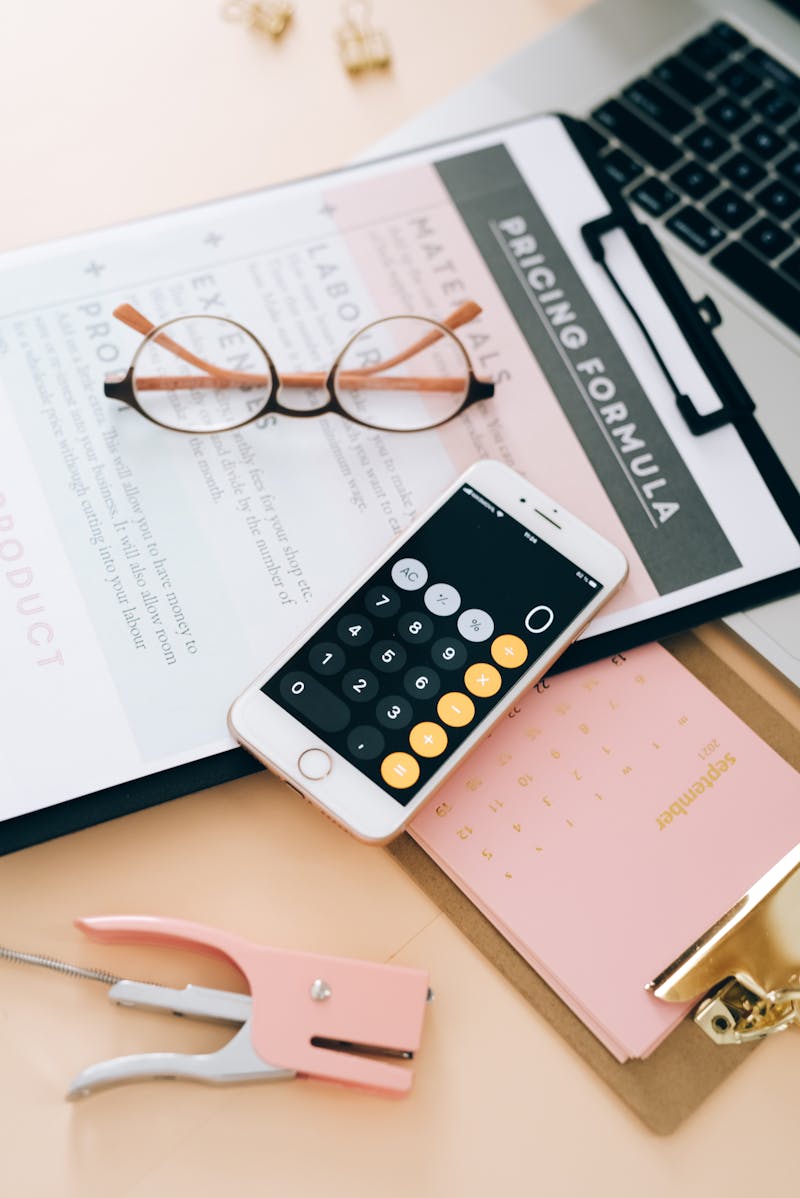
Pricing strategy for online sales
Do not try to be the cheapest seller. There is always someone willing to sell a lower-quality stone for less money, and competing on price in a saturated market is a losing game.
Instead, have a clear value proposition. Maybe you hand-select every stone from a specific mine. Maybe your wrapping technique is visibly different. Maybe you include a hand-written card explaining where the stone came from. Maybe your packaging is noticeably better. Whatever it is, make it visible in your photos and descriptions.
Pricing in the middle-to-upper range of your category actually works in your favor. Buyers who spend $30-80 on crystals online tend to associate higher prices with better quality. A $45 rose quartz tower with great photos and a detailed description will often sell better than a $25 one with mediocre photos, even if the stones are similar grade.
Shipping and packaging for fragile items
Crystals break. That's just physics. Your job is to make sure they don't break in transit.
Wrap each crystal individually in bubble wrap (at least two layers for anything over 2 inches). Use a box, not a mailer — poly mailers offer zero crush protection. Fill empty space in the box with packing peanuts, crinkle paper, or more bubble wrap so the item doesn't shift. For pieces over $50, double-box it (inner box inside an outer box with cushioning between them).
Use a shipping service that includes insurance. USPS Priority Mail includes $100 of coverage for free, and you can buy additional coverage for high-value items. UPS and FedEx include declared value coverage but tend to be more expensive for small packages.
Have a clear return and damage policy stated on your listing and shop page. For crystal sellers, a reasonable policy is: "If your item arrives damaged, contact us within 48 hours with photos and we will send a replacement or issue a full refund." This sets expectations and protects you from unreasonable claims while showing buyers you stand behind your products.
What's actually trending in 2026
Short-form video content has overtaken static photos for engagement on every major platform. TikTok, Instagram Reels, and YouTube Shorts all prioritize video in their algorithms. A 15-second video of a crystal catching light will get 5-10x the reach of a still photo. This doesn't mean stop posting photos — it means video should be a regular part of your content mix.
AI-generated content is a double-edged sword. AI product descriptions are everywhere now, and buyers are starting to notice. If every listing reads like it was written by ChatGPT (and a lot of them are), your shop looks generic. Write your own descriptions, or at least edit AI drafts heavily enough that they sound like a person. Same goes for AI-generated crystal images — they look wrong to anyone who handles real stones regularly, and the backlash against fake product photos has been growing since late 2025.
Transparency and sourcing stories are selling well. Buyers in 2026 want to know where their crystals come from. If you can document your supply chain — even just naming the country or region of origin — that builds trust. "Sourced directly from a family mine in Minas Gerais, Brazil" means more than "natural amethyst."
Sustainability is moving from nice-to-have to expected. Recyclable packaging, minimal plastic, and carbon-offset shipping options are becoming differentiators. Not every buyer cares, but enough do that it's worth investing in kraft paper alternatives and mentioning it in your shop.
The honest summary
Selling crystals online in 2026 is absolutely viable, but the "list it and they will come" era is over. You need decent photos, real writing, consistent social media content, and pricing that reflects your actual costs. Pick one platform to start (probably Etsy), learn it thoroughly, build a customer base, then expand. Trying to be everywhere at once is how you burn out in three months.
Comments