Same Family, Different Personalities
Same Family, Different Personalities
Sapphire and ruby share something most people don't realize: they're the same mineral. Corundum. Aluminum oxide, to be specific. The only difference between them is trace elements. Chromium turns corundum red, and that's a ruby. Iron, titanium, or other elements turn it blue, yellow, green, or practically any other color, and that's a sapphire.
Despite this shared origin, sapphire and ruby feel like completely different stones when you're actually choosing between them. The decision isn't just about color preference — it involves budget, intended use, durability concerns, and what the stone represents to you. Let's break it down.
Color: The Obvious Starting Point
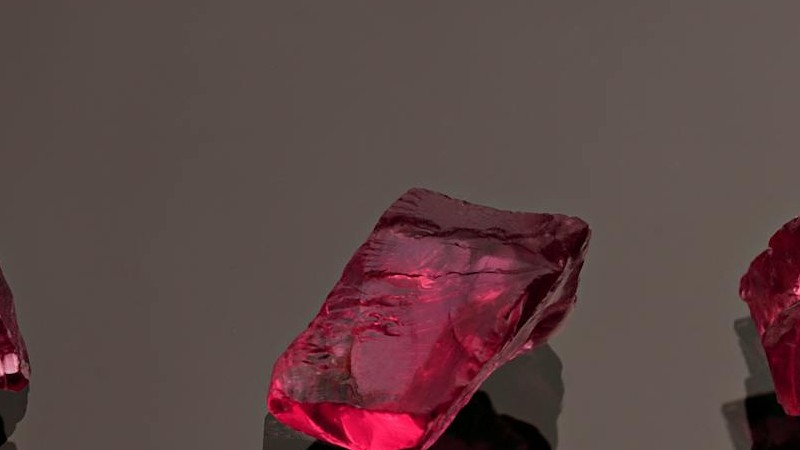
Ruby is defined by its red. But not all red is equal. The most valued rubies display what gemologists call "pigeon's blood red" — a pure, intense red with just a hint of blue. These come primarily from Myanmar (Burma) and command astronomical prices. Most rubies on the market are darker, purplish-red, or slightly brownish. Heat treatment is extremely common and widely accepted — untreated rubies of good color are rare enough to be collector's items.
Sapphire, by contrast, covers a much wider color range. Blue is the default, but "fancy sapphires" come in yellow, pink, orange, green, purple, and even color-changing varieties that shift between blue and purple under different lighting. Blue sapphires from Kashmir are considered the finest, followed by Burmese and Sri Lankan stones. Like rubies, most sapphires are heat-treated to improve their color.
If color variety matters to you, sapphire wins hands down. If you want the emotional punch of a single, powerful color, ruby is hard to beat.
Durability: A Tie, Basically
Both stones score 9 on the Mohs hardness scale. Only diamond is harder. This means either stone can handle daily wear — rings, bracelets, everyday pieces — without significant concern about scratching. They're among the most durable gemstones you can buy.
There are subtle differences worth knowing. Rubies tend to have more inclusions (tiny internal features) than sapphires, and some inclusions can create weak points. A heavily included ruby might be more prone to chipping under a hard impact than a clean sapphire. But for normal wear, this is rarely a practical concern.
Both stones resist chemical exposure well. They can handle soap, most household cleaners, and moderate heat. Ultrasonic cleaners are generally safe for both, though heavily included stones should be cleaned more gently.
Price: Where Things Get Interesting
This is where the comparison gets complicated because the price ranges for both stones overlap so much.
At the low end, small commercial-grade sapphires (under 1 carat, treated, with included or dark color) can cost $50-$200 per carat. Similar quality rubies start a bit higher, maybe $100-$300 per carat, because even mediocre red corundum commands a premium over blue.
At the high end, the gap widens dramatically. Fine unheated rubies from Myanmar have sold at auction for over $1 million per carat. Fine unheated Kashmir sapphires have reached similar heights, but they're slightly more available. For most buyers in the $500-$5,000 range, you can get a noticeably nicer sapphire than ruby for the same money.
If budget is a primary concern and you want the biggest, cleanest stone possible, sapphire gives you more bang for your buck. If you specifically want red and are willing to accept smaller size or more inclusions, ruby is still achievable at moderate prices.
Symbolism and Cultural Meaning
Ruby has been associated with passion, power, and protection across many cultures. In ancient Burma, warriors believed that inserting rubies under their skin made them invincible in battle. In medieval Europe, ruby was thought to predict danger by darkening in color. It's the birthstone for July and the traditional gift for the 15th and 40th anniversaries.
Sapphire has its own rich history. Ancient Persians believed the sky was blue because it rested on a giant sapphire. The stone has been linked to wisdom, truth, and faithfulness — which is why it's the traditional choice for engagement rings in some cultures (Princess Diana's sapphire ring being the most famous modern example). It's the birthstone for September.
Neither stone's symbolism is "better" — it depends on what resonates with you. Ruby for intensity and passion. Sapphire for calm and clarity. Both have thousands of years of cultural weight behind them.
Clarity and Inclusions: Different Standards
Sapphire buyers tend to be more forgiving of inclusions than ruby buyers, and here's why. Silk inclusions (tiny needle-like rutile crystals) in sapphire can actually enhance the stone's appearance by creating a velvety look that some people prefer over a completely clean stone. These inclusions are also what create the star effect in star sapphires when the stone is cut as a cabochon.
Ruby inclusions are viewed more negatively. The ideal ruby is eye-clean, and visible inclusions can significantly affect value. That said, some rubies contain interesting mineral inclusions (like tiny rutile needles or crystal growth patterns) that make each stone unique. Some collectors actually prefer included stones for this reason.
The practical takeaway: when shopping for sapphire, don't automatically reject slightly included stones — they might look beautiful. When shopping for ruby, pay closer attention to clarity, as inclusions affect value more.
Cut Considerations
Both stones are frequently cut into oval and cushion shapes, which tend to preserve more of the rough crystal's weight than round cuts. Round sapphires and rubies exist but are less common and typically more expensive per carat because so much of the rough material is lost in the cutting process.
Sapphire has an advantage here because its wider color range means cutters can experiment more. Fancy sapphires are often cut into unique shapes — trillions, pears, marquises — to maximize their color play. Rubies, being valuable in smaller sizes, are usually cut more conservatively to preserve weight.
If the cut matters a lot to you (and it should — a well-cut stone has better brilliance and color saturation), you'll find more cutting variety in sapphire. If you're looking at a classic oval or cushion, either stone works beautifully.
Treatments: What You Need to Know
Both stones are commonly heat-treated, and this is industry-standard and permanent. Heat treatment improves color and clarity by dissolving some inclusions and intensifying the body color. It doesn't make the stone "fake" or significantly less valuable — most of the world's supply goes through this process.
What you should be cautious about are more invasive treatments. Ruby is sometimes fracture-filled with lead glass to improve clarity. This makes the stone look better initially, but the filling can be damaged by heat or chemicals during repairs. These stones should cost significantly less than untreated or heat-only treated stones.
Beryllium diffusion is another treatment used on both stones, where the stone is heated with beryllium to create surface color. The color is shallow and can be affected by re-polishing. Again, these should be disclosed and priced accordingly.
Always ask for treatment disclosure when buying either stone. A reputable seller will provide this information. If they won't, or say the stone is "untreated" without a lab certificate to back it up, that's a red flag.
Setting and Style Compatibility
Both stones work in virtually any setting style, but there are some aesthetic considerations. Ruby's warmth pairs beautifully with yellow gold — the combination has been popular for centuries and still looks classic. It also works in white gold or platinum, where the contrast between the red stone and white metal is striking.
Sapphire, especially blue, is perhaps the most versatile colored stone for settings. Blue sapphire in white gold or platinum is elegant and traditional. In yellow gold, it feels warmer and more vintage. Pink and yellow sapphires open up even more design possibilities.
For engagement rings specifically, sapphire has a slight edge in versatility because the color range lets you match or contrast with the wearer's skin tone and wardrobe preferences. Ruby engagement rings are bolder and more attention-grabbing — some people love that, others find it too much for daily wear.
So, Which One?
Choose ruby if you want a stone that feels intense, passionate, and commanding. There's nothing subtle about a good ruby. It draws the eye immediately and doesn't apologize for it. Budget-wise, be prepared to compromise on size or clarity compared to sapphire at the same price point.
Choose sapphire if you want more options — in color, in cutting style, in price range. A well-chosen sapphire can be subtle and sophisticated or bold and colorful, depending on what you pick. You'll generally get a larger, cleaner stone for your money.
Or choose both. There's no rule that says you have to pick one. A lot of jewelry lovers build collections that include both, worn on different occasions or in different combinations. The best choice is the one that makes you reach for it again and again, regardless of what anyone else thinks.
Comments