Rutilated Quartz: Unveiling the Golden Needle
May 14, 2026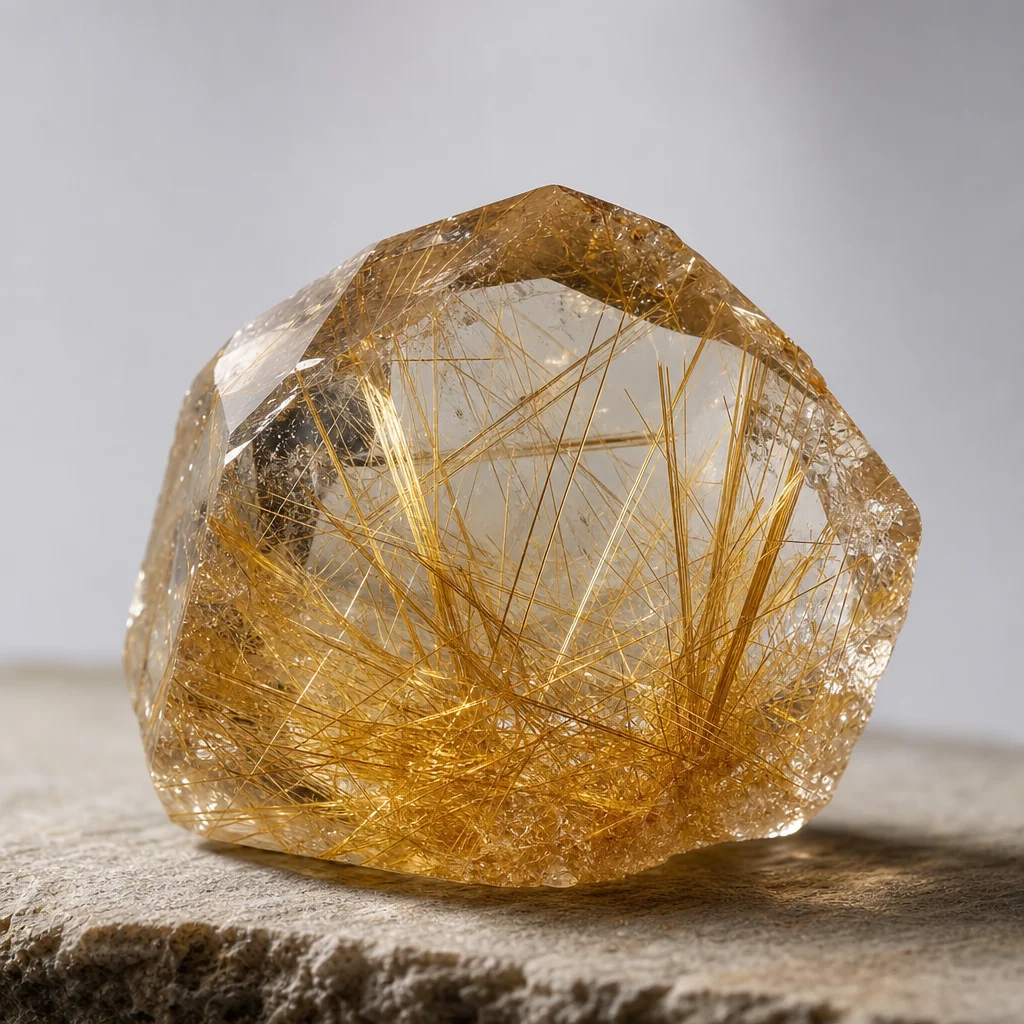
Rutilated Quartz: Golden Needles in Clear Crystal
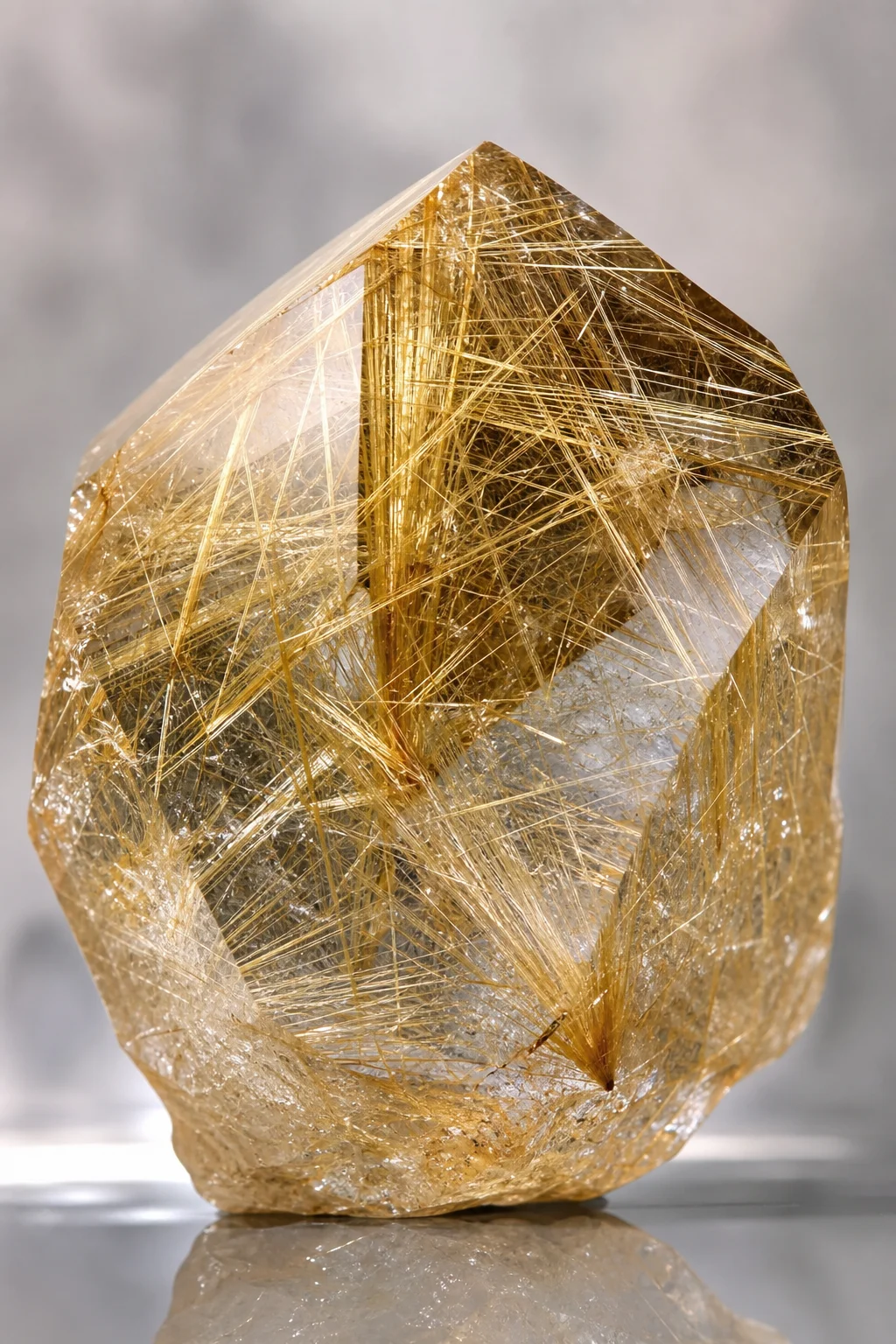
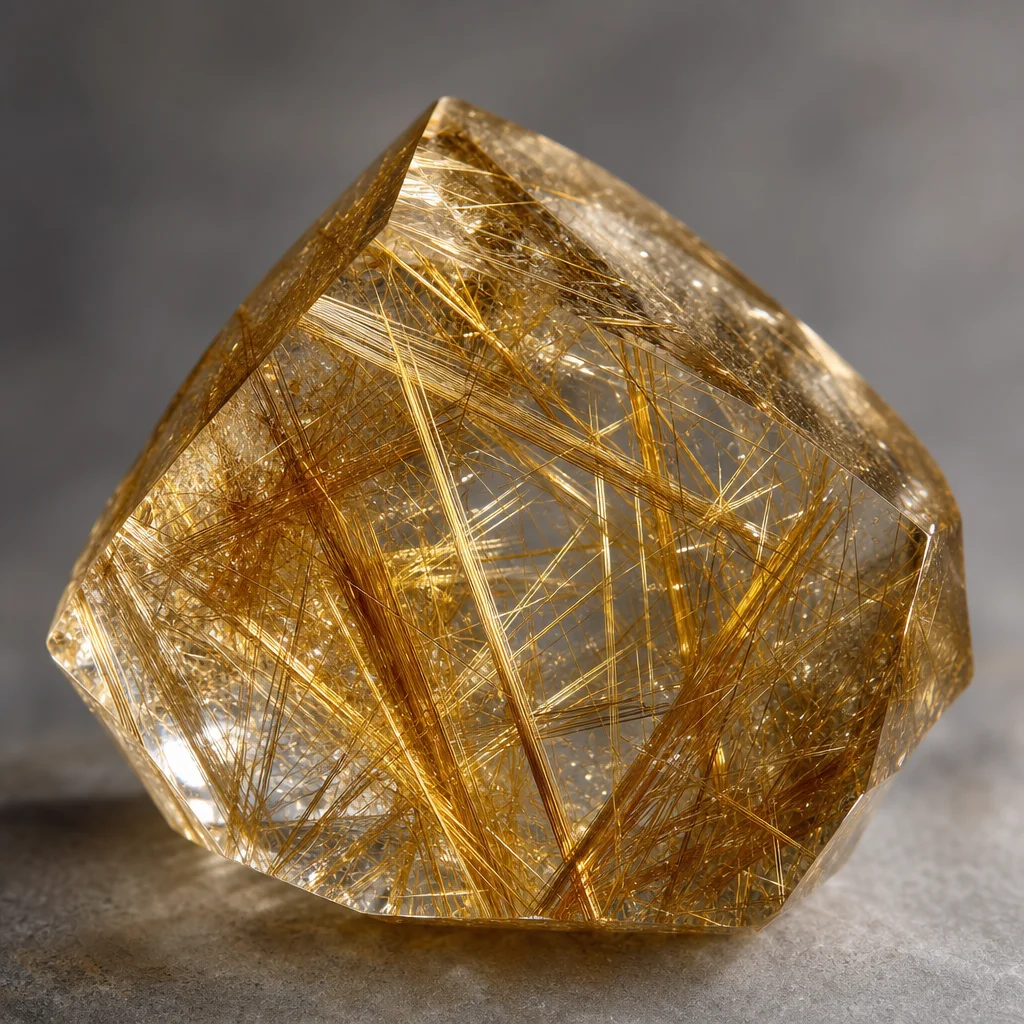
Most people see quartz as a clear, simple stone. But crack open a piece of rutilated quartz, and you'll find something unexpected: delicate golden threads suspended inside, like frozen strands of silk caught mid-air. These needle-like inclusions of rutile — a titanium dioxide mineral — transform ordinary quartz into something far more visually complex.
The effect is striking. Depending on the density and orientation of the needles, a single stone can look like it contains a miniature fireworks display, a field of wheat, or even a frozen rainstorm. I've spent hours examining different specimens under a loupe, and no two pieces are ever quite the same.
What Exactly Is Rutilated Quartz?
At its core, rutilated quartz is quartz (silicon dioxide, SiO₂) that contains inclusions of rutile (TiO₂). The quartz forms first, creating a transparent or translucent host. Then, under different temperature and pressure conditions, rutile crystals grow inside the existing quartz framework. The result is a composite mineral where two distinct species coexist in a single stone.
Rutile crystals are typically slender, prismatic, and can range in color from golden yellow to reddish-brown to occasionally copper-red. In quartz, they most commonly appear as fine golden needles, which is why the stone is sometimes marketed under names like "golden needle quartz" or "Venus hair stone" — the latter referencing the Italian tradition of associating the golden threads with the goddess Venus's hair.
The hardness sits at around 7 on the Mohs scale (matching quartz itself, since rutile is harder at 6–6.5 but too thin to meaningfully affect scratch resistance). This makes it durable enough for everyday jewelry, though the inclusions can sometimes create planes of weakness if they're particularly dense.
Physical and Optical Properties
Here's where things get genuinely interesting from a mineralogy standpoint. The rutile needles don't just sit randomly inside the quartz. They often align along specific crystallographic axes of the host quartz, following the hexagonal symmetry of the quartz crystal system. In well-formed specimens, you can see the needles radiating outward in patterns that mirror the internal atomic structure of the quartz itself.
Refractive index differences between quartz (1.544–1.553) and rutile (significantly higher at around 2.6–2.9) create pronounced visual contrast. This is why the needles appear so distinct — light behaves very differently when passing through rutile versus the surrounding quartz, creating strong reflections that make each needle clearly visible even to the naked eye.
Transparency of the host quartz ranges from water-clear to slightly cloudy, and this variation dramatically affects the stone's overall appearance. A perfectly clear host lets you see every needle in sharp detail, while a slightly milky host softens the effect, giving the whole stone a dreamier, more ethereal quality.
Where It Comes From
Brazil is far and away the most prolific source of gem-quality rutilated quartz, particularly the Minas Gerais region. The deposits there produce specimens with especially vivid golden needles that have become the industry benchmark. Madagascar and Pakistan also produce notable material, though the needle color and density can differ — Pakistani material sometimes shows more reddish or copper-toned rutile, while Madagascan specimens lean toward finer, more hair-like inclusions.
Smaller deposits exist in Australia, Norway, and the United States (mainly in Colorado and North Carolina), but these rarely produce commercial quantities of gem-grade material. I've seen some lovely Norwegian specimens with particularly thick, well-defined needles, but they're more collector pieces than jewelry stock.
Uses in Jewelry and Design
Rutilated quartz occupies an interesting position in the jewelry world. It's not a traditional "precious" stone, yet high-quality specimens with dense, well-distributed golden needles can command prices that rival fine gemstones. The key factors are needle density, color saturation, and the clarity of the host quartz.
Cabochons are the most common cut, since the rounded surface showcases the internal needles without the faceting complications that inclusions can create. However, skilled lapidaries sometimes cut faceted rutilated quartz, using the internal needle patterns as a design element — orienting the cut so that light enters at angles that maximize the golden reflections.
Large statement pieces work particularly well with this material. A 20-carat rutilated quartz cabochon set in a simple bezel can be more visually compelling than many more expensive stones, simply because the internal pattern is so engaging. The stone essentially contains its own drama.
Designers also value it for its uniqueness factor. Since every piece has a different internal pattern, each piece of jewelry is inherently one-of-a-kind — a selling point that mass-produced gemstones can't match.
A Brief History
The name "rutile" comes from the Latin rutilus, meaning red — a reference to the mineral's common reddish color when found outside quartz. But the golden variety inside quartz has its own long history of appreciation. Roman naturalist Pliny the Elder described stones with internal "hair" in his Naturalis Historia (circa 77 AD), though he likely didn't understand the mineralogical mechanism behind what he was observing.
During the Renaissance, rutilated quartz was sometimes called "sagenite" — a term that has since fallen out of scientific use but occasionally appears in older jewelry descriptions and auction catalogs. Victorian-era jewelers were particularly fond of the stone, incorporating it into brooches and pendants that celebrated natural curiosities.
In many traditional systems, rutilated quartz has been associated with clarity of thought and spiritual growth. These associations vary considerably across cultures, and it's worth noting that such beliefs are cultural traditions rather than scientifically verified effects.
Buying Guide: What to Look For
Quality assessment for rutilated quartz is different from evaluating most gemstones, because you're essentially judging two things simultaneously: the host quartz and the rutile inclusions.
- Needle distribution: The most prized specimens show even, dense distribution across the stone. Clusters concentrated in one area while the rest is empty look unbalanced. Pieces where the needles radiate from a central point or flow in parallel bands tend to be more visually appealing than random scattering.
- Needle color: Bright golden-yellow is the most sought-after. Pale or washed-out needles are less desirable. Reddish and copper-toned needles have their own market but typically at lower prices than vivid gold.
- Host clarity: Clearer quartz is generally more valuable than cloudy material, though slightly milky hosts can be attractive if the needle pattern is strong enough to compensate.
- Cut quality: The cabochon should be well-proportioned with a good polish. Since rutile inclusions can interfere with polishing (the hardness difference creates challenges), poorly cut stones show surface irregularities and dulled areas.
- Size considerations: Rutilated quartz is widely available in sizes from small calibrated cabs to large freeform pieces. Unlike many gemstones, price per carat doesn't increase dramatically with size in commercial grades, making larger pieces relatively affordable.
A few practical warnings: be cautious of stones marketed as "rutilated" that actually contain tourmaline or goethite inclusions — these are different minerals with different visual characteristics. Genuine rutilated quartz has straight or slightly curved needles with a metallic luster, while tourmaline inclusions tend to be darker and more brittle-looking, and goethite forms more fibrous, rusty-brown patterns.
Also watch for dyed or heat-treated material. While relatively uncommon, some lower-grade quartz with weak inclusions gets enhanced to make the needles more prominent. Natural golden rutile has a warm, organic tone that's difficult to replicate artificially — if the color looks too uniform or overly saturated, ask questions.
Care and Maintenance
Rutilated quartz is reasonably tough but deserves a few precautions. Avoid ultrasonic cleaners, as the interface between quartz and rutile can sometimes harbor microscopic fractures that vibration might worsen. Warm soapy water with a soft brush is the safest cleaning method. Store it separately from harder materials to prevent scratching — though at Mohs 7, it's more likely to scratch other things than be scratched itself.
Prolonged exposure to strong sunlight won't damage the stone (both quartz and rutile are light-stable), but extreme temperature changes should be avoided. The different thermal expansion rates of quartz and rutile mean that rapid heating or cooling could, in theory, stress the inclusion boundaries. In practice, this is rarely an issue with normal wear, but it's a consideration for specimens stored in environments with temperature fluctuations.
For a comprehensive overview, see our Ultimate Crystal Guide for Beginners.
History and Cultural Significance of Rutilated Quartz
Rutilated quartz, with its golden allure, has been admired throughout history for its unique beauty. Ancient civilizations often attributed mystical properties to various crystals, and rutilated quartz was no exception. In Egypt, for example, quartz was believed to have protective qualities, and it was commonly used in amulets and jewelry to ward off evil spirits. The ancient Greeks and Romans also valued quartz for its supposed ability to purify water and protect against snakebites.
In the Middle Ages, rutilated quartz was associated with the idea of "true love," and it was often given as a gift to signify deep affection. The golden needles were seen as a symbol of fidelity and loyalty, much like the golden thread in the myth of Aphrodite, which represented the goddess's love and beauty.
How to Identify Rutilated Quartz
Identifying rutilated quartz can be a bit of a challenge, especially for beginners. Here are some key features to look for:
- Needle-like inclusions: The most defining characteristic of rutilated quartz is the presence of needle-like inclusions. These should be golden in color and may appear to radiate from a central point or in random patterns.
- Transparency: Rutilated quartz can range from transparent to translucent. A clear host allows for better visibility of the rutile needles.
- Color: The rutile needles are typically golden, but they can also be reddish-brown or even copper-red.
- Hardness: It has a hardness of 7 on the Mohs scale, similar to quartz, so it can be scratched but is durable enough for jewelry.
Care and Cleaning of Rutilated Quartz Jewelry
Caring for rutilated quartz jewelry is relatively straightforward. Here are some tips to keep your pieces looking their best:
- Regular Cleaning: Use a soft cloth to wipe down your jewelry after each wear. This helps remove any oils or dirt that may have accumulated.
- Avoid Harsh Chemicals: Do not use harsh chemicals or abrasive cleaners, as these can damage the surface of the stone.
- Storing Properly: Store your rutilated quartz jewelry in a soft cloth or jewelry box to prevent scratches and tarnishing.
- Avoid Extreme Temperatures: Avoid exposing your jewelry to extreme temperatures, as this can cause the stone to crack or the setting to loosen.
Using Rutilated Quartz in Meditation and Spiritual Practices
Rutilated quartz is often used in meditation and spiritual practices for its ability to enhance clarity and focus. The golden needles are said to represent the path to enlightenment, and they can help guide you through your practice. Here are a few ways to incorporate rutilated quartz into your spiritual routine:
- Meditation: Place a rutilated quartz crystal in front of you during meditation to help you stay focused and grounded.
- Affirmations: Hold a piece of rutilated quartz while reciting affirmations for clarity, focus, and spiritual growth.
- Chakra Balancing: Use rutilated quartz to balance the third eye chakra, which is associated with intuition and insight.
Comparison with Other Quartz Varieties
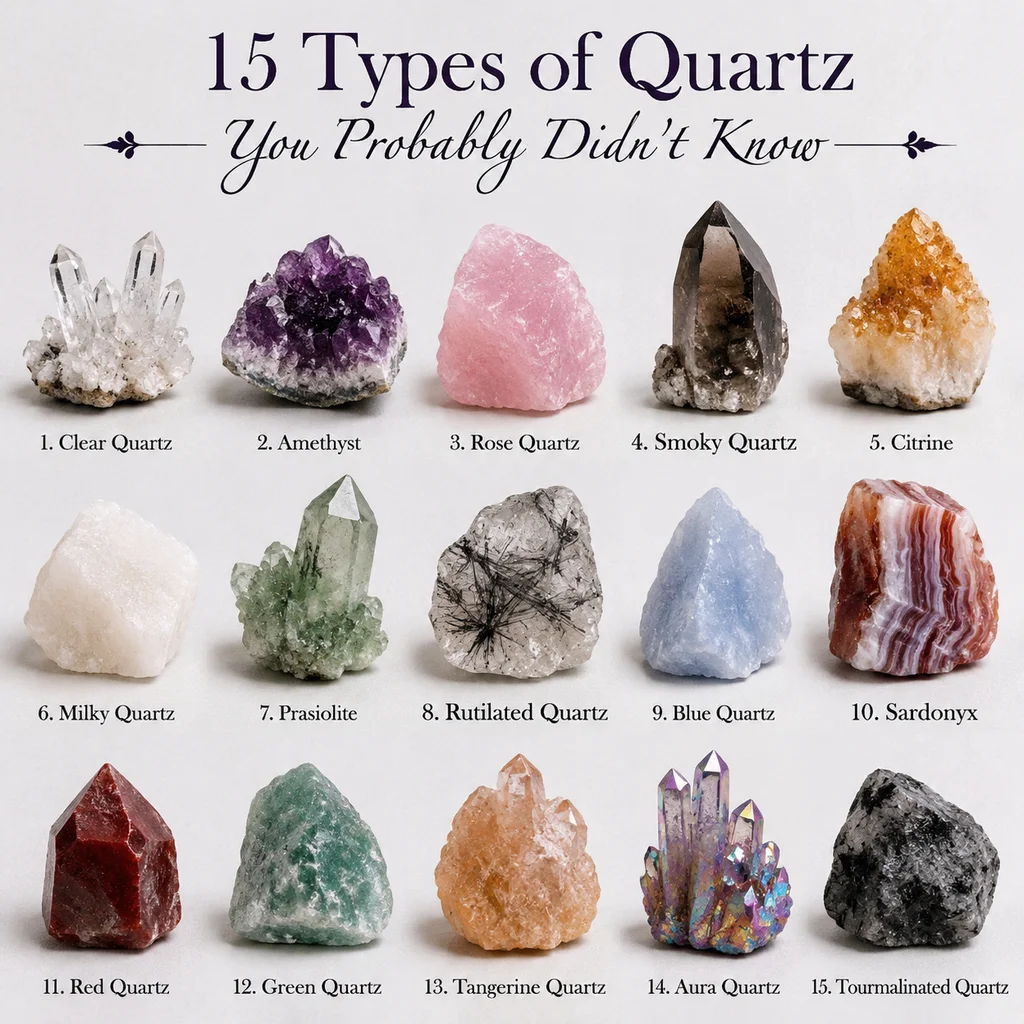
While rutilated quartz is a unique variety, it shares some similarities with other quartz types. Here's a quick comparison table to help you differentiate between them:
| Quartz Variety | Distinctive Features | Hardness (Mohs) |
|---|---|---|
| Rutilated Quartz | Needle-like rutile inclusions | 7 |
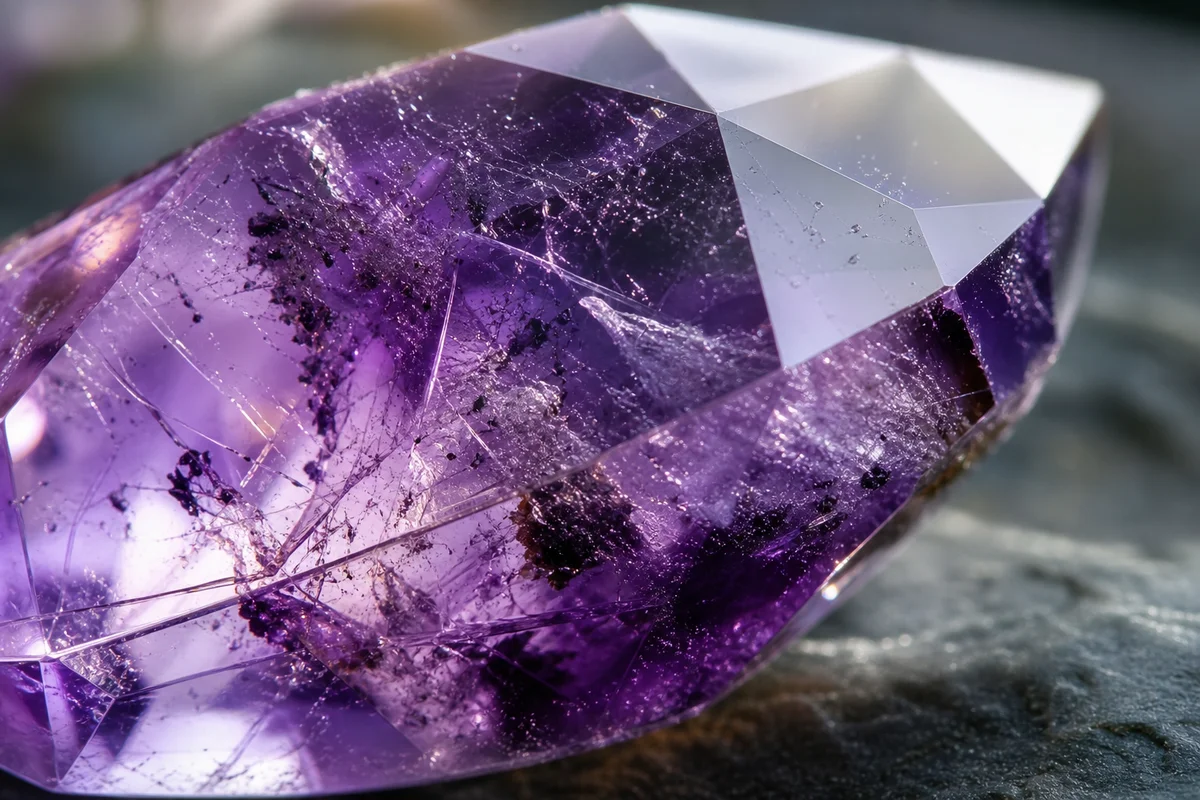
| Amethyst | Deep purple color | 7 |
| Smoky Quartz | Smoky brown color | 7 |
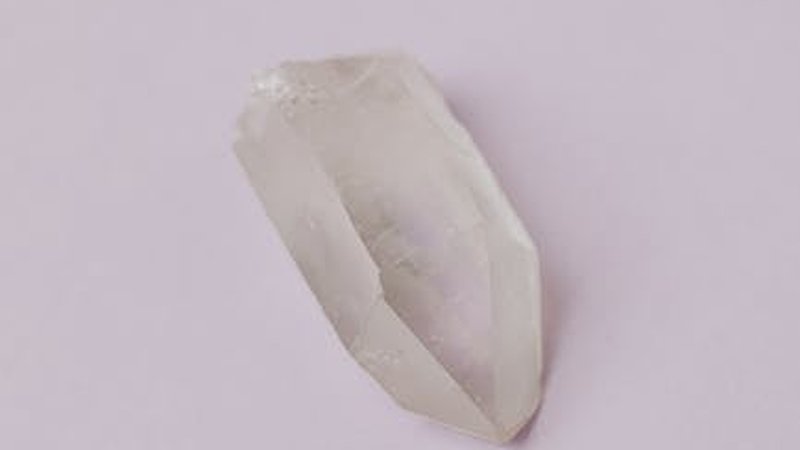
| Clear Quartz | Transparent to translucent | 7 |
Frequently Asked Questions About Rutilated Quartz
Is rutilated quartz rare?
Is rutilated quartz rare?
Yes, rutilated quartz is considered rare compared to other quartz varieties. Its unique inclusions and the specific conditions required for rutile to form inside quartz contribute to its scarcity.
Can rutilated quartz be used in healing practices?
Can rutilated quartz be used in healing practices?
While rutilated quartz is often associated with healing properties, it's important to note that its effects are more cultural and historical than scientifically proven. Many people use it for meditation and spiritual practices, but its healing benefits are not universally accepted.
How should I clean my rutilated quartz jewelry?
How should I clean my rutilated quartz jewelry?
Use a soft cloth to wipe down your jewelry after each wear. Avoid harsh chemicals and abrasive cleaners, and store it in a soft cloth or jewelry box to prevent scratches and tarnishing.
Can rutilated quartz be used in water for meditation?
Can rutilated quartz be used in water for meditation?
Yes, rutilated quartz can be used in water for meditation. Simply place the crystal in a bowl of water and focus on its energy while meditating. Be sure to dry the crystal after use to prevent damage.
Is rutilated quartz suitable for everyday wear?
Is rutilated quartz suitable for everyday wear?
Yes, rutilated quartz is durable enough for everyday wear. However, it's important to be mindful of the inclusions, as they can sometimes create planes of weakness. Avoid exposing your jewelry to extreme temperatures and harsh chemicals.
Understanding the Basics
This section covers important aspects of understanding the basics. For detailed information, please refer to the FAQ section below.
Key Factors to Consider
This section covers important aspects of key factors to consider. For detailed information, please refer to the FAQ section below.
Step-by-Step Instructions
This section covers important aspects of step-by-step instructions. For detailed information, please refer to the FAQ section below.
Comments