The Ring
The Ring
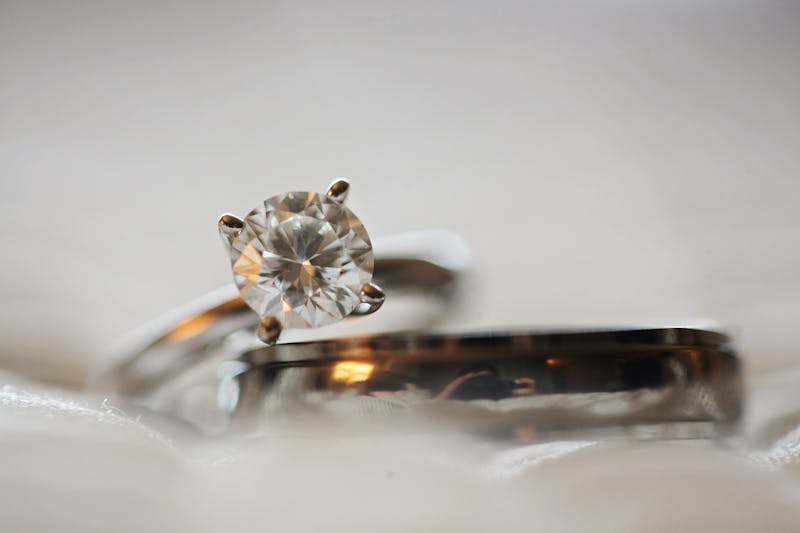
It was a simple sterling silver band, about three millimeters wide, with a brushed matte finish. No stones, no engraving, no embellishments of any kind. I bought it at a craft fair in Portland from a jeweler named Sarah who was just starting her business. She was selling most of her rings for under fifty dollars, and this one cost me thirty-five. It fit perfectly on my right index finger, which is where I wore it every single day for two years.
I loved that ring. Not in a sentimental, heirloom kind of way — it wasn't a gift from anyone or a symbol of anything. I just liked how it looked and how it felt. The matte silver had a soft, almost powdery texture that caught light differently than polished metal. It was understated in a way that worked with everything I wore. T-shirt and jeans? Fine. Button-up and slacks? Also fine. It was the most versatile piece of jewelry I'd ever owned, and I'd never had a ring that I wore so consistently.
Which is why what happened to it stung so much.
The Hot Tub
A friend's birthday party. Backyard, fire pit, hot tub. I should have taken the ring off. I knew I should have taken it off. I'd read plenty of articles about what chlorine does to silver. But it was late, I'd had a couple of drinks, and I honestly didn't think one hot tub session would matter. The ring had survived two years of daily wear — showers, dishwashing, gym sessions, a week at the beach. What's one hot tub going to do?
A lot, as it turns out.
I soaked for about forty-five minutes. The water was warm, smelled faintly of chlorine, and felt great. I didn't think about the ring at all until the next morning, when I pulled it off to shower and noticed the color had changed. The soft matte silver had turned a dull, yellowish-gray. It looked dirty, like it had a film on it. I tried wiping it with a soft cloth. Nothing. The discoloration was in the metal itself, not on the surface.
I didn't panic. I figured it was tarnish, which silver does naturally. I grabbed some silver polish from the bathroom cabinet and gave it a thorough rub. The yellow-gray came off, revealing... something worse. Under the tarnish, the surface was pitted. Tiny, rough patches where the metal had been eaten away. The matte finish, which had been uniform and smooth, was now uneven and cratered. Some areas still had the original texture, but others were rough and dull, like sandpaper.
The ring was ruined. Not lost, not bent, not broken — but permanently damaged in a way that couldn't be repaired without removing significant metal and completely changing its appearance.
What Actually Happened
After the initial disappointment wore off, I did what I should have done before the hot tub: I researched what happens to sterling silver in chlorinated water. The answer, it turns out, involves some basic chemistry that I wish I'd paid attention to in high school.
Sterling silver is 92.5% silver and 7.5% copper. The copper is there to add hardness — pure silver is too soft for jewelry that you wear every day. That copper-silver alloy is stable under normal conditions, but chlorine is aggressive toward both metals. It reacts with copper to form copper chloride (which is that yellowish-gray discoloration I saw) and with silver to form silver chloride (a light, powdery white compound). Both reactions corrode the surface of the metal, literally eating microscopic amounts away.
Hot water accelerates the reaction. Heat increases molecular motion, which speeds up chemical reactions of all kinds. A hot tub, with its warm water and concentrated chlorine, is essentially a chemical bath designed to dissolve your silver jewelry. The elevated temperature, the chlorine concentration, and the extended soaking time combined to do more damage in forty-five minutes than two years of normal wear had done.
The pitting was the worst part. Surface tarnish can be polished away. Pitting is structural damage — the metal has been removed unevenly, creating microscopic craters that change the surface texture permanently. To fix it, a jeweler would have to polish the entire ring down past the deepest pit, which would remove the matte finish entirely, reduce the ring's dimensions, and probably make it too thin to be durable. It wasn't worth the cost of repair.
The Other Mistakes I Made
The hot tub was the obvious mistake, but it wasn't the only one. Looking back, I made several errors that contributed to the ring's degradation over those two years, even before the hot tub delivered the final blow.
I never cleaned it properly. I'd rinse it in the shower sometimes, and occasionally give it a quick wipe with a cloth, but I never used silver polish or a proper cleaning solution. Sterling silver develops a patina over time, which some people like. But the matte finish on my ring wasn't designed to patina — it was a deliberately applied texture that was supposed to stay uniform. Dirt, oils from my skin, soap residue, and environmental pollutants all accumulated on the surface, and I never removed them.
I wore it through everything. Gym workouts, where sweat (which contains salt and acids) sat against the metal for hours. Dishwashing, where detergent and hot water created another chemical assault. Beach trips, where salt water and sun exposure did their own damage. I treated the ring like it was indestructible, and it wasn't. Sterling silver is durable for everyday wear, but "everyday" doesn't mean "every single situation without exception."
I stored it poorly. At night, I'd take it off and set it on my nightstand, sometimes in a little dish, sometimes just on the wood. Sterling silver reacts with sulfur compounds in the air, which causes tarnish. Storing silver in an airtight container with an anti-tarnish strip dramatically slows this process. Leaving it exposed on a nightstand, night after night, meant the ring was constantly accumulating tarnish on top of whatever other damage it was sustaining.
I never had it inspected. A jeweler could have told me, at any point during those two years, that the surface was degrading and that I needed to change my habits. A professional cleaning and re-finishing might have extended the ring's life significantly. But I never thought to ask, because I didn't know I needed to.
What I Should Have Done Differently
The lessons here are straightforward, and most of them apply to any silver jewelry, not just matte-finished rings.
Take it off before swimming, soaking, or any prolonged water exposure. This is the single most important rule. Chlorinated pools, hot tubs, salt water, and even long baths will damage sterling silver over time. The damage is cumulative and irreversible. Take two seconds to remove your ring before you get in the water. Put it in a pocket, a bag, a safe spot. Then put it back on when you're done.
Take it off before cleaning. Household cleaning products — bleach, ammonia, vinegar, even some "natural" cleaners — contain chemicals that react with silver and copper. Dish soap is generally safe in small amounts, but prolonged exposure to soapy water isn't ideal either. Take the ring off before you clean.
Clean it regularly. Once a week or so, give your silver jewelry a gentle clean with a soft cloth. Once a month, use a silver-specific cleaning solution or polish. For matte finishes, use a non-abrasive cleaner — traditional silver polish is too aggressive and will remove the matte texture. A paste of baking soda and water, applied gently with a soft cloth, works well for matte silver without destroying the finish.
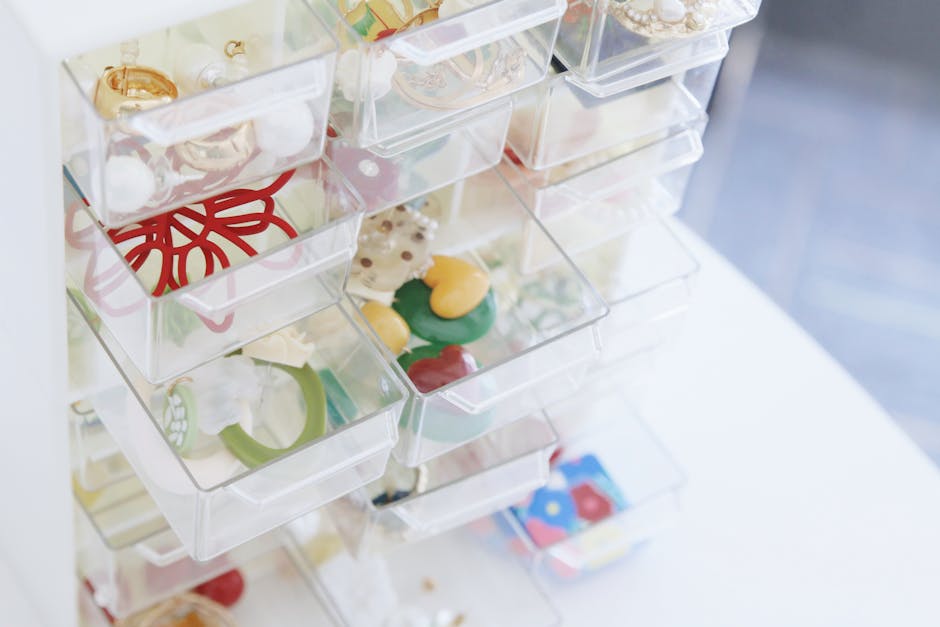
Store it properly. Keep silver jewelry in an airtight bag or container when you're not wearing it. Anti-tarnish strips are cheap and effective — toss one in the bag and replace it every six months. If you have a jewelry box, make sure it has a tarnish-resistant lining or individual compartments that minimize air exposure.
Have it professionally maintained. Once a year, take your frequently worn silver pieces to a jeweler for a professional cleaning and inspection. They can check for thinning, loose stones, worn prongs, and other issues that you might not notice. A light polishing by a professional can also remove accumulated tarnish without damaging the surface.
The Replacement
I went back to Sarah's table at the craft fair the following year, hoping she'd still be there. She was, and she remembered me — or at least remembered selling me a matte silver band. I told her what happened, and she winced.
"Yeah, the hot tub thing," she said. "I get that at least once a month. Someone comes back with a ruined ring and the same story. I started putting care cards in with every purchase because of it."
She made me a new ring — same design, same dimensions, same matte finish. This time, I paid for a rhodium plating upgrade. Rhodium is a hard, corrosion-resistant platinum-group metal that bonds to silver and creates a protective barrier against tarnish and chemical damage. It doesn't last forever — it wears off over time and needs to be reapplied every year or two — but it significantly extends the life of the underlying silver. The plating cost an extra fifteen dollars.
The new ring looked identical to the old one. Same soft matte finish, same simple band, same weight on my finger. But underneath the surface, it had a layer of protection that the original never had. I wear it every day, just like the first one. But now I take it off before hot tubs. And before swimming. And before cleaning. And before the gym, honestly, because why risk it?
The old, ruined ring sits in a small box in my drawer. I keep it as a reminder. Not of the mistake itself, but of the fact that even beautiful, well-made things need care. Nothing is maintenance-free, and assuming otherwise is a fast way to lose something you love.
Sarah was right to start including care cards. Most people don't know what chlorine does to silver, or what salt water does to copper alloys, or why airtight storage matters. I didn't. And I lost a ring I really liked because of it.
Don't be like me. Take your jewelry off before you get in the water. Clean it once in a while. Put it in a bag when you're not wearing it. These are small, easy habits that cost nothing and can add years to the life of your favorite pieces.
The ring is just metal. But the attention you give it — that's what keeps it looking like the day you got it.
Comments