Rose Quartz vs Amethyst Bracelet: Which One Should You Choose?
The Short Answer
If you're staring at a page of crystal bracelets and can't decide between rose quartz and amethyst, you're not alone. These two are the most popular choices for a reason — they look good, they're widely available, and they come with a ton of backstory. But they serve different purposes, and most people have a gut feeling about which one they actually want once they understand what sets them apart.
Rose quartz is about emotional warmth. Amethyst is about mental clarity. That's the 10-second version. The longer version involves color, durability, price, and a few things most guides don't mention — like which one holds up better if you never take your jewelry off.
What Rose Quartz Actually Looks and Feels Like
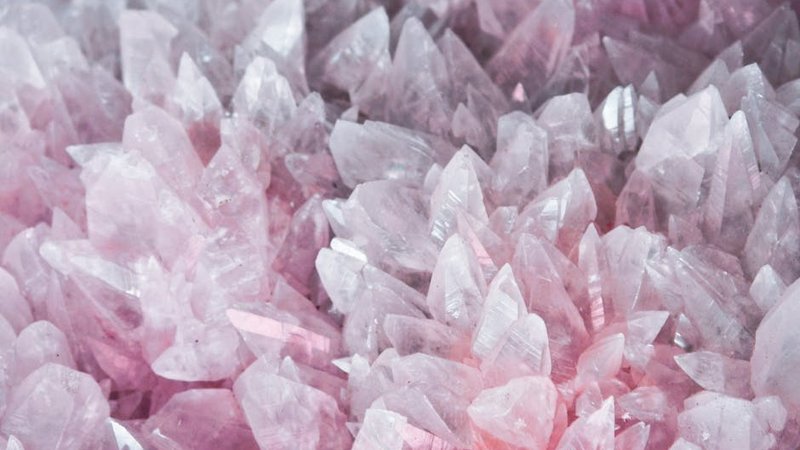
Real rose quartz is translucent pink. Not bright bubblegum pink, not obviously dyed pink — more like a faded sunset. The color comes from trace amounts of titanium, manganese, or iron inside the crystal structure. Some pieces have microscopic rutile needles that create a faint six-pointed star effect when light hits them just right. Most bracelet-grade rose quartz won't show that, but it's worth knowing.
The texture matters more than people think. Good rose quartz beads feel smooth and slightly cool when you put them on, and they warm up to your skin temperature within a few minutes. Cheaper beads feel waxy or have visible surface scratches from tumbling. If you're buying a rose quartz bracelet, run your thumb across a few beads — you'll feel the difference between well-polished and rushed.
On the Mohs scale, rose quartz sits at a 7. That's the same as window glass. It'll survive normal daily wear, but it can chip if you bang it against a countertop edge. The pink color can also fade with prolonged sun exposure, which is something most people don't think about until they leave their bracelet on a sunny windowsill for a month.
For more on what makes this stone special, check out our full breakdown of rose quartz.
What Amethyst Actually Looks and Feels Like
Amethyst ranges from very pale lavender to deep purple that's almost black. The color comes from iron impurities plus natural irradiation — yes, real amethyst is naturally irradiated by the earth. The most valuable shade is called "deep Siberian," a rich purple with red and blue flashes. But for bracelets, you'll mostly see medium purple with some color variation between beads, which is normal and actually a sign it's natural.
Amethyst also sits at a 7 on the Mohs scale, so durability is basically identical to rose quartz. The one difference: amethyst can lose its color if exposed to prolonged heat or direct sunlight. This isn't a theoretical risk — people who wear amethyst while sunbathing or leave it in a hot car have watched it turn pale or even grayish yellow. Jewelers call this "burning" the amethyst, and it's irreversible.
One thing amethyst has over rose quartz is color consistency. Because amethyst often comes from larger geodes, it's easier to source a batch of beads with matching color. Rose quartz tends to have more variation — some beads almost white, others noticeably pink, even from the same strand. Some people like that variation. Others find it frustrating if they want an even-toned bracelet.
If you want the deeper story, our amethyst bracelet guide covers everything from color grading to sourcing.
Side by Side: The Practical Differences
Here's where it gets useful for making an actual decision.
Price: Both are affordable. You can find rose quartz bracelets for $8-15 and amethyst for roughly the same range. Deep purple amethyst with even color runs a bit more — $15-25 for good quality. Rose quartz rarely gets expensive because it's so abundant in Brazil and Madagascar. The price gap only widens at the very high end (museum-grade specimens), which isn't relevant for bracelets.
Color longevity: Neither is great if you're rough on your jewelry. Rose quartz fades in sunlight. Amethyst fades in heat and sunlight. But here's the practical difference: most people wear rose quartz in contexts where it won't get constant sun (office, home, evening out). Amethyst, being a deeper color, shows fading more noticeably. If you work outdoors, neither is ideal — but rose quartz will degrade slower because the starting color is lighter and the fading is less visible.
Scratch resistance: Identical at Mohs 7. Neither will scratch from normal wear. Keys, coins, desk edges — you're fine. The main risk is chipping from a hard impact, and both are equally vulnerable.
Weight: Rose quartz is slightly denser, so a bracelet with the same bead size will feel marginally heavier. It's a subtle difference that most people won't notice unless they're comparing them side by side.
The Cultural and Traditional Angle
Rose quartz has been associated with love and emotional healing across multiple cultures for centuries. The Romans used it as a gift of ownership — a rose quartz talisman meant "I possess this person's love." In ancient Egypt, it was believed to prevent aging. Chinese culture linked it to the heart chakra long before "chakra" became a wellness buzzword. The association is old, widespread, and consistent.
Amethyst has a different kind of backstory. Its name comes from the Greek "amethystos," meaning "not intoxicated." According to myth, Dionysus was angry and threatened to feed a young woman named Amethyst to tigers. The goddess Artemis turned her into a clear crystal, and Dionysus, feeling remorse, poured wine over it — turning it purple. This is why amethyst was traditionally worn as a sobriety aid, not just a meditation tool.
Both traditions have actual historical documentation — they're not modern marketing inventions. But that doesn't mean the stones "do" those things in a scientific sense. They carry cultural meaning, and for most people who buy crystal bracelets, that meaning is the point.
Which One Works Better for Specific Situations
If you're buying for yourself, think about what prompted the purchase. There are usually three scenarios:
You want something calming for daily wear. Amethyst. The purple is less attention-grabbing than pink in professional settings, and the cultural association with mental clarity fits if you're dealing with stress, focus issues, or just want something that doesn't scream "I bought a crystal." It reads as jewelry first, spiritual tool second.
You want a gift for someone you care about. Rose quartz. The love association is well-known enough that the recipient will get the message without you having to explain it. It works for romantic partners, close friends, and family members. Amethyst can be a gift too, but it takes more explanation — "this is for clarity and peace" versus "this is a love stone" is a harder sell in a greeting card.
You're building a collection. Start with whichever calls to you, but get the other one next. These two are the bread and butter of any crystal collection, and most serious collectors have multiples of both. If budget is tight, rose quartz is usually the cheaper starting point.
The "Wear Both" Option
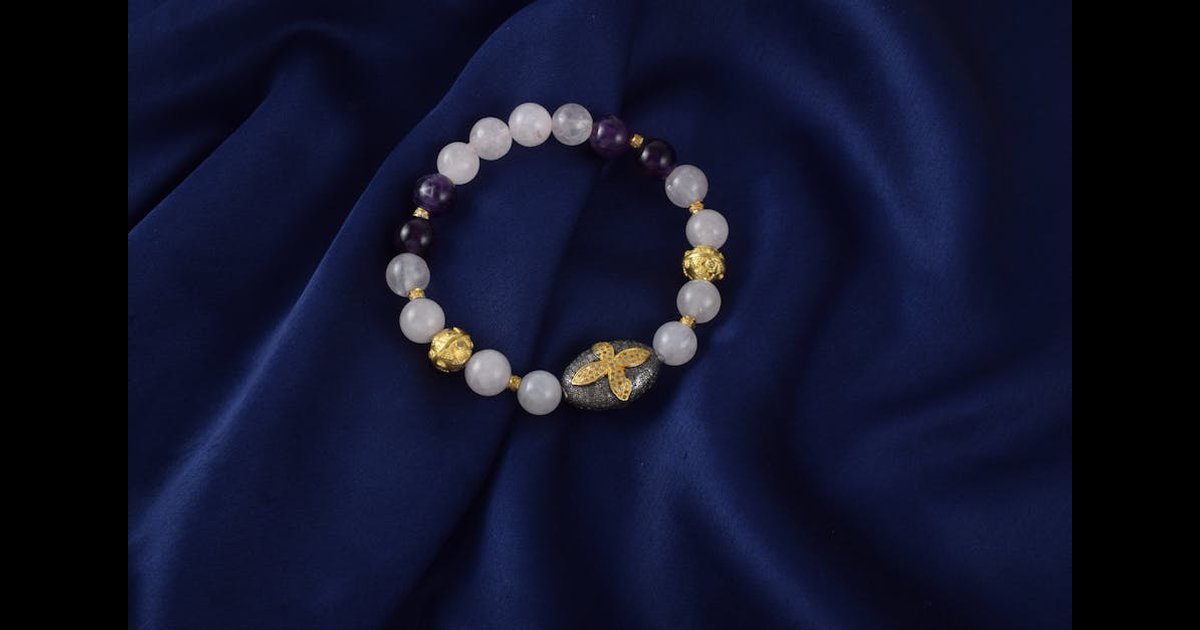
A lot of people ask if they can wear rose quartz and amethyst together. The short answer is yes — there's no chemical reaction, no hardness incompatibility, and no structural reason not to. They actually look good together if you get the colors right. Pale amethyst with rose quartz can create a soft pink-purple gradient that's subtle and elegant.
The caveat: if you wear both on the same wrist, the harder bead (they're the same hardness, but amethyst is slightly more brittle) can scratch the softer one during movement. It won't be catastrophic, but over months of daily wear, you might notice surface dullness on the rose quartz. Stacking on different wrists eliminates this entirely.
For a more detailed take on stacking, our guide to wearing multiple crystal bracelets covers the practical considerations.
Bottom Line
Rose quartz if you want emotional warmth, a recognizable gift, or a softer color palette. Amethyst if you want something that reads as elegant jewelry first and spiritual tool second, or if mental clarity and calm are more relevant to your situation than love and emotional healing.
Neither is objectively "better." The right choice is the one you keep reaching for. Most people who buy one end up buying the other within a few months anyway.
Comments