Rose Gold vs Yellow Gold: Which One Works Better for Everyday Jewelry
The Gold Debate That's Actually Worth Having
Walk into any jewelry store and you'll see the display cases organized the same way: silver on the left, yellow gold in the middle, rose gold on the right. The implication is that these are equal options and you just pick your favorite. In reality, the choice between rose gold and yellow gold for everyday jewelry involves more than color preference — it affects how the piece wears, what it matches, and how often you'll actually reach for it.
I've worn both daily at different points, and the practical differences caught me off guard. Here's what I've learned, minus the sales pitch.
What Makes Them Different (Besides Color)
The Alloy Breakdown
Pure gold is 24 karat, and it's too soft for practical jewelry. Everything you wear is an alloy — gold mixed with other metals for strength and color. The "karat" number tells you what fraction is gold: 14k is 58.3% gold, 18k is 75%, 10k is 41.7%.
Yellow gold is alloyed with silver, copper, and sometimes zinc or nickel. The mix is mostly gold and silver, with a small amount of copper. The result is the warm, classic gold color everyone recognizes.
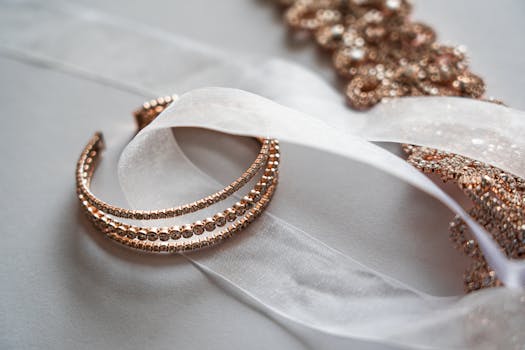
Rose gold (also called pink gold) gets its color from a higher copper content in the alloy. A typical 14k rose gold is about 58.3% gold, 25% copper, and 16.7% silver. More copper means more pink. The exact shade varies between manufacturers, which is why rose gold from one brand can look noticeably different from another.
What This Means in Practice
The copper in rose gold makes it slightly harder and more durable than the same karat of yellow gold. Slightly. We're talking about a meaningful difference if you're a metallurgist, but for daily wear, both 14k yellow and 14k rose gold are plenty durable. Neither one is going to bend, break, or wear through under normal conditions.
Where it actually matters: rose gold's copper content means it can develop a slightly darker patina over years of wear. Some people like this — it gives the piece character. Some people don't. Yellow gold maintains its color more consistently over time, though any gold piece will benefit from occasional professional polishing.
Skin Tone Matching (And Why It's Overrated)
Jewelry advice columns love to tell you that rose gold is "for cool undertones" and yellow gold is "for warm undertones." This is the kind of thing that sounds scientific but doesn't hold up in practice.
Sure, if you have very cool, pinkish skin, rose gold might blend in a way you don't love. And if you have very warm, olive skin, yellow gold might look harmonious in a way rose gold doesn't. But most people don't fall neatly into one category, and most people can wear both metals fine. I've seen rose gold look incredible on people with warm skin tones and vice versa.
The real test: try both on and see what you like in the mirror. Skin tone charts are a starting point, not a rulebook. If you love how rose gold looks on you, wear rose gold. The "rules" are mostly marketing.
Matching With Your Wardrobe
This is where the practical difference shows up for daily wear.
Yellow Gold
Yellow gold pairs naturally with warm colors — browns, oranges, reds, creams, olive greens. It also works with neutrals (black, white, gray, navy) in a classic, understated way. It's been the default wedding jewelry metal for decades, which means it reads as "traditional" to most people.
One advantage: yellow gold is easy. It goes with almost everything, and it doesn't clash with other jewelry metals the way some people think it does. Mixing yellow gold with silver has been fashionable for years now. Mixing yellow gold with rose gold works too, since rose gold is literally gold.
Rose Gold
Rose gold pairs well with cool colors — blues, greens, purples, grays — because the pink tone provides contrast. It also looks striking against black. Where yellow gold can look "expected" with a neutral outfit, rose gold adds a touch of warmth that stands out without being loud.
The catch: rose gold with warm-toned clothing (especially orange and red) can sometimes look muddled or overly warm. It's not a disaster, but it doesn't pop the way it does against cooler colors.
Rose gold also has a "trendy" reputation that cuts both ways. It's been popular for the past several years, which means it reads as modern and fashionable. But trendy also means it might feel dated in a decade, whereas yellow gold has been fashionable for centuries and probably always will be.
Everyday Wear: What Actually Happens
Scratches and Maintenance
Both metals scratch. All jewelry scratches. 14k gold of any color will develop fine scratches over time from daily contact with surfaces, other jewelry, and even your skin. A jewelry cloth and occasional professional polishing handles this for both.
Rose gold's slight hardness advantage means it might resist deep scratches marginally better, but the difference is negligible in real life. If scratch resistance is your top priority, you want platinum or a harder alloy, not a different color of gold.
Tarnish and Color Changes
Yellow gold is more color-stable. A 14k yellow gold ring from 1980 looks basically the same as a new one (after polishing). The color doesn't shift because the alloy ratios stay the same over time.
Rose gold can shift slightly. The copper in the alloy can oxidize at the surface over years, making the color a bit darker or more coppery. Some people love this — it's called "developing character." Others prefer the original pink tone and bring pieces in for replating or polishing to restore it. It's not a defect, just a characteristic of the alloy.
Activity Considerations
For daily wear, both are fine. Neither one is going to react badly to water, sweat, or normal chemicals in the way that silver does. Remove either before swimming in chlorinated pools, using harsh cleaning chemicals, or doing heavy manual work (mechanics, construction, etc.) where the piece could get crushed or abraded.
If you work with your hands and can't or won't remove your ring, go with 14k or 10k of whichever color you prefer. Higher karat (18k, 22k) is softer and will show wear faster in manual work environments.
The Mixed-Metal Question
Can you wear rose gold and yellow gold together? Yes. It's been a thing for years and it looks good. The metals share the same base (gold), so they harmonize naturally even though the colors differ.
The approach that works: make it look intentional. A yellow gold wedding band with a rose gold engagement ring is a deliberate choice. A yellow gold necklace, rose gold bracelet, and silver earrings that all look random is harder to pull off. Pick one metal as your dominant and use the other as an accent, and it works.
Cost Differences
Here's something that surprises people: rose gold and yellow gold in the same karat cost roughly the same. The metals in the alloy (copper, silver) are cheaper than gold, and they're present in roughly similar total quantities. You're not paying a premium for rose gold because copper is expensive.
The price difference you might see between rose and yellow gold pieces usually comes from the brand, the design complexity, or the finish, not the metal itself. A simple yellow gold band and a simple rose gold band from the same manufacturer at the same karat should cost the same.
So Which One Should You Pick for Everyday?
If you want a definitive answer: pick the one you like looking at more. You're going to see it every day, and the metal that brings you more joy when you glance at your hand or wrist is the right choice.
But if you want practical guidance: yellow gold is the safer long-term choice. It's classic, it doesn't shift color, it matches everything, and it's been the default for generations. You won't regret yellow gold.
Rose gold is the choice if you want something that stands out a bit more, feels more modern, and adds warmth to cooler-toned wardrobes. It's not a fad — rose gold has been around since the 19th century — but it does feel more "of the moment" than yellow gold.
Or, honestly, get both. A yellow gold wedding band with a rose gold watch, or a rose gold pendant on a yellow gold chain. The metals play well together, and having options means you'll reach for your jewelry more often because you have the right piece for how you're dressing that day.

Comments