Petrified Wood: The Complete Guide to Ancient Stone Fossils
Petrified Wood: The Complete Guide to Ancient Stone Fossils
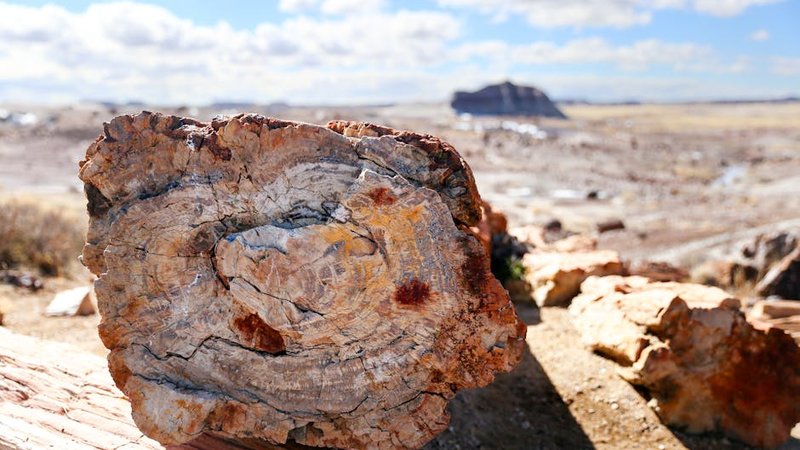
Imagine holding a piece of wood in your hand that hasn't been wood for 200 million years. The grain is still visible. The tree rings still count seasons from the Triassic period. But what you're actually holding is solid quartz — a tree that turned to stone through one of nature's most extraordinary processes. This is petrified wood, and it's one of the most fascinating natural specimens on Earth.
Whether you're a geology enthusiast, a crystal collector, or someone who simply appreciates the deep time encoded in ancient fossils, this guide covers everything you need to know about petrified wood — from how it forms to how to identify the real thing, and why it has been valued by cultures for thousands of years.
What Is Petrified Wood?
Petrified wood is a type of fossilized wood where all the organic material has been replaced by minerals — primarily silica in the form of quartz or chalcedony. The word "petrified" comes from the Greek petra, meaning "rock" or "stone," which is exactly what these ancient trees have become.
Despite being solid stone, petrified wood retains the original structure of the tree it once was. Growth rings, bark textures, and even microscopic cellular structures are preserved in remarkable detail. In some cases, you can see the exact same patterns you'd find in a living tree — except every cell has been replaced atom by atom with crystal.
This makes petrified wood one of the most spectacular examples of permineralization, a fossilization process that creates three-dimensional preservation rather than the flat impressions typical of most fossils.
How Does Wood Turn to Stone? The Science of Permineralization
The transformation from living tree to solid stone takes millions of years and requires a very specific set of conditions. Here's how it happens:
Step 1: Rapid Burial
The process begins when a tree dies — usually by falling into a river, being buried by volcanic ash, or sinking into a swamp. The key is that the tree must be buried quickly, before it has time to rot or decompose completely. Volcanic eruptions, floods, and landslides are the most common triggers.
Step 2: Oxygen Deprivation
Once buried, the lack of oxygen slows decomposition dramatically. The wood may remain intact underground for thousands of years, slowly being saturated with groundwater rich in dissolved minerals.
Step 3: Mineral Replacement
This is where the magic happens. Groundwater carrying dissolved silica (SiO₂) seeps into the wood's cellular structure. As the water evaporates or the chemistry changes, the silica precipitates out and fills every microscopic void — cell walls, vessel elements, and spaces between fibers. Over millions of years, molecule by molecule, the organic cellulose and lignin are completely replaced by silica minerals.
The result is a perfect stone replica of the original tree, preserving details down to the cellular level. If the minerals include trace elements like iron, manganese, or copper, the petrified wood can display stunning colors — reds, yellows, blues, greens, and purples.
Step 4: Erosion and Discovery
Millions of years later, geological forces push the buried fossil back to the surface. Wind, water, and tectonic activity expose the petrified wood, where it can be discovered by collectors, hikers, and paleontologists.
Physical Properties of Petrified Wood
Since petrified wood is essentially quartz, it shares many properties with other silica-based minerals:
- Hardness: 6.5–7 on the Mohs scale — hard enough to scratch glass
- Composition: Primarily silicon dioxide (SiO₂) in the form of microcrystalline quartz or chalcedony
- Density: 2.5–2.7 g/cm³ — significantly heavier than regular wood
- Colors: Browns, reds, yellows, whites, blacks, and occasionally blues and greens depending on mineral impurities
- Structure: Preserves original wood anatomy including growth rings, medullary rays, and vessel structures
The durability of petrified wood is remarkable. Unlike actual wood, which decays, petrified wood can last for hundreds of millions of years without degrading. This is why specimens from the Triassic period (200+ million years ago) look as fresh as if they were petrified yesterday.
Types of Petrified Wood
Not all petrified wood is the same. The type of mineral that replaces the wood creates distinct varieties, each with its own appearance and character.
Agate-Replaced Petrified Wood
When silica deposits in the form of chalcedony with banding patterns, the result is agate-replaced petrified wood. These specimens can display beautiful concentric bands of color, sometimes resembling the inside of a geode. This type is among the most sought-after by collectors because of its visual appeal. For a deeper dive into how agate forms, you might enjoy our exploration of crystal energy and healing properties.
Jasper-Replaced Petrified Wood
Jasper is an opaque variety of chalcedony, and when it replaces wood, the result is often a richly colored specimen in reds, yellows, and browns. Jasper-replaced petrified wood from Arizona's Petrified Forest National Park is particularly famous for its vivid rainbow colors caused by iron and manganese oxides.
Opal-Replaced Petrified Wood
In rare cases, wood is replaced by opal — a hydrated form of silica that displays a characteristic play of color. Opalized petrified wood is primarily found in Australia and is among the most valuable and visually stunning varieties. These specimens can flash with iridescent blues, greens, and reds when viewed from different angles.
Pyritized Wood
Instead of silica, some wood is replaced by pyrite (iron sulfide), creating metallic gold or brassy specimens. These are much rarer and typically form in marine environments where sulfur-rich conditions exist.
Metaphysical Properties of Petrified Wood
In the world of crystals and healing stones, petrified wood holds a unique position. It bridges the plant kingdom and the mineral kingdom, carrying the energy of ancient life transformed into eternal stone.
Grounding and Stability
Petrified wood is widely regarded as one of the most powerful grounding crystals available. Its connection to the Earth is literal — it is Earth, compressed and crystallized over millions of years. Many people use petrified wood during meditation to feel more rooted, stable, and connected to the natural world.
Ancestral Connection and Wisdom
Because petrified wood represents trees that lived hundreds of millions of years ago, it is associated with ancestral wisdom, patience, and the slow, deep perspective that comes with deep time. Holding a piece of petrified wood during contemplation is said to help connect with ancient knowledge and the cyclical nature of life.
Transformation and Patience
The very existence of petrified wood is a testament to transformation — from living organism to eternal crystal. This makes it a powerful symbol for personal growth, endurance, and the understanding that meaningful change often takes time. In crystal healing, petrified wood is often recommended for people going through major life transitions.
Root Chakra Alignment
Petrified wood is strongly associated with the root chakra (Muladhara), the energy center at the base of the spine that governs feelings of safety, security, and connection to the physical world. Its earthy energy helps balance and stabilize this foundational chakra.
How to Use Petrified Wood
Home Décor
Petrified wood makes stunning home décor. Large polished slices are popular as coffee table centerpieces, bookends, and display specimens. Smaller pieces work well on desks and shelves. Beyond aesthetics, many people place petrified wood in their homes to create a grounding, calming atmosphere — particularly in entryways and living spaces.
Meditation
Hold a piece of petrified wood during meditation, or place it at the base of your spine to align with the root chakra. Its weight and texture make it an excellent grounding tool. Some practitioners place petrified wood in their crystal grids focused on stability, protection, or ancestral connection.
Jewelry
Petrified wood is frequently cut into cabochons for rings, pendants, and earrings. Its natural patterns make each piece truly one-of-a-kind. Wearing petrified wood jewelry is said to carry grounding energy with you throughout the day, much like crystal bracelets worn for specific intentions.
Crystal Grids
In a crystal grid for grounding or protection, petrified wood serves as an excellent anchor stone. Place it at the center of the grid, surrounded by complementary stones like black tourmaline, hematite, or smoky quartz, to create a powerful energy field focused on stability and earth connection.
How to Cleanse and Care for Petrified Wood
One of the practical advantages of petrified wood is its durability. Since it's essentially solid quartz, it can handle cleansing methods that would damage softer stones.
- Water cleansing: Safe! Unlike many crystals, petrified wood can be rinsed under running water or soaked briefly. Use mild soap and a soft brush to clean dust and debris.
- Smudging: Pass it through sage, palo santo, or incense smoke for energetic cleansing.
- Moonlight: Place it outside or on a windowsill during a full moon for a gentle recharge.
- Earth burial: Since it literally comes from the Earth, burying petrified wood in soil for 24 hours can restore its grounding energy.
- Sunlight: Generally safe, though prolonged exposure may slightly fade colored varieties.
For more detailed cleansing methods, check out our guide on how to cleanse and charge your crystals.
How to Identify Real vs. Fake Petrified Wood
With the growing popularity of crystals and fossils, fake petrified wood has entered the market. Here's how to tell the difference:
Check for Growth Rings
Real petrified wood will show growth rings when viewed on a cross-section or polished surface. These rings should be irregular — wider in some areas, narrower in others — just like a real tree. Fake specimens often have painted or etched rings that look too uniform or too perfect.
Weight and Density
Petrified wood is heavy — much heavier than regular wood and noticeably heavier than most man-made imitations. If a piece feels surprisingly light for its size, it may be resin, concrete, or painted ordinary stone.
Grain Patterns
Look at the surface under good lighting. Real petrified wood shows natural wood grain patterns — parallel lines, knots, and medullary rays. These should flow naturally and vary across the specimen, not repeat in mechanical patterns.
The Tongue Test
A traditional test (used with caution): real petrified wood will slightly stick to your tongue because of its porous microstructure, similar to how unglazed porcelain behaves. Resin and glass fakes will not.
Color Consistency
Natural petrified wood has color variations — bands, patches, and gradients. If the color is too uniform or looks painted, be suspicious. However, note that some genuine specimens can have consistent coloring, so this alone isn't definitive.
Professional Testing
When in doubt, a hardness test (should scratch glass at Mohs 6.5–7) or professional examination can confirm authenticity.
Famous Petrified Wood Locations Around the World
Petrified Forest National Park, Arizona, USA
The most famous petrified wood locality in the world. Located in northeastern Arizona, this park contains some of the most colorful and well-preserved Triassic petrified wood on Earth, dating back approximately 225 million years. The Late Triassic trees — mostly conifers from the genus Araucarioxylon — were buried by volcanic ash and river sediments, creating the spectacular rainbow-colored logs the park is known for. Removing petrified wood from the park is illegal and carries heavy fines.
Madagascar
Madagascar produces some of the most commercially available petrified wood on the market. Specimens from this island nation are known for their excellent preservation and rich brown, red, and cream colors. Large polished slices from Madagascar are common in the crystal and home décor trade.
Indonesia (Borneo)
Indonesian petrified wood, particularly from Borneo (Kalimantan), is famous for its dark colors and exceptional preservation. Some specimens are millions of years old and represent tropical hardwood species that no longer exist. Indonesia is a major source of both raw and polished petrified wood for the international market.
Australia
Australia is unique for its opalized petrified wood, particularly from Lightning Ridge in New South Wales and the Winton area in Queensland. These specimens are partially or fully replaced by precious opal, creating some of the most visually stunning fossils on the planet. Some Australian opalized wood specimens have sold for tens of thousands of dollars.
Other Notable Locations
Petrified wood can be found on every continent. Notable sites include the Petrified Forest of Lesvos in Greece (a UNESCO Geopark), the petrified forests of Argentina's Patagonia region, and extensive deposits in Washington state, Oregon, and California in the USA. Egypt's petrified forest near Cairo and the petrified wood of the Czech Republic are also significant geological sites.
Value and Collecting Tips
The value of petrified wood depends on several factors:
- Color: Multi-colored specimens with vivid reds, blues, and greens command higher prices
- Preservation: Clear growth rings, visible bark, and detailed cellular structure increase value
- Size: Large, intact logs or polished slabs are more valuable than small fragments
- Rarity: Opalized and pyritized specimens are significantly more valuable than standard silica replacements
- Origin: Specimens from famous localities like Petrified Forest National Park (legally obtained, pre-1962) carry a premium
- Polish quality: A mirror finish on a cross-section significantly enhances display value
For beginning collectors, affordable tumbled pieces and small rough specimens are widely available online and at crystal shops. As your collection grows, you might invest in polished slabs, bookends, or museum-quality specimens. Always buy from reputable dealers and ask about the specimen's origin when possible.
Conclusion
Petrified wood is far more than just a fossil — it is a bridge between the living and the mineral worlds, a tangible connection to Earth's deep history, and a crystal with genuine grounding power. Whether you're drawn to it for its scientific significance, its metaphysical properties, or simply its breathtaking beauty, petrified wood is a specimen that rewards curiosity.
Next time you hold a piece, take a moment to really look at it. Those growth rings recorded seasons 200 million years ago. That grain pattern was once a living tree reaching for sunlight. And through the slow alchemy of time, pressure, and mineral-rich water, that tree became something that will last for another 200 million years.
That's the kind of patience petrified wood teaches — and it's a lesson worth learning.
Comments