Permanent Jewelry: The Welded-On Bracelet Trend That Went Viral on TikTok
Permanent Jewelry: The Welded-On Bracelet Trend That Went Viral on TikTok
Meta description: Permanent jewelry is welded onto your wrist and never comes off. Here is what it costs, what the process feels like, and what nobody mentions before you get one.
What permanent jewelry actually is
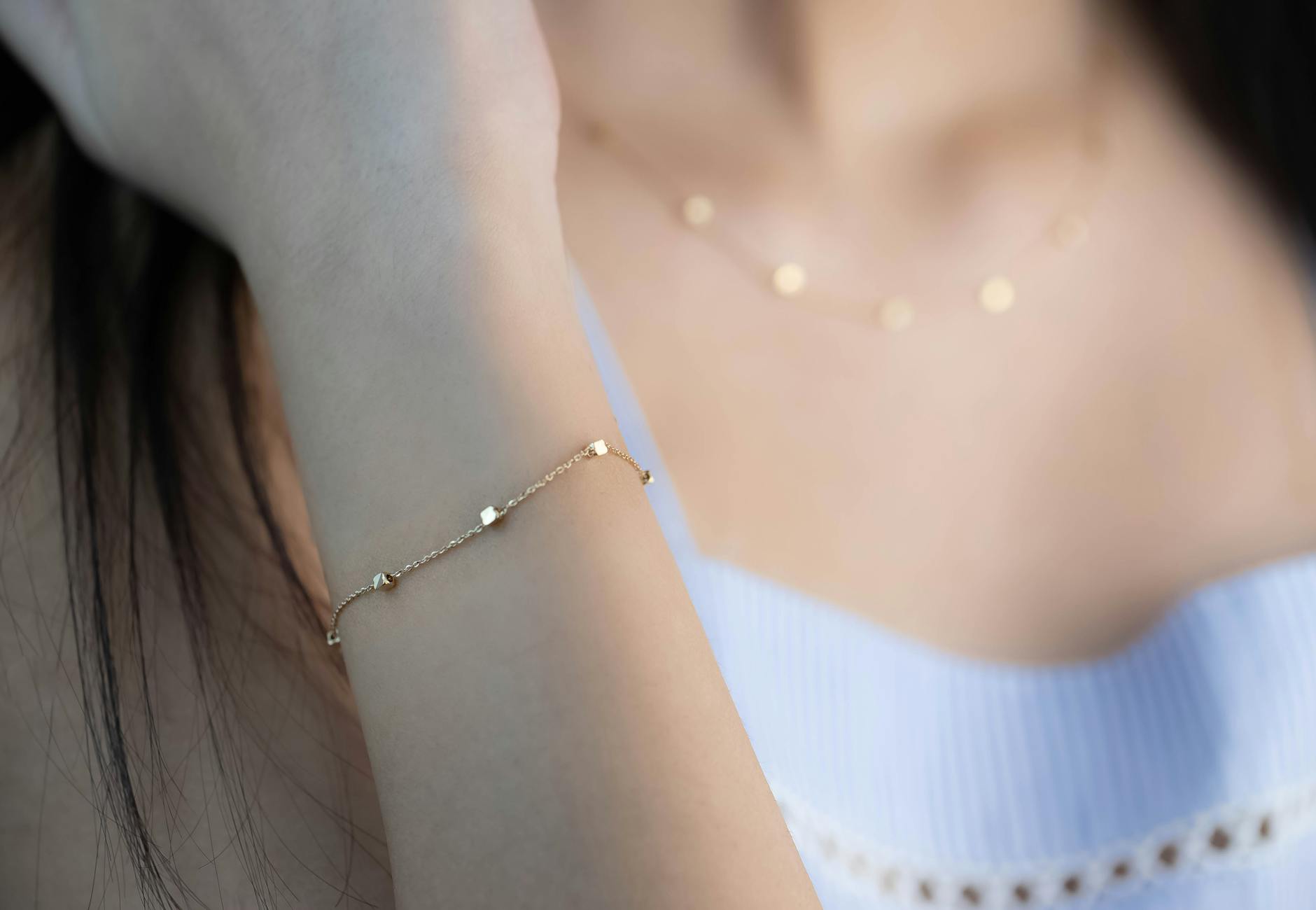
Permanent jewelry is a chain bracelet (or anklet, necklace, or ring) that gets welded closed around your body with a small micro-welder. There is no clasp. Once the chain is closed, it stays on until you cut it off. The welding process takes about five to ten seconds per spot and uses a pulse arc welder, which creates a tiny spark to fuse the jump ring shut.
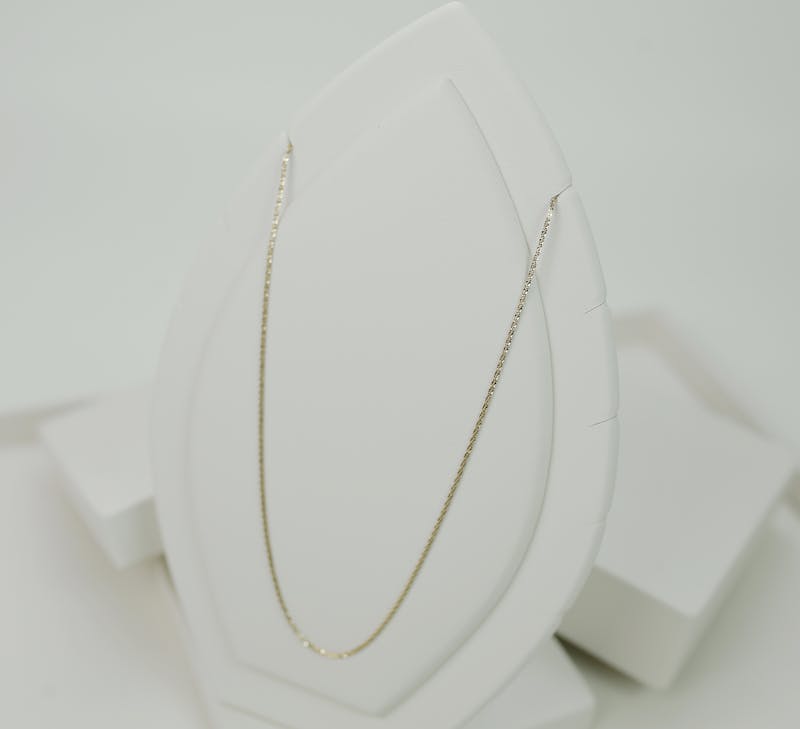
The chains are usually solid gold, gold-filled, or sterling silver. Most studios offer 14k gold-filled as their standard option because it holds up well against daily wear and costs less than solid gold. You can expect to pay somewhere between $60 and $250 for a basic permanent bracelet depending on the metal, chain style, and studio location. Solid 14k gold chains run $150 to $400 or more.
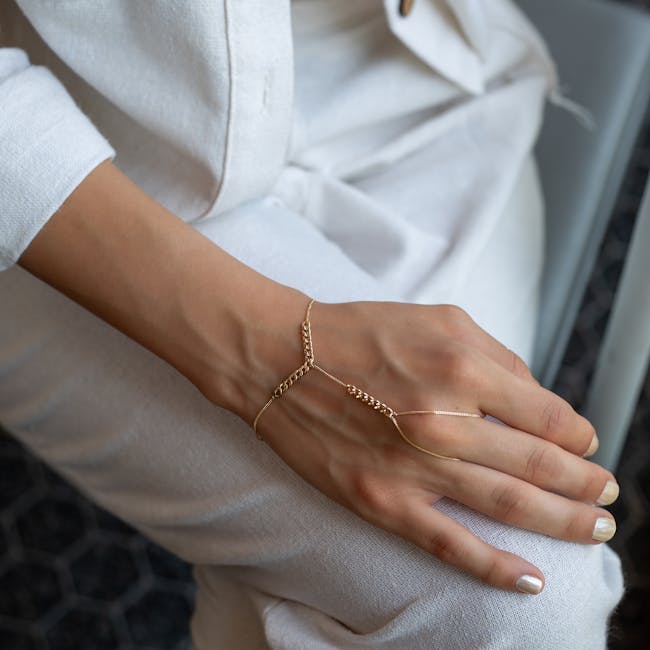
The whole appointment takes maybe 15 minutes. You pick your chain, the jeweler wraps it around your wrist to check the fit (you want it loose enough to slide a finger underneath), snips off the excess, and welds the ring closed. That is it. No clasp, no hook, no daily decision about whether to wear it.
How TikTok made it mainstream
Permanent jewelry has technically existed for decades. Piercing and tattoo studios in Europe have offered welded bracelets since the early 2000s. But the trend exploded on TikTok around early 2022, when a handful of studios started posting welding videos that showed the spark, the chain snapping shut, and the customer reacting. Those videos racked up tens of millions of views in a few months.
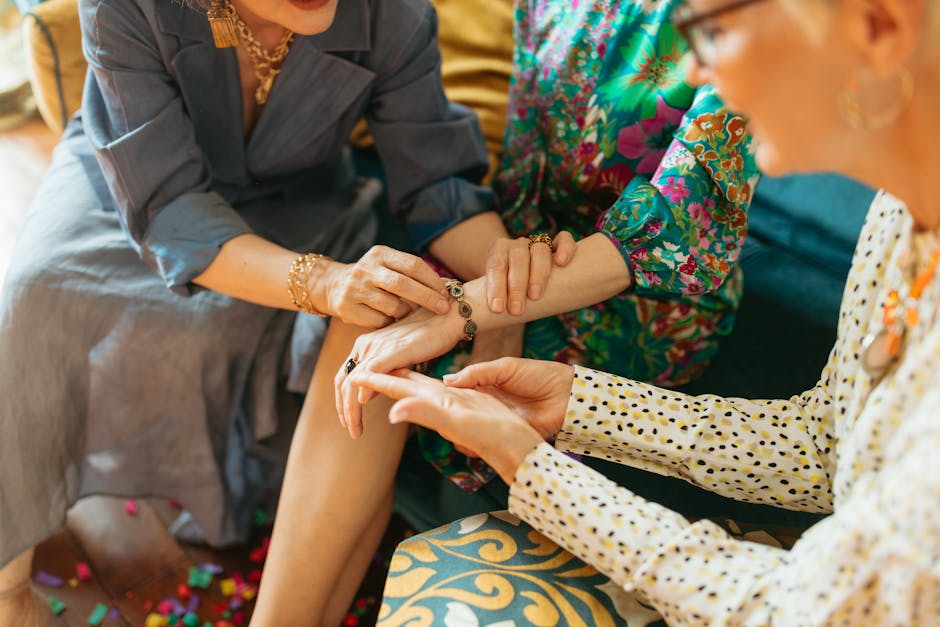
Searches for "permanent jewelry near me" spiked by over 300% on Google between January and June 2022, according to Google Trends data. Pop-up permanent jewelry events became a thing at bridal showers, birthday parties, and even corporate events. Jewelry chains like Catbird in New York, which had been offering welded bracelets since 2017, suddenly had month-long waitlists. Independent studios opened across the US at a pace I have not seen with any other jewelry trend in the past decade.
As of 2025, there are probably over 10,000 permanent jewelry providers operating in the United States alone. Some are standalone studios. Others operate out of existing salons, boutiques, or tattoo shops. A lot of them are mobile and will come to your home or event.
What nobody warns you about
The romantic pitch is that permanent jewelry symbolizes a bond, a memory, a commitment you carry with you every day. That part is real. But there are practical considerations that do not show up in the TikTok edits.
Airport security
This is the question everyone asks first. TSA has stated that permanent jewelry does not set off metal detectors because the amount of metal is so small. Most people who wear them fly without any issues. However, I have read accounts of people being asked to step aside for additional screening in a few airports, particularly in Europe. It is not common, but it happens. If you are worried about it, wear your bracelet on the wrist you usually do not scan, or just mention it to the agent before you walk through.
Medical procedures
MRI machines create a strong magnetic field. Gold, silver, and most permanent jewelry metals are not ferromagnetic, so they will not get pulled into the machine. But some facilities will still ask you to remove all jewelry as a standard policy. If your bracelet is welded on, explain the situation. Most technicians will make an exception if you can show them there is no clasp and the metal is non-magnetic. For surgeries, the medical team might want it off, which means cutting the chain.
Durability and wear
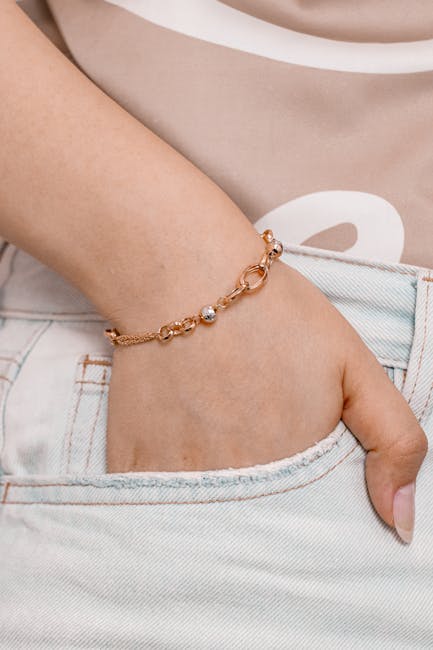
Gold-filled chains hold up well. Sterling silver chains will tarnish over time, especially if you swim in chlorinated pools or spend time in salt water. I have talked to people who have worn the same gold-filled bracelet for over two years with no discoloration. I have also talked to people whose silver bracelet turned dull within three months because they never took it off during workouts.
The chain can break. If a link fails or the weld point gives out, most studios will re-weld it for free or for a small fee, usually $10 to $25. Keep the broken chain. Do not throw it away, because a jeweler can often repair it.
Weight gain, weight loss, and swelling
If your wrist size changes significantly, the bracelet might become too tight or too loose. Pregnancy, weight changes, and even seasonal heat can cause enough swelling to make a once-comfortable bracelet feel tight. A snug bracelet can restrict circulation. If it starts leaving an indent or your fingers feel tingly, cut it off.
Is it worth it
I think permanent jewelry works well for a specific type of person: someone who wears the same bracelet every day anyway, who likes the idea of not having to think about it, and who does not mind the permanence. For people who switch their jewelry daily, a welded bracelet will probably feel annoying within a week.
The price is reasonable for a piece of solid or gold-filled jewelry that you will wear constantly. A $150 gold-filled bracelet works out to less than $7 per month over two years. Compare that to a $20 fashion bracelet you replace every few months because the plating wears off.
If you are considering it, look for a studio with good reviews, ask what metal they use, and check whether they offer free re-welding. That last detail matters more than you would think.

Comments