How to pack jewelry for air travel without turning it into a tangled mess
How to pack jewelry for air travel without turning it into a tangled mess
Meta description: Packing jewelry for flights does not have to end in knots. Try the straw trick for necklaces, pill cases for rings, and a few other methods that actually work.
Why jewelry and suitcases do not mix well
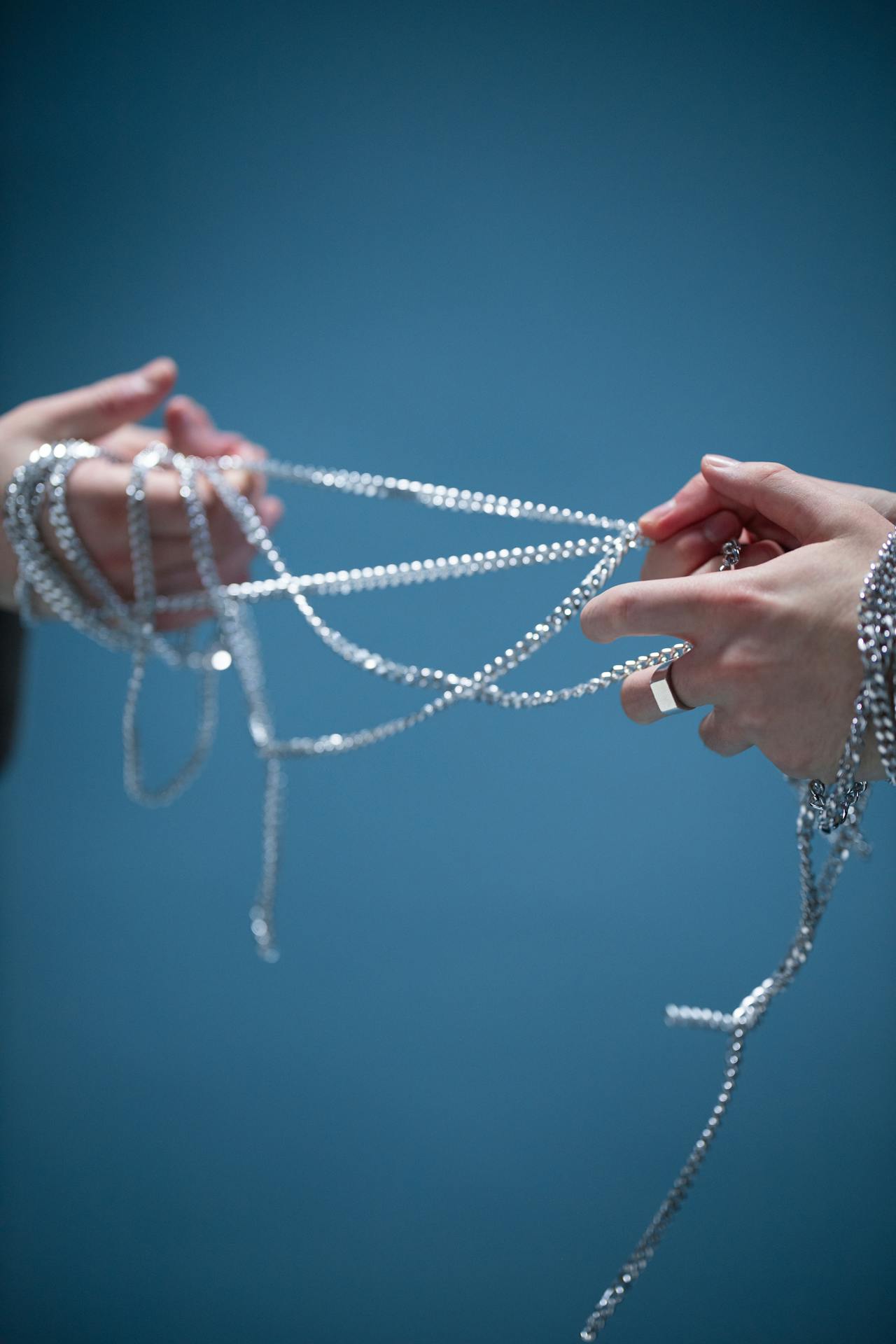
Anyone who has opened their luggage after a flight and found a solid ball of silver chains knows the problem. Necklaces are the worst offenders because they have so much freedom of movement inside a bag. Every bump, jostle, and shift during handling gives the chains another chance to wrap around each other. Earrings lose their backs. Rings scratch each other. Bracelets get bent.
The airlines are not doing anything unusual. Standard baggage handling involves conveyor belts, loading belts, and cargo compartments where your suitcase gets stacked under other luggage. That is enough movement to tangle even carefully placed jewelry. If you check a bag with loose chains inside, you should expect to spend time untangling them at your destination.
The solution is not to stop bringing jewelry on trips. It is to change how you pack it. A few simple techniques take less than five minutes and eliminate most of the frustration.
The straw method for necklaces
This is the single most effective trick I have found for keeping necklaces separate during travel. The concept is simple: thread each necklace through a drinking straw, clasp it, and lay the straw flat in your luggage.
Plastic straws work best because they are rigid enough to keep the chain straight and narrow enough that the necklace slides through easily. Paper straws are softer and can get crushed in a packed bag, which defeats the purpose. If you do not have straws on hand, plastic stirrers from a coffee shop or even cut sections of a plastic tube work.
The process takes about 30 seconds per necklace. Unclasp the necklace, thread one end through the straw, pull it all the way through until the pendant or focal point is at the center, then reclasp. The straw prevents the chain from looping around itself or neighboring necklaces. Even if your suitcase gets thrown around, the chains stay contained.
I have tested this on trips ranging from two-hour domestic flights to fourteen-hour international hauls. In every case, the necklaces came out exactly as I packed them. It works for chains up to about 24 inches in length. Longer chains might need to be doubled or folded, which slightly reduces the effectiveness but still beats tossing them in loose.
The plastic wrap method as an alternative
If you are packing more necklaces than you have straws, or if you just want a different approach, plastic wrap works well too. Lay a sheet of plastic wrap flat on a table, arrange your necklaces on it with several inches of space between each one, then lay another sheet of plastic wrap on top and press it down gently.
The idea is that the plastic holds each necklace in its own layer. You can roll the whole thing up into a cylinder, which takes up very little space, and tuck it into a side pocket of your suitcase. When you arrive, unroll it and each necklace should be roughly where you left it.
This method is less precise than the straw technique and I would not trust it with very fine chains that tangle easily. But for chunkier necklaces, shorter pendants, and pieces that are already somewhat stiff, it works reliably. The main advantage is that you can pack many necklaces at once without needing any special supplies beyond kitchen plastic wrap.
Some people combine both methods: straws for the delicate chains and plastic wrap for everything else. That is probably the most thorough approach if you are traveling with a larger jewelry collection.
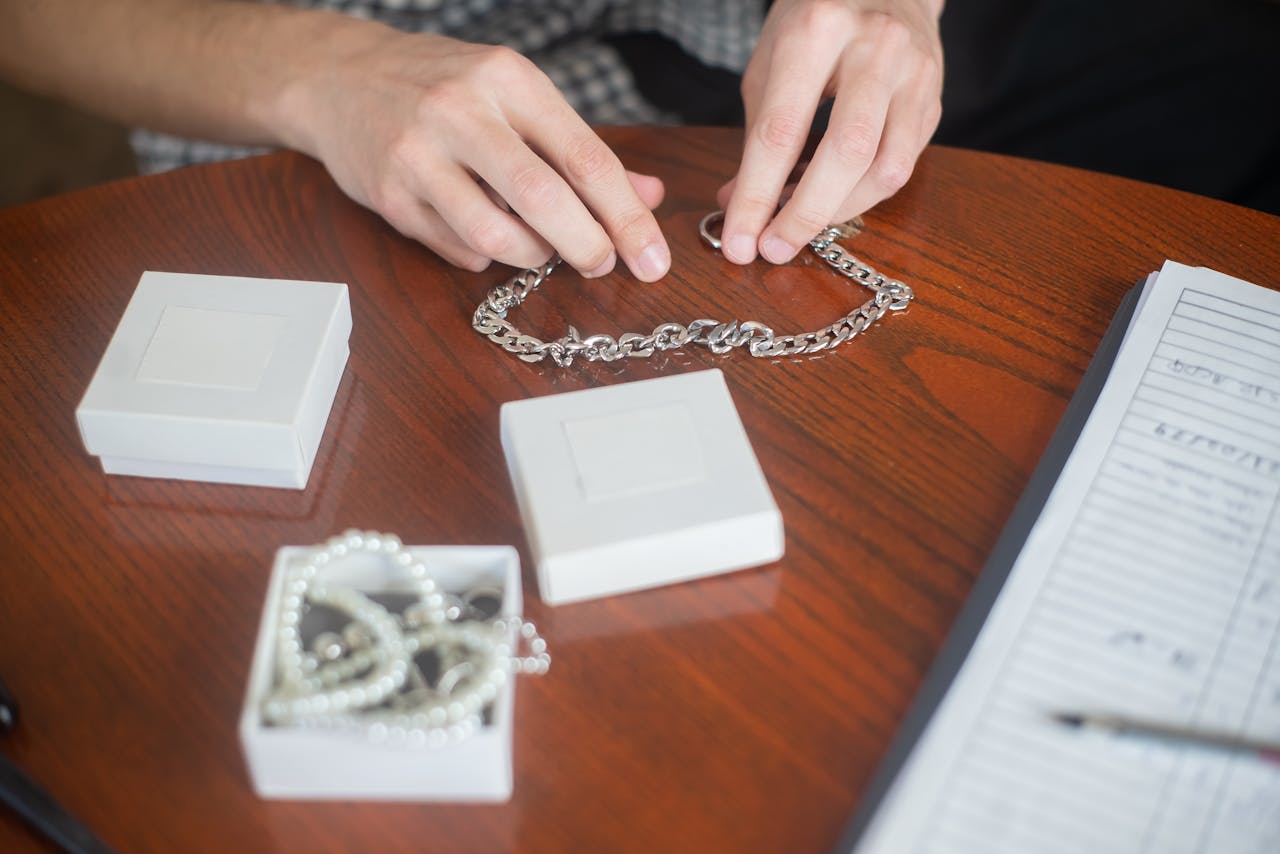
How to pack rings, earrings, and bracelets
Rings are easier to deal with than necklaces but still benefit from some organization. A seven-day pill organizer is one of the cheapest and most effective solutions I have found. Each compartment holds two or three rings, and the individual lids keep them from mixing together. The whole thing is small enough to drop into a toiletry bag or an outer pocket.
If you do not have a pill case, a small zip-lock bag for each ring works. The key is separation. Rings rub against each other during transit, and harder metals will scratch softer ones. A gold ring next to a silver one in a loose pocket will probably leave marks on the softer metal.
Earrings are best kept in their original boxes or on a dedicated earring card. If you have lost the packaging, pair each set of earrings by pushing the posts through a small piece of cardboard or a button. This keeps the pairs together and prevents the posts from scratching other items.
Bracelets are generally less prone to tangling than necklaces but can still get bent or dented if they are loose in a bag. Cuff bracelets should be packed flat, ideally between layers of clothing for padding. Chain bracelets can go through a straw just like necklaces. Beaded bracelets are the most forgiving since the beads keep the string relatively contained.

What should always stay in your carry-on
This is not a packing technique, but it matters enough to include. Any jewelry that is expensive, sentimentally valuable, or difficult to replace should go in your carry-on bag, not your checked luggage.
Checked bags get lost. The Department of Transportation reports that roughly 2 out of every 1,000 bags are mishandled on domestic flights in the United States. The rate is higher on international routes and during peak travel periods. Those are decent odds for a suitcase full of clothes, but not for a diamond necklace or your grandmother's pearl earrings.
If you must pack valuable jewelry in checked luggage, at minimum photograph it beforehand and keep a written inventory. But honestly, the better approach is to wear it or carry it on your person. Most jewelry fits comfortably in a small pouch that takes up almost no space in a personal item bag.
Insurance is worth considering for expensive pieces. Some homeowners or renters policies cover jewelry during travel. Standalone jewelry insurance policies are also available and relatively affordable for pieces valued above a few hundred dollars. Check your coverage before you pack, not after something goes missing.
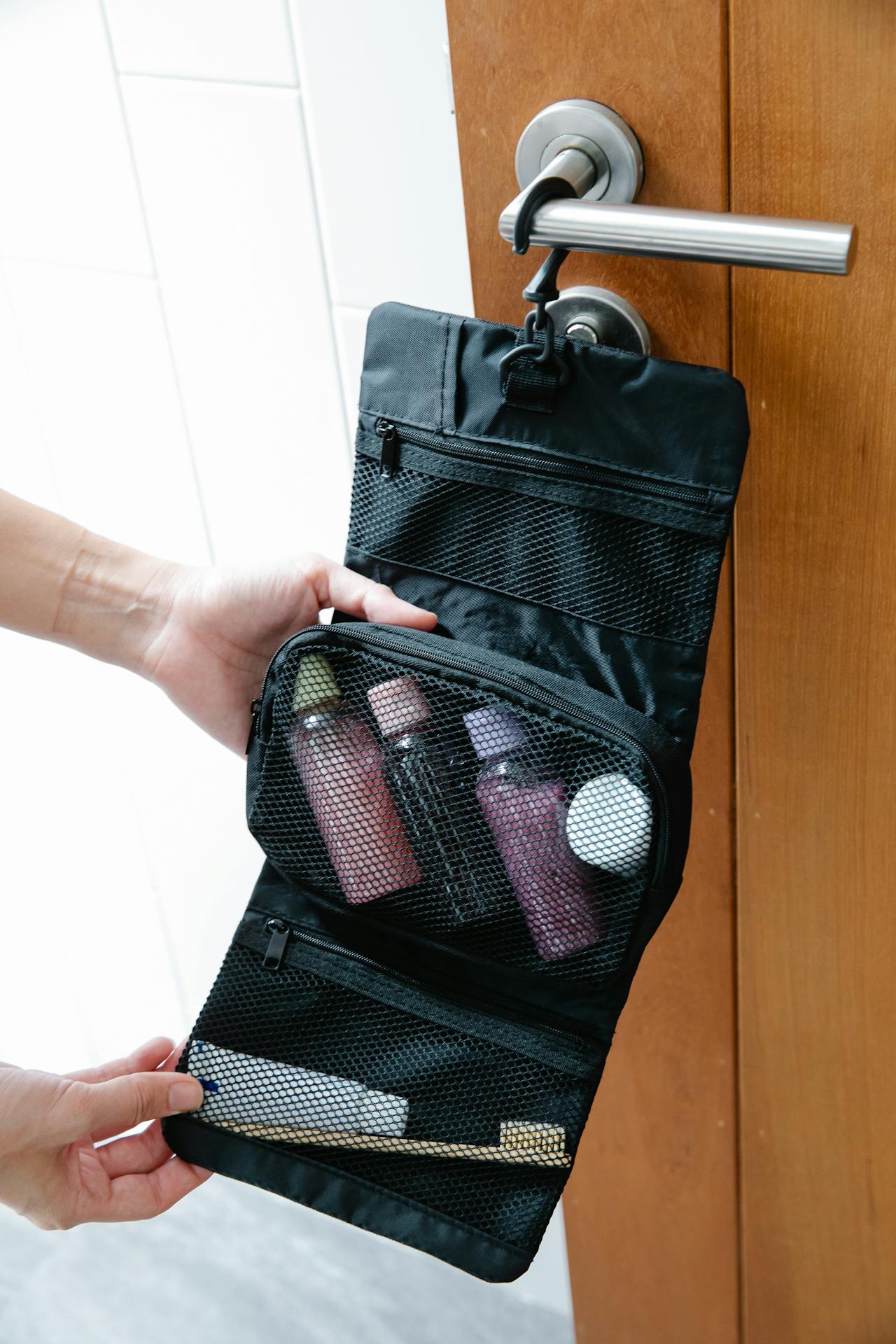
A few other packing tips that help
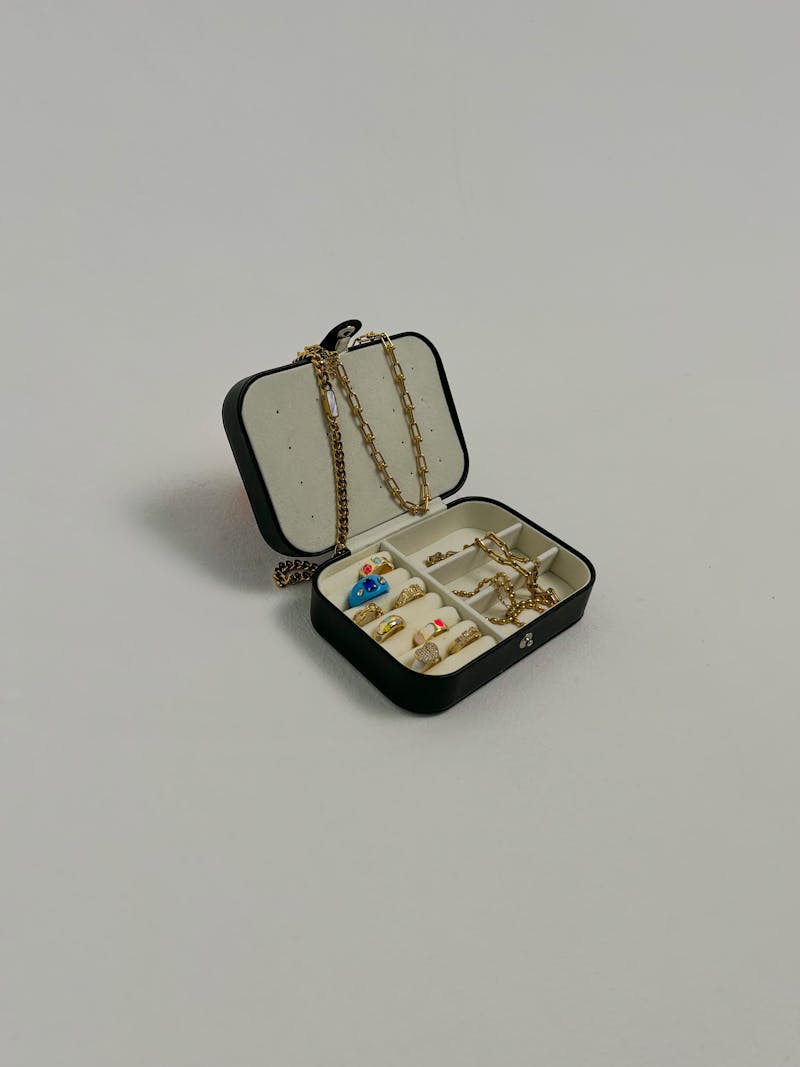
Dedicated jewelry travel cases exist and some of them are genuinely well designed. The ones with individual slots, zippered compartments, and hard-shell exteriors offer more protection than improvised methods. If you travel frequently with jewelry, a quality travel case is worth the investment.
When you arrive at your destination, take a moment to hang your necklaces on the hotel room hangers or drape them over a towel bar. The bathroom hook works too. Keeping them hanging rather than in a pile on the nightstand prevents the tangling problem from starting again.
If you are packing jewelry as a gift for someone at your destination, keep it in its original packaging. The gift box provides structure and protection, and it saves you from having to rewrap anything when you arrive.
For beach vacations, leave the good stuff at home. Sand, salt water, and sunscreen are rough on most jewelry, particularly pieces with plating, porous stones, or delicate chains. A simple waterproof or resin bangle is a better choice for the beach than anything you would be upset about losing or damaging.
Comments