Opal bracelet: why no two are the same
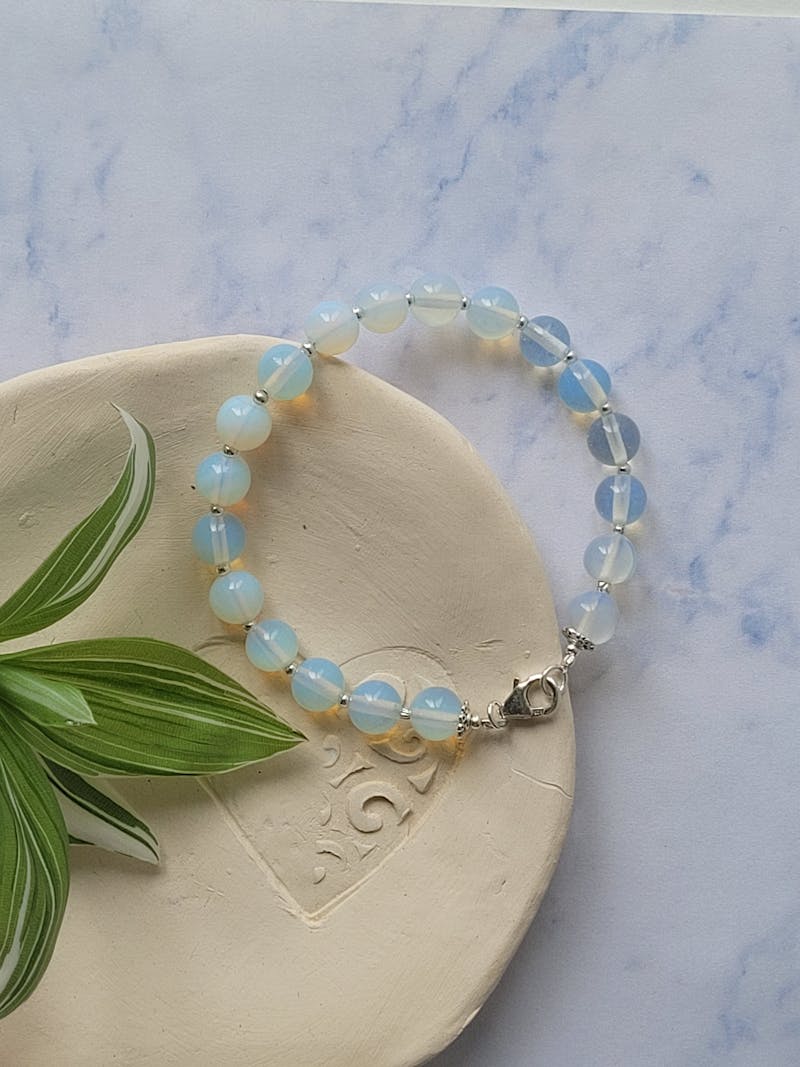
Opal Bracelet: Why No Two Are the Same
Meta description: Discover the unique beauty and characteristics of opal bracelets. Learn why each piece is one-of-a-kind and how to choose the perfect opal bracelet for you.
Understanding Opal: A Brief Overview
Opals are fascinating gemstones known for their vibrant play of color, known as 'fire.' Unlike other gemstones, opals are made up of water and silicon dioxide. This unique composition creates their iridescent qualities, making each opal a truly unique piece of nature's art.
Opals are categorized into two main types: common opal and precious opal. Common opal has less than 5% water content and is often less vibrant, while precious opal has more than 5% water content and displays the famous 'fire.'
The Unique Characteristics of Opal Bracelets
One of the most captivating aspects of opal bracelets is their color play. This effect can vary widely, from bright, vivid hues to soft, pastel shades. Opals are often compared to a kaleidoscope, as the colors shift and dance when viewed from different angles.
Additionally, opals can feature patterns and shapes within their iridescent play. These patterns can range from geometric designs to organic forms, contributing to the unique aesthetic of each bracelet.
Why No Two Opal Bracelets Are the Same
Opals are formed over millions of years, and their growth is influenced by various geological factors, such as the environment and pressure. This natural process ensures that each opal is unique, with its own set of characteristics and story.
When it comes to opal bracelets, even two bracelets with the same color or pattern will have distinct features. The exact placement of the 'fire' within the stone, as well as the subtle variations in color intensity, contribute to the one-of-a-kind nature of each piece.
Choosing the Perfect Opal Bracelet
When selecting an opal bracelet, consider the following tips:
- Color and Intensity: Look for opals with a vibrant color and high intensity. The more intense the color, the more striking the bracelet will be.
- Pattern: Decide whether you prefer a solid color or a patterned opal. Organic patterns can be soothing, while geometric patterns are bold and eye-catching.
- Size and Cut: Choose a bracelet size that fits comfortably and complements your wrist. The cut of the opal can also enhance its beauty, so consider a shape that appeals to you.
- Origin: Opals come from various parts of the world, each with its own unique characteristics. Consider the origin of your opal to understand its geological history and rarity.
Caring for Your Opal Bracelet
Opals are delicate gemstones that require special care:
- Avoid Exposure to Water: Opals can be sensitive to water, so it's best to remove your bracelet when washing your hands or swimming.
- Keep it Dry: Store your opal bracelet in a cool, dry place away from direct sunlight to prevent dehydration and color fading.
- Use Gentle Cleaning: If your bracelet becomes dirty, gently clean it with a soft cloth. Avoid using harsh chemicals or ultrasonic cleaners.
- Regular Inspections: Check your bracelet regularly for any signs of wear or damage and have it professionally inspected and cleaned if necessary.
Conclusion
Opal bracelets are not just accessories; they are a testament to the beauty and diversity of nature. Each piece is a unique creation, reflecting the irreplaceable artistry of the opal. Whether you're a crystal enthusiast or simply looking for a one-of-a-kind piece of jewelry, an opal bracelet is sure to captivate and inspire.
Related Articles
- Dalmatian Stone Bracelet: The Spotted Stone That Looks Exactly Like It Sounds
- Tourmaline bracelet: the stone that comes in every color
- Aquamarine Bracelet: The Stone Named After Seawater
- Jewelry appraisal: when do you need one and what to expect
- How to untangle a necklace without breaking it or losing your patience
Comments