Natural Stone vs Synthetic Crystal: How to Spot the Difference
Natural Stone vs Synthetic Crystal: How to Spot the Difference
Meta description: Discover the key differences between natural stones and synthetic crystals in jewelry. Learn how to spot the unique characteristics of each to make informed purchases.
Understanding the Basics
Natural stones and synthetic crystals are both popular choices for jewelry, each offering unique properties and aesthetic qualities. Natural stones are formed over millions of years through geological processes, while synthetic crystals are created in a laboratory under controlled conditions. Despite their origins, both types of stones can be beautiful and desirable for jewelry pieces.
Physical Appearance
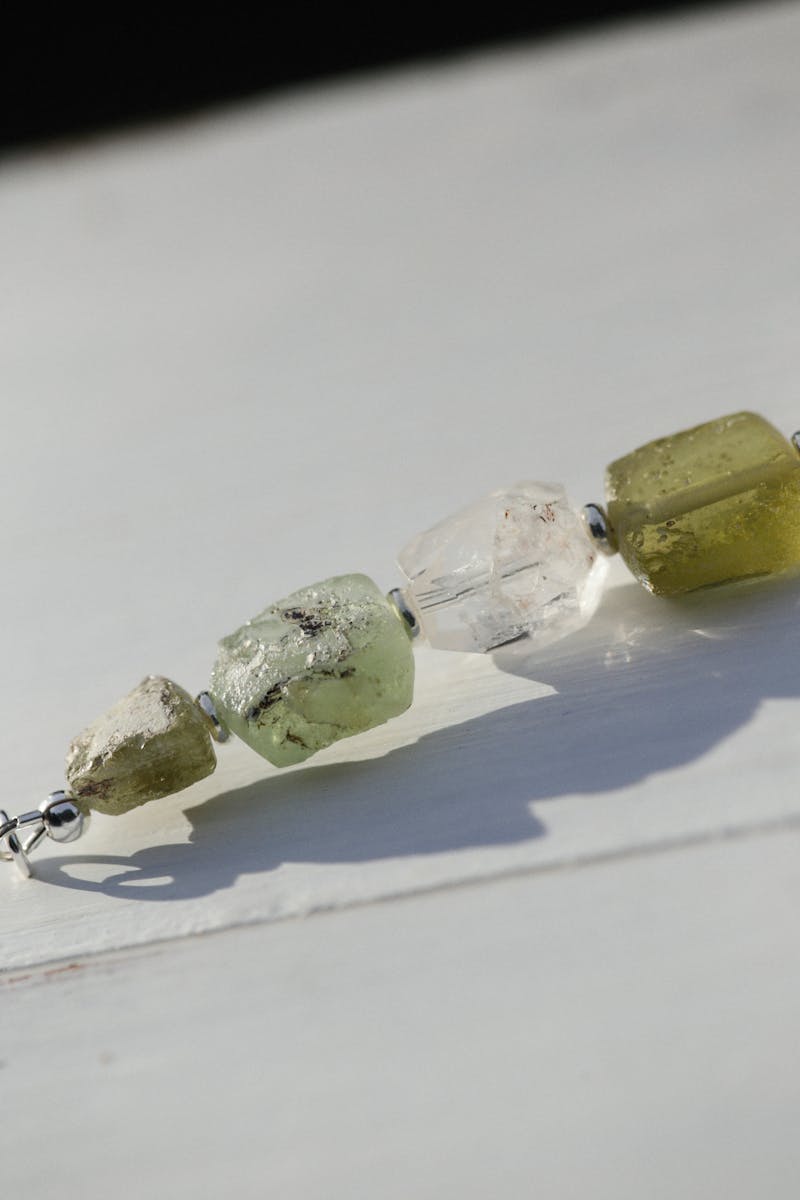
One of the first ways to spot the difference between natural stones and synthetic crystals is by examining their physical appearance. Natural stones often have inclusions, which are imperfections or flaws within the stone. These inclusions can be air bubbles, mineral deposits, or other organic matter. Synthetic crystals, on the other hand, are typically more uniform in color and clarity, with fewer or no inclusions. Additionally, natural stones may exhibit a natural pattern or veining that synthetic crystals do not have.
Transparency and Clarity
Transparency and clarity are also important factors to consider. Natural stones can range from transparent to translucent, with some exhibiting a degree of opacity. Synthetic crystals are often more transparent and have a higher clarity, which can make them appear more brilliant and sparkling. However, it's important to note that some natural stones, like diamonds, are also known for their high clarity and transparency.
Color and Consistency
Color is another key indicator of whether a stone is natural or synthetic. Natural stones can have a wide range of colors and may exhibit slight variations in hue and saturation. Synthetic crystals, on the other hand, are often produced in a specific color and may have a more consistent color throughout the stone. This is due to the controlled conditions under which synthetic crystals are created, allowing for precise color matching.
Hardness and Durability
Hardness and durability are important considerations for jewelry, as they determine how well the stone will withstand daily wear and tear. Natural stones can vary in hardness, with some being very durable (like diamonds and sapphires) and others being more delicate (like opals and pearls). Synthetic crystals are typically created to be harder than natural stones, making them more resistant to scratches and other forms of damage.
Buying Guidance
When shopping for jewelry, here are some practical tips to help you spot the difference between natural stones and synthetic crystals:
- Examine the stone closely for inclusions or imperfections.
- Check the clarity and transparency of the stone.
- Observe the color and consistency of the stone.
- Consider the hardness and durability of the stone for your lifestyle.
- Ask for certification or documentation that verifies the stone's origin and authenticity.
Conclusion
Whether you prefer the natural beauty of a natural stone or the precision of a synthetic crystal, understanding the differences between the two can help you make informed decisions when purchasing jewelry. By examining the physical characteristics, color, clarity, and hardness of the stone, you can ensure that your jewelry piece is not only beautiful but also durable and authentic.
Related Articles
- How to fix a stretched bracelet so it fits properly again
- How to Travel With Your Jewelry Without Losing or Tangling Anything
- How to Charge Crystals: 5 Methods That Actually Work
- Crystal Grid for Beginners: What They Are and How to Set One Up
- Pietersite bracelet: the storm stone with swirling blue and gold

Comments