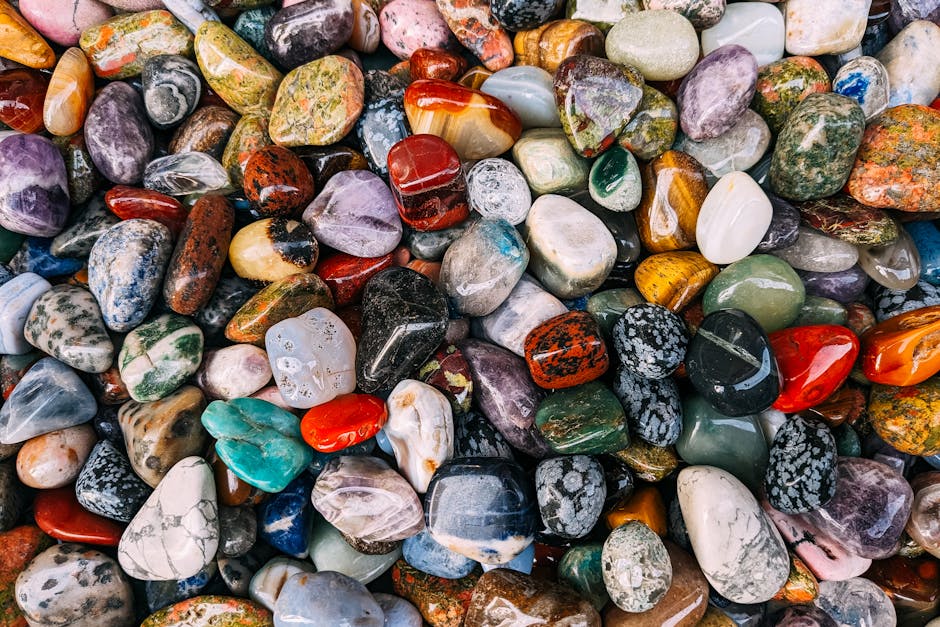
I've watched too many people spend hundreds of dollars on beautiful crystals, only to find them scratched or chipped within months. The problem usually isn't the quality of the stone—it's understanding how hard that stone actually is. Let me explain why the Mohs hardness scale should be your first consideration before any crystal purchase.
What Is the Mohs Hardness Scale?
Created by German mineralogist Friedrich Mohs in 1812, this scale ranks minerals from 1 (softest) to 10 (hardest) based on their ability to scratch one another. It's not a linear scale—the jump between numbers gets exponentially larger as you go up. Diamond (10) isn't just 1 point harder than corundum (9); it's approximately 4 times harder. This single fact explains why diamond engagement rings can last generations while softer stones need babying.
Here's the complete Mohs scale with everyday examples you'll recognize:
| Hardness | Mineral | Common Examples |
|---|---|---|
| 1 | Talc | Baby powder, chalk |
| 2 | Gypsum | Plaster, fingernail (≈2.5) |
| 3 | Calcite | Limestone, copper penny |
| 4 | Fluorite | Iron nail |
| 5 | Apatite | Knife blade, glass (≈5.5) |
| 6 | Orthoclase | Steel file, quartz |
| 7 | Quartz | Granite, amethyst, citrine |
| 8 | Topaz | Emerald, aquamarine |
| 9 | Corundum | Ruby, sapphire |
| 10 | Diamond | Hardest natural material |
The Diamond Misconception That Changes Everything
Here's something that blew my mind when I first learned it: the difference between diamond (10) and corundum (9) is the same as the difference between corundum and talc (1). That's right—one point on this scale represents an enormous gap in durability. Yet people treat rubies and sapphires (both 9) as nearly invincible, when they can still be scratched by harder materials.
This exponential nature explains why quartz-based stones (hardness 7) can scratch almost anything softer than them—including your window glass (5.5) and many other crystals you might store them with. I've seen people throw all their crystals into one bag, not realizing that the amethyst is slowly scratching the softer stones like selenite (2) and calcite (3).
Practical Implications for Daily Wear
So what does this mean for your jewelry collection? Let me break it down by hardness ranges:
Hardness 1-3: Handle with Extreme Care
These stones are soft enough to be scratched by your fingernail (2.5). Selenite, gypsum, and some calcite varieties fall into this category. I recommend these primarily for display pieces or occasional meditation use—not daily wear jewelry. If you do wear them, expect scratches, chips, and wear over time. These need proper crystal care to maintain their appearance.
Hardness 4-6: Gentle Daily Wear
Fluorite, apatite, and many popular healing stones sit here. They're soft enough that household dust (which often contains tiny quartz particles) can scratch them over time. I wear these for special occasions, not every day. They're perfect for pendants that don't rub against clothing or other surfaces.
Hardness 7: The Sweet Spot for Daily Jewelry
This is why quartz stones (amethyst, citrine, rose quartz, smoky quartz) make such popular jewelry. At hardness 7, they're hard enough to resist most daily wear while still being workable for jewelers. They won't scratch from normal contact with clothing or skin, though harder materials can still mark them. I've had an amethyst ring I wear daily for three years that still looks great.
Hardness 8-9: Premium Durability
Topaz, emerald, aquamarine, ruby, and sapphire offer excellent durability for frequent wear. These stones can withstand decades of daily use with proper care. That said, even at hardness 9, sapphires can be scratched by harder materials—so don't go rubbing them against diamonds!
Hardness 10: The Diamond Standard
Diamonds are virtually scratch-resistant from anything other than another diamond. This durability is why they dominate engagement ring culture. However, hardness isn't toughness—diamonds can still chip or shatter if struck at the right angle. I've seen plenty of "indestructible" diamonds with chips along the girdle from accidental impacts.
The Storage Mistake Everyone Makes
Here's a common scenario I encounter constantly: someone buys a beautiful selenite wand (hardness 2) and tosses it in a drawer with their quartz crystals (hardness 7). Six months later, they're wondering why their selenite looks dull and scratched. The answer? Harder stones scratched the softer ones during storage.
The solution is simple but often overlooked: store crystals by hardness. Keep your softest pieces (1-4) in soft cloth pouches, separate from medium (5-7) and hard (8-10) stones. I use small velvet bags labeled with hardness ranges—it takes two extra seconds but saves hundreds in damaged crystals.
Hardness vs. Toughness: Not the Same Thing
This distinction trips up many collectors. Hardness measures scratch resistance, while toughness measures resistance to breaking or chipping. Some stones are hard but brittle (emerald), while others are softer but tougher (jade, though not on the Mohs scale as it's a rock, not a mineral).
I've seen people wear emerald rings daily, only to be shocked when they chip. Emeralds (hardness 7.5-8) are plenty hard enough for daily wear, but they're brittle and contain natural inclusions that create weak points. Understanding both hardness and toughness helps you choose the right stone for the right purpose.
Testing Hardness at Home
You can approximate a stone's hardness using common household items:
- Fingernail: ~2.5
- Copper penny: 3.0
- Knife blade/steel nail: 5.5
- Unpolished quartz: 7.0
- Corundum (ruby/sapphire): 9.0
Be careful with this method—testing can damage softer stones. I only recommend it on specimens you're willing to risk scratching. If authenticity is your concern, professional gemological testing is safer and more reliable. This is especially important when you're identifying real vs. synthetic crystals, as hardness alone doesn't determine authenticity.
Cleaning by Hardness Category
Hardness directly impacts how you should clean your stones. Harder stones (7-10) can usually handle gentle scrubbing with a soft brush, while softer ones (1-4) may be damaged even by water pressure. I've ruined more than one soft mineral by being too enthusiastic with cleaning.
For crystals below hardness 5, I recommend dusting with a soft brush or using compressed air. For stones hardness 5-7, lukewarm water with mild soap is usually safe. Harder stones can tolerate more thorough cleaning, but always check crystal cleaning safety guidelines first—some stones react poorly to water regardless of hardness.
Making Smart Purchasing Decisions
Now that you understand the scale, here's my buying framework:
- Determine intended use: Daily wear? Occasional? Display only?
- Check the hardness: Does it match your planned use?
- Consider toughness: Is the stone brittle or prone to cleavage?
- Factor in maintenance: Are you willing to provide the required care level?
I recently passed up a stunning fluorite necklace despite loving the color. At hardness 4, it would show wear too quickly for my lifestyle. Instead, I chose a similar-colored amethyst piece (hardness 7) that I can enjoy daily. Hardness helps you make practical decisions without sacrificing aesthetics.
The Bottom Line
The Mohs hardness scale isn't just a mineralogical curiosity—it's your first line of defense against damaged crystals and disappointing purchases. By understanding where your stones fall on this scale, you can make smarter buying decisions, store your collection properly, and choose pieces that will actually last.
Hardness doesn't tell the whole story about a crystal's beauty or metaphysical properties, but it tells you something essential: will this piece still look beautiful years from now, or will it be scratched and worn beyond recognition? In my experience, that question should come before any other.
Frequently Asked Questions
Can I wear my moonstone (hardness 6) every day?
Moonstone falls in the medium hardness range (6), which means it can handle daily wear but will show some scratching over time. I recommend moonstone for rings you don't wear every day, or for pendants and earrings that experience less friction. With proper care, daily wear is possible but expect gradual wear.
Why is my selenite getting cloudy if I store it properly?
Selenite (hardness 2) is extremely soft—even softer than your fingernail. Even careful storage in a soft pouch can lead to scratching from microscopic dust particles, which often contain quartz (hardness 7). This cloudiness is actually micro-scratching on the surface. There's not much you can do to prevent it completely, which is why selenite is best displayed rather than worn.
Are harder crystals always better for jewelry?
Not necessarily. While hardness matters for durability, other factors include toughness (resistance to breaking), stability (resistance to heat and chemicals), and personal preference. Some of my favorite pieces are in the 5-6 hardness range because I love their energy and appearance. Hardness is one factor among many, not the sole determinant of quality.
Can I fix scratches on softer stones?
Polishing can remove shallow scratches from stones down to about hardness 5, but it's risky work that can thin the stone or alter its shape. For stones hardness 4 and below, I generally don't recommend professional polishing—it often costs more than the stone itself. Prevention through proper storage and gentle handling is far more effective than trying to fix damage after the fact.
Does hardness affect a crystal's metaphysical properties?
There's no scientific evidence linking hardness to metaphysical properties. However, some practitioners believe harder stones "hold" energy longer, while softer stones release it more easily. From my perspective, this is more about personal belief and experience than measurable hardness. Choose stones that resonate with you—their hardness is practical information, not a measure of spiritual potency.

Comments