Labradorite Crystal Meaning, Properties & Uses
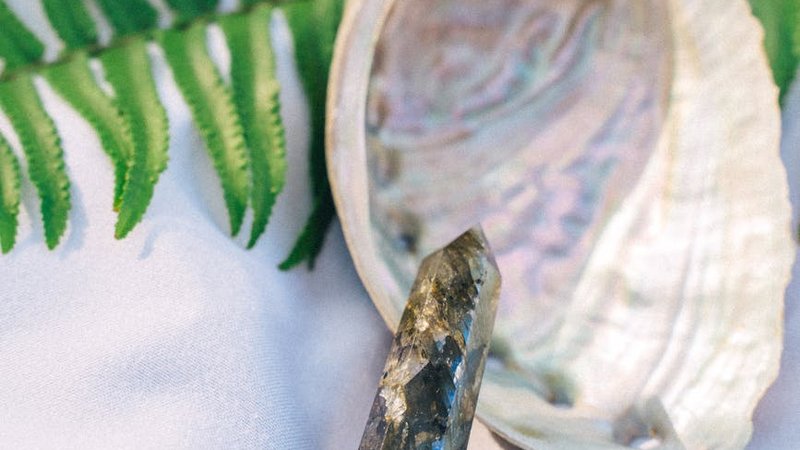
The first time I saw labradorite in person was at a small artisan market. The vendor picked up this dull, grayish rock, held it up to the sunlight, and slowly rotated it. Suddenly, the entire stone erupted with flashes of vivid blue and green light — like someone had trapped a piece of the northern sky inside a rock. I literally gasped out loud. "Is that real?" I asked. She laughed and said, "That's labradorite. It does that every time."
That moment stuck with me. I'd seen photos of labradorite before, but nothing compares to watching that shimmer bloom and fade as the stone catches light from different angles. Years later, it's still one of my favorite minerals, and I've learned a lot about what makes it so special. If you've ever been curious about that gray stone that secretly glows like magic, here's everything you need to know.
What Is Labradorite? The Basics
Labradorite belongs to the feldspar group, which is honestly one of the most underrated mineral families out there. Its chemical formula is (Ca,Na)(Al,Si)₄O₈ — basically a mix of calcium and sodium aluminum silicate. Nothing too exotic on paper, but the result is extraordinary.
On the surface, labradorite looks almost boring. It's usually gray, dark gray, or sometimes a brownish-gray. Not exactly the kind of stone that would make you stop and stare at a gem show. But then you tilt it, and that's where the magic happens. The sudden flash of iridescent color — blues, greens, golds, sometimes even pinks and purples — is called labradorescence, and it's the defining feature of this mineral.
On the Mohs hardness scale, labradorite comes in at 6 to 6.5. That puts it roughly in the same neighborhood as quartz (7), which means it's reasonably durable for everyday wear — you won't scratch it too easily with normal use, but it's not quite as tough as sapphire or diamond. It has perfect cleavage in one direction, which is worth knowing if you're thinking about cutting or drilling it (more on that in the care section).
As for where it comes from, labradorite was first identified in Labrador, Canada in the late 1700s — hence the name. That Canadian material is still considered some of the finest in the world. Other significant sources include Finland (where the spectacular spectrolite variety is found), Madagascar, Australia, and China. Each location produces slightly different characteristics, but the flash is the common thread.
How Labradorescence Actually Works
Okay, so what causes that flash? I spent way too much time reading about this, and the short version is: light interference. Here's the slightly longer version.
Inside labradorite, the mineral forms in alternating layers of sodium-rich and calcium-rich feldspar. These layers are incredibly thin — we're talking nanometers. When light enters the stone, it hits these layers and gets partially reflected at each boundary. The reflected light waves interact with each other, and depending on the thickness of the layers and the angle of the light, certain wavelengths get amplified while others cancel out. The result is that you see specific colors — blues, greens, golds — dominating at different angles.
It's the same basic principle that makes soap bubbles display rainbow colors, or why you see swirls of color on a thin film of oil on water. The technical term is thin-film interference, and in labradorite's case, it produces one of the most dramatic natural examples of this effect in the mineral kingdom.
The quality of the flash depends on how evenly and regularly those internal layers formed. Some stones have a weak, scattered shimmer. Others — the really good ones — have an intense, broad flash that seems to roll across the surface like living light. That's what collectors and jewelers prize most.
Labradorite Meaning and Symbolism
Long before we understood the physics behind labradorescence, people ascribed deep meaning to this stone. And honestly, once you've seen it flash, it's not hard to understand why. A stone that looks ordinary until the light hits it just right — there's something profoundly metaphorical about that.
Labradorite is most commonly associated with:
Transformation and Change
This is the big one. Labradorite is widely regarded as a stone of transformation. The idea is that just as the stone reveals hidden colors when shifted, it helps reveal hidden potential within ourselves. People who are going through major life changes — career shifts, moves, relationship transitions, personal growth periods — often feel drawn to labradorite. Whether or not you believe in the metaphysical properties, there's something comforting about carrying a physical reminder that change can reveal beauty you didn't know was there.
Intuition and Inner Knowing
Labradorite is sometimes called the "Magician's Stone" because it's believed to enhance intuition and psychic abilities. In crystal healing traditions, it's associated with the third eye chakra (the center of insight and perception) and the throat chakra (communication and truth). Practitioners say it helps quiet mental noise so you can hear your own inner voice more clearly.
Protection
Many crystal enthusiasts consider labradorite a protective stone. The belief is that it shields the wearer's energy field (sometimes called the aura) from negative influences and energy drain. Some people keep a piece on their desk at work specifically for this purpose — a kind of energetic armor against stressful environments.
Self-Discovery and Inner Strength
There's also a strong thread of self-discovery tied to labradorite. The stone's hidden flash is seen as a mirror for our own hidden talents, strengths, and truths that we haven't yet recognized. It's about peeling back layers — which, funnily enough, is literally how the optical effect works at the mineral level.
Now, I want to be straightforward here: none of these metaphysical properties have been scientifically proven. Labradorite is beautiful and fascinating for what it physically is. But the meaning people attach to it is real in the sense that it genuinely helps them navigate their lives, and there's value in that regardless of the mechanism.
The Inuit Legend of the Northern Lights
I love this story, and it's one of the first things I share when someone asks me about labradorite. According to Inuit legend from the Labrador region, the aurora borealis — the northern lights — was once trapped inside the rocks along the coast. The lights were brilliant and powerful, but they were imprisoned in stone.
One day, an Inuit warrior came across these stones and, with his spear, struck them and shattered the rocks. The northern lights burst free and soared into the sky, where they dance to this day. But not all of the light escaped — some remained trapped within the stones. And that trapped light, according to the legend, is what we see today as labradorescence.
It's a beautiful myth, and honestly, if you've ever watched the flash roll across a good piece of labradorite, it really does look like captured aurora. Sometimes the old stories get things exactly right on an emotional level, even if the physics tells a different tale.
Healing Properties: What Crystal Practitioners Say
In the world of crystal healing, labradorite has a reputation as a powerhouse. Here's what practitioners commonly associate with it:
- Third eye and throat chakra activation: Labradorite is said to open and align these energy centers, enhancing perception and authentic self-expression.
- Enhanced intuition: Many people use labradorite during meditation specifically to deepen their intuitive senses and strengthen their connection to inner guidance.
- Navigating life transitions: Whether it's a new job, a move, a breakup, or any significant shift, labradorite is considered a supportive companion for periods of uncertainty and change.
- Auric field protection: Practitioners believe labradorite acts as a barrier against energy vampires, negativity, and energetic depletion.
- Promoting self-discovery: By encouraging introspection and inner exploration, labradorite is thought to help people uncover strengths and truths they've been overlooking.
Again — these are metaphysical beliefs, not medical claims. There's no peer-reviewed research showing that labradorite treats any health condition. But many people find genuine comfort and focus in working with crystals, and that subjective experience is meaningful regardless of what science says about the mechanism.
How to Use Labradorite in Daily Life
One of the things I appreciate most about labradorite is how versatile it is. You don't need any special training or rituals to enjoy it. Here are the most common ways people incorporate it into their routines:
Wearing Labradorite Jewelry
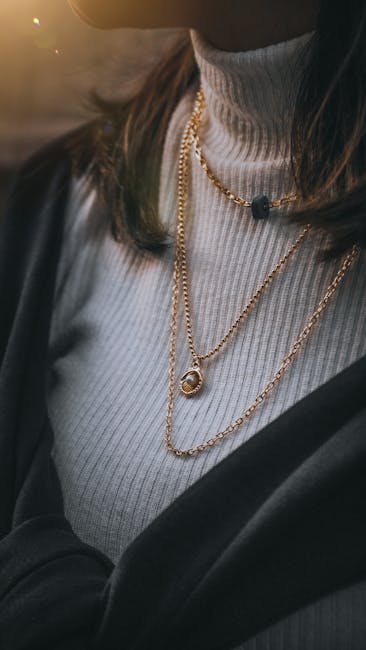
This is probably the most popular option, and for good reason. A labradorite pendant is arguably the best way to showcase the stone's flash because it sits at chest level where it catches light naturally as you move. The way it glows against skin or fabric is genuinely striking.
Bracelets and rings are great for more casual, everyday wear. With a bracelet, you get the benefit of the stone's flash being visible every time you move your wrist. Rings tend to show less flash (the stones are usually smaller and cut in ways that don't maximize the effect), but they're a subtle way to carry the stone with you. Earrings work too, though you'll want to make sure the cut orientation is right — poorly oriented labradorite in earrings might not flash at all.
Meditation
If you're into meditation, labradorite is a popular choice. Some people place a piece on their forehead (over the third eye area) during sessions. Others simply hold it in their hands. The idea is that the stone helps focus attention and deepen the meditative state. Whether you buy into the metaphysical aspect or not, having a smooth, cool, beautiful stone to hold during meditation does add a nice tactile element to the practice.
Workspace and Creative Areas
It's common to see labradorite on people's desks, studio tables, or creative workspaces. The belief is that it stimulates creativity and inspiration. Practical angle: it's just a gorgeous thing to have on your desk, and looking at something beautiful while you work genuinely can boost your mood and focus.
Carrying During Transitions
A lot of people keep a piece of labradorite in their pocket or bag during big life transitions — starting a new job, moving to a new city, going through a breakup, embarking on a major creative project. It serves as a tangible reminder that transformation, even when uncomfortable, can reveal hidden beauty. That's not woo-woo — that's just good psychological framing, and having a physical anchor for that mindset helps.
Crystal Pairings: What Goes Well With Labradorite?
If you're building a crystal collection, labradorite plays nicely with several other stones. Here are pairings that practitioners commonly recommend:
- Labradorite + Amethyst: This is probably the most popular combination. Amethyst is known for spiritual awareness and calming energy, and when paired with labradorite's intuitive and transformative properties, the two are said to create a powerful synergy for spiritual growth and inner clarity.
- Labradorite + Black Tourmaline: If you're looking for protection combined with transformation, this is the go-to pairing. Black tourmaline is one of the strongest protective stones in crystal tradition, and labradorite adds the dimension of positive change and self-discovery.
- Labradorite + Moonstone: Both are feldspar minerals, so they share a mineralogical family connection. Moonstone is associated with feminine energy, emotional balance, and new beginnings. Together, they're said to create a harmonious energy that supports emotional healing and intuitive development.
- Labradorite + Selenite: Selenite is known for its cleansing and charging properties. Practitioners often place labradorite on a selenite charging plate or beside a selenite wand to clear and refresh the labradorite's energy. It's a common "maintenance" pairing rather than a daily wear combination.
Cleaning and Caring for Labradorite
Labradorite isn't particularly fragile, but it does need some care to keep it looking its best over time:
- Moonlight cleansing: This is the traditional favorite. Place your labradorite outside or on a windowsill during a full moon and let it sit overnight. Even if you don't believe in energetic cleansing, the stone looks absolutely stunning under moonlight.
- Running water: A quick rinse under cool running water works fine for physical cleaning. Just dry it gently afterward with a soft cloth.
- Smoke cleansing: Passing the stone through sage, palo santo, or incense smoke is another traditional method. Again, whether this does anything energetically is debatable, but it smells nice and feels intentional.
- Avoid harsh chemicals: Don't clean labradorite with household cleaners, acids, or solvents. Stick to water and mild soap if needed.
- Skip the ultrasonic cleaner: Because labradorite has perfect cleavage in one direction, the vibrations from an ultrasonic cleaner can cause internal cracking. This is one stone where you should definitely hand-clean only.
- Don't soak it: Extended immersion in water isn't great for labradorite. A quick rinse is fine, but don't leave it sitting in a bowl of water for hours.
- Store separately: Labradorite can scratch other softer stones and can be scratched by harder ones. Keep it in a soft pouch or separate compartment in your jewelry box.
How to Choose Quality Labradorite
After handling dozens of pieces over the years, here's what I've learned about picking good labradorite:
- Blue flash is classic and most valuable: While labradorite can flash in many colors, vivid blue is the most sought-after and typically commands the highest prices. Green flash is also popular and can be just as striking. Gold, copper, and purple flashes are rarer and prized by collectors.
- Flash coverage matters: The more surface area that shows flash, and the more evenly it's distributed, the more valuable the stone. A piece that flashes across 70% of its surface is worth significantly more than one that only shows a small patch of color.
- Dark base is better: A darker, nearly black base color creates stronger contrast with the flash, making it appear more vivid. Stones with lighter gray bases can still be beautiful, but the flash tends to look more washed out.
- Intensity over size: A small stone with an intense, vivid flash will look more impressive than a large stone with weak, patchy shimmer. Don't assume bigger is automatically better.
- Rotate it: When shopping, always rotate the stone slowly under good lighting. The flash direction matters — some stones only show color from one specific angle, while others flash from multiple directions. Multi-directional flash is more desirable.
Labradorite vs. Moonstone vs. Spectrolite: What's the Difference?
All three of these stones belong to the feldspar family, and they can look similar at first glance. Here's how to tell them apart:
Labradorite: Dark gray to black base color with vivid multi-colored flash (labradorescence). The flash can include blue, green, gold, and sometimes pink or purple. This is the standard variety found in most crystal shops and jewelry.
Moonstone: Lighter body color — usually white, cream, or peach — with a softer, billowy blue or white sheen. The optical effect is called adularescence, and it's caused by a different mechanism than labradorescence (light scattering between microscopic layers of albite and orthoclase feldspar). Moonstone's shimmer is more subtle and ethereal compared to labradorite's bold flash. Think gentle moonlight vs. northern lights.
Spectrolite: This is actually a special variety of labradorite found only in Finland. What makes it unique is the intensity and range of its flash — spectrolite can display the full spectrum of colors, including reds, oranges, and violets that are rare or absent in standard labradorite. If you see a labradorite-family stone flashing brilliant reds and oranges alongside the usual blues and greens, you're probably looking at spectrolite. It's the most visually dramatic of the three and tends to be the most expensive.
Final Thoughts
Labradorite is one of those stones that bridges the gap between geological wonder and personal meaning. Scientifically, it's a fascinating example of how mineral structure creates optical effects. Emotionally, it's a stone that resonates with anyone going through change, seeking clarity, or just appreciating natural beauty.
I still have that first piece I bought at the artisan market. It sits on my desk, and every now and then when the afternoon light hits it just right, it flashes blue and green and I remember that feeling of pure surprise. Some things don't get old.
Comments