Jewelry Maintenance Guide: How to Clean and Care for All Types of Jewelry
I once had a silver necklace that became so tarnished it looked like it was made of lead. It had been in a drawer for six months, completely forgotten. When I finally polished it — a quick swipe with a silver cloth — the chain literally sparkled like new. That one minute of maintenance had restored a piece I thought was ruined.
Jewelry maintenance is one of those things people think is complicated until they actually learn how simple it can be. Most jewelry isn't delicate — it's durable enough for everyday wear if you know the basics. Whether you're wearing a $15 sterling silver pendant or a $5000 gold engagement ring, proper care preserves not just appearance, but value.
This guide covers everything you need to know about jewelry cleaning and maintenance. We'll break down care by metal type, stone type, and setting style, with practical tips you can start using today. No complicated equipment needed — most cleaning can be done with common household items and proper storage habits.
The Fundamental Principles of Jewelry Care
Before we get into specific care methods, understand these five principles that apply to all jewelry:
1. Prevent Rather Than Treat
The best jewelry care happens before problems develop. Most jewelry damage occurs through preventable causes — exposure to chemicals, physical impact, or improper storage. A good maintenance routine prevents 90% of common jewelry problems.
2. Understand Your Materials
Jewelry care isn't one-size-fits-all. Silver tarnishes, gold resists, gemstones have different hardness levels, and organic materials (pearls, wood) need special care. Understanding what your jewelry is made of determines how you should clean and store it.
3. Gentle is Usually Better
Most jewelry damage comes from over-cleaning rather than under-cleaning. Harsh chemicals, abrasive cloths, and excessive force can scratch surfaces, loosen settings, and damage gemstones. When in doubt, clean gently and less frequently.
4. Consistency Trumps Intensity
A monthly wipe-down with a soft cloth is better than one annual deep cleaning. Regular maintenance prevents problems from developing and keeps jewelry looking good year-round without requiring special effort.
5. Context Matters
Jewelry worn daily needs more frequent cleaning than occasional pieces. Saltwater exposure requires different care than everyday wear. Different settings (office vs. gym vs. beach) demand different maintenance approaches. Consider how and where you wear your jewelry.
Care by Metal Type
Sterling Silver Care
The Science of Tarnishing
Sterling silver tarnishes when the copper in the alloy reacts with sulfur compounds in the air. This creates silver sulfide, which appears as dark discoloration on the surface. Tarnishing isn't damage — it's a chemical reaction that can be reversed.
Daily Maintenance
For daily-worn silver jewelry:
- After wearing: Wipe with a soft, clean cloth (microfiber or silver polishing cloth)
- Regular checks: Look for early tarnish signs — usually a yellowish cast in high-wear areas
- Remove before activities: Swimming, cleaning with chemicals, or heavy exercise
- Storage: In anti-tarnish bags or with anti-tarnish strips in jewelry boxes
Simple Home Cleaning Methods
Silver Cloth Method
The easiest method for most pieces:
- Gently rub the jewelry with a silver polishing cloth 2. Work in small, circular motions 3. Pay extra attention to high-wear areas 4. Buff with a clean, dry section of the cloth
Baking Soda Paste Method
For heavily tarnished pieces:
-
1. Make a paste with 3 parts baking soda, 1 part water
2. Apply paste with a soft cloth or cotton swab
3. Gently rub the surface (avoid stones if present)
4. Rinse thoroughly with warm water
5. Dry completely with a soft cloth
Aluminum Foil Method
Chemical tarnish removal:
-
1. Line a bowl with aluminum foil
2. Place jewelry on foil
3. Sprinkle with baking soda
4. Pour boiling water to cover the jewelry
5. Wait 5-10 minutes until tarnish disappears
6. Rinse and dry thoroughly
Professional Cleaning
For valuable silver or complex pieces:
- Professional ultrasonic cleaning (for non-porous stones) 2. Chemical dipping by jewelers 3> Polishing with specialized silver polishing machines
What to Avoid
- Harsh chemicals: Bleach, ammonia, and household cleaners can permanently damage silver
- Ultrasonic cleaning for porous stones: Turquoise, malachite, and similar stones can absorb cleaning solutions
- Excessive polishing: Can remove the oxidized finish on purposefully darkened silver
- Hot water: Can damage settings or loosen glued stones
Gold Jewelry Care
The Advantage of Gold
Gold is one of the easiest jewelry metals to care for because it doesn't tarnish or rust. The main concerns are scratches, surface films, and maintaining settings.
Daily Maintenance
For gold jewelry:
- After wearing: Wipe with a soft cloth to remove oils and skin residue
- Regular checks: Look for loose stones or worn prongs
- Storage: Separate from other metals to prevent scratching
- Special care: Remove before activities where the gold might be bent or scratched
Cleaning Methods
Simple Soap Water Method
The gold standard for most gold pieces:
-
1. Mix warm water with mild dish soap
2. Let jewelry soak for 10-15 minutes
3. Gently scrub with soft brush (toothbrush works)
4. Rinse thoroughly with clean water
5. Dry completely with soft cloth
Ammonia Method
For heavily soiled gold:
-
1. Mix equal parts water and ammonia
2. Soak for 1-2 minutes
3. Gently scrub with soft brush
4. Rinse thoroughly
5. Dry completely
What to Avoid
- Chlorine: Can permanently damage gold and weaken settings
- Harsh chemicals: Bleach, strong acids, and abrasives
- Ultrasonic cleaning for fragile settings: Can loosen prongs
Rose Gold Care
Rose gold care is essentially the same as yellow gold care, but with one additional consideration:
Additional Consideration
The copper content in rose gold can develop a slight patina over very long periods. This is usually desirable and adds character, but if you prefer the original bright finish, occasional polishing restores it. Use the same cleaning methods as yellow gold.
Platinum Care
Durability Benefits
Platinum is one of the most durable jewelry metals — it doesn't tarnish, rust, or corrode. The main concerns are maintaining its bright white finish and checking settings.
Cleaning Methods
Platinum is very easy to care for:
- Simple soap water: Same as gold jewelry
- Jeweler's polishing: For restoring bright finish
- Professional ultrasonic cleaning: Safe for most platinum pieces
What to Avoid
- Chlorine: Can cause surface etching over time
- Harsh abrasives: Can scratch the surface
Care by Stone Type
Diamonds and Gemstones
Diamond Care
Diamonds are the hardest natural substance but still require proper care:
- Daily wiping: Remove oils with soft cloth
- Regular cleaning: Monthly soap water soak and gentle scrub
- Professional checks: Annual examination of settings
- Storage: Separate from other jewelry to prevent scratching
Soft Gemstones (Mohs 1-5)
Stones like turquoise, malachite, lapis lazuli, opal, and pearls need special care:
- Gentle cleaning only: Mild soap water only, no harsh chemicals
- Avoid ultrasonic cleaning: Can damage porous stones
- Avoid steam cleaning: Can crack porous stones
- Special storage: Wrap in soft cloth to prevent scratching
Medium Hardness Stones (Mohs 6-7)
Stones like amethyst, citrine, garnet, and peridot:
- Moderate cleaning: Soap water with soft brush is usually safe
- Careful ultrasonic: Generally safe for well-set stones
- Watch for fractures: Check for existing cracks before cleaning
Hard Gemstones (Mohs 8-10)
Stones like sapphire, ruby, topaz, and tourmaline:
- Standard cleaning: Soap water with soft brush
- Ultrasonic cleaning: Generally safe
- Steam cleaning: Safe for most well-set stones
Organic Materials
Pearls
Pearls require special care because they're organic:
- Last-on, first-off: Put on after perfume and cosmetics
- Avoid chemicals: Perfume, hairspray, and lotions can damage nacre
- Gentle cleaning: Damp cloth only, no soaking
- Storage: In soft pouch or cloth, not plastic bags
Wood, Bone, and Coral
Organic materials need moisture protection:
- Avoid water: Can cause swelling or discoloration
- Keep dry: Store in dry environment
- Special cleaning: Only dry or barely damp cloth
Care by Setting Style
Prong Settings
Daily Maintenance
For prong-set jewelry (most rings and earrings):
- Visual inspection: Check prongs weekly for wear or bending
- Stone movement: Gently tap stones to check for looseness
- Professional checks: Annual examination by jeweler
Cleaning Precautions
- Brush carefully: Avoid bending prongs while scrubbing
- No pressure washing: Can dislodge stones
- Gentle soaking: Don't soak prong-set jewelry for extended periods
Bezel Settings
Maintenance Needs
For bezel-set jewelry:
- Check bezel edges: Look for wear or loose sections
- Clean crevices: Use soft brush to clean inside bezel
- Stone security: Less likely to come loose than prong settings
Cleaning Methods
Bezel settings are generally easier to clean than prong settings:
- Thorough scrubbing: Can clean all surfaces without risk
- Soaking is safe: Stones are well-protected
Pave Settings
Special Considerations
Pave settings with many small stones require extra care:
- Gentle cleaning only: Use soft brush, no hard scrubbing
- Professional cleaning: Recommended for thorough cleaning
- Settings check: Regular examination for loose stones
Cleaning Precautions
- Abrasive cleaners: Can loosen small stones
- Hard brushes: Can damage delicate settings
Seasonal and Activity-Specific Care
Summer and Beach Season
Special Precautions
For jewelry at the beach and pool:
- Saltwater: Rinse with fresh water immediately
- Sunscreen: Remove before applying sunscreen
- Sand: Can scratch jewelry — remove before swimming
- Chlorine: Remove before swimming in pools
Cleaning Routine
After beach/pool activities:
-
1. Rinse with fresh water
2. Clean with mild soap
3. Dry completely
4. Check settings for damage
Winter and Indoor Season
Dry Air Considerations
Winter heating dries the air, which affects jewelry:
- Silver tarnishes faster: More frequent polishing needed
- Static electricity: Can attract dust to gemstones
- Skin dryness: Less oil on jewelry, but still regular cleaning needed
Activity-Specific Care
Exercise and Gym
For gym workouts:
- Remove before exercise: Prevents damage from sweat and equipment
- Sweat removal: Clean thoroughly after intense workouts
- Storage: In secure location during workouts
Office and Daily Wear
For office jewelry:
- Clean regularly: Remove makeup residue and oils
- Storage during work: Safe place when not worn
- Watch for snagging: Be careful around clothing and fabrics
Storage Best Practices
Individual Storage
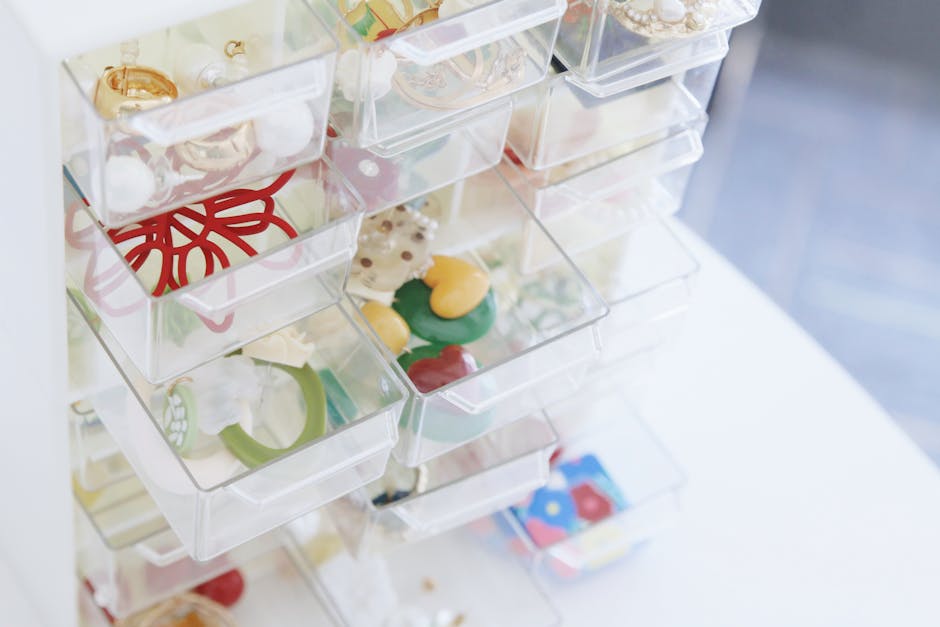
The best way to store jewelry is individually:
- Soft pouches: For most pieces
- Individual compartments: In jewelry boxes
- Anti-tarnish bags: For silver jewelry
- Soft-lined trays: For delicate pieces
Separation is Key
Never let different jewelry pieces touch in storage:
- Hard stones can scratch soft metals: Diamonds can scratch silver
- Metals can tarnish each other: Silver next to gold can cause galvanic reaction
- Shapes can entangle: Chains can become tangled together
Environmental Protection
Storage environment matters:
- Cool, dry place: Avoid heat and humidity
- Dark storage: Protects from light damage (especially for some stones)
- Air-tight containers: Especially for silver jewelry
Professional Maintenance
When to Visit a Jeweler
Schedule professional maintenance when:
- Annual check-ups: For expensive or frequently worn pieces
- Stone looseness: If stones feel loose or move
- Setting damage: If prongs or bezels are bent or worn
- Professional cleaning: For heavily soiled or valuable pieces
Professional Services Available
Professional jewelers offer:
- Deep cleaning: Ultrasonic and steam cleaning
- Stone tightening: Setting repair and maintenance
- Polishing and refinishing: For worn surfaces
- Repair services: For damaged jewelry
Common Jewelry Care Myths
Myth: Toothpaste is Good for Cleaning Jewelry
Reality: Toothpaste is abrasive and can scratch metals and damage stones. Use proper jewelry cleaners instead.
Myth: Hot Water Cleans Better
Reality: Hot water can damage settings, loosen glued stones, and cause some gemstones to crack. Warm water is sufficient.
Myth: All Jewelry Should Be Cleaned Regularly
Reality: Some jewelry benefits from minimal cleaning. Organic materials like pearls can be damaged by frequent cleaning.
Myth: Ultrasonic Cleaning is Safe for All Jewelry
Reality: Many stones and settings can be damaged by ultrasonic cleaning. Always check suitability before using.
Cleaning Schedule Recommendations
Daily-Worn Jewelry
Jewelry worn every day:
- Daily: Wipe with soft cloth
- Weekly: More thorough cleaning with soap water
- Monthly: Deep cleaning as needed
- Annually: Professional inspection
Occasional Jewelry
Jewelry worn occasionally:
- Before wearing: Clean and check
- Monthly: Light dusting
- Quarterly: More thorough cleaning
- Annually: Professional inspection
Conclusion: Care That Fits Your Life
Jewelry care doesn't need to be complicated or time-consuming. The key is finding routines that fit your lifestyle and the jewelry you own. A few simple habits — regular wiping, proper storage, and occasional deep cleaning — will keep your jewelry looking beautiful for years.
Remember that most jewelry is meant to be worn, not hidden away. With proper care, you can enjoy your jewelry daily while preserving its beauty and value. The best jewelry care is the care you'll actually do consistently — not the perfect care you never get around to doing.
Comments