Jewelry Care and Maintenance Guide: How to Keep Handmade Pieces Beautiful
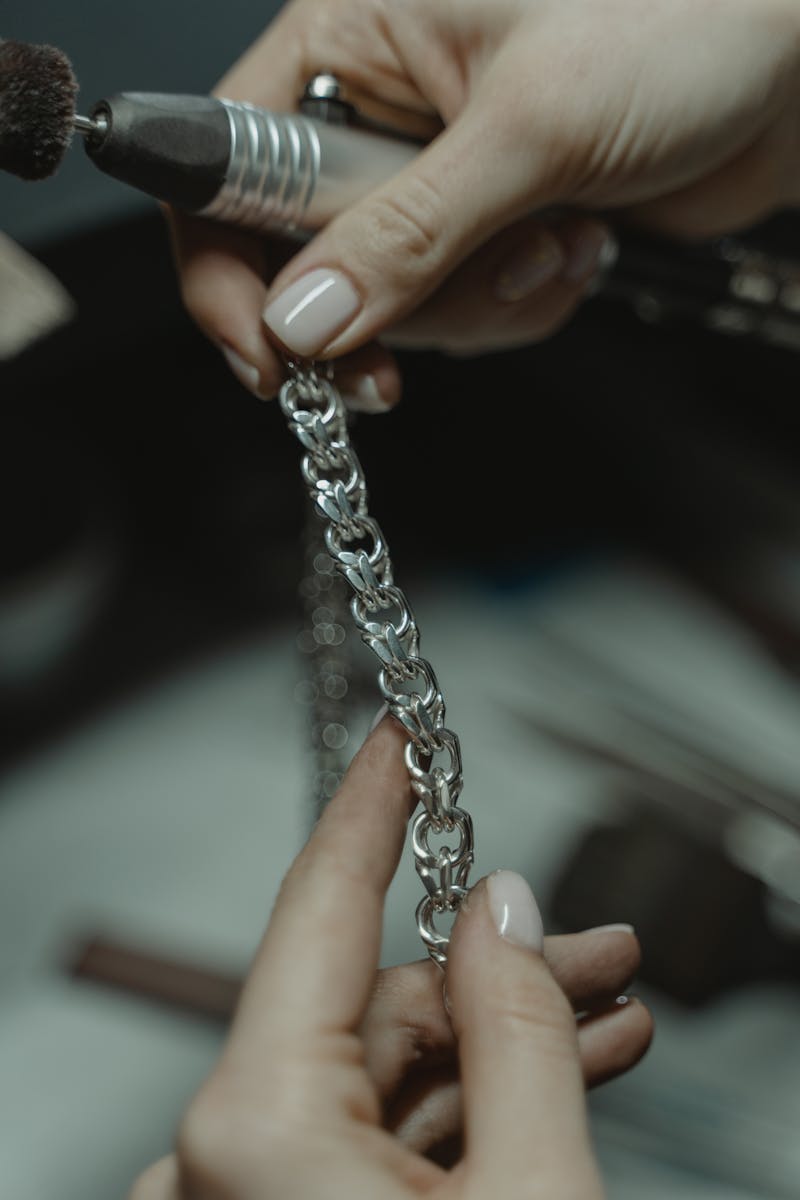
The first pair of silver earrings I made lasted two months before turning completely black. They looked like antique coins I dug out of the ground. I stored them in a plastic bag thinking that would protect them — I was wrong.
Jewelry deteriorates from environmental factors, skin chemistry, and improper care. But with the right knowledge, even delicate pieces can last decades. I've had customers bring me silver necklaces that are 20 years old and still look new because they cared for them properly.
Preserving handmade jewelry isn't about being obsessive. It's about understanding how different materials age and implementing simple habits that prevent irreversible damage. Here's what actually matters for keeping your jewelry beautiful.
The Enemies of Jewelry: What Damages Your Pieces
Chemicals (The Biggest Threat)
Chemical exposure is the #1 cause of jewelry damage. Even small amounts can cause permanent discoloration, pitting, or structural weakening. Avoid contact with:
- Chlorine: Pools, hot tubs, bleach, even chlorinated tap water can pit silver and damage gold alloys. Chlorine reacts with silver, creating black silver chloride crystals that eat away at the metal surface.
- Perfume, hairspray, lotion, sunscreen: These contain chemicals that coat jewelry and attract dirt. Perfume oils can seep into settings and gemstone pavilions, clouding stones over time. Sunscreen creates a film that makes metal look dull and gummy.
- Household chemicals: Cleaning products, dish soap (even gentle ones often contain harsh surfactants), and laundry detergent. Over time these strip protective plating and corrode metals.
- Acidic substances: Lemon juice, vinegar, tomato sauce, wine. These can eat through gold plating and permanently stain porous stones like turquoise and malachite.
- Oxygen and moisture: Causes tarnish on silver and oxidation of base metals. This is the most unavoidable factor, but you can slow it down significantly.
Physical Damage
Impact, scratches, and bending can distort metals, loosen stones, and chip delicate surfaces:
- Storage in containers: Storing loose jewelry in a drawer causes scratching when pieces rub together. Even diamonds (the hardest natural substance) can scratch other diamonds.
- Wiring clasps: Pulling bracelets forcefully over your hand stretches chains and bends clasps. This is how most clasps eventually break.
- Dropping on hard surfaces: Stone rings hitting concrete or tile can chip or crack, especially stones like opal, turquoise, and moonstone which are sensitive to impact.
- Sleeping in jewelry: Chains get caught and twisted, prongs snag on bedding, and settings can bend under pressure. This is a common cause of lost stones.
- Wearing during sports or manual labor: High-impact activities can bend soft metals (gold, silver) and loosen stone settings.
Heat and Humidity
Jewelry expands with heat and contracts with cold, leading to potential problems:
- Sudden temperature changes: Cold jewelry submerged in warm water can loosen stone settings as the metal contracts unevenly.
- High temperatures: Gemstones have different melting points. Opals (with water content) can craze or turn opaque above 125°C/257°F. Amber can darken permanently above 150°C/302°F. Enamels can bubble or darken above 200°C/392°F.
- Humidity in storage: Silver tarnishes faster in humid environments. Beadwork and fiber elements can absorb moisture, weakening over time.
- Sunlight exposure: Fades certain gemstones (amethyst, rose quartz, kunzite) and can discolor organic materials like wood and bone jewelry.
Wear Patterns
Jewelry wears where it makes contact with skin and surfaces. This isn't necessarily damage, but it changes the piece over time:
- Chain stretching: Fine chains become thinner and longer with wear, especially at high points and clasp connections.
- Stone wear: Cabochons can develop a worn patina on the surface from constant contact with clothing and skin. This is usually desirable on antiques but can be problematic on modern pieces.
- Surface polishing: High points (clasp edges, ring bezels) can become more polished over time while recessed areas stay matte, changing the overall visual balance of the piece.
Material-Specific Care
Sterling Silver (925)
Silver tarnishes when sulfide compounds in the air react with the copper content. Tarnish starts as yellow, then brown, then black over time. The key to silver care is slowing this process.
For regular wear:
- Put your silver on last (after perfume, lotion, hairspray) and take it off first
- Store in airtight containers when not worn — ziplock bags work well (squeeze out air before sealing)
- Include an anti-tarnish strip or silica gel packet in the storage bag
- Polish with a soft cloth after each wearing to remove skin oils and residue
For heavily tarnished pieces:
- Commercial silver polish: Use with care — some polishes contain abrasives that can scratch soft metals. Test on an inconspicuous spot first.
- Baking soda paste: Mix baking soda with a tiny bit of water to make a paste, apply with a soft cloth, rub gently, rinse and dry. Effective for moderate tarnish.
- Aluminum foil method: Line a glass pan with aluminum foil, place tarnished silver on foil, sprinkle with baking soda, pour boiling water over, let sit 5-10 minutes. The sulfur transfers from silver to aluminum. Rinse and dry.
- Chemical dips: Silver dip solutions remove tarnish quickly but can damage porous gemstones. Only use for plain silver pieces with no stones.
**Important:** Never use toothpaste to clean silver. It contains silica which is abrasive and creates tiny scratches that trap future tarnish, making the problem worse over time.
Gold (All Karats)
Gold doesn't tarnish, but it does show wear. Yellow gold can develop a warm patina over time, which many people consider desirable. White gold needs re-plating every 1-3 years to restore its bright white finish.
For yellow and rose gold:
- Clean with mild soap and warm water, soft toothbrush for settings
- Store separately to avoid scratching with other pieces >Remove during household cleaning to avoid contact with harsh chemicals
For white gold:
- The rhodium plating eventually wears off, revealing the yellow gold underneath >Expect to return to your jeweler for re-plating when the piece starts looking yellow or worn >Re-plating costs $20-50 per piece and takes a few hours to complete
Gold-Filled Jewelry
Gold-fill has a thick layer of gold bonded to a brass core. It's more durable than gold plate but still needs care:
- Avoid harsh chemicals that can wear through the gold layer >Clean with mild soap and water — never ultrasonic cleaners or harsh abrasives >Gold-fill doesn't need re-plating, but the gold layer can wear thin over 5-10 years of heavy wear
Plated Jewelry
Gold-plated and silver-plated pieces have thin coatings that wear off quickly:
- Limit wear to special occasions — avoid daily wear >Store separately to prevent scratches from rubbing off the plating >Clean very gently with a soft cloth — no water immersion >Expect the plating to wear off after 6-18 months of regular wear
Gemstones and Minerals
Gemstone care varies dramatically by material:
Stones That Need Gentle Care
- Opal: Contains water, so avoid temperature changes, heat, and chemicals. Clean with a soft damp cloth. Store in slightly humid environment to prevent cracking.
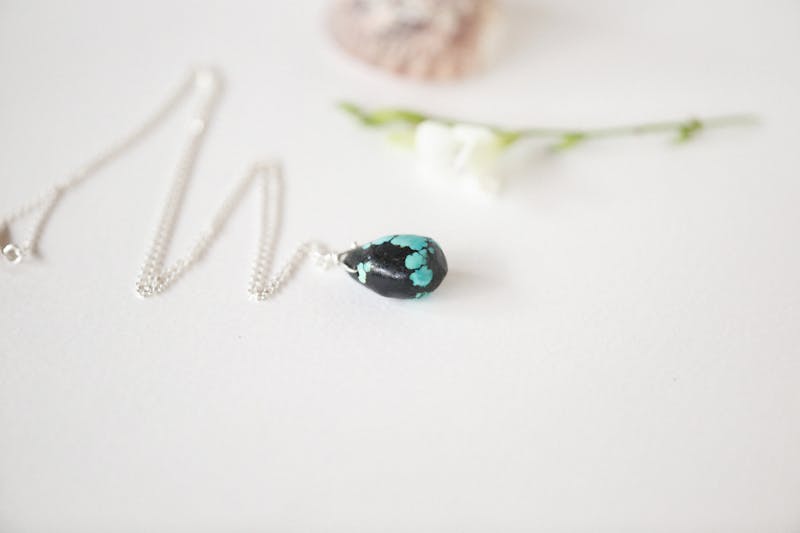
- Turquoise: Porous and absorbent — avoid chemicals, perfumes, and lotions. Clean with soft cloth only. Can be damaged by oils and grease.
- Lapis lazuli: Contains calcite which is sensitive to acid. Avoid contact with lemon juice, vinegar, etc. Clean with mild soap only.
- Malachite: Very soft (3.5-4 on Mohs scale) — scratch easily. Clean with soft cloth only. Avoid exposure to acidic substances.
- Coral and pearls: Organic materials affected by chemicals, perfumes, and humidity. Wipe gently with soft cloth after wearing. Store in a soft bag to prevent scratching.
Stones That Are Durable but Need Caution
- Amethyst, citrine, clear quartz: Durable but can be damaged by UV light exposure. Clean with mild soap and water.
- Garnet, peridot: Clean with mild soap and water. Avoid harsh chemicals that can dissolve inclusions and affect color.
- Ruby, sapphire, emerald: Generally durable but emeralds are brittle and should be protected from impact. Clean gently with soft brush and mild soap.
- Diamond: The hardest stone, but they still chip at the girdle. Can be cleaned with ammonia solution or ultrasonic cleaner (if set in metal that can handle it).
Special Care for Stringed Beadwork
When beads strung on wire, thread, or elastic:
- Never immerse in water — weakens stringing materials and can cause beads to absorb moisture >Clean with dry soft cloth or very lightly dampened cloth (almost dry) >Store flat, not hanging, to prevent stretching of elastic or crumpling of fabric elements
Daily Habits That Extend Jewelry Life
The On/Off Ritual
Develop a consistent routine for putting on and taking off jewelry:
- Put on jewelry last: After applying perfume, lotion, sunscreen, hairspray. These chemicals are best applied before jewelry touches your skin.
- Take off jewelry first: Before removing perfume, lotion, or doing any cleaning or household chores. Keep jewelry separate from chemical exposure.
- Check clasp integrity: Before putting on a bracelet or necklace, make sure the clasp closes securely and catches properly. A loose clasp is a lost piece waiting to happen.
- Quick polish with soft cloth: After taking off jewelry, give it a quick wipe with a soft jewelry cloth (the polishing type with rouge) to remove skin oils and residue. This prevents buildup and helps preserve finish.
Seasonal Care
Weather and activity patterns change by season — adjust care accordingly:
Summer Care
- Saltwater, chlorine, and sunscreen are enemies of all jewelry. Remove jewelry before swimming. >Hot weather makes gold and silver softer — more likely to bend or scratch. Be careful of putting pressure on rings. >Humidity increases tarnishing on silver. Consider anti-tarnish bags or silica gel in storage.
Winter Care
-
>Cold weather makes metals contract, potentially loosening stone settings. Have rings checked before heavy winter use.
>Dry indoor air can make skin more rough on rings and bracelets. Clean regularly to prevent buildup.
>Sweaters and scarves can snag delicate chains and pendants. Store delicate pieces separately from winter wardrobe items.
Storage Solutions
Where and how you store jewelry matters almost as much as cleaning and maintenance:
Individual Storage
The best method for most jewelry:
- Jewelry boxes with individual compartments: Prevents scratching and tangling. Separate compartments for rings, earrings, necklaces. Look for boxes with velvet lining to protect surfaces.
- Soft pouches or cloth bags: Good for individual pieces that need protection from light or moisture. Cotton flannel or velvet works best. Include silica gel packets for damp environments.
- Anti-tarnish bags: Special treated bags that slow silver tarnishing. These contain activated charcoal or other chemicals that absorb sulfur compounds.
Organized Storage
For larger collections, organization prevents damage:
- Trays with compartments: Adjustable compartments allow you to customize spaces for different sized pieces. Stackable trays work well for cabinets or shelves.
- Drawer organizers: Velvet-lined trays that fit into drawers prevent tangling and protect surfaces from scratching.
- Hanging organizers: Good for necklaces and earrings, but ensure clasps are fully closed to prevent tangling. Use padded sections to prevent metal-to-metal contact.
- Display stands: For rings and statement pieces, stands prevent flattening of rings or distortion of earrings. Look for stands covered in velvet or soft felt.
Emergency Storage
Temporary solutions when proper storage isn't available:
- Soft cloth pouch: A simple drawstring bag made of velvet or flannel protects pieces from scratching and light damage. Better than plastic bag or tissue paper.
- Ziplock bag with silica gel: For travel or temporary storage, ziplock bags with anti-moisture packets work well for silver and metals sensitive to humidity.
- Soft fabric pouch in clothing pocket: Not ideal but better than free in a suitcase. Use the softest fabric you have and keep it separate from other items.
Traveling with Jewelry
Jewelry needs special care during travel:
Packaging for Travel
- Jewelry roll: A roll with individual compartments that folds compact. Ideal for necklaces, bracelets, and earrings. Prevents tangling and scratching.
- Individual containers: Small plastic containers with soft linings work well for rings and earrings. Prevents loss in hotel rooms.
- Straws for necklaces: Thread the chain through a plastic straw before clasping to prevent tangling during travel.
- Small jewelry box: A hard-shell jewelry box protects from crushing in luggage.
On-the-Go Maintenance
- Bring a polishing cloth for quick wipes after wearing >Carry a small bag of baking soda for emergency tarnish removal >Include a small container of mild soap for cleaning if pieces get dirty
Professional Maintenance
When to Visit Your Jeweler
Some maintenance requires professional attention:
- Annual inspection: Have a jeweler check stone settings, clasps, and solder joints once a year, especially for frequently worn pieces. Small problems are easier to fix than major failures.
- Prong tightening: If stones feel loose or you see prings bending, bring it in immediately. Loose stones can fall out completely.
- Clasp replacement: Worn or broken clasps should be replaced by a jeweler. DIY clasp replacement often fails after a few wears.
- Ring resizing: Significant changes in weight or weather can affect ring fit. Professional sizing ensures the ring fits correctly without damaging the setting.
- Re-plating white gold: When white gold starts looking yellow, return to the jeweler for rhodium re-plating. Home solutions can damage the gold.
Professional Cleaning
- Ultrasonic cleaning: Effective for most metals and gemstones, but not for porous stones (turquoise, opal) or organic materials (pearls, coral). Professional jewelers know which stones can be safely ultrasonic cleaned.
- Steam cleaning: Good for diamonds and hard gemstones, but not for stones sensitive to heat change. Should only be done by professionals who understand the limitations.
- Professional polishing: Removes deeper scratches and restores high polish finish. Done with polishing wheels and compounds — not the same as home cleaning.
DIY Cleaning Methods (And What to Avoid)
Safe Home Cleaning Methods
- Mild soap and water: The safest method for most jewelry. Use a drop of mild dish soap, warm water, and a soft brush. Rinse thoroughly and dry completely.
- Baking soda paste: Mix baking soda with minimal water to make paste, apply gently with soft cloth, rinse well. Good for light tarnish on silver and general cleaning.
- Vinegar solution: Equal parts white vinegar and water for cleaning mineral deposits and light tarnish. Rinse thoroughly afterward.
- Toothpaste (only for certain metals): Non-gel toothpaste on a soft cloth can clean gold and platinum, but avoid on silver, pearls, or porous stones.
Methods to Avoid
- Bleach or chlorine products: Immediately damages gold and corrodes silver. Can destroy gemstone color and clarity.
- Harsh chemicals: Acetone, nail polish remover, ammonia-based cleaners. Can dissolve glues, damage stones, and strip protective platings.
- Scrub brushes or abrasives: Steel wool, abrasive cleaners, and hard brushes scratch metals and damage surfaces. Only use soft brushes designed for jewelry.
- Boiling water: Can loosen stones, weaken solder joints, and damage porous gemstones. Stick to warm water only.
- Ultrasonic cleaners at home: Without professional knowledge, you can damage fragile stones and weaken solder joints. Better left to professionals.
Repair and Restoration
Basic Repairs You Can Do
- Simple chain links: Broken small chain links can sometimes be repaired with needle-nose pliers by bending the link back into shape. This works best for light chains and temporary fixes.
- Tightening loose wires: The little wires in hoop earrings can sometimes be tightened with pliers to prevent earring backs from falling off.
- Cleaning surface tarnish: As mentioned above, baking soda paste works for most household tarnish.
When to Seek Professional Help
- Stone setting damage: If stones are loose or settings are bent, this needs professional attention. DIY attempts often result in lost stones.
- Solder joint failures: Broken chains or rings need proper soldering, not glue. Glue fails quickly under stress and looks amateurish.
- Complex stone damage: Chips, cracks, or broken stones need professional assessment and repair. DIY gemstone cutting and setting is a specialty skill.
- Major resizing: Rings that need significant sizing or reshaping need professional work. Home resizing often results in distorted shapes and weakened structure.
Restoring Vintage or Antique Pieces
Old jewelry requires special care:
- Consult a specialist: Antique and vintage jewelry often has historical value that needs preservation. A jeweler specializing in restoration can maintain historical integrity.
- Minimal intervention: Some wear is natural on vintage pieces. Often preserving patina and original craftsmanship is more valuable than making it look new.
- Gentle cleaning only: Use only soft cloths and minimal cleaning solutions. Avoid harsh methods that could damage original patinas or materials.
Insurance and Documentation
Appraisal Documentation
For valuable pieces:
- Professional appraisals: Get updated appraisals every 3-5 years for insurance purposes. Document current market value.
- Detailed photos: Take clear photos from multiple angles of each valuable piece. Include scale references (coin, ruler) to show size.
- Serial numbers and hallmarks: Document any identifying marks that help identify the piece.
Insurance Options
- Homeowners/renters insurance: May cover jewelry up to a certain value (typically $1,000-5,000). Check your policy specifics.
- Specialized jewelry insurance: Companies like Jewelers Mutual offer coverage specifically for jewelry, often with broader coverage than standard policies.
- Endorsement to existing policy: You may be able to add a jewelry rider to your existing insurance for higher-value pieces.
Keep appraisal documents and photos in a separate location from the jewelry itself (safe deposit box, cloud storage, family member's house). If there's ever theft, fire, or loss, you'll have documentation for insurance claims.
Creating a Jewelry Care Kit
Assemble a basic care kit with these essentials:
Everyday Care
- Jewelry polishing cloth: The multi-layered type with inner polishing rouge and outer cleaning layer. Lasts for months of regular use.
- Soft-bristle brush: A soft toothbrush or dedicated jewelry brush for cleaning settings and crevices.
- Airtight containers: Small ziplock bags for individual pieces when traveling or storing long-term.
- Silica gel packets: Keep several in your jewelry storage areas to absorb moisture.
Deep Cleaning
- Baking soda: For homemade cleaning paste and tarnish removal.
- Mild dish soap: One small bottle dedicated to jewelry cleaning (don't use the same soap for dishes).
- Cotton swabs: For reaching tight spaces and settings.
- Soft polishing cloth: For final polishing after cleaning.
On-the-Go
- Small polishing cloth: One that fits in your purse or travel bag.
- Small ziplock bag: For quick storage when removing jewelry.
- Basic cleaning solution: A small spray bottle with diluted mild soap for emergencies.
The Long-Term View: Caring for Heirlooms
Handmade jewelry, especially high-quality pieces, can become heirlooms. The key is consistent, thoughtful care:
- Regular professional inspections: Even well-made jewelry needs occasional maintenance to catch small issues before they become big problems.
- Documentation and provenance: Keep records of when pieces were made, materials used, and any significant repairs. This adds to their value and historical interest.
- Clean before storage: Before storing jewelry long-term, clean it thoroughly to remove skin oils and residue that can cause damage over time.
- Consider insurance: Valuable pieces deserve proper insurance protection beyond standard homeowners coverage.
Jewelry care isn't about preventing every sign of wear. It's about preserving the craftsmanship, materials, and sentimental value that make each piece special. With these practices, your handmade jewelry can look beautiful and last for decades, becoming treasured pieces that connect generations through time and craftsmanship.
Comments