How to Tell if Gold Is Real: 7 Tests You Can Do at Home
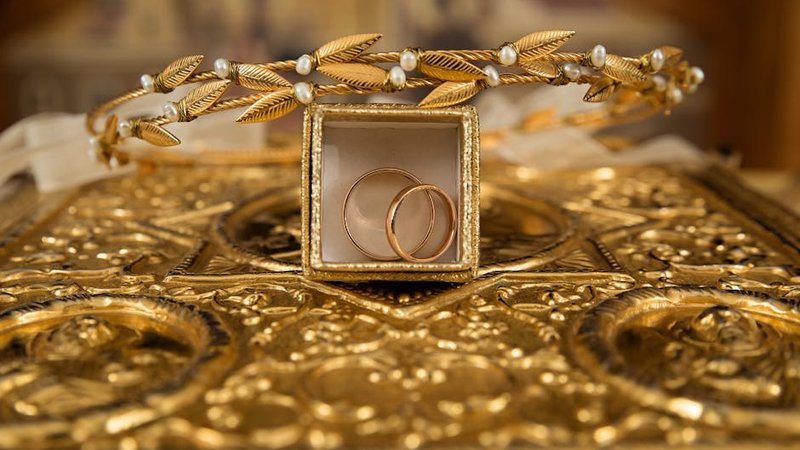
A few years back, a friend of mine bought what she thought was a solid gold chain at a flea market. The vendor swore up and down it was 14K. It looked gorgeous, had the right color, even felt heavy enough. She paid $200 for it and wore it proudly for two months — until the "gold" started turning her neck green and the clasp snapped off, revealing a dull copper-colored metal underneath. That moment stuck with me. Gold fraud is way more common than most people realize, and once you know what to look for, a lot of it is actually preventable.
I started researching gold authentication after that incident, partly out of curiosity and partly because I didn't want the same thing happening to me. What I found is that you don't need a lab to spot most fakes. There are several tests you can run at home with stuff you probably already have lying around. None of them is perfect on its own, but layer a few together and you'll catch the vast majority of counterfeit gold out there. Here are the seven tests I use, ranked roughly from easiest to most reliable.
The Magnet Test
This is the one most people know about, and for good reason — it takes two seconds and costs nothing. Real gold is not magnetic. At all. If you hold a strong neodymium magnet near a piece of genuine gold, nothing happens. The magnet slides right off.
Now, a piece of gold jewelry might have a magnetic clasp or a steel spring inside a clasp mechanism, so don't freak out if the clasp sticks. Test the chain or the main body of the piece, not the hardware. If the bulk of the item is attracted to the magnet, it's almost certainly not solid gold.
The catch? A lot of fake gold isn't magnetic either. Stainless steel, aluminum, brass, and copper — common gold substitutes — are mostly non-magnetic. So a piece passing the magnet test doesn't prove it's real. It just means it's not made of iron or nickel. This test eliminates some fakes but confirms very few genuine pieces. Think of it as a first pass, not a verdict.
The Weight and Density Test
Gold is dense. Really dense. At 19.3 grams per cubic centimeter, it's one of the heaviest elements you'll encounter in everyday life. This is why real gold jewelry has a satisfying heft to it — that heavy feeling isn't your imagination.
You can do a rough version of this test with a kitchen scale and a water glass. Weigh your piece in grams, then submerge it in a measuring cup filled with water and note how much the water level rises. The volume displaced equals the volume of the piece. Divide the weight by the volume, and you get the density. If your result is anywhere near 19, you're looking at real gold. If it's closer to 8 or 9, you're probably holding brass or steel with a gold plating.
For a slightly easier version, just compare your piece against a known real gold item of similar size. A fake gold chain that looks identical to a real one will feel noticeably lighter. This test is more reliable than the magnet test, but it does require a decent scale and some patience. It also struggles with hollow jewelry, since air inside the piece throws off the density calculation.
The Bite Test
Yes, the classic bite-the-coin move is a real thing, and it actually has some basis in science. Pure gold (24K) is very soft — soft enough that your teeth can leave a small mark in it. This is why Olympic gold medalists bite their medals (though modern Olympic "gold" medals are mostly silver with gold plating, so the whole thing is kind of ironic).
Here's the problem: most gold jewelry isn't 24K. It's 14K or 18K, which means it's alloyed with harder metals like copper, silver, or nickel. A 14K gold ring is hard enough that biting it probably won't leave a visible mark, and if you bite hard enough to leave one, you might damage your teeth. Also, some non-gold metals like lead are soft enough to show bite marks too, so this test works in both directions — it can give false positives and false negatives.
I'd rank this as the least practical test on the list. It's fun to try and it makes for a good story, but don't base a purchasing decision on whether your teeth left a dent. You're better off using one of the other methods.
The Ceramic Plate Scratch Test
This one surprised me when I first heard about it, but it works well. Grab an unglazed ceramic plate — the back side of most ceramic dinner plates is unglazed — and drag your gold piece across it with moderate pressure.
If the streak left behind is gold-colored, that's a good sign. If it's black or dark gray, the piece is likely not gold. The science here is simple: real gold is malleable enough to leave a gold streak on a hard ceramic surface, while most gold-plated items will scratch through to the base metal underneath, leaving a dark mark.
There are a couple of downsides. First, you're literally scratching your jewelry, which isn't ideal for a piece you care about. Second, some non-gold metals like pyrite ("fool's gold") can also leave a gold-ish streak. But as a quick screening tool, especially for items you're already suspicious of, this test is solid and doesn't require any special equipment beyond a dinner plate.
The Skin Discoloration Test
This one requires some patience because it's a long-term observation rather than a quick test. Wear the piece for a few days and pay attention to your skin underneath it.
Real gold doesn't react with human skin, so it shouldn't cause any discoloration. If you start seeing green or black marks where the jewelry touches your skin, something's wrong. Green marks usually mean the piece contains copper (very common in cheap gold-plated jewelry), while black marks can indicate nickel or a reaction between the base metal and your sweat or cosmetics.
The tricky part is that even real gold jewelry can cause skin reactions in rare cases. Some people are sensitive to the alloy metals in 14K or 10K gold, and certain cosmetics or lotions can react with any metal. So while green or black skin is a strong warning sign, the absence of discoloration doesn't guarantee authenticity. Still, if you're wearing a "gold" ring and your finger turns green within a week, you almost certainly didn't get what you paid for.
The Nitric Acid Test
This is the most reliable at-home test, and it's the one most professional jewelers use as a first screening. Nitric acid reacts differently to gold versus other metals. Real gold will not react (or will show only a very slight reaction in lower karat gold), while base metals like copper, brass, and nickel will bubble, turn green, or dissolve.
You can buy nitric acid test kits online for about $15–20. They typically come with a testing stone — a small black stone you rub the jewelry against to leave a metal streak, then apply a drop of acid to the streak. This way you're testing the metal itself, not damaging the jewelry.
Here's what the reactions look like: if the streak stays the same color with no bubbling, it's likely real gold. If it turns green, it's a base metal with gold plating. If it turns milky, it's likely gold-plated silver. Different concentrations of acid can even help you determine the karat — the kit usually comes with acids calibrated for 10K, 14K, 18K, and 22K.
The downside is obvious: you're working with acid. Wear gloves, work in a ventilated area, and keep it away from kids and pets. Also, this test will strip gold plating off a fake piece, so don't use it on anything you plan to return to a seller. But if you want genuine confidence about whether a piece is real gold, this is the test that delivers.
The Hallmark and Stamp Check
Most legitimate gold jewelry carries a hallmark — a small stamp indicating the gold content. Common marks include "14K" or "585" (58.5% gold), "18K" or "750" (75% gold), "10K" or "417" (41.7% gold), and "24K" or "999" (99.9% gold). In many countries, including the US, these stamps are legally required for jewelry sold as gold.
Check your piece with a jeweler's loupe or a magnifying glass. The stamp should be clean, evenly stamped, and located in an inconspicuous spot — usually on the inside of a ring band, near the clasp of a necklace, or on the back of a pendant.
Here's the catch: stamps can be faked. A counterfeit operation that's sophisticated enough to plate a piece of brass to look like gold can certainly stamp "14K" on it too. A hallmark is a necessary condition for real gold, not a sufficient one. If there's no stamp at all, that's a red flag. But the presence of a stamp alone doesn't confirm anything — combine it with at least one other test for confidence.
How Reliable Is Each Test?
No single at-home test is definitive, but combining two or three gives you a very reliable picture. Here's my honest assessment:
The nitric acid test is far and away the most accurate for home use — I'd trust it at about 95% accuracy when done correctly. The density test comes second, maybe 85% accurate if you have a good scale and the piece isn't hollow. The ceramic scratch test is decent for a quick screen, roughly 70–75% reliable. The magnet test and skin discoloration test are useful as preliminary checks but shouldn't be your only evidence. The bite test is more myth than method, and the hallmark check is necessary but never sufficient on its own.
My recommended approach: start with the magnet test (takes 5 seconds), then do the ceramic scratch test, then check for hallmarks. If the piece passes all three, you've got a reasonably confident picture. If you're about to spend serious money — say, over $500 — buy a nitric acid test kit and do the acid test too. That combination will catch virtually every fake on the market.
When to See a Professional
At-home tests are great for everyday purchases — a chain at a flea market, a ring from an online seller, an inherited piece you want to verify. But there are situations where you should just go straight to a professional jeweler.
If you're buying an expensive piece ($1,000+), get it appraised by a certified gemologist before you pay. Most reputable jewelers will do a quick authenticity check for free or a small fee. They have X-ray fluorescence (XRF) analyzers that can determine the exact metal composition without damaging the piece at all. It takes about 30 seconds and is essentially 100% accurate.
Also see a professional if you're dealing with antique gold, gold coins, or any piece where the metal content affects the value significantly. At-home tests can tell you "probably real" or "probably fake," but only a professional appraisal can tell you the exact karat, weight, and market value — which is what you actually need for insurance, resale, or estate purposes.
Tips for Buying Gold Without Getting Scammed
After years of buying and testing gold, here are the rules I follow:
Buy from reputable sources. This sounds obvious, but it matters more than any test. A licensed jewelry store with a physical location, a return policy, and good reviews is dramatically less likely to sell you a fake than a random vendor at a flea market, a social media seller, or a too-good-to-be-true online listing.
Be suspicious of prices that don't make sense. Gold is currently around $2,300 per ounce (as of 2025). If someone is selling a "solid 14K gold chain" for $50, do the math — there's not enough gold in that price range for it to be real. Gold-plated jewelry can be beautiful and affordable, but it should be sold as gold-plated, not as solid gold.
Always check the return policy before buying. If a seller won't accept returns, that's a massive red flag. Legitimate sellers stand behind their products.
Get a receipt that specifies the gold content and weight. If the receipt just says "gold necklace" without karat or gram weight, that's a warning sign. Reputable sellers document exactly what they're selling.
Trust your instincts. If something feels off — the color is slightly too yellow, the weight is slightly too light, the price is slightly too good — it probably is off. Gold fraud has been around for thousands of years, and the scammers keep getting better. But so do the tests. Learn a few of them, stay skeptical of deals that seem too good, and you'll be way ahead of most buyers out there.
Comments