How to Tell if a Crystal Is Real or Fake: 7 Expert Tests
Why authenticity matters when buying crystals
The crystal market has exploded in recent years, and with that growth comes a flood of counterfeit stones flooding online marketplaces and even some brick-and-mortar shops. Whether you're a seasoned collector or someone who just picked up their first piece of amethyst, knowing how to spot a fake crystal saves you money and frustration. More importantly, it helps you build a collection you can actually trust.
There's nothing wrong with glass decor or dyed stones sold honestly. The problem is when something gets misrepresented as natural when it's not. Let's walk through seven practical tests you can do at home, no special equipment required.
The scratch test: hardness is your first clue
Every mineral has a specific hardness rating on the Mohs scale. Genuine quartz, for instance, sits around a 7, which means it can scratch glass. Most fakes are made from glass, plastic, or resin, none of which can scratch a glass surface.
Here's how to do it: find a piece of scrap glass (an old jar or picture frame works). Press the crystal firmly against the glass and drag it. If it leaves a visible scratch, that's a strong indicator you're dealing with real quartz. If the crystal itself gets scratched or nothing happens, you're probably holding glass.
A quick caveat: some real crystals are softer than glass. Selenite, for example, sits at about a 2 on the Mohs scale and will scratch easily. So this test works best when you already know what mineral you're supposed to be looking at.
The light test: real crystals have internal character
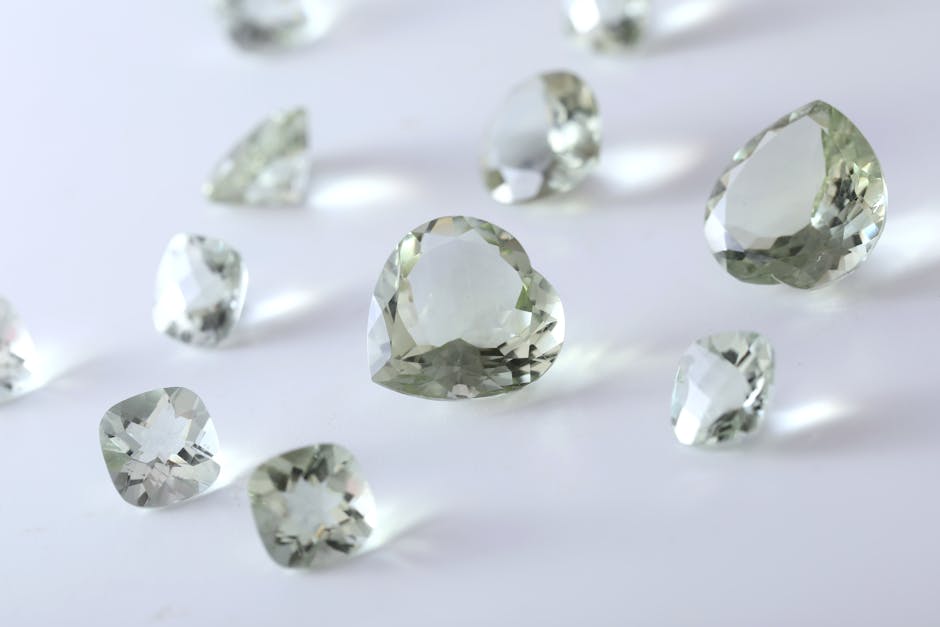
Hold your crystal up to a bright light source and look through it. Natural stones have internal imperfections, tiny inclusions, wisps of other minerals, and uneven color distribution. These aren't flaws. They're proof that something grew underground over thousands or millions of years.
Factory-made glass or resin will look almost too perfect. Completely uniform color, zero internal features, and a suspiciously clean appearance all point toward something manufactured. Some high-end fakes try to add inclusions, but they tend to look planted rather than naturally distributed.
With translucent stones like rose quartz or citrine, you should see subtle variations in color density as you rotate the piece. If the color looks painted on the surface rather than coming from within, that's a red flag.
The temperature test: real stone feels cold
Grab the crystal and hold it in your closed hand for about 30 seconds. Natural stone takes significantly longer to warm up compared to glass, plastic, or resin. This is because rock has a higher thermal mass, meaning it absorbs heat more slowly.
If the piece warms up almost immediately to match your body temperature, there's a decent chance it's not stone. Real crystals tend to stay cool to the touch for a noticeable period. This isn't foolproof on its own, but combined with other tests, it's a useful data point.
Check for air bubbles under magnification
This one's straightforward. Grab a magnifying glass or use your phone's camera zoom and examine the crystal closely, especially near the surface. Small, perfectly round air bubbles trapped inside the material almost always mean you're looking at glass, not natural stone.
Mineral inclusions look different from air bubbles. They tend to be irregularly shaped, have their own color, and follow natural fracture patterns. Air bubbles, on the other hand, are spherical and completely transparent. If you spot a cluster of uniform round bubbles, you've found a fake.
Be thorough with this check. Some fakes only have bubbles in certain sections, so rotate the stone and check multiple angles.
The weight test: density doesn't lie
Real crystals are denser than most imitation materials. Pick up the stone and pay attention to how heavy it feels relative to its size. Glass and resin are noticeably lighter than natural quartz, tourmaline, or similar minerals.
If you have a kitchen scale and a graduated container, you can get more precise. Weigh the crystal, then submerge it in water and measure the displacement. Real quartz has a specific gravity of about 2.65. If your number comes in well below that, something's off.
For most casual buyers, the hand-feel comparison is enough. If you've handled genuine stones before, a fake will often feel hollow or cheap in comparison.
Look for unnatural color patterns
Some of the most common fakes involve cheap, pale stones that have been dyed to look like expensive varieties. Bright, unnatural "neon" colors are almost always a sign of dye. Real amethyst ranges from pale lilac to deep purple, but it never looks like it was dipped in food coloring.
Check the cracks and crevices of the stone. Dye tends to pool in these areas, creating darker concentration points. If you see color collecting in fractures but the body of the stone is much paler, that's dye at work. Some sellers will even try to scratch the surface slightly to see if the color comes off on a white cloth.
Citrine is one of the most frequently dyed stones. Natural citrine is actually quite rare and tends to have a warm, amber tone. If you see bright orange or lemon-yellow stones being sold as citrine at suspiciously low prices, they're almost certainly heat-treated amethyst or dyed quartz.
The UV light test (optional but effective)
If you have access to a UV flashlight, this is one of the most reliable methods. Many natural minerals fluoresce under ultraviolet light in specific, consistent ways. Some fakes won't fluoresce at all, while others will glow in patterns that don't match the real mineral.
Fluorite is famous for its vivid fluorescence, but many other stones show subtle reactions too. Willemite glows green, scheelite glows blue, and autunite glows bright yellow-green. Learning the fluorescence signatures of common crystals takes a bit of research, but it's a powerful tool once you know what to look for.
Even if you don't memorize specific patterns, a complete lack of fluorescence in a stone that should show some reaction is worth investigating further.
Common crystals that get faked the most
Some varieties are counterfeited more often than others. Moldavite, a tektite formed from meteorite impacts, is probably the single most faked crystal on the market right now. Genuine moldavite is expensive, and the demand has spawned an entire industry of glass knockoffs. If a moldavite piece looks too perfect, has perfectly round bubbles, or costs under $50 per gram, it's almost certainly fake.
Other frequently faked stones include turquoise (often dyed howlite), lapis lazuli (dyed jasper or plastic), and shungite (which is sometimes just regular coal painted black). High-end pieces like painite or benitoite are occasionally counterfeited, though the limited market for these keeps fakery relatively rare.
What to do if you've been sold a fake
First, don't panic. It happens to everyone, including experienced collectors. Contact the seller with your evidence and request a refund. Most reputable dealers will work with you, especially if you can point to specific test results. Document everything with photos.
If the seller refuses or you bought from a platform with buyer protection, file a dispute. Leave an honest review to help other buyers. And going forward, buy from dealers who source directly from mines or who are transparent about their supply chain. A good crystal shop will tell you exactly where each piece came from and won't mind you running these tests in person.
Building a reliable collection takes time
There's no shortcut to developing an eye for authentic crystals. The more real stones you handle, the easier it becomes to spot the fakes. Start with trusted sources, learn the basics of mineralogy, and don't rush into expensive purchases. A small collection of genuine stones is worth far more than a large shelf of glass.
Keep these seven tests in your back pocket, and you'll catch most counterfeits before they become part of your collection. The crystal world is full of genuine wonder. You just need to know how to look.
Comments