How to Store Your Jewelry: Expert Tips to Prevent Tarnishing and Damage
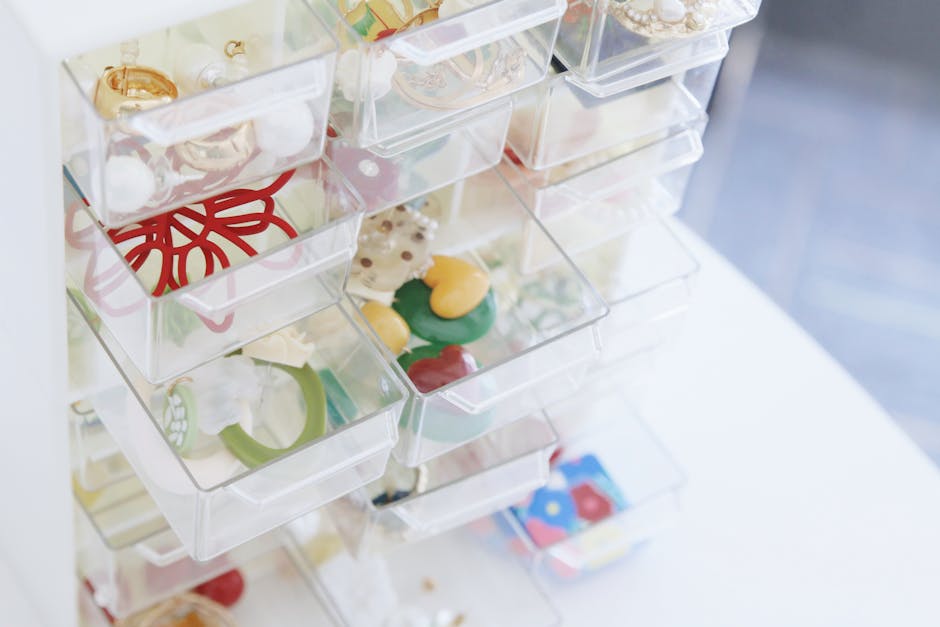
Proper jewelry storage isn't just about organization — it's about preservation. The difference between jewelry that lasts decades and jewelry that turns green and dull in months often comes down to how it's stored. Whether your collection includes precious metals, handmade artisan pieces, or everyday fashion jewelry, these storage techniques will keep everything looking its best.
Why Jewelry Tarnishes
Before diving into storage solutions, it helps to understand why jewelry deteriorates in the first place:
Oxidation
Silver reacts with sulfur compounds in the air (found in pollution, rubber, wool, and even some foods) to form a dark layer called tarnish. Gold doesn't tarnish in the same way but can develop a dull film over time.
Moisture
Humidity is jewelry's enemy. It accelerates tarnishing, can cause verdigris (that green crust on copper and brass), promotes corrosion in base metals, and can damage porous gemstones like opals and pearls.
Friction
When pieces knock against each other, softer metals get scratched, stones get chipped, and delicate chains get tangled. Even hard gemstones can be scratched by harder ones (diamonds scratch everything).
Chemicals
Perfume, lotion, sunscreen, hairspray, cleaning products, and even sweat contain chemicals that react with metals and can damage gemstones. This damage happens gradually during wear but accelerates when jewelry is stored near these products.
Light
Some gemstones fade with prolonged exposure to light, especially UV light. Amethyst, rose quartz, kunzite, and aquamarine are particularly susceptible.
Essential Storage Principles
1. Keep It Dry
Moisture control is the single most important factor in jewelry preservation. Store jewelry in a dry environment, and never put away jewelry while it's still damp from sweat, swimming, or washing.
**Practical tip:** Place a small silica gel packet in your jewelry box. Replace it every 2-3 months (or when the indicator changes color). This absorbs ambient moisture and creates a hostile environment for tarnish.
2. Separate Each Piece
Every piece of jewelry should have its own space. This prevents scratching, tangling, and chemical reactions between different metals.
**Budget solution:** Use small ziplock bags. They're cheap, airtight, and each piece gets its own compartment. Press the air out before sealing for even better protection.
3. Store Away from Chemicals
Keep your jewelry storage area far from bathroom cabinets (humidity and product fumes), kitchen areas (cooking fumes), and laundry rooms (detergent and bleach). A bedroom drawer or closet is usually ideal.
4. Store Flat or Hung
Necklaces should be hung on hooks or laid flat in individual compartments. Coiled necklaces tangle, and tangled chains can kink permanently. Bracelets should also be stored flat or on a display stand.
5. Clean Before Storing
Always wipe your jewelry with a soft, lint-free cloth before putting it away. This removes oils, sweat, and residue that accelerate tarnishing during storage.
Storage Solutions by Jewelry Type
Sterling Silver
Silver is the most demanding metal when it comes to storage because it tarnishes readily. However, with proper storage, it can stay bright for months without polishing.
Best storage:
- Anti-tarnish pouches or bags (lined with treated fabric that absorbs sulfur compounds)
- Airtight containers with anti-tarnish strips
- Individual ziplock bags with a small piece of anti-tarnish paper inside
- A dedicated silver storage box with tarnish-preventing lining
Anti-tarnish products worth investing in:
- 3M anti-tarnish strips (small squares that absorb sulfur from the air)
- Anti-tarnish tissue paper (wrap individual pieces before storage)
- Pacific cloth or similar treated polishing cloths (clean and protect in one step)
Gold and Gold-Plated
Solid gold is relatively low-maintenance but still benefits from proper storage. Gold-plated jewelry requires more care because the plating layer is thin and can wear off.
Best storage:
- Individual soft pouches or compartments
- Keep away from abrasive surfaces that could scratch the plating
- Store gold-plated pieces in ziplock bags to slow oxidation of the base metal
**Pro tip:** Gold-plated jewelry lasts longest when stored flat, not hanging. The weight of the piece can cause the plating to wear thin at stress points.
Costume and Fashion Jewelry
Fashion jewelry is usually made from base metals (brass, copper, zinc alloy) and is the most prone to tarnishing, discoloration, and skin reactions.
Best storage:
- Individual ziplock bags (the best budget option)
- Clear plastic organizer boxes with individual compartments
- Keep away from all moisture — even humidity in a bathroom can destroy costume jewelry quickly
**Pro tip:** Apply a thin coat of clear nail polish to the inside of rings and the back of earrings. This creates a barrier between the metal and your skin, reducing both tarnishing and allergic reactions.
Handmade Jewelry
Handmade artisan jewelry often features unique materials, mixed metals, and delicate constructions that need special care.
Best storage:
- Follow the care instructions provided by the artist
- Pad fragile pieces with cotton or tissue paper
- Store wire-wrapped pieces carefully to avoid deforming the wire
- Keep beaded pieces flat to prevent thread stretching
Gemstone Jewelry
Different gemstones have different storage requirements:
**Hard gemstones (diamonds, rubies, sapphires, topaz):** Store individually — diamonds will scratch everything including other diamonds. Keep in separate compartments or individual bags.
**Porous gemstones (opals, pearls, turquoise, amber):** Store in a slightly humid environment (not dry). Opals can crack if they dry out completely. Pearls benefit from the natural oils from your skin, so wearing them regularly actually helps.
**Light-sensitive stones (amethyst, rose quartz, citrine, kunzite, aquamarine):** Store in a dark place or opaque container. prolonged light exposure causes fading.
**Delicate stones (emeralds, tanzanite, apatite):** These are brittle and easily chipped. Store in padded compartments and never throw them loose into a box.
Pearls
Pearls are organic gems that require special care:
- Store flat, not hanging (the silk thread can stretch over time)
- Keep away from direct heat (causes dehydration and cracking)
- Store in a soft cloth pouch, not plastic (pearls need to "breathe")
- Wear them regularly — body oils keep pearls lustrous
- Never store near rubber, velvet, or direct sunlight
DIY Jewelry Organizers
You don't need to spend a fortune on a fancy jewelry armoire. Here are effective DIY solutions:
Ice Cube Tray Organizer
Ice cube trays are perfect for small earrings, rings, and pendants. Each compartment keeps pieces separated, and you can see everything at a glance. Line with felt for extra protection.
Corkboard Necklace Display
Cover a corkboard in fabric and push thumbtacks or small hooks into it. Hang necklaces from the hooks — they won't tangle and you can see your entire collection.
Embroidery Hoop Earring Holder
Stretch a piece of lace or mesh fabric across an embroidery hoop. Poke earrings through the fabric for a beautiful, organized display.
Pill Box for Travel
A 7-day pill organizer is perfect for travel jewelry. Each compartment holds a pair of earrings, a ring, or a small pendant.
Mug Tree for Bracelets
A kitchen mug tree (the kind designed to hold coffee mugs by their handles) is perfect for hanging bracelets and bangles.
Travel Storage Tips
Travel is tough on jewelry. Follow these tips to protect your pieces on the road:
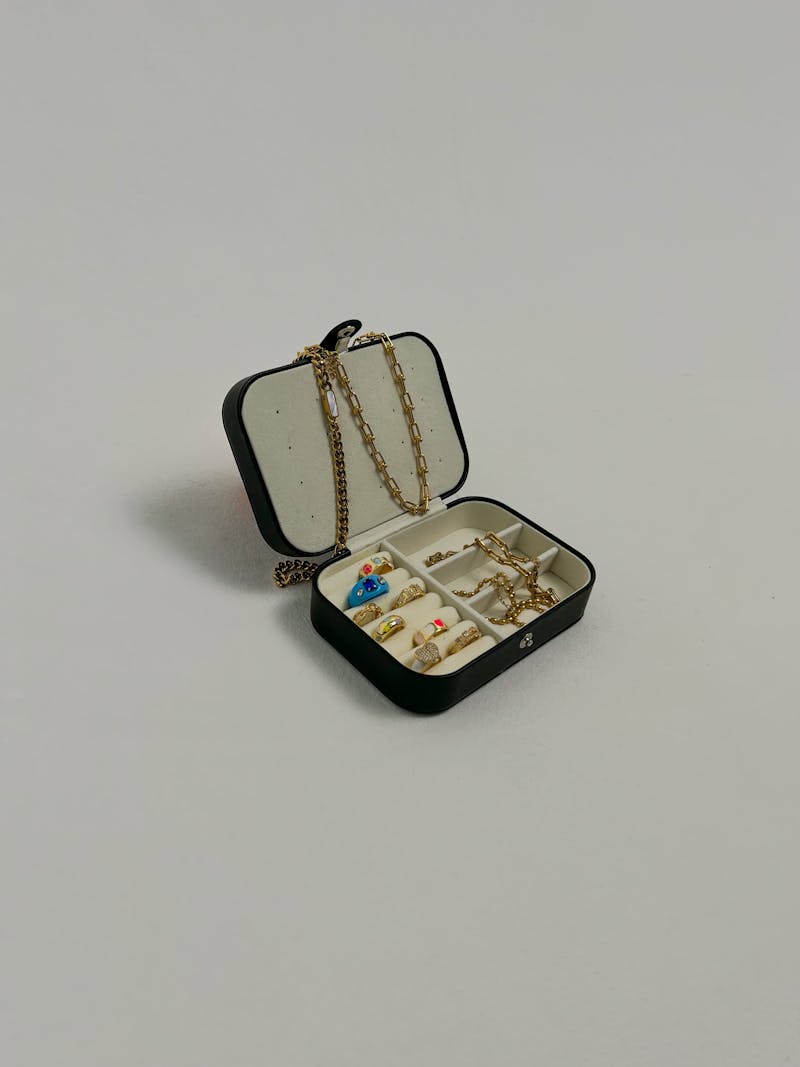
- Use a dedicated travel jewelry case with padded compartments
- If you don't have one, a rolled sunglasses case works well for necklaces
- Always pack jewelry in carry-on luggage, never checked bags
- Put jewelry on AFTER applying sunscreen, perfume, and lotion
- Use drinking straws to prevent necklace tangling: thread one end through a straw and clasp at the other end
Long-Term Storage
If you're storing jewelry long-term (months or years):
- Clean each piece thoroughly before storage
- Store in airtight containers with anti-tarnish strips
- Check on the collection every 3-6 months, replacing anti-tarnish products
- Store pearls and opals separately from the rest (they need different conditions)
- Keep a written inventory with photos for insurance purposes
Maintenance Schedule
Here's a simple schedule to keep your jewelry in top shape:
Daily:
- Wipe jewelry with a soft cloth before putting it away
- Remove jewelry before showering, swimming, exercising, or cleaning
Weekly:
- Check for loose stones, worn clasps, or stretched chains
- Quick polish of silver pieces with a treated cloth
Monthly:
- Deep clean frequently worn pieces with appropriate jewelry cleaner
- Check silica gel packets and replace if needed
- Inspect stored pieces for any developing tarnish
Every 3-6 months:
- Professional cleaning and inspection for valuable pieces
- Replace anti-tarnish strips in long-term storage
- Restring pearls if worn regularly (silk thread weakens over time)
Conclusion
Proper jewelry storage isn't complicated, but it does require consistency. The small effort of wiping, separating, and storing your pieces correctly pays off enormously in extended lifespan and continued beauty. Whether your collection is worth five dollars or five thousand, these practices will help you enjoy every piece for years to come.
Start today: pick up a pack of ziplock bags and some anti-tarnish strips. In ten minutes, you can transform how you store your jewelry and add years to its life.
Comments