How to Prevent Jewelry Tarnish: What Actually Works (And What Doesn't)
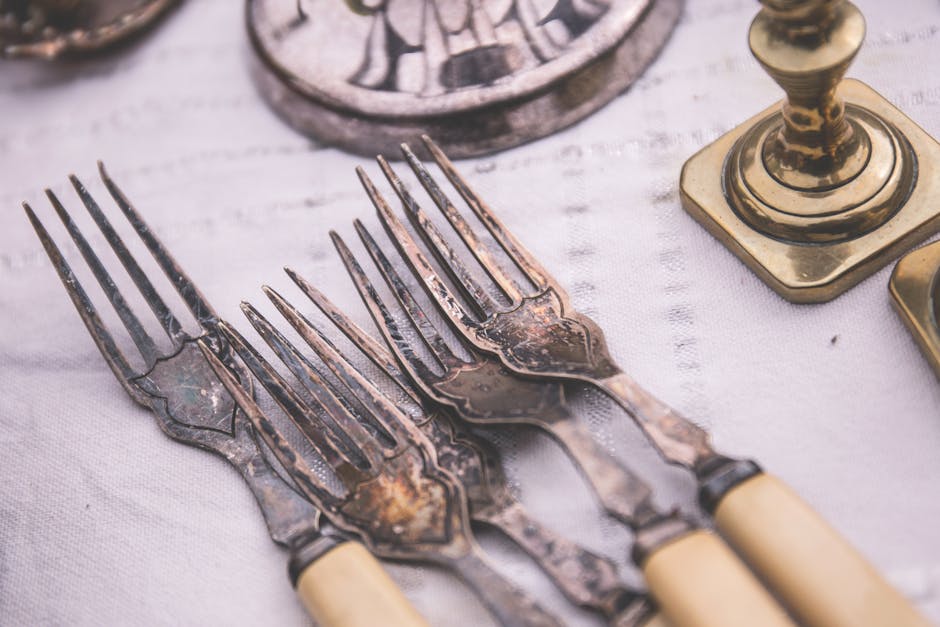
Tarnish Is Not a Sign of Cheap Jewelry
One of the most persistent myths about jewelry tarnish is that only cheap or fake jewelry tarnishes. This simply isn't true. Sterling silver tarnishes. Gold alloys can develop a dull film. Even platinum, the most noble of jewelry metals, can show surface changes over time. Tarnish is a chemical process, not a quality indicator, and understanding what causes it is the first step toward preventing it.
Tarnish happens when the metal in your jewelry reacts with substances in its environment. The most common culprit is sulfur, which reacts with silver to form silver sulfide, the dark, sometimes yellowish or blackish film you see on tarnished sterling silver. Copper, which is present in most gold alloys and is the primary component of rose gold, also reacts with sulfur and oxygen to form various copper compounds that darken the surface. Even gold, which doesn't tarnish in the traditional sense, can accumulate a film of oils, lotions, and environmental particles that dull its shine.
The Real Causes of Jewelry Tarnish
Environmental sulfur is the main enemy of silver jewelry. It's present in the air in trace amounts, more concentrated in areas with pollution or industrial activity, and surprisingly high in some household items. Eggs, onions, garlic, wool, rubber bands, latex gloves, and certain types of paper all contain sulfur compounds that can accelerate tarnishing. Storing your silver near any of these items is asking for trouble.
Your own body chemistry plays a significant role too. Perspiration contains salts, oils, and acids that vary from person to person. Some people can wear the same silver ring for years without visible tarnish, while someone else will see darkening within days. This isn't because one person has "better" skin chemistry; it's just different, and it affects how metals interact with your skin. If you've ever noticed that some jewelry darkens quickly on your skin while other pieces don't, your body chemistry is part of the explanation.
Lotions, perfumes, hairsprays, and cosmetics are another major contributor. These products contain various chemicals and compounds that can react with metals. Applying perfume and then putting on a silver necklace means you're spraying reactive chemicals directly onto the metal surface. The same goes for hand cream and rings, or hairspray and earrings. The general rule is: put your jewelry on last, after all your other grooming products have had time to dry and absorb.
Humidity and moisture accelerate tarnishing significantly. Silver stored in a humid environment will tarnish faster than the same silver stored in dry conditions. This is why people who live in humid climates often struggle more with silver tarnish. Bathing, swimming, and even vigorous exercise while wearing jewelry expose the metal to moisture that speeds up the tarnishing process.
What Actually Works to Prevent Tarnish
After years of trial, error, and paying attention to what jeweler friends recommend, here are the prevention methods that actually make a measurable difference.
Proper storage is the single most effective thing you can do. Air exposure is what causes tarnish, so limiting air contact is the most logical prevention strategy. Anti-tarnish bags and pouches, which are treated with chemicals that absorb sulfur compounds from the air, are inexpensive and genuinely effective. Storing silver in a sealed plastic bag with an anti-tarnish strip works well too. The key is creating a sealed environment with minimal air exchange.
Chalk, surprisingly, works as a simple tarnish preventative. A piece of regular blackboard chalk in your jewelry box or storage bag absorbs moisture and some sulfur compounds from the air. It's not as effective as dedicated anti-tarnish products, but it's cheap, easy, and better than nothing. Replace the chalk every few months as it absorbs moisture and loses effectiveness.
Silica gel packets serve a similar purpose by absorbing moisture. The same desiccant packets that come in shoe boxes and electronics packaging can be tossed into your jewelry storage to keep humidity low. Just make sure they're not the type that contain cobalt chloride, which is toxic. Most modern silica gel packets are cobalt-free, but it's worth checking.
Wearing your silver jewelry regularly actually helps prevent tarnish in a counterintuitive way. The friction of the metal against your skin and clothing gently polishes the surface, removing the very early stages of tarnish before it becomes visible. Pieces that sit in a box for months without being worn tend to tarnish more than pieces that are worn frequently. Of course, this assumes you're not wearing your silver while swimming, exercising, or doing household cleaning, all of which accelerate tarnishing rather than preventing it.
Clear nail polish on the inside of rings is an old trick that provides a temporary barrier between the metal and your skin. It won't prevent tarnish on the outside of the piece, but it can reduce the skin-darkening effect that some people experience with copper-containing alloys. The coating wears off over time and needs to be reapplied every few weeks, which makes it more of a temporary fix than a long-term solution.
The Rhodium Plating Option
Rhodium plating is a more permanent tarnish prevention solution for silver and white gold jewelry. Rhodium is a precious metal in the platinum family that doesn't tarnish. A thin layer of rhodium plated over silver creates a tarnish-resistant surface that looks bright and white. It's the same process used on white gold to maintain its color.
The downsides are that rhodium plating wears off over time and needs to be reapplied periodically, and it adds cost to the initial purchase. Plated silver will eventually show wear at points of friction, and when the plating wears through, the underlying silver will tarnish normally. Re-plating is available from most jewelers but costs money each time. For pieces you wear every day, the plating might need refreshing every year or two.
For frequently worn items like wedding bands or everyday necklaces, rhodium plating is worth considering despite the maintenance. For occasional-wear pieces, proper storage is probably more practical than plating, since the tarnish won't have as much time to develop between wearings.
Prevention Methods That Don't Work Well
Toothpaste is one of the most commonly recommended tarnish remedies, and it's one of the worst. Toothpaste is abrasive. It will remove tarnish, but it will also remove microscopic amounts of the metal itself. Over time, toothpaste cleaning will leave fine scratches on the surface that make future tarnish adhere more stubbornly and give the metal a dull, scratched appearance. Use proper silver polish instead, which is formulated to dissolve tarnish without scratching the metal.
Baking soda and aluminum foil is a popular home remedy that does work for removing tarnish, but it's not great for prevention. It works through an electrochemical reaction that transfers the silver sulfide from the jewelry to the aluminum foil. The problem is that this process can be harsh on certain types of jewelry, especially pieces with porous stones, enamel, or patinas that you want to preserve. It's fine for plain silver chains or solid silver pieces, but use it cautiously on anything with other materials.
Commercial "tarnish-free" jewelry sprays and dips exist, but their effectiveness varies widely. Some work reasonably well as a temporary barrier, while others are essentially expensive water. Read reviews before buying, and understand that any spray-on coating is going to wear off with use and need reapplication. There's no permanent, spray-on solution to tarnish.
Coating jewelry with clear spray paint or lacquer is a terrible idea that pops up on DIY forums from time to time. These coatings are not formulated for use on items that contact skin, they can peel off in unsightly patches, they're nearly impossible to remove completely if you change your mind, and they may contain chemicals that aren't safe for prolonged skin contact. Don't do this.
Specific Care by Metal Type
Sterling silver benefits most from proper storage and regular, gentle cleaning. An anti-tarnish pouch or bag, a soft polishing cloth for quick touch-ups between wearings, and a proper silver polish for deeper cleaning when needed. Avoid exposing silver to direct contact with sulfur-containing materials, and remove it before swimming, bathing, or exercising.
Gold jewelry tarnishes much less than silver, but it can develop a dull film from accumulated body oils, lotions, and environmental particles. Regular cleaning with warm water and mild soap, using a soft brush for textured pieces, keeps gold looking its best. Gold doesn't need anti-tarnish storage, but keeping it in a jewelry box rather than loose in a drawer protects it from scratches and tangles.
Copper and brass jewelry tarnishes quickly and dramatically, developing a brown or greenish patina that some people actually like. If you prefer the bright, shiny look, you'll need to clean it frequently and store it in a sealed environment. Commercial copper cleaners work well. Natural remedies like a lemon juice and salt paste also work but need to be rinsed thoroughly and the piece dried completely afterward to prevent water spots and accelerated tarnishing from residual acid.
Plated jewelry, whether gold-plated, silver-plated, or rhodium-plated, requires the gentlest care because the plating layer is thin and can be worn away by aggressive cleaning. Wipe plated pieces with a soft, dry cloth after wearing to remove oils and residue. For deeper cleaning, use warm water and a tiny drop of mild soap with a very soft brush. Never use polishing compounds on plated jewelry, as they will remove the plating along with any tarnish.
Stainless steel and titanium barely tarnish at all, which is one of their main advantages as jewelry metals. A quick wipe with a damp cloth is usually sufficient. These metals can develop water spots if not dried after cleaning, but that's about the extent of their "tarnish" issues.
Building a Tarnish Prevention Routine
You don't need to overhaul your entire approach to jewelry care overnight. A few simple habits, practiced consistently, make a much bigger difference than occasional elaborate cleaning sessions.
Put jewelry on after applying all grooming products. This single habit prevents a huge amount of tarnish-causing chemical exposure. Wait until your perfume, lotion, and hairspray are fully dry before putting on your jewelry.
Remove jewelry before activities that expose it to water, chemicals, or sweat. Swimming, bathing, exercising, cleaning, and cooking are all hard on jewelry. A dish by the sink or a small bowl on your nightstand where you consistently place your rings and bracelets when you take them off makes this habit easier to maintain.
Wipe jewelry with a soft cloth after wearing it. This takes ten seconds and removes the oils and residue that contribute to tarnish. A dedicated jewelry polishing cloth works best because it contains cleaning agents, but any clean, soft cloth is better than nothing.
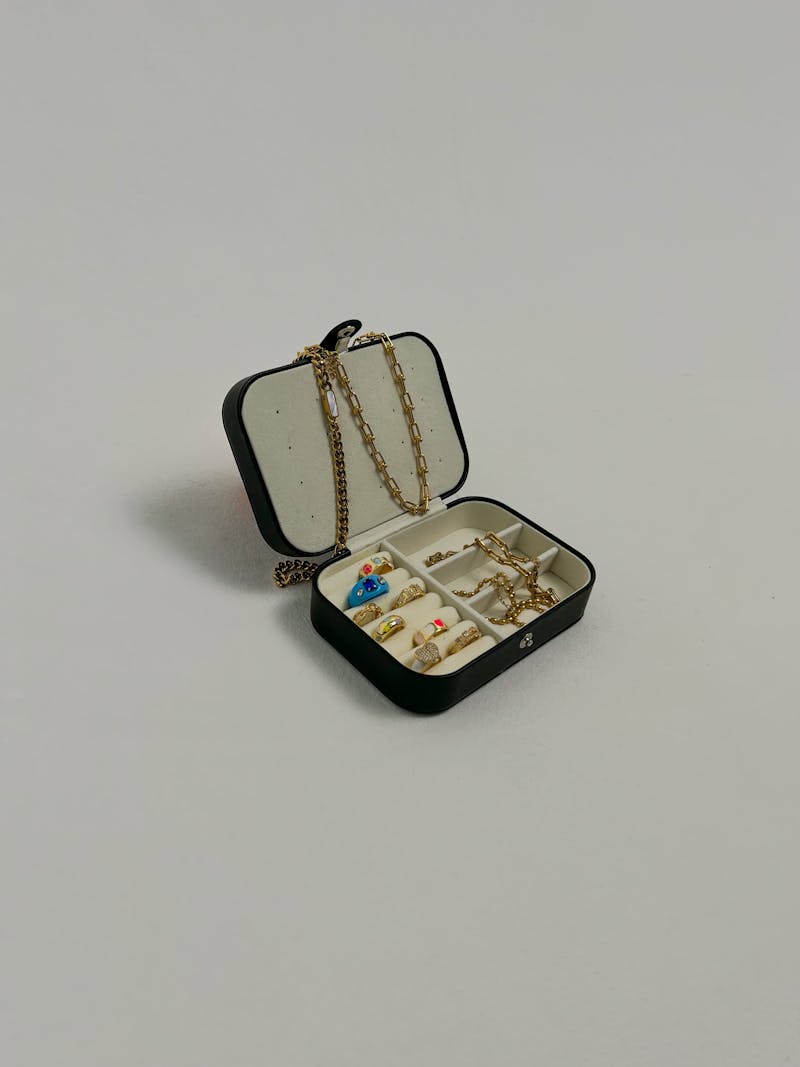
Store jewelry properly when you're not wearing it. A jewelry box with lined compartments, individual pouches for silver pieces, and anti-tarnish strips or chalk for silver storage. Don't leave jewelry sitting out on a dresser or bathroom counter where it's exposed to humidity and airborne chemicals.
Do a quick inspection and clean of your regularly worn pieces once a week. Check for loose stones, worn clasps, and early tarnish spots. A quick polish with a jewelry cloth keeps small tarnish spots from becoming big ones that require more intensive cleaning.
Tarnish is manageable. It's not a flaw in your jewelry, and it's not something you have to accept as inevitable. With the right storage, a few good habits, and appropriate cleaning methods, your jewelry can stay looking great for years with minimal effort.
Comments