How to Make Resin Jewelry at Home: Essential Supplies and Techniques
I still remember my first attempt at making resin jewelry. I was in my kitchen, armed with a YouTube tutorial and a cheap starter kit I'd found on clearance. The resin cured cloudy, the colors bled into each other, and I ended up with a pendant that looked like a sad, cloudy marble. But something about the process hooked me. The way liquid turns into solid. The way you can trap tiny flowers, glitter, or even a photograph inside something you can wear. I kept at it, ruined a few more batches, and eventually figured out what actually works.
If you're here because you've seen those stunning resin pendants on Instagram or Etsy and thought "I could do that" — you're right. You absolutely can. But there are a few things I wish someone had told me before I wasted half my starter kit. This guide covers everything from choosing the right resin to troubleshooting the problems that trip up most beginners.
What Kind of Resin Should You Use?
This is the single most important decision you'll make, and it's where a lot of beginners go wrong. Not all resin is created equal, and using the wrong type is the fastest way to end up with sticky, yellowed, or brittle jewelry.
Epoxy Resin vs. UV Resin
There are two main types of resin used for jewelry:
- Epoxy resin comes in two parts — resin and hardener — that you mix together. It cures over 24-72 hours at room temperature. This is what most jewelry makers use for pendants, earrings, and coasters. It's more forgiving, gives you working time to arrange your inclusions, and cures with excellent clarity and durability.
- UV resin cures in minutes under a UV lamp or direct sunlight. It's convenient for small projects and layering, but it's more expensive per volume, can be brittle, and doesn't work well for thick pours. I use it for quick fixes and tiny charms, not for main pieces.
For making resin jewelry at home, start with a good two-part epoxy resin. Look for one specifically labeled as "jewelry grade" or "casting resin." ArtResin, Pro Marine, and Naked Resin are all solid choices. Avoid the cheap craft store resins — they tend to yellow over time and don't cure as hard.
Essential Supplies You'll Need
The good news is that you can get started making resin jewelry for under $40-$50 if you're smart about what you buy. Here's what you actually need versus what's nice to have:
The Must-Haves
- Jewelry-grade epoxy resin — at least 8-16 oz to start. You'll waste some while learning, and it's cheaper to buy a larger kit upfront.
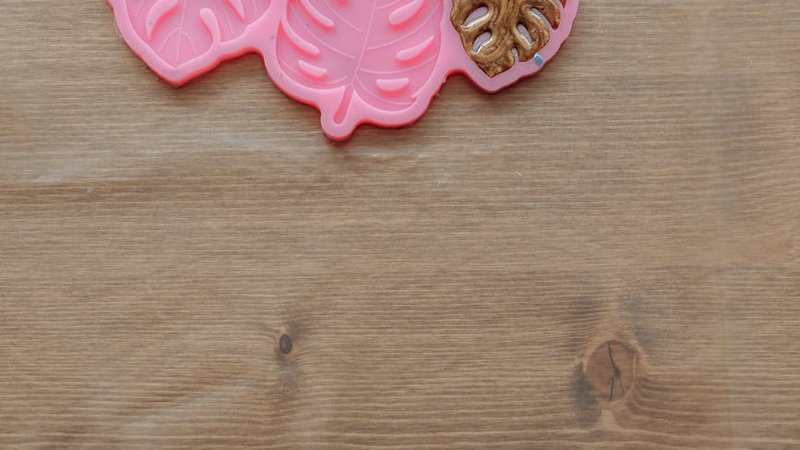
- Silicone molds — specifically jewelry molds. Look for molds made for resin (not baking or soap), as they're designed to release cleanly. Pendant molds, earring molds, and bangle molds are a good starting set.
- Measuring cups — accuracy matters. Resin that's off by even 5% can stay tacky or not cure at all. Use the graduated cups that come with your resin kit, or get dedicated plastic measuring cups.
- Stirring sticks — wooden craft sticks work perfectly. Don't use metal, which can react with some resins.
- Something to pop bubbles — a heat gun (not a hair dryer — too much airflow) or a kitchen torch. A toothpick works in a pinch.
- Plastic drop cloth or silicone mat — resin will ruin whatever surface it touches. Trust me on this one.
- Nitrile gloves — latex works, but nitrile is more chemical-resistant. Wear them every single time.
The Nice-to-Haves
- Dried flowers and botanicals — these are the magic ingredient that makes resin jewelry look professional. You can buy pre-dried flower packs online, or dry your own by pressing them between book pages for 2-3 weeks.
- Glitter, mica powder, and alcohol inks — for adding color and shimmer. Mica powder gives a gorgeous pearlescent effect, while alcohol inks create swirling, watercolor-like patterns.
- Jewelry findings — bail loops for pendants, earring hooks, jump rings, and chains. You can buy mixed packs for a few dollars.
- Toothpicks and tweezers — for positioning small inclusions in the mold.
- Resin tape or mold release spray — helpful if you're pouring into non-silicone surfaces.
Setting Up Your Workspace
Resin work requires a clean, dust-free environment. I learned this the hard way after finding cat hair embedded in three consecutive batches. Set up in a room with minimal airflow — close windows, turn off fans, and if you have pets, keep them out of the room while you're working.
Cover your work surface completely. Resin drips are inevitable and nearly impossible to clean off most surfaces. A silicone baking mat works well because cured resin peels right off.
Work at room temperature (68-72°F / 20-22°C). Too cold and the resin gets thick. Too hot and it cures too fast and can crack. If your house runs cool, warm the room before starting.
How to Make Resin Jewelry: Step by Step
Here's the process I use for making a basic resin pendant with dried flowers. Once you master this, you can adapt it for earrings, rings, bracelets, and more complex designs.
Step 1: Prepare Your Inclusions
Before you even open the resin, have everything laid out and ready. Arrange your dried flowers, glitter, or other inclusions on a clean surface near your molds. Cut flowers to fit inside your mold. Have your bail loop ready to place.
Once you mix the resin, you'll have about 20-30 minutes of working time. You don't want to be scrambling for your tweezers while the clock is ticking.
Step 2: Measure and Mix the Resin
Read your resin's instructions carefully. Most two-part epoxies use a 1:1 ratio by volume, but some use 2:1 by weight. Follow the manufacturer's ratio exactly — this is not a recipe you can eyeball.
Pour both parts into your mixing cup and stir slowly for at least 2-3 minutes. Scrape the sides and bottom. You'll see the mixture go from cloudy to clear. When you lift the stir stick, the resin should drip off cleanly without streaks.
Don't whip the resin or stir too fast — this creates thousands of tiny air bubbles that are a nightmare to remove later.
Step 3: Add Color (Optional)
If you're using mica powder, add a small amount to your mixed resin and stir until incorporated. Start with less than you think you need — you can always add more. Alcohol inks should be added drop by drop.
For layered effects, divide your mixed resin into cups and color each differently, then pour in layers for a gradient or marbled effect.
Step 4: Pour into the Mold
Pour the resin slowly into your mold, filling it about halfway. This gives you room to add inclusions without overflowing.
Use a toothpick or tweezers to position your dried flowers, glitter, or other elements exactly where you want them. Gently push them down so they're surrounded by resin. If a flower floats to the surface, wait a few minutes for the resin to thicken slightly, then reposition it.
Step 5: Remove Bubbles
After pouring, run a heat gun or kitchen torch quickly over the surface — the heat causes bubbles to expand and pop. Keep moving and don't linger, or you can scorch the resin.
Step 6: Add the Second Layer
Once you've positioned your inclusions, pour more resin to fill the mold. Leave a tiny bit of space at the top — overfilling creates messy edges.
If you're making a layered design (like a sea-glass effect), pour a thin first layer, let it partially cure for 3-4 hours, then pour the next layer. Each layer bonds to the previous one as it continues curing.
Step 7: Cure and Demold
Cover your molds with a box or container to keep dust out while curing. Let them sit undisturbed for at least 24 hours — no poking, no checking, just patience.
After 24 hours, gently flex the silicone mold to release the piece. It should pop out cleanly. If it resists, wait another few hours — it might not be fully cured yet.
Step 8: Attach Jewelry Findings
For pendants, glue a bail loop to the back with super glue or epoxy. For earrings, embed jump rings before curing or drill small holes afterward.
Common Problems and How to Fix Them
Every resin jewelry maker runs into these issues at some point. Here's what causes them and how to avoid them:
Sticky or tacky surface after curing. This almost always means your mixing ratio was off. If you're sure you measured correctly, it might be a temperature issue — the room was too cold or too humid. Unfortunately, you can't fix a tacky piece. Scrape it and start over.
Bubbles trapped inside. Prevention is easier than cure. Mix slowly, pour slowly, and use a heat gun immediately after pouring. For deeply embedded bubbles, try pouring in thinner layers instead of one thick pour.
Yellowing over time. Cheap resins yellow when exposed to UV light. Use a UV-resistant resin and store your finished pieces out of direct sunlight. If you're selling jewelry, this matters even more — customers won't be happy if their pendant turns yellow in a month.
Resin shrinks and pulls away from the mold edges. This happens with fast-curing resins and deep molds. Use a slower-curing resin for deep molds, and pour in layers if the mold is more than 1/4 inch deep.
Inclusions sink to the bottom. Some materials are too heavy for uncured resin. You have two options: let the resin thicken for 15-20 minutes before placing heavy inclusions, or use a gel-type resin that holds things in suspension better.
Creative Ideas to Try Once You've Got the Basics
Once you've made a few basic pendants and feel comfortable with the mixing and pouring process, there are some really fun directions you can take resin jewelry:
- Ocean-themed pieces — layer white resin over blue for a wave effect, add tiny shells or sand. One of the most popular resin jewelry styles right now.
- Preserved flower jewelry — use tiny dried flowers like baby's breath, forget-me-nots, or rose petals.
- Photo jewelry — print tiny photos on high-quality paper, seal them with resin, then embed. A miniature family photo in a pendant makes a meaningful gift.
- Geode-style pendants — use crushed crystal chips, glass fragments, and metallic pigments to recreate the look of a crystal geode slice.
- Galaxy-themed pieces — dark blue or black resin with fine glitter, holographic flakes, and tiny star-shaped confetti.
Safety Tips You Shouldn't Skip
Working with resin is generally safe when you take basic precautions, but the chemicals involved aren't something you want to be casual about.
Always wear gloves. Resin can cause skin irritation and allergic reactions that worsen with repeated exposure.
Work in a well-ventilated area. Epoxy resin has a mild odor, and while it's not as toxic as polyester resin, you don't want to be breathing fumes in an enclosed space. Open a window or work near an exhaust fan.
Don't eat or drink near your workspace. Wash your hands thoroughly with soap and warm water after each session.
Making Resin Jewelry Worth Wearing (and Gifting)
The difference between amateur and professional-looking resin jewelry comes down to three things: bubble removal, clean edges, and thoughtful design.
Take the time to remove every visible bubble. Sand the edges of your cured pieces with fine-grit sandpaper (400 grit, then 800) for a smooth finish. You can also coat the back of flat pieces with a thin layer of resin for a glass-smooth surface.
And think about design — don't just throw flowers and glitter into a mold randomly. Consider color harmony, proportion, and focal points. Sometimes the most striking piece uses just one element — a single pressed fern leaf, a swirl of metallic gold pigment, or a perfect circle of deep ocean blue.
Your first few pieces might not be perfect, but by your fifth or sixth, you'll be making things you're genuinely proud to wear or gift. That's the whole point — creating something beautiful with your own hands that didn't exist before.
Start small, start cheap, and enjoy the process. There's something genuinely satisfying about watching liquid turn into a solid, wearable piece of art.
Comments