How to Clean Gold Jewelry: A Complete Guide to Keeping Your Pieces Shining
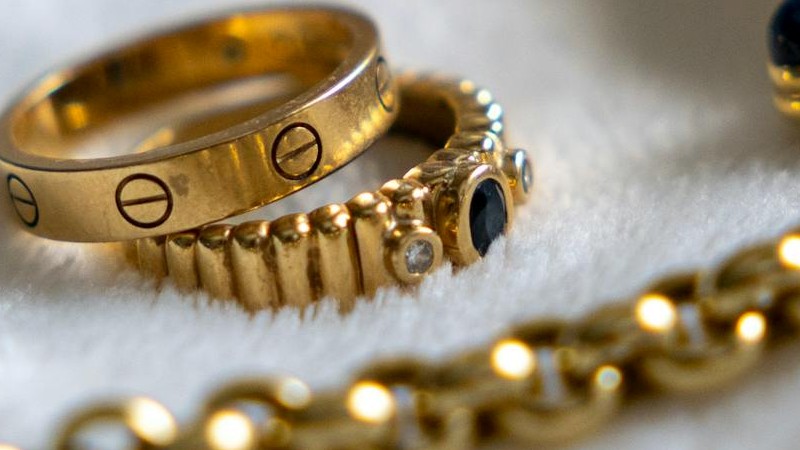
My wedding ring had been looking dull for about two weeks before I finally mentioned it to my husband. He barely looked up from his phone and said, "Just throw it in the ultrasonic cleaner, it'll be fine." I stared at him. "It's gold, not silver. Does gold even need cleaning?" He gave me that look—the one that says clearly you haven't been paying attention—and handed me a small bowl of soapy water. Turns out, yeah, gold absolutely needs cleaning. And I'd been wearing a film of two years' worth of lotion, soap, and who-knows-what on my finger like a badge of ignorance.
So I did what any self-respecting person would do: I spent an embarrassing amount of time researching how to clean gold jewelry properly. Here's everything I learned, minus the trial-and-error scratches.
Why Gold Jewelry Gets Dull (Yes, Even Real Gold)
Here's the thing nobody tells you when you buy gold jewelry: pure 24K gold doesn't tarnish. It doesn't oxidize, it doesn't corrode, and technically it could sit at the bottom of the ocean for a thousand years and come out looking exactly the same. Gold is basically indestructible on a chemical level.
But you're almost certainly not wearing 24K gold. Most engagement rings, wedding bands, and everyday gold jewelry are 14K or 18K. That means they're mixed with other metals—copper, silver, nickel, zinc—and those metals absolutely do oxidize and react with your skin, sweat, and the environment. Even 18K gold, which is 75% pure, can develop a slightly darker patina over time because of the alloy metals.
And then there's the gunk factor. Every time you wash your hands with your ring on, apply sunscreen, use hairspray, or just go about your day, a microscopic layer of stuff builds up on your jewelry. Soap scum, skin oils, dead skin cells, lotion residue, dust—it all accumulates in the tiny crevices of chains, around prong settings, and in engraved details. This buildup is what makes gold look "tarnished" even though the gold itself hasn't changed at all.
So when your gold necklace starts looking more bronze than gold, it's not the gold failing you. It's everything else catching a ride.
Know Your Gold Purity Before You Start
This matters more than you'd think. The karat number tells you what percentage of your jewelry is actual gold, and it directly affects how gently you need to treat it.
24K Gold (999/99.9% pure)
The softest, most malleable form. Rarely used in everyday jewelry because it scratches and bends too easily. If you have 24K pieces, they're probably investment gold or traditional Asian wedding jewelry. Clean these very gently—they're so soft that even a toothbrush can leave marks.
22K Gold (916/91.6% pure)
Common in South Asian jewelry. Still quite soft and yellow. Similar care to 24K—gentle cleaning only.
18K Gold (750/75% pure)
The sweet spot for fine jewelry in Europe and increasingly in the US. Durable enough for daily wear, still has that rich gold color. You can be a bit more thorough with cleaning, but don't go crazy with abrasives.
14K Gold (585/58.5% pure)
The most common karat in American jewelry. Tough, affordable, and the alloy metals make it harder than higher-karat gold. You can clean 14K fairly aggressively without worry.
10K Gold (417/41.7% pure)
The minimum karat that can legally be called "gold" in the US. Very durable but has a paler color. The higher alloy content means more potential for oxidation and skin reactions, but it's also the toughest of the bunch.
The general rule: lower karat = harder metal but more prone to tarnish from alloy oxidation. Higher karat = softer metal but less likely to discolor. Either way, gentle cleaning is always the safe bet.
The Basic Clean: Mild Soap and Water (My Go-To Method)
This is the method I use every couple of weeks on my wedding ring, and it's the one virtually every jeweler recommends as your first line of defense. It's safe for all gold purities, all gemstones, and all types of jewelry.
What you need: A small bowl, warm (not hot) water, a few drops of mild dish soap or baby shampoo, a soft-bristle toothbrush (baby toothbrushes are perfect), and a soft lint-free cloth.
Steps:
Fill the bowl with warm water and add a few drops of dish soap. Don't use anything with harsh chemicals, strong fragrances, or moisturizing agents—plain Dawn or a gentle baby shampoo works best. Drop your jewelry in and let it soak for about 15 to 20 minutes. This softens the accumulated grime so it'll release more easily.
After soaking, take your soft toothbrush and gently scrub the jewelry, paying special attention to crevices, around gemstone settings, the inside of rings, and any engraved areas. Use light, circular motions. Don't press hard—you're not scrubbing a frying pan. If your gold chain is delicate, lay it flat on a soft cloth and brush it gently rather than holding it up and pulling.
Rinse thoroughly under warm running water. Make sure all the soap residue is gone, because dried soap leaves its own film. Pat dry with your soft cloth. Don't rub chains—lay them flat and let them air dry on the cloth if needed.
That's it. For most jewelry, this is genuinely all you need. I was skeptical that something so simple would make a difference on my two-year-old ring, but the results were immediately obvious. It went from dull and slightly bronze to genuinely shiny again.
Deep Clean: Baking Soda and White Vinegar
When the soap-and-water method isn't enough—maybe you haven't cleaned a piece in months, or there's visible buildup—you can step up to the baking soda and vinegar approach. This creates a mild fizzing reaction that helps lift stubborn residue.
Important caveat: This method is only for solid gold jewelry without gemstones, pearls, or enamel. The mild acid in vinegar can damage certain stones and organic materials. And if your piece is gold-plated rather than solid gold, skip this entirely—the acid can accelerate plating wear.
What you need: Baking soda, white vinegar, a small bowl, warm water, soft toothbrush, soft cloth.
Steps:
Line the bottom of your bowl with about a tablespoon of baking soda. Place your gold jewelry on top. Slowly pour enough white vinegar over everything to submerge the jewelry. It will immediately start fizzing—that's the reaction doing its work. Let it sit for 10 to 15 minutes. Don't leave it longer than that; prolonged acid exposure isn't great even for solid gold.
Rinse thoroughly under warm running water. Give it a gentle brush with your soft toothbrush if there's still visible residue. Rinse again, then dry with a soft cloth.
I use this method on a plain gold band I wear on my right hand, and it works great for getting rid of the stubborn stuff that regular soap misses. But I wouldn't use it on anything with stones or anything plated.
Ultrasonic Cleaners: The Nuclear Option (That My Husband Swears By)
Remember how this whole rabbit hole started? Yeah, the ultrasonic cleaner. Here's the deal: ultrasonic cleaners work by sending high-frequency sound waves through a cleaning solution, creating millions of microscopic bubbles that implode and blast dirt off your jewelry. It's genuinely effective at getting into tiny spaces that no brush can reach.
For solid 14K or 18K gold without gemstones, an ultrasonic cleaner is fantastic. It'll make your jewelry look like it just left the jeweler's case.
But there are real risks you need to understand:
Avoid ultrasonic cleaning for:
Any jewelry with porous or soft gemstones—pearls, opals, turquoise, emeralds, and coral can be damaged or destroyed by ultrasonic vibrations. Treated or fracture-filled gemstones (many emeralds are treated with oils or resins) can have their fillings shaken loose. Heavily included gemstones (stones with lots of internal cracks or feathers) can crack under the vibrations. Gold-plated jewelry—the vibrations can accelerate plating delamination, especially if the plating is already thin or worn. Any piece with loose settings—if a stone is even slightly loose, the ultrasonic action can shake it right out.
My husband's ultrasonic cleaner is a small tabletop model he got on Amazon for about $40. It works, but I still prefer the soap-and-water method for anything I care about. The ultrasonic is great for plain gold chains and solid bands, but I don't trust it with my engagement ring's diamond setting—too much risk for too little extra benefit.
Commercial Gold Jewelry Cleaners
Brands like Connoisseurs, Goddard's, and Hagerty make dedicated gold jewelry cleaning solutions. They're convenient—most come with a dipping basket and a little brush—and they work well for routine cleaning.
I keep a small bottle of Connoisseurs jewelry cleaner on my bathroom counter. It's fine for quick touch-ups between deeper cleans. But honestly? A bowl of soapy water does basically the same thing for free. The commercial stuff is nice to have if you travel a lot or want something slightly more heavy-duty than dish soap, but it's not essential.
If you go this route, read the label carefully. Some cleaners are formulated specifically for gold, while others are meant for silver or mixed metals. Using the wrong type can cause discoloration. And if your jewelry has gemstones, make sure the cleaner is safe for them too—not all are.
The "Never Ever" List: What Will Ruin Your Gold
I've seen some truly terrible jewelry advice on the internet. Here's what you should absolutely never do to your gold jewelry, no matter what some influencer tells you.
Never Use Toothpaste
This is the most common bad advice out there. Toothpaste contains abrasives (silica, baking soda, hydrated alumina) designed to scrub plaque off teeth. Those same abrasives will create micro-scratches on gold, which may not be visible immediately but will make the surface dull over time and give dirt more texture to cling to. Your gold jewelry is softer than tooth enamel. Treat it accordingly.
Never Use Bleach or Chlorine
Bleach will literally dissolve the alloy metals in your gold jewelry. I'm not exaggerating—chlorine attacks the copper, silver, and nickel in gold alloys, causing pitting, structural weakness, and sometimes complete breakage. This is why you should never wear gold jewelry in a swimming pool or hot tub. I've seen photos of rings that crumbled after regular pool exposure. It's heartbreaking and entirely preventable.
Never Pull or Stretch Gold Chains
Gold is soft. Even 14K gold is softer than most people realize. If your gold chain gets tangled, do not pull on it. Lay it flat on a clean surface and use two needles or pins to gently work the knots loose, coaxing them apart bit by bit. Pulling will stretch and weaken the links, and a stretched chain will eventually break. Ask me how I know.
Never Use Hard Bristle Brushes
Stiff brushes, scouring pads, or anything abrasive will scratch gold. Use only soft-bristle brushes—baby toothbrushes are ideal. Even a regular adult toothbrush can be too stiff for higher-karat gold.
Never Use Boiling Water
Hot water won't hurt gold itself, but it can damage adhesives used in some jewelry settings, crack certain gemstones (especially opals and emeralds), and cause thermal shock that loosens prongs. Warm water is fine. Boiling is not.
Dealing with Special Problems
Your Gold Jewelry Turned Copper-Colored
This is one of the most common complaints. If your gold ring or necklace has developed a reddish or coppery tint, it usually means the alloy metals (especially copper) near the surface have oxidized. On solid gold pieces, this can often be polished away. On gold-plated pieces, it means the gold plating has worn through and you're seeing the base metal underneath. If it's plated, you'll need to have it re-plated by a jeweler—there's no home fix for that.
Black Spots on Gold
Black discoloration on gold jewelry is usually caused by sulfur compounds reacting with the alloy metals. This can come from environmental pollution, certain medications, skin chemistry, or even some cosmetics. Mild soap and water usually removes it. If it persists, the baking soda method might help, or a jeweler can polish it out.
Tangled Gold Chains
As mentioned above: patience and needles. Lay the chain flat, sprinkle a little baby powder or lubricant (even a drop of mineral oil) on the knot to reduce friction, and use two fine pins to gently tease the knot apart. This can take 10 to 20 minutes for a bad tangle, but it's better than destroying the chain.
Prevention: How to Keep Gold Clean Longer
Cleaning is reactive. Prevention is smarter. Here's what I've started doing, and my jewelry stays noticeably cleaner between washes.
Remove jewelry before activities. Take your rings off before exercising, showering, swimming, cleaning, gardening, or any activity where they'll be exposed to sweat, chemicals, or physical stress. I keep a small dish by the kitchen and bathroom sinks specifically for this. It took about a week to become a habit, and now I do it automatically.
Put jewelry on last. When getting ready, do your hair, makeup, perfume, and lotion first. Let everything dry and absorb completely before putting on your jewelry. This alone makes a huge difference—I noticed less buildup within days of changing this habit.
Store pieces separately. Gold scratches gold. When you throw a bunch of jewelry into one box or drawer, the pieces rub against each other and create micro-scratches that accumulate over time. Store each piece in its own soft pouch, small box, or at least in a compartmentalized jewelry box. Ziplock bags work in a pinch and have the bonus of slowing tarnish by limiting air exposure.
Clean regularly. A quick soap-and-water wash every two to four weeks prevents buildup from getting bad enough to need deep cleaning methods. It takes maybe five minutes. There's no reason not to.
Get a professional cleaning once a year. Most jewelers will clean and inspect your jewelry for free (especially if you bought it from them). They have professional equipment and can spot loose stones, worn prongs, or other issues you might miss. I now drop off my engagement ring and wedding band at my jeweler every January—it's become a New Year's ritual.
When to See a Professional Jeweler
Home cleaning handles 95% of routine jewelry maintenance. But some situations call for a professional:
Severe discoloration that won't come off with any home method—this could indicate a reaction that's damaged the surface, or a plating failure that needs re-plating. Loose or wobbly gemstone settings—a professional can tighten prongs and check structural integrity before you lose a stone. Bent, stretched, or misshapen chains or links—a jeweler can reshape and solder damaged links. Extensive plating wear on gold-plated pieces—re-plating requires specialized equipment. Antique or heirloom jewelry—old pieces can be fragile, have unusual construction, or contain materials that don't respond well to modern cleaning methods. Any piece you're genuinely unsure about—when in doubt, ask a professional. It's always cheaper than replacing something you damaged.
Bottom Line
Gold jewelry cleaning doesn't need to be complicated or expensive. A bowl of warm soapy water and a soft toothbrush will handle most of what life throws at your jewelry. For deeper cleaning, baking soda and vinegar work on plain solid gold pieces. Ultrasonic cleaners are powerful but come with real risks for anything with gemstones or plating. And prevention—taking your jewelry off at the right times and storing it properly—will save you from most cleaning headaches entirely.
My wedding ring is back to looking like new, and I now clean it every couple of weeks without even thinking about it. My husband was right about one thing: an ultrasonic cleaner works. But for everyday care, nothing beats five minutes with some soapy water and a baby toothbrush. Sometimes the simplest solution really is the best one.
Comments