How to Clean Crystal Jewelry: A Complete Care Guide
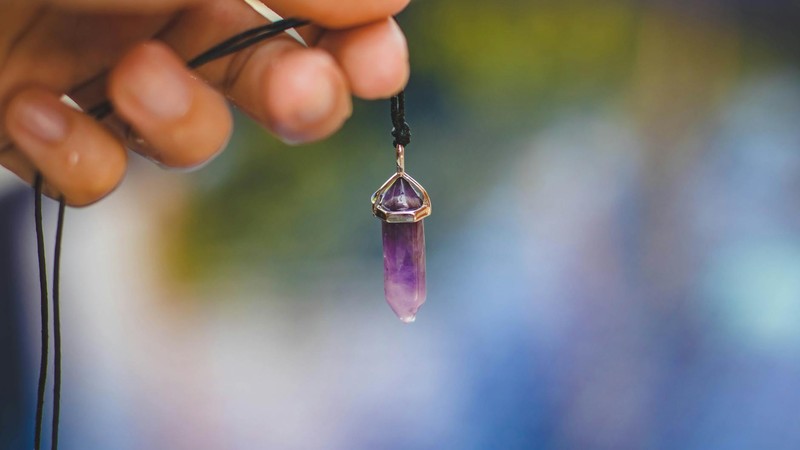
A few years ago, I did something I'll never forget — and not in a good way. I had just bought this gorgeous deep purple amethyst pendant at a gem show. The color was incredible, almost like violet light trapped in glass. After wearing it for a couple of months, it had accumulated some grime around the setting, so I figured I'd give it a quick clean. I dropped it into my ultrasonic jewelry cleaner, hit the button, and walked away feeling pretty pleased with myself.
When I came back five minutes later, I nearly cried. The pendant had developed a hairline fracture running right through the center of the stone. It hadn't shattered completely, but the crack was visible to the naked eye, and the structural integrity was basically gone. One more cycle in that machine and it would have been fragments at the bottom of a tank of dirty water.
That was the day I learned that cleaning crystal jewelry isn't the same as cleaning your gold rings or silver chains. Crystals are natural materials with their own rules, their own sensitivities, and their own preferences. Since then, I've spent years learning the proper techniques — sometimes from books, sometimes from experienced lapidaries, and unfortunately, sometimes from making more mistakes.
This guide is everything I wish someone had handed me before I destroyed that amethyst. If you're new to crystal jewelry or you've just never been sure whether you're cleaning your stones the right way, read on.
The First Rule: Know Your Crystal's Hardness
Before you even think about how to clean crystal jewelry, you need to understand the Mohs hardness scale. It's not complicated — it's basically a ranking from 1 (talc, soft as a fingernail) to 10 (diamond, can scratch pretty much anything). Most of the crystals you'll encounter in jewelry fall between 3 and 8.
Why does hardness matter? Because it tells you how fragile the stone is against physical abrasion. A crystal with a Mohs rating of 7 or above (like quartz, amethyst, citrine, or garnet) can generally handle light scrubbing, warm water, and even ultrasonic cleaning — though I'd still be careful with that last one. Crystals in the 5 to 6 range (like apatite or turquoise) need much gentler treatment. Anything below 5 (like malachite, calcite, or fluorite) should basically be treated like glass art — no abrasives, no heat, no pressure.
Here's a quick mental shortcut: if you can scratch it with a copper coin (Mohs ~3), it's too soft for anything rougher than a soft cloth.
The Hardness Cheat Sheet
For reference, here are some common jewelry crystals grouped by hardness:
Hard (Mohs 7+): Quartz (clear, rose, smoky), Amethyst, Citrine, Garnet, Topaz, Beryl (emerald, aquamarine — though emeralds need special care due to inclusions), Sapphire, Ruby, Tourmaline.
Medium (Mohs 5-6): Apatite, Opal, Jade (nephrite and jadeite are actually quite tough despite moderate hardness), Tanzanite, Peridot, Lapis Lazuli (technically 5-6 but see below for water warnings).
Soft (Mohs below 5): Malachite, Calcite, Fluorite, Selenite, Celestite, Azurite, Rhodochrosite, Amber (not technically a mineral but same idea).
Water, Soap, and the Basics: Safe Cleaning for Most Crystals
For the majority of medium to hard crystals, a simple soap-and-water approach works perfectly. This is what I use for probably 80% of my collection, and it's never let me down.
What You'll Need
Lukewarm water (never hot — sudden temperature changes can crack crystals), a mild unscented soap (I use a basic dish soap, nothing fancy), a soft-bristled toothbrush ( designate one specifically for jewelry cleaning — you don't want toothpaste residue on your stones), and a soft microfiber or lint-free cloth for drying.
The Process
Fill a small bowl with lukewarm water and add a drop or two of soap. Submerge your crystal jewelry and let it soak for just a few minutes — don't leave it overnight. Gently scrub around the setting and any crevices with the toothbrush using light circular motions. Rinse thoroughly under running lukewarm water. Pat dry with your cloth and let it air dry completely before storing.
That's it. No special products, no expensive cleaners, no magic rituals required. Sometimes the simple approach really is the best.
Ultrasonic Cleaners: Proceed with Extreme Caution
Remember my amethyst story? Ultrasonic cleaners work by generating high-frequency sound waves that create microscopic bubbles in a cleaning solution. When these bubbles collapse, they produce tiny shock waves that blast dirt off your jewelry. It's incredibly effective for hard metals and diamonds.
For crystals, it's a minefield.
Stones with internal fractures, inclusions, or cleavage planes can be cracked or shattered by ultrasonic vibration. Amethyst, citrine, and other quartz varieties are generally considered safe, but only if they're free of visible fractures. Emeralds — even though they're a hard beryl — are notorious for having internal inclusions that make ultrasonic cleaning extremely risky. Opals should never go near an ultrasonic cleaner because they contain water, and the vibration can cause internal cracking called "crazing."
My personal rule after that amethyst incident: I just don't use ultrasonic cleaners on crystals anymore. The risk isn't worth saving three minutes of hand washing. If you absolutely must use one, only do so with hard, inclusion-free stones, and always inspect them under good lighting first.
Crystals That Should Never Touch Water
This is where a lot of people get caught out. Not all crystals can handle water, even plain room-temperature water. Some minerals are porous, some are water-soluble, and some will lose their polish or structural integrity when wet.
Selenite is probably the most famous example. This beautiful translucent gypsum crystal will literally dissolve in water over time. I've seen people ruin stunning selenite wands by leaving them in water for "cleansing" — they come out looking like wet sand.
Lapis Lazuli is another tricky one. While the lazurite mineral itself has decent hardness, lapis is a composite stone — it's lazurite mixed with calcite, pyrite, and other minerals. The calcite component is water-sensitive, and prolonged exposure can cause the stone to deteriorate or lose its polish. Lapis is also porous and can absorb dirty water, which can stain it permanently.
Turquoise is naturally porous and often treated with oils or resins to stabilize it. Water can strip these treatments and cause discoloration. Some turquoise is also dyed, and water can leach the dye right out.
Malachite is soft, porous, and contains copper. It's sensitive to both water and chemicals. Prolonged moisture exposure can cause it to lose its banding pattern or develop a dull, chalky surface.
Pyrite and Hematite can oxidize or rust when exposed to water, especially if the water has any impurities. Pyrite is particularly prone to this — I once left a pyrite cube in a humid environment and came back to find it covered in a white powdery residue.
Halite (rock salt) will obviously dissolve. Calcite and Fluorite are soft enough that they can be scratched by particles suspended in water. Opal contains up to 20% water and can crack if it dries out too quickly — paradoxically, soaking it can cause problems too, because the water can penetrate existing micro-cracks and expand them.
For all of these water-sensitive crystals, stick to dry cleaning methods.
Dry Cleaning: The Safe Route for Delicate Crystals
Dry cleaning is exactly what it sounds like — cleaning without water. This is the go-to method for all the soft and water-sensitive crystals I mentioned above, and honestly, it works well for most crystals in general.
Soft Brush Method
A clean, dry, soft-bristled brush (a makeup brush or a dedicated jewelry brush) is your best friend here. Gently brush away dust and debris from the surface and any crevices. This is particularly effective for rough or natural stones, crystal clusters, and stones with textured surfaces.
Compressed Air
A can of compressed air (the kind used for cleaning keyboards) works great for getting dust out of crystal clusters, geodes, and pieces with lots of nooks and crannies. Just hold the crystal over a soft surface and give it a few short bursts. Don't hold the can too close or use continuous spraying — the cold from the expanding gas can cause thermal shock.
Polishing Cloth
For polished crystal jewelry — think tumbled stones set in rings or pendants — a soft polishing cloth is often all you need. Just give the stone a gentle buff. For extra shine on hard stones, a jewelry polishing cloth with a very mild polishing compound can work, but test it on an inconspicuous area first.
Moonlight Cleansing: Does It Actually Work?
Okay, let's address the elephant in the room. In crystal communities, "cleansing" often refers to clearing a crystal's energy, not just removing physical dirt. Moonlight cleansing is one of the most popular energetic cleansing methods, and I'll be honest — I do it regularly.
The idea is simple: place your crystals outside or on a windowsill during a full moon (or the days around it) and let the moonlight "recharge" them. Whether you believe in the energetic properties or not, it's a completely harmless practice — your crystals aren't going to be damaged by moonlight (unless they're light-sensitive, which I'll get to in a moment).
Practically speaking, moonlight cleansing serves as a nice monthly ritual to inspect your collection, give everything a gentle dust, and just appreciate what you have. I've found that having a regular "crystal care night" makes me much more attentive to the condition of my stones.
One genuine warning though: some crystals are light-sensitive. Amethyst, rose quartz, citrine, aventurine, and kunzite can fade with prolonged exposure to sunlight. Moonlight is much gentler than sunlight, so fading from moonlight alone is extremely unlikely. But if you're leaving crystals outside overnight, make sure they're brought inside before direct sunlight hits them the next morning.
Charging and Clearing: Beyond Physical Cleaning
If you're into the metaphysical side of crystals (and if you're reading a crystal care guide, you probably are to some degree), "charging" and "clearing" are concepts you'll encounter constantly. I'm not here to debate the science — I'll just share what I've found practical.
Clearing refers to removing absorbed negative energy from a crystal. Common methods include smudging with sage or palo santo, placing crystals on a selenite charging plate (ironic given selenite's water sensitivity, but dry selenite is fine), burying them in salt (though this can damage some stones, so I prefer sea salt in a separate container rather than direct contact), or simply setting an intention while holding the crystal.
Charging is about replenishing the crystal's energy. Moonlight is the most common method. Some people also use sunlight (with the fading caveat), place crystals on a clear quartz cluster, or use sound — singing bowls or tuning forks are popular for this.
My totally non-scientific observation: the act of caring for your crystals — physically cleaning them, arranging them, spending time with them — seems to be what matters most. Whether the sage smoke or the moonlight is doing anything energetically, I can't say. But the intentionality of the practice is genuinely calming.
Proper Storage: Prevention Is the Best Cleaning Method
The best way to keep your crystal jewelry clean is to store it properly so it doesn't get dirty or damaged in the first place. I learned this the hard way after finding a beautiful rose quartz ring scratched by a harder stone it was sharing a jewelry box with.
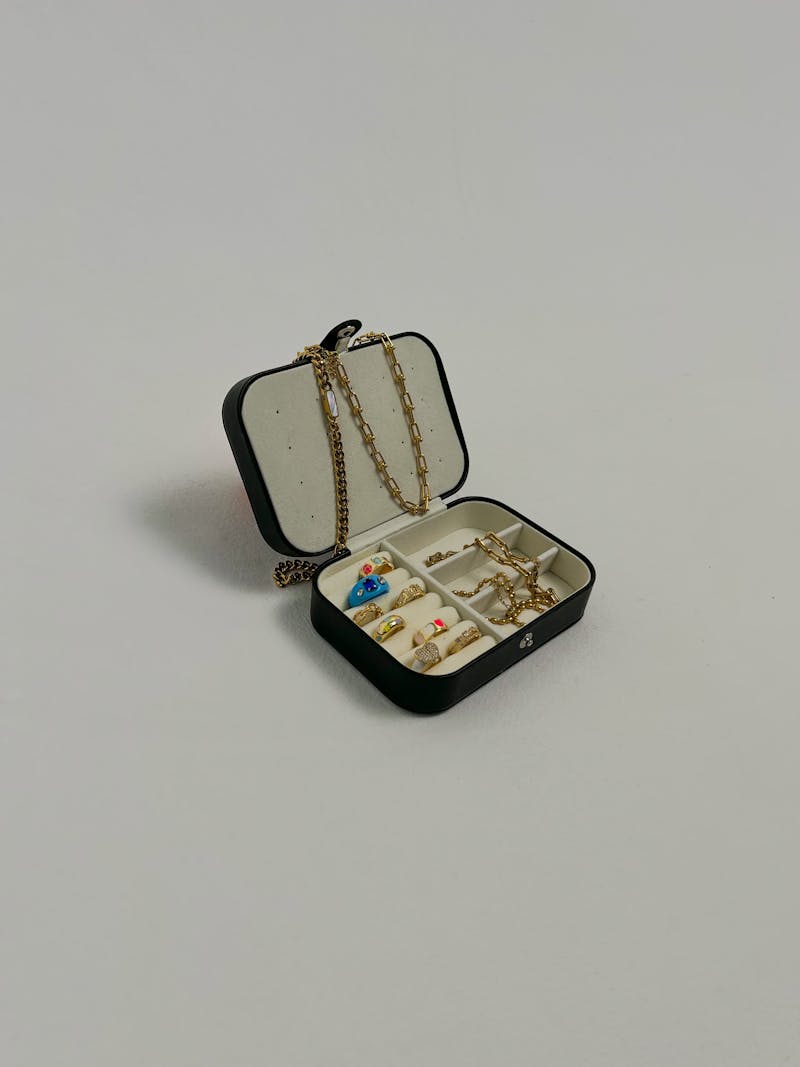
Store crystals separately. Harder stones will scratch softer ones. Even stones of similar hardness can scratch each other if they rub together. Individual soft pouches (velvet or cotton), small ziplock bags, or divided jewelry boxes with padded compartments all work well.
Keep away from direct sunlight for light-sensitive stones. A drawer or closed box is better than a windowsill display for amethyst, rose quartz, and similar stones. If you want to display them, consider LED lighting instead of natural sunlight.
Maintain stable temperature and humidity. Avoid storing crystals in bathrooms (humidity), near heaters (dry heat), or in cars (temperature extremes). Opals and pearls are particularly sensitive to humidity changes — they can crack if they dry out too much.
For jewelry with settings, store pieces flat rather than hanging if possible. Chains can stretch under their own weight over time, and crystals in prong settings are vulnerable if the jewelry is tangled with other pieces.
Silica gel packets are a cheap and effective addition to your crystal storage. They absorb excess moisture and help prevent oxidation, mold, and moisture-related damage. I throw a couple in each drawer of my jewelry box and replace them every few months.
A Quick Reference: What Not to Do
Before we wrap up, here's a list of common mistakes I've either made myself or seen others make:
Never use hot water on any crystal — thermal shock causes cracks. Never use harsh chemicals (bleach, acetone, ammonia) on any crystal — even "hard" ones can be damaged. Never boil crystals — this was actually recommended in some older guides and it's terrible advice. Never use toothpaste — it's too abrasive for most stones. Never leave crystals soaking for extended periods. Never store different crystal types loose together. Never put opals, pearls, emeralds, or any porous stone in an ultrasonic cleaner. Never assume "crystal cleaner" from a jewelry store is safe for every crystal — read the label.
The Bottom Line
Cleaning crystal jewelry doesn't have to be complicated, but it does require a little bit of knowledge about what you're working with. The three things I want you to remember: know your hardness, know your water sensitivity, and when in doubt, go gentler.
That amethyst pendant I nearly destroyed? I still have it. The crack is still there, a permanent reminder to slow down and do my homework. It sits on my desk now instead of around my neck, but I don't mind — it taught me more about crystal care than any book could have.
Your crystals are pieces of the earth that took millions of years to form. Treat them with that kind of respect, and they'll stay beautiful for a lifetime.
Comments