How to Clean and Care for Your Crystal Collection
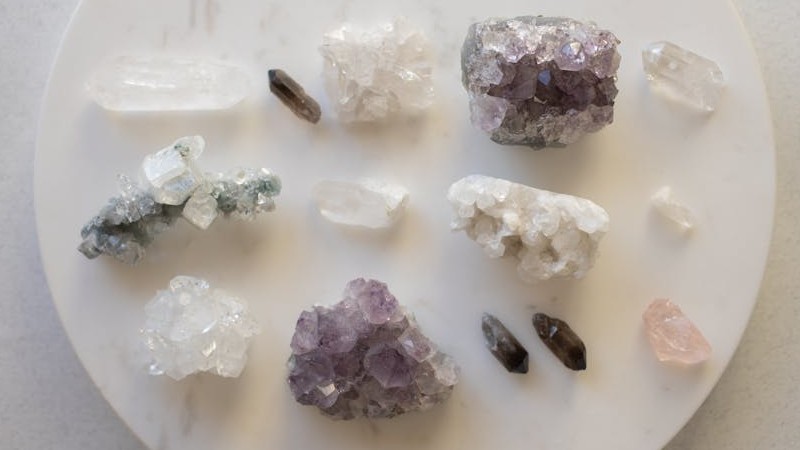
I still remember the day I nearly ruined my first crystal collection. I had just come home from a gem show with a handful of beauties — a chunky amethyst cluster, a polished rose quartz palm stone, a raw citrine point, and a delicate piece of malachite. I was so excited that I immediately dumped them all into a bowl of salt water I'd mixed up after reading some random forum post. Three hours later, my malachite had turned a dull, cloudy green, my rose quartz felt rough to the touch, and I noticed tiny scratches on the amethyst from where the crystals had knocked against each other. I panicked. After some frantic research (and a few tears), I realized I had broken almost every rule in the book. That experience turned into a deep dive into proper crystal care, and now I want to save you from making the same mistakes I did.
Why Cleaning Your Crystals Actually Matters
There are two sides to this, and honestly, both of them matter more than most beginners realize.
The physical side: Crystals are natural minerals, and like anything else in your home, they collect dust, oils from your skin, pet hair, lint — you name it. If you're carrying a crystal in your pocket or wearing it as jewelry, it's picking up sweat, sunscreen, lotion, and whatever else you've touched that day. Over time, that gunk builds up and can actually dull the surface, especially on polished stones. I once held my favorite clear quartz up to the light after a month of daily carry and realized it looked foggy. A quick clean brought back that glassy shine instantly.
The energetic side: If you're into the metaphysical properties of crystals (and let's be real, most of us are), then you probably believe that stones absorb and hold energy. Whether it's the energy of the room they've been sitting in, the emotions you were feeling while holding them, or the chaotic vibes from a particularly stressful day — crystals can get energetically "loaded." Many crystal workers compare it to a sponge that needs to be wrung out periodically. Even if you're skeptical about the energy aspect, there's something undeniably satisfying about the ritual of cleaning your crystals. It's a mindful practice that forces you to slow down and connect with your collection.
Basic Cleaning Methods (Start Here)
These are the go-to methods that work for most crystals. If you're new to collecting, master these before moving on to anything else.
Running Water
This is the simplest and most universal method. Hold your crystal under cool or lukewarm running water for about 30 to 60 seconds. Use your fingers to gently rub away any visible dust or residue. Dry it with a soft cloth immediately after. I keep a microfiber cloth next to my sink specifically for this purpose.
Running water works well for tumbled stones, most quartz varieties, and harder crystals (Mohs hardness 6 and above). Think amethyst, citrine, clear quartz, rose quartz, carnelian, and smoky quartz. It's my default method — quick, easy, and effective.
Salt Water Soak
Here's where I messed up big time. Salt water is a popular cleansing method, but it's NOT safe for every crystal. If you're going to use this method, mix about a tablespoon of sea salt into a bowl of filtered water, and only soak hard, non-porous crystals for a few hours. Rinse thoroughly with plain water afterward and dry completely.
Safe candidates: clear quartz, citrine, carnelian, and other hard, solid stones. Absolutely avoid this method for anything soft, porous, or layered — which brings me to the next section where I'll break down which crystals to keep far away from water.
Dry Cloth Wipe
Sometimes the simplest solution is the best. A soft, dry microfiber or lint-free cloth is perfect for crystals that shouldn't get wet at all. Just gently polish the surface. I use this method for my selenite, malachite, and anything with a delicate finish. No water, no risk — just a gentle buff that removes fingerprints and dust.
For crystals with crevices or rough surfaces, a soft-bristled makeup brush works wonders. I bought a set of clean makeup brushes specifically for crystal cleaning, and they're perfect for getting dust out of amethyst clusters and geode cavities.
Advanced Cleansing Techniques
Once you've got the basics down, these methods add another layer of care — especially on the energetic side.
Moonlight Bathing
This is probably my favorite cleansing method, and not just because it looks gorgeous. Place your crystals on a windowsill or outside on a clean surface during a full moon (or any moon phase, really — the full moon just hits different). Let them sit overnight. Moonlight is gentle, universal, and safe for literally every type of crystal. No exceptions.
I like to make a little ritual out of it — lay a clean cloth down, arrange my crystals in a circle, and set an intention. By morning, they feel (and look) refreshed. Pro tip: if you're worried about moisture from dew, place them just inside a window instead of fully outside.
Sunlight Charging
Similar concept, but with the sun. A few hours of direct sunlight can recharge and cleanse many crystals. The warmth feels wonderful, and some people swear their stones feel noticeably more vibrant afterward.
But here's the catch — and it's a big one. Sunlight can fade certain crystals, especially those with vibrant colors. Amethyst, rose quartz, kunzite, and aquamarine are notorious for losing their color with prolonged sun exposure. Keep sun sessions short (under an hour) and stick to harder, color-stable stones like clear quartz and citrine if you want to leave them out longer.
Sage Smudging
Light a bundle of dried white sage (or palo santo, or any cleansing herb you prefer) and pass your crystals through the smoke. You can hold them in the smoke for a few seconds or set them near the burning sage. This method is completely safe for all crystal types since there's no physical contact with water or salt.
I smudge my entire collection about once a month. It doubles as a space-clearing ritual for whatever room I'm in. Open a window for ventilation, light the sage, and take your time moving through each crystal. It takes maybe 15 minutes, and the whole room smells amazing afterward.
Sound Cleansing
This one surprised me when I first heard about it, but it makes sense when you think about it. Sound vibrations can shake loose stagnant energy the same way they can shake dust off a surface. You can use a singing bowl, a tuning fork, tingsha bells, or even a recorded frequency. Place your crystals near the sound source and let the vibrations do their thing for a few minutes.
I got a small brass singing bowl on Etsy for about $15, and it's become my go-to for quick cleanses. One or two gentle strikes near my crystal display, and I'm done. It's fast, easy, and kind of mesmerizing to watch the crystals "respond" (even if that's just my imagination, it feels real).
Crystal-Specific Care — What NOT to Do
This is the section I wish I had read before that fateful salt water incident. Some crystals have very specific needs, and ignoring them can cause permanent damage.
Crystals That Should Never Get Wet
Selenite: This one dissolves in water. Seriously. It's a form of gypsum, and prolonged contact with moisture will literally melt it away. I've seen heartbreaking photos of people's selenite towers turned into mush. Keep it dry at all times.
Malachite: Contains copper, which can leach into water. Not only can this damage the stone's surface (as I learned the hard way), but it's also mildly toxic. Never soak malachite, and wash your hands after handling it raw. A dry cloth is all you need.
Lapis Lazuli: This beautiful blue stone often contains pyrite inclusions and can be porous. Water can seep into cracks and cause the stone to break down over time. It may also contain trace amounts of sulfur and other elements that you don't want leaching into water you might touch. Keep it dry or use minimal contact with a slightly damp cloth.
Pyrite: That "fool's gold" shimmer? It can oxidize and rust when exposed to moisture. Keep pyrite dry and store it with a silica gel packet if you live in a humid area.
Halite: It's literally rock salt. It will dissolve if it gets wet. If you own a halite lamp, keep it away from humidity and never rinse it.
Crystals That Fade in Sunlight
As mentioned earlier, these are the ones you should keep out of prolonged direct sunlight: amethyst, rose quartz, citrine (yes, even citrine can fade over time, though it's more resistant), kunzite, aquamarine, fluorite, and aventurine. If you want to charge them, indirect sunlight or moonlight is the way to go.
I once left a gorgeous deep purple amethyst cluster on a sunny windowsill for three days. When I checked on it, the tips had turned a pale, washed-out lilac. The color change was permanent. Lesson learned — now I always check before leaving any crystal in the sun.
How to Store Your Crystals Properly
Good storage isn't just about organization — it's about preservation. Crystals can scratch each other, and the wrong environment can cause damage over time.
Separate by hardness: Harder crystals (quartz, topaz, sapphire) can easily scratch softer ones (calcite, fluorite, malachite). Store them separately or at least wrap delicate pieces individually. I use small velvet pouches or organza bags for my softer stones. They're cheap, they look nice, and they provide a cushion against harder neighbors.
Display with care: If you keep crystals on open shelving (which I do — my collection is half decoration, half obsession), make sure pieces aren't touching each other. I cut thin cork pads and place them between crystals that sit close together. It's invisible and prevents scratching.
Control the environment: Extremes are the enemy. Avoid placing crystals near heat sources, in direct sunlight for extended periods, or in very humid areas. Selenite and halite are especially sensitive to moisture. I keep a small dehumidifier in the room where I store most of my collection, and it's made a noticeable difference.
Dust regularly: Even crystals sitting on a shelf collect dust. A quick wipe with a soft brush every week or two keeps them looking their best. I keep a clean, unused paintbrush on my display shelf specifically for this — it's perfect for getting into the nooks of cluster formations.
Traveling With Crystals
If you're anything like me, leaving your crystals at home when you travel feels wrong. Here's how to bring them along without risking damage.
For travel, I have a small padded case (originally meant for jewelry) that I line with cotton. I wrap each crystal in a piece of soft cloth or tissue paper and nestle them in the compartments. Harder stones like quartz go on the bottom, and anything delicate or fragile goes on top with extra padding. I've taken this setup on planes, road trips, and hikes without any breakage.
If you're just carrying one or two pocket stones, a small velvet pouch is perfect. The soft fabric protects against scratches, and the drawstring closure keeps everything secure. I always carry a rose quartz in my bag — it's tough enough to handle the jostling, and the pouch keeps it from getting scratched by my keys.
One more thing: be mindful of airport security. I've never had an issue with crystals, but large raw specimens or geodes can look suspicious on X-ray. Keep them in an easily accessible spot in your carry-on so you can pull them out if needed. A quick "they're crystals" usually gets a nod and a smile from the TSA agent.
How Often Should You Clean Your Crystals?
There's no rigid schedule you need to follow, but here are some practical guidelines based on what's worked for me.
Daily carry or wear crystals: Give them a quick rinse or wipe down at the end of each day, or at least once a week. These pick up the most physical grime from being in your pocket or against your skin.
Display crystals: A light dusting every couple of weeks is usually enough physically. Energetically, I cleanse my display collection once a month with sage or sound.
After heavy use: If you've been using a crystal for a specific purpose — a meditation session, an energy healing practice, a stressful day where you were gripping it for comfort — give it a proper cleanse afterward. It's like washing your workout clothes. You wouldn't wear them again without cleaning, right?
After someone else handles them: This is a big one in crystal circles. If someone else touches or holds your crystals, many practitioners recommend cleansing them before using them again. The idea is that they may have picked up that person's energy. Whether or not you buy into that, it's also just good hygiene.
Full moon ritual: If you want a simple routine, tie your crystal cleansing to the lunar cycle. A monthly moonlight bath during the full moon covers both physical cleaning (set them out on a clean cloth) and energetic cleansing. It's easy to remember, and it turns maintenance into a practice you might actually look forward to.
The Bottom Line
Taking care of your crystals doesn't have to be complicated or expensive. Most of the best methods use things you already have at home — water, a soft cloth, some salt, maybe a sage bundle. The key is knowing which crystals can handle what, and building a simple routine that works for your collection and your lifestyle.
Start with the basics: keep them dusted, keep them separated by hardness, and keep the water-sensitive ones dry. From there, you can explore smudging, sound cleansing, moonlight bathing, or whatever resonates with you. The most important thing is that you're connecting with your crystals regularly — even if it's just the few seconds it takes to wipe down your favorite piece before bed. That small act of care is what keeps the magic alive, in whatever form you believe in.


Comments