How to Clean and Care for Copper Jewelry So It
May 14, 2026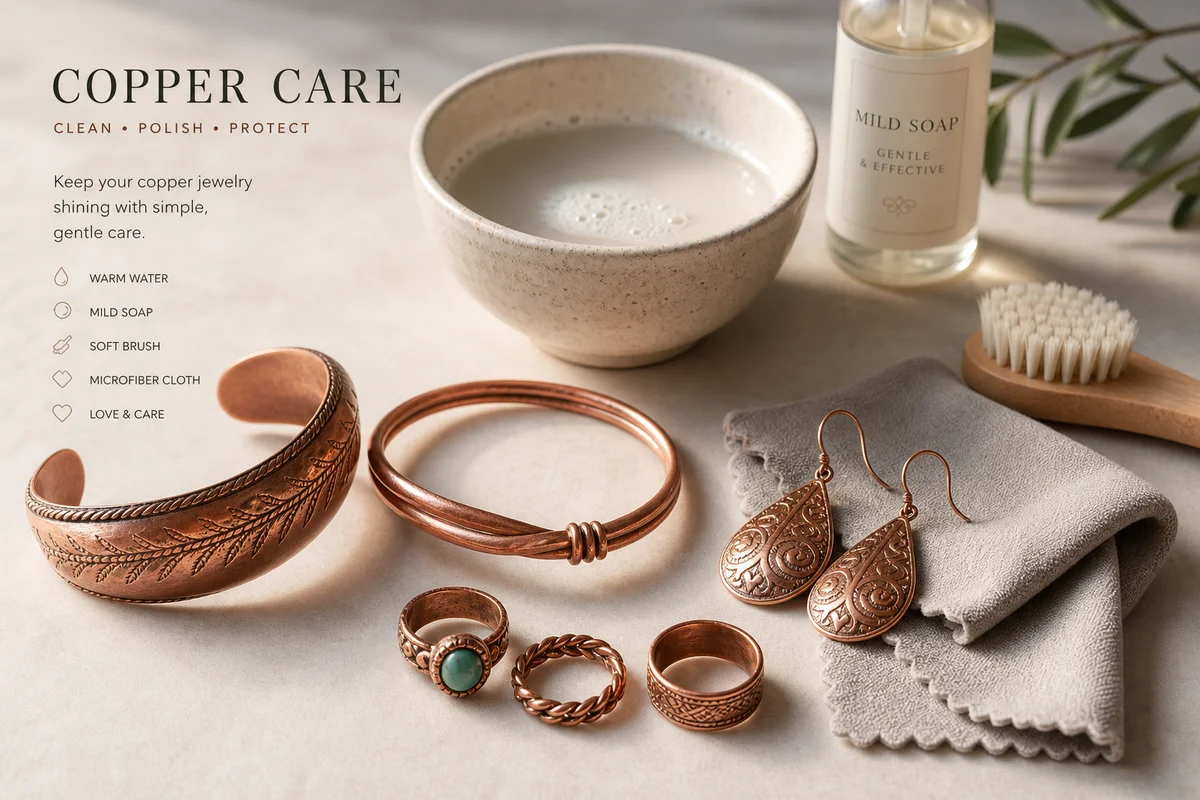
How to Clean and Care for Copper Jewelry So It Lasts for Years
Copper jewelry has a warmth that silver and gold cannot quite match. The metal develops a patina over time — some people love that aged look, others prefer the bright rose-gold shine of freshly polished copper. Either way, copper needs regular attention if you want it to hold up. Neglected copper does not just tarnish; it can corrode, pit, and eventually develop green verdigris that eats into the surface.
This guide walks through seven cleaning methods ranked from gentlest to most aggressive, explains why copper tarnishes in the first place, and covers daily habits that slow the process down. Everything here uses materials you probably already have at home.
Why Copper Tarnishes and What That Means for Your Jewelry
Copper reacts with oxygen, moisture, and sulfur compounds in the air. The reaction produces a thin layer of copper oxide on the surface, which darkens the metal. Given more time and exposure, that layer progresses through shades of brown, then eventually to the familiar green patina you see on old copper roofs and statues.
On jewelry, the timeline depends on how often you wear the piece, how much you sweat, what lotions or perfumes come into contact with it, and how humid your environment is. A copper ring worn daily in a humid climate can start darkening within days. A pendant stored in a dry jewelry box might stay shiny for months.
The greenish mark copper sometimes leaves on skin is copper salts formed by the same reaction. It is harmless and washes off with soap and water, but it annoys plenty of people enough to make them stop wearing copper altogether. Proper cleaning and sealing — covered below — largely prevents it.
Seven Methods to Clean Copper Jewelry
Method 1: Warm Water and Mild Soap
This is your default for routine cleaning. Fill a small bowl with warm (not hot) water and add a few drops of mild dish soap. Drop the jewelry in and let it soak for 5 to 10 minutes. Use a soft toothbrush to gently scrub any textured areas or crevices where dirt collects. Rinse under running water and pat dry with a soft cloth.
This method will not remove heavy tarnish. It is meant for regular maintenance — washing off skin oils, lotion residue, and everyday grime before it compounds into something harder to deal with.
Method 2: Lemon Juice and Salt
Cut a lemon in half and squeeze enough juice to cover your piece in a small bowl. Add a teaspoon of table salt and stir to dissolve. Drop the jewelry in and let it soak for 5 to 15 minutes, depending on how tarnished it is. The citric acid in the lemon breaks down copper oxide while the salt acts as a mild abrasive that helps lift the loosened tarnish.
Check the piece every few minutes. If the copper is starting to look pinkish and bright, pull it out. Leaving it too long in acid — even a weak one like lemon juice — can start eating into the metal itself, especially on thin or delicate pieces. Rinse thoroughly and dry immediately.
Method 3: Ketchup or Tomato Paste
This sounds like a joke, but it works because tomatoes contain citric and malic acids. Coat the jewelry in a thin layer of ketchup or tomato paste. Let it sit for 10 to 20 minutes, then rinse and scrub gently with a soft brush. The advantage of this method over straight lemon juice is that the paste stays where you put it, making it better for pieces with uneven surfaces or carved details.
Use plain ketchup — not fancy artisanal stuff with extra vinegar or spices that could scratch the surface. After rinsing, wash with soap and water to remove any residue that might attract dirt later.
Method 4: Baking Soda Paste
Mix baking soda with just enough water to form a thick paste. Apply it to the copper with your fingers or a soft cloth and rub in gentle circular motions. The mild abrasiveness of the baking soda scrubs away tarnish without being aggressive enough to scratch the metal under normal pressure.
This method works well on flat surfaces like cuffs and bangles. It is less effective in deep grooves or filigree work where the paste cannot reach. For heavily textured pieces, combine this with Method 1 — use the baking soda paste on accessible areas, then soak and brush the tight spots.
Method 5: Vinegar and Salt Soak
For pieces with heavy tarnish that lemon juice alone does not touch, combine white vinegar and salt in a ratio of about 1/4 cup vinegar to 1 tablespoon salt. Submerge the jewelry for 15 to 30 minutes. The combination is stronger than lemon juice and salt, so monitor it more closely. If you see bubbling, that is the acid reacting with the oxide layer — it is working, but do not walk away and forget about it.
This method is not suitable for copper jewelry that has gemstones set in it. Many stones — including turquoise, pearls, opal, and calcite — are sensitive to acid and can be damaged or discolored by even brief exposure.
Method 6: Commercial Copper Cleaner
Products like Wright's Copper Cream or Bar Keepers Friend are formulated specifically for copper and brass. They contain mild abrasives and chemical cleaners that remove tarnish quickly. Apply with a soft cloth, rub gently, rinse thoroughly, and dry.
The catch is residue. Commercial cleaners can leave a film that irritates skin or accelerates re-tarnishing if not completely removed. After using any commercial product, wash the piece with soap and water and dry it thoroughly before wearing.
Method 7: Polishing Cloth for Light Touch-Ups
A jeweler's polishing cloth impregnated with cleaning compounds is the gentlest option for maintaining shine between deeper cleanings. Rub the cloth over the copper surface with light pressure. These cloths are not aggressive enough to remove heavy tarnish, but they are perfect for a quick once-over after wearing a piece, before putting it away.
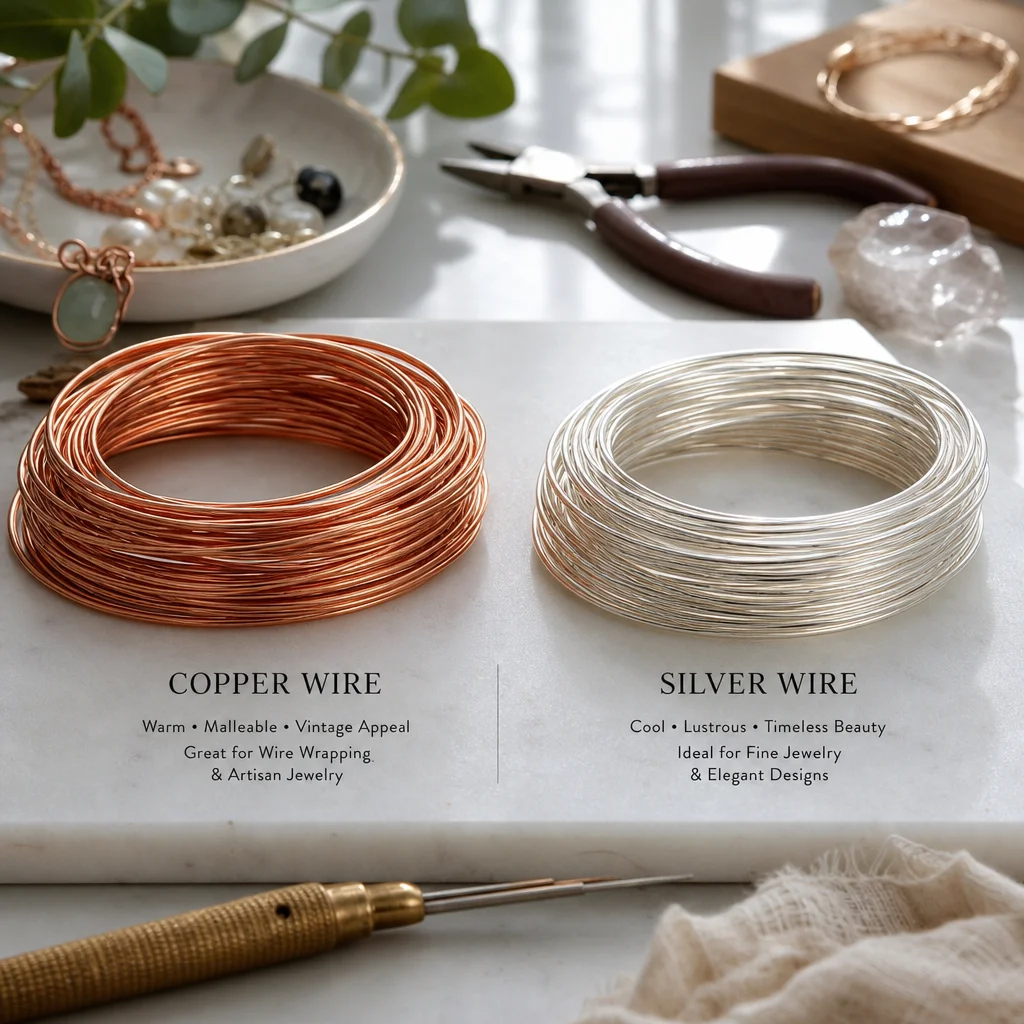
Keep a dedicated polishing cloth for copper separate from ones you use on silver or other metals. Cross-contamination can transfer oxidation compounds between metals.
Protecting Copper Jewelry After Cleaning
Clear Nail Polish or Wax Coating
Many copper jewelry wearers seal their pieces with a thin coat of clear nail polish or Renaissance Wax after cleaning. The coating creates a barrier between the copper and air, dramatically slowing tarnish and preventing the green skin marks that turn some people off copper entirely.
Clear nail polish is cheap and easy to apply, but it eventually chips and needs to be reapplied. Before reapplication, remove the old layer with acetone, clean the copper again, and apply fresh. Renaissance Wax is a microcrystalline wax used by museums to protect metal artifacts — it is more expensive but more durable and does not chip. Apply a thin layer, let it haze, and buff with a soft cloth.
Proper Storage
Store copper jewelry in airtight ziplock bags or a lined jewelry box with anti-tarnish strips. The less air exposure, the slower the oxidation. If you wear a copper piece daily, storing it in the open is fine — it will develop its own character. For pieces worn occasionally, sealing them away from air between wears makes a noticeable difference in how often you need to clean them.
Do not store copper in direct contact with other metals. Copper can cause galvanic corrosion when pressed against silver or aluminum for extended periods. Keep each piece in its own bag or compartment.
Daily Habits That Slow Tarnish
- Put copper on last: apply lotion, perfume, and hair products before putting on jewelry. These products contain sulfur compounds and chemicals that accelerate tarnishing
- Take it off first: remove copper jewelry before washing dishes, swimming, exercising heavily, or doing anything that involves prolonged moisture or sweat contact
- Wipe after wearing: a quick rub with a soft cloth after each wearing removes skin oils before they start reacting with the metal
- Rotate your pieces: giving each piece a few days off between wears reduces cumulative exposure to body chemistry and gives you a chance to clean and store it properly
When to Embrace the Patina
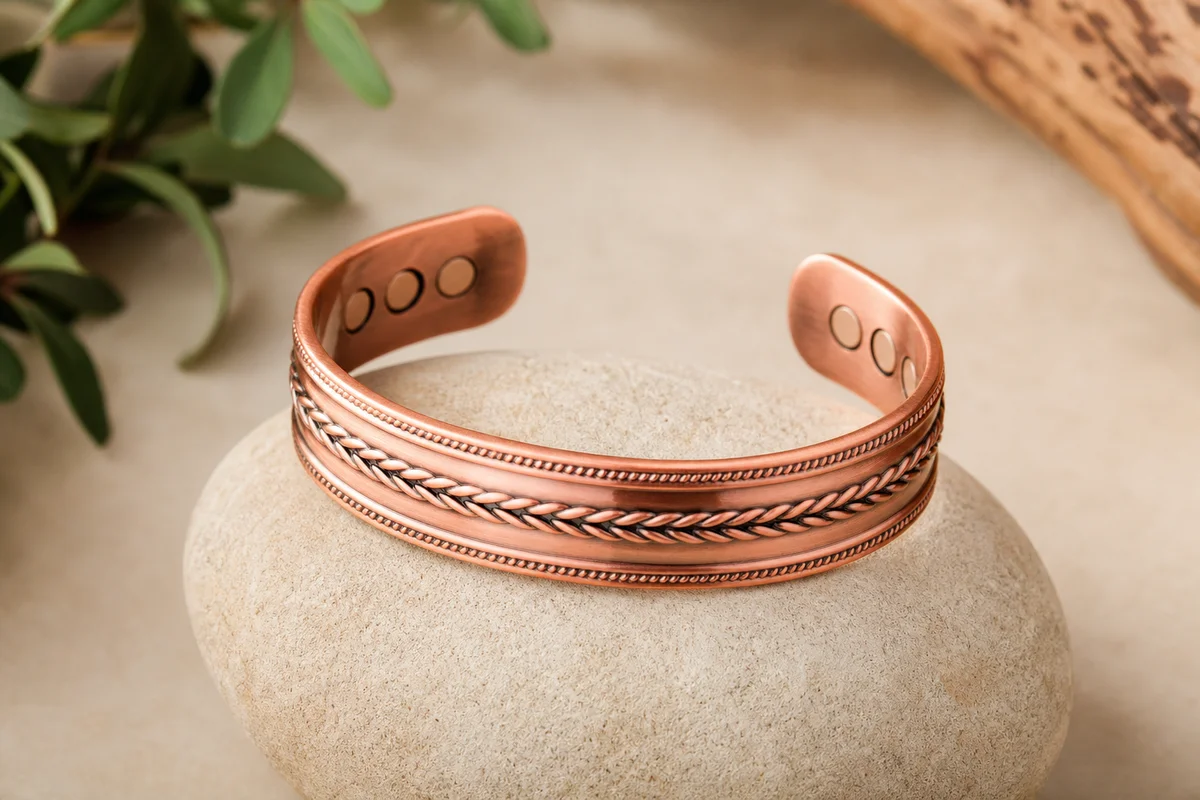
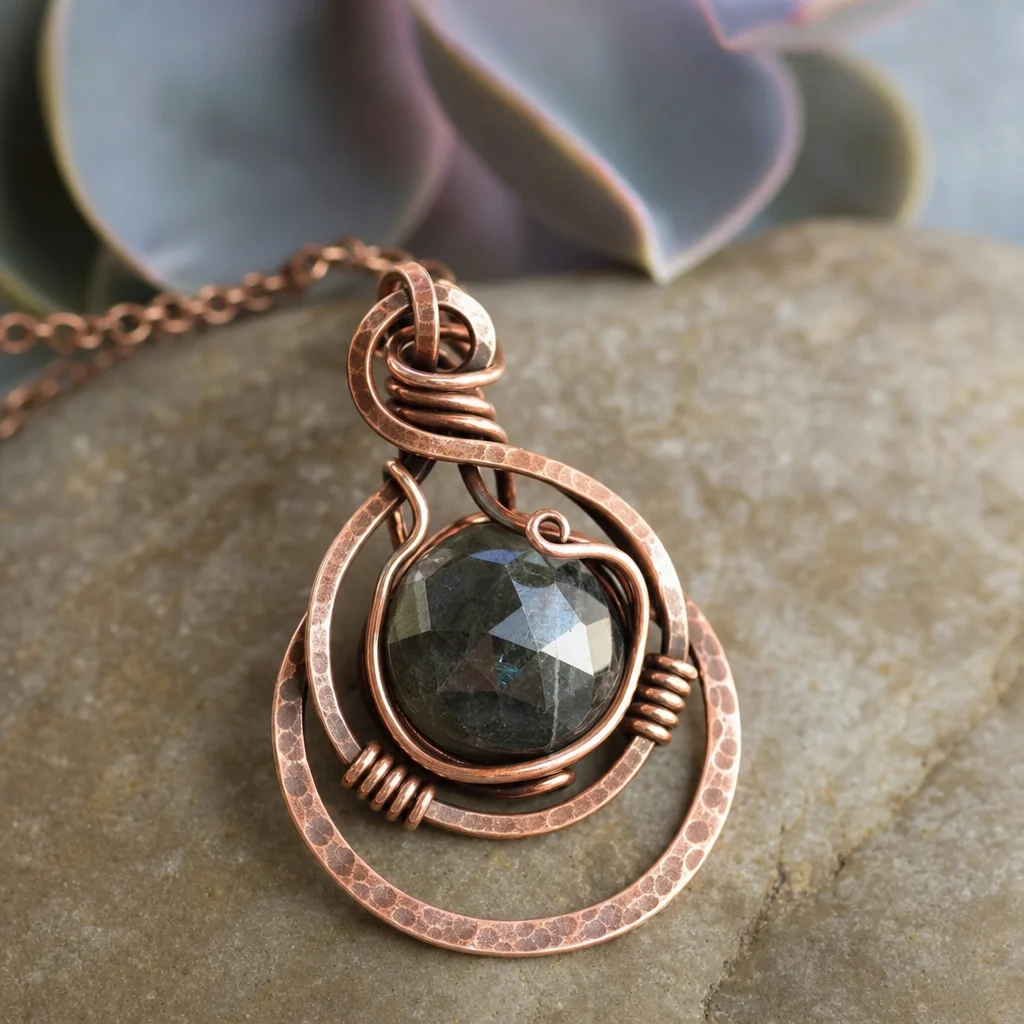
Not every piece of copper jewelry needs to look brand new. Many designs — especially hammered cuffs, ethnic-style rings, and nature-inspired pendants — look better with some age on them. The darkened crevices and warm brown tones of a controlled patina add depth and contrast that polished copper lacks.
If you like the patina look, simply clean your jewelry with soap and water (Method 1) to remove dirt and oils, and skip the acid-based methods. The natural oxidation will progress at its own pace and produce a richer, more organic finish than any chemical patina kit can replicate. The key is differentiating between an intentional patina (even brown, stable surface) and damaging corrosion (green, flaky, pitted patches). The former is aesthetic. The latter means you waited too long to clean it.
Copper rewards attention but does not demand perfection. Clean it when it needs cleaning, store it sensibly, and enjoy a metal that actually gets more interesting the longer you live with it.
For a deep dive into every aspect of jewelry and crystal care, check out our The Complete Guide to Crystal and Jewelry Care, Cleaning, and Storage.
Related Guides
- Colored Gemstones Buying Guide for Beginners
- Essential Jewelry Storage Tips
- 15 Creative Ways to Display and Store Your Crystal Collection
- How to Clean Crystal Jewelry: A Complete Care Guide
- The Complete Guide to Crystal and Jewelry Care
- How to Clean Crystals Without Ruining Them
- Crystal Care 101: How to Clean, Store, and Protect Your Jewelry
Frequently Asked Questions
Can I wear copper jewelry in the shower or while swimming?
It is highly recommended to remove your copper jewelry before showering, swimming, or exercising. Water, soap, chlorine, and sweat can accelerate the oxidation process, causing your handcrafted piece to tarnish much faster. Keeping your artisan jewelry dry is the best way to preserve its beautiful, warm shine and ensure it lasts for years to come.
Does copper jewelry turn my skin green, and is it harmful?
Yes, copper can temporarily turn your skin green. This is a completely harmless chemical reaction between the metal and the natural oils, sweat, or slightly acidic pH of your skin. It is not an allergic reaction or a sign of low quality. Washing the area with soap and water easily removes the tint. Applying a clear protective barrier can help prevent this.
How do I clean copper jewelry that also has natural crystals?
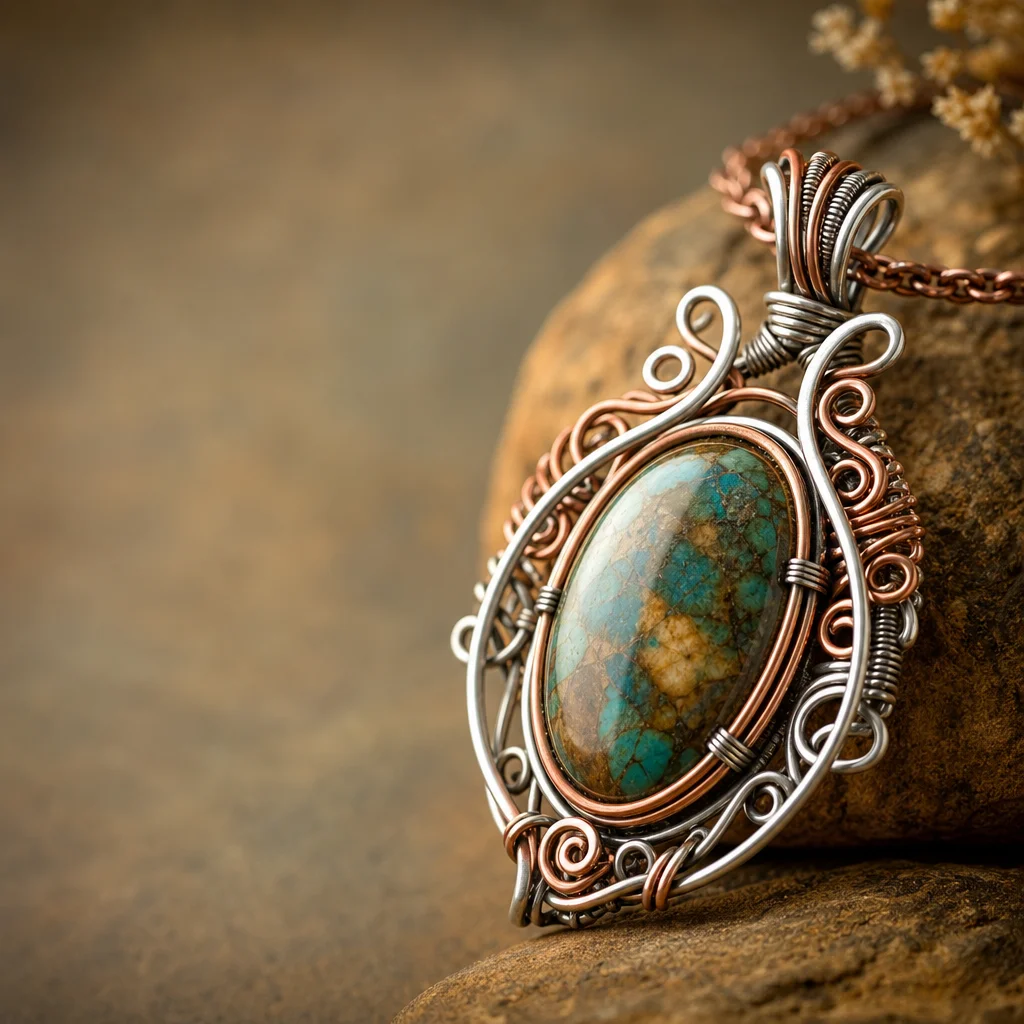
When cleaning handcrafted copper jewelry featuring natural crystals, you must be gentle. Many stones are sensitive to water, salts, and acids. Instead of soaking the piece, use a damp, soft cloth with mild soap to carefully wipe only the copper areas. Avoid commercial dips, and always dry the piece thoroughly to protect both the metal and the gemstone.
What is the best way to store copper jewelry to prevent tarnish?
The best way to store copper jewelry is in a cool, dry place, ideally in an airtight ziplock bag. Squeeze out as much air as possible before sealing it. You can also add an anti-tarnish strip inside the bag. Keeping your handcrafted pieces completely separated from humidity and oxygen in the air is the most effective way to prevent dark tarnish from forming.
Is it safe to use commercial metal polishes on artisan copper jewelry?
We recommend avoiding harsh commercial copper polishes on artisan handcrafted jewelry. These chemical cleaners can be too abrasive and may damage the natural crystals or strip away intentional oxidized details that give the piece its unique, earthy character. Instead, stick to gentle, natural cleaning methods like a mixture of lemon juice and baking soda.
Comments