I Bought a Hollow Gold Chain and Regretted It Within a Month
I Bought a Hollow Gold Chain and Regretted It Within a Month
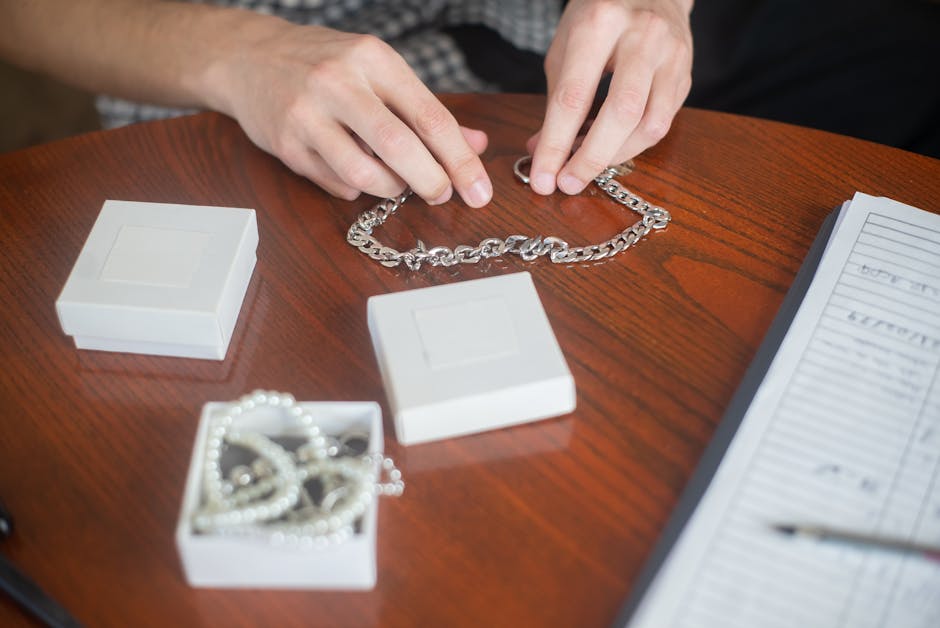
The necklace was gorgeous. A thick, buttery yellow gold Cuban link that caught light in a way that made it look like it belonged on a magazine cover. The price was reasonable too — not cheap by any means, but a fraction of what a solid gold version would cost. I wore it every day. Took it off to shower, put it right back on. Felt like I'd finally found the "forever piece" I'd been looking for.
Three weeks later, I leaned over a bathroom counter to pick something up, and the chain snagged on the edge of a drawer pull. Not a hard catch — just a gentle tug. But one of the links deformed. Not broke, not cracked — just bent out of shape like soft wire. And once one link was bent, the whole chain went lopsided. It looked damaged, felt fragile, and suddenly I was terrified to wear it at all.
That was my introduction to hollow gold jewelry. Since then, I've talked to jewelers, read manufacturing specs, and handled enough hollow and solid gold pieces to have a real opinion on when each makes sense. Here's what I found out, and what I wish I'd known before that purchase.
What "Hollow" and "Solid" Actually Mean in Practice
Let's clear up the terminology first, because the jewelry industry is not great about being precise here. "Solid gold" doesn't mean a single chunk of pure gold carved into a shape. It means the piece is made of gold alloy throughout — the same metal composition from the outside surface to the center. A solid gold chain link is a tube or wire of gold alloy that's the same material all the way through. There's no base metal core, no filling, no plating. Just gold alloy, end to end.
"Hollow gold" is the same gold alloy, but the interior is empty. Instead of a solid wire, the chain link is a thin tube — gold on the outside, air on the inside. The wall thickness varies. Some hollow pieces have walls thick enough to feel substantial; others are so thin you can dent them with your fingernail. Both are real gold. Both are the same karat purity on the surface. The difference is entirely structural.
This matters because gold is soft. Even 14k gold, which is 58.3% gold mixed with harder alloy metals, is relatively soft compared to steel, platinum, or even silver. When you have a thick cross-section of gold, the material is rigid enough to resist bending and denting. When you have a thin wall, that same gold will deform under much less force. It's the same principle as a soda can — thin aluminum is easy to crush, but a solid block of aluminum takes serious effort.
Why manufacturers make hollow gold at all
The answer is simple: weight and cost. Gold is expensive. A solid 14k gold Cuban link chain that's 8mm wide might weigh 60 to 80 grams. At current gold prices, that's a significant amount of money just in raw material. The same chain made hollow might weigh 15 to 25 grams. Same visual size, same gold karat, a fraction of the raw material cost.
Hollow gold also makes large pieces wearable. A solid gold bangle that's 10mm wide would be uncomfortably heavy for most people. Hollow it out, and you get the bold look without the wrist fatigue. Some of the most visually impressive gold jewelry on the market — those big, chunky statement pieces — is only practical as hollow construction.
And to be fair, well-made hollow gold can last a long time if you treat it carefully. The problem is that "treat it carefully" conflicts with how most people actually wear jewelry.
How They Hold Up in Real Life
I've now owned or regularly handled pieces of both types over several years. Here's what I've observed:
Solid gold chains — I have a solid 14k gold rope chain I've worn daily for over four years. It's been through pools, gym sessions, sleeping, you name it. It has surface scratches, which you'd expect from daily wear, but the structure is completely intact. No bent links, no deformation, no areas of weakness. I've caught it on things, yanked it accidentally, and it just shrugs it off. At this point I'm confident it'll outlast me.
Hollow gold chains — I've owned three hollow gold pieces. The Cuban link I mentioned was the most dramatic failure, but the other two had issues too. A hollow gold herringbone necklace developed kinks within months — herringbones are particularly vulnerable because the flat links lay on top of each other, and any bend in one link transfers stress to the adjacent ones. A hollow gold figaro chain held up better but eventually showed dents on the larger links from normal contact with countertops and door frames.
The thing about hollow gold damage is that it's usually not repairable, or at least not worth repairing. When a solid gold link gets bent, a jeweler can often reshape it or replace the individual link. When a hollow gold link gets crushed, the wall collapses and the link is essentially ruined. Soldering a crushed hollow link is impractical because the wall is too thin to work with. You're left with replacing the entire section or, more often, the entire piece.
Where Hollow Gold Makes Sense (And Where It Doesn't)
After all this, I don't think hollow gold is inherently bad. It's a material choice that makes sense in some contexts and doesn't in others. Here's my current thinking:
Hollow gold works for: Earrings (they don't take the same mechanical stress as necklaces or bracelets), large pendants that would be too heavy solid, bangles worn occasionally rather than daily, and fashion pieces where you want the gold look for a specific outfit or occasion.
Solid gold works better for: Daily-wear chains and bracelets, wedding bands (obviously), any piece you plan to own for decades, engagement-related jewelry, and anything that takes contact with hard surfaces on a regular basis.
The key variable is wear frequency. If you're buying a gold chain to wear to events a few times a month, hollow is a reasonable cost-saving choice. If you're buying a chain to wear every day, all day, the math changes. The cost-per-wear of a solid gold chain that lasts twenty years is almost certainly lower than the cost-per-wear of a hollow chain that needs replacement every year or two.
Karat weight and wall thickness matter
Not all hollow gold is equally fragile. A 14k hollow gold piece with walls that are 0.5mm thick is going to be dramatically more durable than a 14k piece with 0.2mm walls. But there's no standard labeling for wall thickness in the jewelry industry, so you can't comparison shop based on this spec. You have to handle the piece, feel its weight relative to its size, and make a judgment call.
As a rough guideline: if a gold piece feels suspiciously light for its visual size, the walls are probably thin. If it feels substantial but not heavy, it might have adequate wall thickness. If you can feel the piece flex or give slightly when you press on it with your fingers, that's a warning sign.
What to Look For When Shopping
Based on my experience and conversations with jewelers, here are the practical checks I'd recommend:
Weight the piece. Ask for the gram weight. A 14k gold chain should weigh at least a few grams for a basic necklace — less than that and you're either looking at very thin construction or a very short chain. For reference, a typical solid 14k gold chain in a medium thickness weighs 10 to 30 grams depending on style and length. A comparable hollow chain might be 3 to 10 grams. If the seller won't provide gram weight, that's a red flag.
Check the links under magnification. A jeweler's loupe or even your phone's camera zoomed in can reveal a lot. Look at the ends of the links — solid gold links will show the same metal cross-section throughout. Hollow links may show a seam where the tube was formed and closed.
Feel for rigidity. Gently squeeze adjacent links together. Solid gold will resist; hollow gold will give more easily. Don't squeeze hard enough to damage anything, but a gentle pressure test tells you a lot about the construction.
Ask directly. "Is this solid or hollow gold?" is a perfectly reasonable question. A reputable jeweler will answer honestly. If they deflect or say "it's real gold" without specifying the construction, press further. "Real gold" applies to both types — you need to know which one you're getting.
The Verdict
For daily wear jewelry that you want to last, solid gold is the clear winner. It costs more upfront, but the durability difference is dramatic, and the cost-per-wear calculation favors solid over time. My four-year-old solid rope chain has already outlasted three hollow pieces combined.
For occasional wear, fashion pieces, or situations where weight is a real concern, hollow gold is a legitimate option. Just go in with realistic expectations about its lifespan and treat it accordingly. Don't sleep in it. Don't wear it to the gym. Don't let it share a jewelry box with heavier pieces that could crush it.
That crushed Cuban link chain still sits in my desk drawer. I keep it as a reminder: when it comes to gold jewelry, weight isn't vanity — it's structural integrity. Pay for the grams, and the piece pays you back in years.
Comments