History of Jewelry: A Cultural Journey Through Adornment
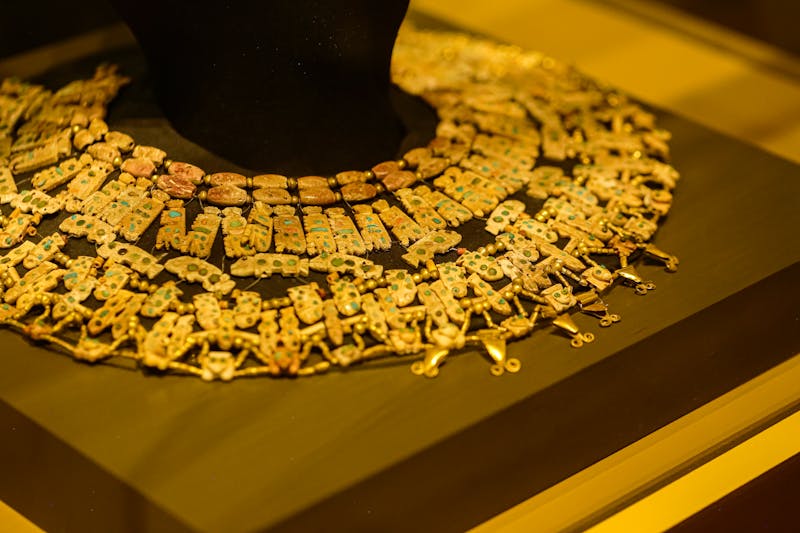
I found my grandmother's jewelry box in 2019 when we were clearing out her attic. Inside, among costume jewelry and broken clasps, was a silver locket from 1944. It had a tiny dent on one side — from when it fell out of her pocket when she was a teenager. That dent made the locket priceless.
Jewelry tells stories. Not just individual stories like my grandmother's pocket, but cultural stories — how different societies valued beauty, status, and meaning through adornment. From Egyptian amulets protecting the dead to Victorian "mourning jewelry" made from hair, jewelry has always been more than decoration.
Understanding jewelry history gives context to modern styles and deepens appreciation for handmade jewelry's place in a long tradition of craftsmanship and meaning. Here's a journey through how jewelry has shaped and reflected human culture.
Prehistoric Jewelry: Protection and Status
The oldest jewelry discovered dates back over 100,000 years — beads made from Nassarius snail shells found in Israel. These early pieces weren't just pretty; they served practical and spiritual purposes:
Practical Functions
- Hunting tools: Teeth, claws, and bones strung on cords were worn as symbols of successful hunts and hunting prowess. A necklace of tiger teeth communicated hunting skill and access to dangerous prey.
- Protection: Stone amulets were believed to ward off evil spirits or bad luck. Certain stones were thought to have protective properties — hematite for strength, turquoise for protection during travel.
- Identification: Different bead patterns or pendants identified tribe affiliation, social status, or achievement status. A bead might indicate successful hunting, while another might indicate completed initiation rites.
Early Materials
Prehistoric jewelry was made from whatever was available and significant:
- Natural materials: Shells, seeds, bone, teeth, feathers, stone, wood, and plant fibers. These materials were gathered from the immediate environment and carried cultural meaning.
- Shells as currency: Cowrie shells were used as both jewelry and currency in many African and Asian societies, demonstrating how adornment and economics were intertwined.
- Body modification: Beyond wearable jewelry, early cultures practiced body modification — nose piercings, lip plates, and scarification that served similar functions of status and identity.
Ceremonial Significance
Ritual jewelry was common in prehistoric cultures:
- Burial offerings: Jewelry was placed in graves to protect the dead in the afterlife or to show their status in the spirit world. The "Venus figurines" of Europe often include jewelry representations.
- Rites of passage: Beaded collars or bracelets marked transitions from childhood to adulthood, with different designs symbolizing different stages of initiation.
- Connection to nature: Animal jewelry (bones, teeth, claws) represented the wearer's relationship with specific animals or spirits, showing their place in the natural world.
Ancient Civilizations: Symbolism and Power
As civilizations developed, jewelry became more sophisticated and symbolic. The ancient Egyptians, Mesopotamians, Greeks, and Romans each developed distinct styles and uses for jewelry.
Ancient Egypt (3000-300 BCE)
Egyptian jewelry was deeply symbolic and served both the living and the dead:
- Symbols of gods: Scarab beetles represented rebirth, ankh symbols represented eternal life, eye of Horus symbols represented protection and healing. Jewelry was a way to carry divine protection.
- Status indicators: Gold was reserved for pharaohs and gods. Silver for nobles, electrum (gold-silver alloy) for priests, and common materials for commoners. The amount and purity of gold indicated social rank.
- Afterlife preparation: Jewelry placed in tombs was meant to be used in the afterlife. The famous Tutankhamun mask contained hundreds of individual pieces of jewelry, each with specific protective functions.
- Materials and techniques: Egyptians mastered gemstone carving, gold granulation (tiny gold balls soldered onto surfaces), and cloisonné (colored enamel in metal compartments). They used lapis lazuli, turquoise, carnelian, and other imported stones.
Ancient Mesopotamia (3500-539 BCE)
The Sumerians, Babylonians, and Assyrians developed jewelry styles focused on large gems and intricate patterns:
- Lapis lazuli dominance: Imported from Afghanistan, lapis was highly valued and used extensively in jewelry and cylinder seals (small engraved cylinders rolled into clay). Royal jewelry featured massive lapis settings.
- Cylinder seals as jewelry: These small cylinder stones were often worn as pendants or bracelets. When rolled into clay, they created unique seals for documents and property ownership.
- Animal motifs: Lions, bulls, and mythical creatures appeared frequently in jewelry, symbolizing power and protection. These motifs reflected the importance of agriculture and military strength in Mesopotamian culture.
- Jewelry as economic tools: Precious jewelry was used as currency and stored wealth. A necklace of beads could represent significant value and be traded for goods or services.
Ancient Greece (800-146 BCE)
Greek jewelry evolved from geometric designs to more naturalistic forms as civilization progressed:
- Geometric period: Early Greek jewelry featured precise geometric patterns — circles, triangles, and meanders. This reflected Greek mathematical precision and order.
- Athenian influence: Athens became a center for fine jewelry, with artisans specializing in goldworking, filigree (delicate metal wirework), and gemstone settings. Greek jewelers were famous throughout the ancient world.
- Mythological themes: Gods, goddesses, mythological scenes, and animal figures appeared frequently in Greek jewelry. Hercules fighting the Nemean Lion, Aphrodite rising from the sea — these stories were worn as adornment.
- Earrings and bracelets: These were particularly important in Greek culture. Greek earrings often featured large drops or pendants that drew attention to the face, reflecting the importance of facial beauty in Greek aesthetics.
Ancient Rome (753 BCE-476 CE)
Roman jewelry emphasized practicality, wealth display, and military symbolism:
- Rings as status: The Roman "annulus" ring evolved from a simple band to elaborate gold rings with engraved gems. Multiple rings became symbols of wealth and status. The "ring of Seneca" was a famous gold ring with a large intaglio stone.
- Coins in jewelry: Roman coins were commonly set into jewelry as both decoration and display of wealth. Coin necklaces, bracelets, and earrings showed the emperor's image and demonstrated loyalty to the state.
- Cameos and intaglios: Gemstone carvings became highly developed. Cameos (raised designs) and intaglios (engraved designs) featured portraits of emperors, mythological scenes, and symbolic images. These were often set into rings and brooches.
- Military symbolism: Jewelry featured symbols of Roman power — eagles, laurel wreaths, military emblems. Soldiers often wore small protective amulets with symbols of their legion or deity.
Medieval Period: Religion, Power, and Craftsmanship
The medieval period (roughly 500-1500 CE) was defined by religious symbolism, feudal hierarchies, and the rise of guild systems in jewelry making.
Byzantine Empire (330-1453 CE)
The Eastern continuation of Roman Empire developed distinctive jewelry styles:
- Religious iconography: Christian symbols — crosses, saints, biblical scenes — dominated Byzantine jewelry. Iconoclastic periods (banning religious images) caused temporary shifts, but religious jewelry remained central.
- Large, bold designs: Byzantine jewelry featured large gemstones, often in elaborate settings. The style was less intricate than Roman work but more imposing and symbolic.
- Enameling mastery: Byzantine artisans perfected cloisonné and champlevé enameling. The Pala D'Oro altar in Venice contains examples of their incredible enamel work.
- Imperial regalia: Jewelry was central to imperial power. Emperors and empressors wore elaborate crowns, necklaces, and scepters that demonstrated divine right to rule.
European Middle Ages (500-1500 CE)
Western European jewelry during the medieval period reflected feudal structure and religious devotion:
- Noble status jewelry: The nobility wore jewelry that displayed their lineage and status. Heraldic symbols, crests, and family coats of arms were common motifs. Crown jewels and regalia were reserved for royalty.
- Religious jewelry: Crosses, rosary beads, and saint's medals were ubiquitous. Pilgrims wore badges from holy sites they visited, creating a form of "travel jewelry" that recorded spiritual journeys.
- Trade routes and materials: The Silk Road brought new materials to Europe — sapphires from Sri Lanka, rubies from India, lapis from Afghanistan. Islamic-influenced designs appeared in European jewelry through trade.
- Guild system: Jewelers formed guilds that controlled quality and training. Apprenticeships lasted 7-10 years before becoming masters, ensuring high standards but also limiting innovation.
Viking Jewelry (793-1066 CE)
Scandinavian culture produced distinctive jewelry emphasizing power and protection:
- Animal motifs: Vikings wore jewelry featuring animals — dragons, wolves, eagles, serpents. These represented power, protection, and connection to nature. The "Thor's hammer" (Mjölnir) was a popular protective symbol.
- Brooches and pins: Large, elaborate brooches held clothing together and displayed status. Fibula pins (similar to modern brooches) evolved into decorative items featuring intricate knotwork patterns.
- Knotwork and runic inscriptions: Viking jewelry featured elaborate knotwork patterns and runic inscriptions that could convey messages, protect wearers, or honor gods.
- Materials reflecting Viking voyages: Silver from trade, amber from the Baltic, garnet from India — materials reflected Viking trade routes and cultural connections.
Islamic Jewelry (600-1500 CE)
Influenced by religious prohibitions against figurative art, Islamic jewelry developed distinctive styles:
- Calligraphy in jewelry: Arabic script from the Quran and other religious texts appeared frequently on jewelry. This allowed expression of faith while avoiding the religious restrictions on depicting human forms.
- Geometric patterns: Complex geometric designs, star patterns, and interlocking motifs reflected Islamic mathematical achievement and philosophical concepts of infinity.
- Enamel and gemstones: Islamic jewelry featured extensive use of enamel and gemstones set in gold. The precise geometry allowed for elaborate settings that highlighted the stones rather than competing with them.
- Regional variations: Different Islamic regions developed distinctive styles — Persian jewelry featured floral motifs, Mughal jewelry incorporated Indian gemstones, Islamic Spain blended European and North African influences.
Renaissance to Baroque: Individual Expression and Technical Mastery
The Renaissance (1400-1600 CE) brought renewed interest in classical themes, individualism, and technical innovation. The Baroque period (1600-1750 CE) emphasized drama, movement, and elaborate ornamentation.
Renaissance Jewelry (1400-1600 CE)
Renaissance jewelry revived classical themes while developing new techniques:
- Classical revival: Greek and Roman motifs returned — grapevines, laurel wreaths, mythological figures. Renaissance jewelers studied classical artifacts and revived ancient techniques like cameo carving.
- Portrait jewelry: Rings, lockets, and pendants featuring miniature portraits became popular. These could be exchanged between lovers or kept as mementos. The Medici family in Florence was famous for their portrait jewelry.
- New techniques:
- Engraving improved: Jewelers developed finer engraving techniques, allowing for intricate details on small pieces. Cameo carving reached new levels of precision during this period.
- Gem cutting advances: The development of new gem-cutting techniques during the Renaissance transformed jewelry. Faceted stones replaced cabochons in many settings, allowing more light reflection and sparkle.
Baroque Jewelry (1600-1750 CE)
Baroque jewelry emphasized drama, emotion, and elaborate ornamentation:
- Dramatic designs: Large gemstones, asymmetrical arrangements, and movement-oriented designs characterized Baroque jewelry. Pieces were meant to be viewed from multiple angles and change appearance with movement.
- Religious intensity: The Counter-Reformation period inspired jewelry with intense religious emotion — large crosses, dramatic scenes of martyrdom, jewelry that expressed deep piety and emotion.
- Naturalistic elements: Baroque jewelers incorporated realistic nature elements — flowers with detailed petals, insects with textured wings, animals with lifelike detail. These natural elements often had symbolic meanings.
- Technical innovation: The Baroque period saw advances in gem setting and metalworking that allowed for more elaborate and stable settings. Push settings became more common, allowing stones to sit higher for greater sparkle.
Jewelry Across Cultures During This Period
Different regions developed distinctive styles while sharing Renaissance-Baroque influences:
- Indian Mughal period: Mughal jewelry combined Persian techniques with Indian sensibilities. Emeralds were particularly valued, and pieces often featured intricate goldwork with gemstone clusters. The famous Koh-i-Noor diamond belonged to Mughal emperors during this period.
- African kingdoms: African kingdoms like the Ashanti developed gold-working traditions that rivaled European techniques. Gold jewelry served as currency, status symbols, and ceremonial objects. The Asante empire was particularly known for gold casting and filigree.
- Mesoamerican civilizations: Aztec and Inca jewelry featured gold, silver, and gemstones in ceremonial and royal contexts. These civilizations had advanced metalworking techniques before European contact but many traditions were lost during colonization.
- East Asian developments: Chinese and Japanese jewelry continued traditional techniques while incorporating new influences. Chinese jade work reached new heights, while Japanese jewelry developed distinctive styles using shibuichi (silver-copper alloy) and Shakudō (gold-copper alloy).
18th-19th Centuries: Industrialization and Sentiment
The 18th and 19th centuries saw massive changes in jewelry production, influenced by industrialization, colonialism, and evolving social norms.
Georgian Era (1714-1837)
Early Georgian jewelry featured balanced designs, while late Georgian jewelry became more ornate:
- Early classical revival: Georgian jewelry balanced simplicity and elegance, with symmetrical designs and occasional gemstones. Silver and gold were the primary metals, with gemstones serving as accents rather than focal points.
- Coming of age jewelry: Small items like lockets, rings, and brooches marked coming of age and significant life events. These pieces were often passed down through families as heirlooms.
- Mourning jewelry: Georgian mourning jewelry featured hair woven into designs or portraits of the deceased. This was a way to keep loved ones physically present in memory.
- Naval influence: Jewelry often featured maritime themes — anchors, ships, ropes — reflecting Britain's naval dominance and the importance of sea travel in Georgian society.
Victorian Era (1837-1901)
Victoria's long reign divided into distinct jewelry periods, reflecting historical events and personal style:
- Early Victorian (1837-1860): Romantic period with jewelry featuring romantic motifs — flowers, hearts, birds. Sentimental jewelry contained lockets with hair or miniature portraits, often exchanged between lovers.
- Mid Victorian (1860-1880): Grand period with elaborate jewelry featuring precious gemstones. Mourning jewelry reached its peak during this period, with black enamel, jet beads, and lockets containing woven hair.
- Late Victorian (1880-1901): Aesthetic movement brought more delicate, naturalistic designs. Japanese influence appeared in jewelry with asymmetrical arrangements and nature themes. Art Nouveau began emerging at the end of this period.
Victorian Mourning Jewelry
The death of Prince Albert in 1862 led to elaborate mourning traditions reflected in jewelry:
- Black jet jewelry: Jet, a fossilized coal, became the primary material for mourning jewelry. Necklaces, bracelets, and earrings made of jet beads were common among Victorian mourners.
- Photographic lockets: Lockets containing daguerreotypes or later photographic images of the deceased became popular. These allowed mourners to carry images of loved ones.
- Materials symbolic of mourning: Black enamel, onyx, and garnet represented death, while seed pearls symbolized tears. Materials were chosen for their symbolic meaning as well as aesthetic appeal.
Industrial Revolution Impact
The Industrial Revolution transformed jewelry production:
- Mass production: Machine-made jewelry became available alongside handmade pieces. This allowed more people to afford jewelry but also created concerns about quality and authenticity.
- New materials: Electroplating (invented in 1830s) made gold jewelry more affordable for the middle class. Galalith (early plastic) appeared as a gemstone substitute.
- Colonial influence: European jewelers incorporated materials from colonies — diamonds from Africa, emeralds from Colombia, rubies from Burma. This created both supply and ethical issues that persist today.
- Social stratification: Jewelry became more class-divided. The wealthy could afford custom-made pieces with precious gemstones, while the working class wore machine-made pieces using plated metals and glass "stones."
Art Nouveau (1890-1910)
Art Nouveau broke from Victorian tradition with organic, flowing designs:
- Nature themes: Whiplash curves, flowing hair, and natural forms dominated Art Nouveau jewelry. Insects, flowers, and female forms were common subjects, often rendered in graceful, dynamic poses.
- Women jewelers: Art Nouveau saw increased participation of women in jewelry design. Renée Lalique, who began designing in the 1890s, became famous for his enamel work and innovative techniques.
- Japanese influence: The style incorporated Japanese design principles — asymmetry, nature themes, and simplified forms. Japonisme (Japanese art influence) was strong during this period.
- Experimentation with materials: Art Nouveau jewelers worked with unusual materials like horn, glass, and enamel alongside traditional precious metals and gemstones. This experimentation expanded jewelry's expressive possibilities.
20th Century: Design Movements and Cultural Shifts
The 20th century saw dramatic shifts in jewelry design, influenced by art movements, technology, changing social roles, and globalization.
Edwardian Period (1901-1910)
The brief Edwardian period emphasized lightness, elegance, and delicacy:
- Lace-like designs: Edwardian jewelry featured intricate patterns resembling lace, often using platinum and diamonds. Millgrain detailing (tiny metal beads) created delicate, feminine effects.
- Garland style: Inspired by classical Greek and Roman jewelry, Edwardian pieces featured garlands, ribbons, and swags. The style reflected optimism and luxury before World War I.
- Pearl emphasis: Pearls were featured prominently, often paired with diamonds in white gold or platinum settings. This reflected the period's appreciation for subtlety and grace.
Art Deco (1920-1935)
Art Deco brought geometric modernism to jewelry design:
- Geometric precision: Art Deco jewelry featured sharp lines, symmetrical patterns, and mathematical precision. Designs reflected the machine age and fascination with technology.
- Cultural influences: Egyptian motifs (from Tutankhamun's tomb discovery in 1922), Asian designs, and African tribal patterns all influenced Art Deco jewelry. The style was cosmopolitan and international.
- Contrasting materials: Art Deco jewelers combined contrasting materials — diamonds on black enamel, silver and gold together, gemstones with hard stones like onyx. These contrasts created dramatic visual effects.
- Statement pieces: Jewelry became more bold and assertive. Long necklaces, large brooches, and cocktail rings reflected the confidence and energy of the Jazz Age.
Mid-Century Modern (1935-1965)
After World War II, jewelry design shifted toward simplicity and innovation:
- Streamlined designs: Mid-century jewelry featured clean lines, minimal decoration, and functional forms. The style reflected post-war optimism and a desire for simplicity after the complexity of pre-war design.
- New materials: Titanium, plastic, and experimental alloys appeared in jewelry. Designers like Alexander Calder created wearable art using untraditional materials and techniques.
- Abstract forms: Jewelry moved away from figurative representation toward abstract shapes and geometric patterns. This reflected broader artistic trends in the mid-20th century.
- Cultural exchange: Mid-century jewelers drew from diverse cultural traditions — Scandinavian minimalism, Japanese wabi-sabi, African art — creating a global design language.
Important Movements of this Period
- Bauhaus influence: The German design school emphasized functionality and minimalism. Bauhaus jewelers like Naum Slutzky created geometric, functional pieces that emphasized form over ornamentation.
- Scandinavian design: Danish, Swedish, and Norwegian jewelers developed distinctive styles featuring clean lines, natural materials, and functional beauty. Georg Jensen became famous for his silver jewelry with flowing, organic forms.
- Studio jewelry movement: Beginning in the 1940s, jewelers like Margit Åsberg and others rejected mass production in favor of individual craftsmanship. This movement laid groundwork for contemporary handmade jewelry.
1970s-1990s: Counterculture and Globalization
Late 20th century jewelry reflected social changes, cultural movements, and increased globalization:
- Counterculture jewelry: The 1970s saw a reaction against commercial jewelry with handmade pieces featuring natural materials, folk influences, and political messages. Hippie jewelry featured beaded necklaces, macrame, and natural stones.
- Disco era: The 1970s disco scene brought back glamour and statement pieces. Large hoop earrings, chunky gold chains, and costume jewelry reflected the excess and celebration of the disco era.
- Punk jewelry: Punk subculture created distinctive jewelry using safety pins, razor blades, leather, and silver. DIY approach challenged traditional jewelry norms and emphasized personal expression over craftsmanship.
- 1980s power jewelry: Corporate culture of the 1980s inspired bold, powerful jewelry — large diamond rings, thick gold chains, statement brooches. This reflected the "greed is good" ethos of the decade.
- 1990s minimalism: The 1990s reaction to 1980s excess brought back minimalism with delicate gold chains, simple gemstone studs, and understated elegance. This reflected the "less is more" aesthetic of the decade.
Contemporary Jewelry: Digital Age and Artisan Revival
The 21st century has seen new approaches to jewelry influenced by technology, sustainability concerns, and a renewed appreciation for craftsmanship.
Contemporary Design Trends
- Sustainable and ethical jewelry: Growing concern about mining ethics and environmental impact has led to increased interest in recycled metals, lab-created gemstones, and ethically sourced materials. Consumers increasingly ask about the origin and production process of their jewelry.
- Minimalist revival: The 2000s-2020s have seen a sustained trend toward minimalist jewelry. Delicate chains, simple bands, and understated designs reflect modern preferences for versatile, timeless pieces that work with diverse wardrobes.
- Technology integration: 3D printing, laser cutting, and digital design tools have expanded jewelry possibilities. Customization through digital platforms allows consumers to design their own pieces while maintaining craftsmanship quality.
- Artisan movement: Handmade jewelry has experienced a renaissance, particularly through online marketplaces and social media platforms that connect makers directly with consumers. This has created new possibilities for small-scale, independent jewelers.
Cultural Diversity in Contemporary Jewelry
Contemporary jewelry increasingly reflects diverse cultural traditions:
- Indigenous jewelry revival: Many indigenous cultures are reclaiming and revitalizing their jewelry traditions, preserving ancient techniques while innovating for contemporary contexts. This has led to increased appreciation and respect for indigenous craftsmanship.
- Cultural fusion: Contemporary jewelers often blend cultural influences — Japanese kumihimo with Western techniques, African beadwork with modern design, Mughal-inspired motifs with contemporary settings. This creates a rich tapestry of cross-cultural expression.
- Gender-neutral jewelry: Breaking away from traditional gender norms, contemporary jewelry increasingly features gender-neutral designs that appeal to diverse identities. This reflects broader cultural shifts in how we understand gender and expression.
- Cultural preservation: Some cultures are working to preserve traditional jewelry techniques while adapting them for modern contexts. For example, Native American jewelers maintain traditional techniques while creating pieces that speak to contemporary indigenous experiences.
Social Media and Digital Influence
Digital platforms have transformed how jewelry is designed, marketed, and consumed:
- Instagram influence: Visual platforms have made jewelry highly shareable, with pieces designed to photograph well. This has influenced design decisions — certain styles and arrangements get more online engagement.
- Influencer marketing: Social media influencers drive trends in jewelry design and consumption. This has created a faster pace of trend changes but also increased awareness of diverse styles and makers.
- Online marketplaces: Platforms like Etsy have democratized jewelry access, allowing independent jewelers to reach global audiences. This has enabled more diverse voices in jewelry design.
- Digital design tools: CAD (computer-aided design) and 3D printing have revolutionized jewelry production. These tools allow for precision and complexity that was impossible with traditional techniques alone.
Looking Forward: Jewelry in an Evolving World
Jewelry continues to evolve while maintaining its core functions of personal expression, cultural meaning, and aesthetic beauty. Several trends are likely to shape jewelry's future:
Sustainability and Ethics
Environmental and ethical concerns will increasingly drive jewelry production and consumption:
- Lab-grown gemstones: As technology improves, lab-grown diamonds and gemstones will become more affordable and widely accepted, reducing environmental impact and ethical concerns.
- Circular economy: Jewelry repair, recycling, and upcycling will become more common. Vintage and antique jewelry may regain popularity as a sustainable alternative to new production.
- Transparent supply chains: Consumers will demand more transparency about where materials come from and how they're processed. Blockchain technology could help verify ethical sourcing.
Technology Integration
Digital technology will continue to transform jewelry:
- Smart jewelry: Functional elements beyond tracking — health monitoring, communication devices, augmented reality features — could become standard in contemporary jewelry.
- Digital ownership: NFT (non-fungible token) technology could enable digital jewelry ownership that has real-world value and can be worn in virtual spaces.
- Personalization at scale: AI-driven design tools could enable highly personalized jewelry that maintains the craftsmanship of handmade pieces while allowing customization.
Cultural Preservation and Innovation
Jewelry will continue to reflect cultural heritage while embracing new forms of expression:
- Traditional techniques revitalized: Ancient techniques like granulation, filigree, and cloisonné may see renewed interest as jewelers seek to preserve cultural knowledge while innovating.
- Cultural exchange: As global connectivity increases, cross-cultural jewelry exchange will create hybrid styles that blend diverse traditions in respectful ways.
- Indigenous sovereignty: Indigenous communities may assert greater control over their traditional designs and techniques, ensuring cultural appropriation gives way to cultural appreciation.
Changing Social Values
Jewelry will continue to reflect evolving social norms and values:
- Inclusivity: Jewelry designed for diverse body types, abilities, and identities will become more common. This includes adaptive jewelry for people with physical limitations and gender-affirming designs.
- Mental health awareness: Jewelry that symbolizes mental health journeys, recovery, or self-care could become more meaningful as society becomes more open about mental health.
- Climate consciousness: Jewelry that reflects environmental awareness — using recycled materials, highlighting natural beauty, or advocating for conservation — could become more socially significant.
The Timeless Nature of Jewelry
Throughout human history, jewelry has served multiple functions simultaneously:
- Personal expression: Jewelry allows individuals to communicate identity, values, and taste in ways that transcend language.
- Cultural connection: Jewelry connects wearers to cultural heritage, traditions, and community.
- Status and achievement: Jewelry continues to mark life milestones, accomplishments, and social standing.
- Emotional connection: Jewelry carries sentimental value, preserving memories and relationships across time.
What makes jewelry enduring is its ability to be both personal and universal. A handmade ring can represent a specific personal promise while also connecting to the ancient human tradition of symbolic adornment. This dual nature — intimate and cultural — gives jewelry its lasting power.
As we move forward, handmade jewelry occupies a unique position between tradition and innovation. It preserves the human connection that has made jewelry meaningful throughout history while embracing new techniques, materials, and cultural influences. The future of jewelry will be shaped by both the wisdom of the past and the creativity of the present.
When you wear or create handmade jewelry today, you're participating in a tradition that spans human history — from the first shell beads to contemporary 3D-printed designs. The materials may change, the styles may evolve, but the fundamental human impulse to adorn, connect, and express meaning through jewelry remains constant.
Comments