Handmade Jewelry Style Guide: Tips for Every Occasion and Budget
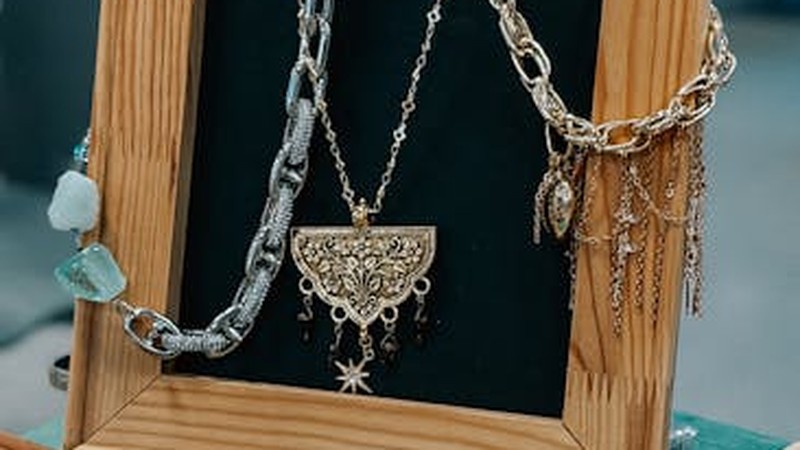
I once helped a client style her wedding jewelry. She wanted to wear her grandmother's pearl necklace but felt it looked "too old-fashioned" with her modern dress. By pairing the pearls with delicate gold hoops and layering them with a thin gold chain, we transformed something she thought was outdated into the perfect complement to her contemporary style. She told me later, "It didn't just match my dress — it made me feel connected to my grandmother while looking completely like myself."
Jewelry styling isn't about following trends or matching everything perfectly. It's about understanding how to use jewelry to express your personality, complement your clothing, and enhance your natural features. The right jewelry can elevate even the simplest outfit from ordinary to extraordinary.
This comprehensive guide to jewelry styling covers everything you need to know about combining pieces, choosing styles for different occasions, and creating looks that are uniquely yours. We'll explore different aesthetic styles, mixing metals, layering techniques, and practical tips for everyday styling that work for any budget or collection size.
Understanding Jewelry Style Aesthetics
Jewelry styles often align with broader fashion aesthetics. Understanding these styles helps you create cohesive looks:
Classic Jewelry Aesthetic
Key Elements
Classic style emphasizes timeless beauty and elegance:
- Pieces: Solitaire stud earrings, tennis bracelets, simple hoops, pearl necklaces
- Metal: Yellow gold, white gold, or platinum
- Gems: Diamonds, pearls, traditional birthstones
- Characteristics: Clean lines, symmetrical designs, understated elegance
When to Use
Classic styling works for:
- Formal occasions: Weddings, galas, business events
- Professional settings: Work environments, meetings
- Everyday elegance: When you want to look polished without being flashy
- Heirloom pieces: Vintage jewelry worn traditionally
Boho Chic Aesthetic
Key Elements
Bohemian style embraces free-spirited, natural beauty:
- Pieces: Layered necklaces, chunky cuffs, hoop earrings, mixed metal rings
- Metal: Mixed metals, often antiqued or oxidized
- Gems: Turquoise, amber, moonstone, natural materials
- Characteristics: Asymmetrical, organic shapes, earthy colors
When to Use
Boho styling works for:
- Casual outings: Coffee shops, weekend markets, festivals
- Vacation styling: Beach trips, travel destinations
- Artistic environments: Creative spaces, galleries, performances
- Warm weather: Summer, spring styling
Modern Minimalist Aesthetic
Key Elements
Minimalist focuses on clean lines and simplicity:
- Pieces: Thin bands, simple geometric shapes, tiny studs, delicate chains
- Metal: Usually gold or silver, no mixing
- Gems: Usually small or absent, focusing on the metal
- Characteristics: Streamlined, geometric, quiet elegance
When to Use
Minimalist styling works for:
- Modern workplaces: Contemporary offices, tech environments
- Cool weather: Fall, winter styling
- Urban settings: City life, modern architecture
- Layering: Perfect for stacking multiple thin pieces
Vintage/Romantic Aesthetic
Key Elements
Romantic style emphasizes softness and femininity:
- Pieces: Pearl clusters, heart shapes, floral designs, filigree work
- Metal: Often yellow gold or antiqued silver
- Gems: Pearls, soft-colored gemstones, rose cuts
- Characteristics: Soft curves, intricate details, nostalgic feel
When to Use
Romantic styling works for:
- Special occasions: Anniversaries, birthdays, romantic dinners
- Spring/summer: When lighter jewelry feels appropriate
- Formal events: weddings, gala dinners, theater
- Feminine expressions: When you want to feel delicate and pretty
Edgy/Modern Aesthetic
Key Elements
Edgy style makes a bold statement:
- Pieces: Large statement earrings, chunky chains, geometric designs, asymmetrical styles
- Metal: Often silver or mixed metals, sometimes industrial-looking
- Gems: Darker stones, or no gems focusing on metal texture
- Characteristics: Bold, architectural, sometimes industrial feel
When to Use
Edgy styling works for:
- Nightlife: Parties, concerts, clubs
- Fashion-forward settings: Art events, fashion shows
- Winter styling: Pairs well with darker clothing
- When you want to make a statement: Bold occasions, personal milestones
Choosing Jewelry for Your Face Shape
The right jewelry can enhance your natural features by complementing your face shape:
Round Faces
Earrings
Balance roundness with angular designs:
- Best: Angular shapes (rectangles, triangles, drops)
- Good: Medium length oval or geometric shapes
- Avoid: Small studs, very round shapes, overly long dangly earrings
Necklaces
Lengthen the appearance of your face:
- Best: Longer necklaces (18-24 inches), V-necks, pendant necklaces
- Good: Princess length (16-18 inches) with pendant
- Avoid: Very short chokers, tight collars
Oval Faces
Earrings
Oval faces are versatile and can wear most styles:
- Best: Any style works well, experiment freely
- Good: Medium-sized hoops, geometric shapes, balanced proportions
- Avoid: Avoid extremely long earrings that distort proportions
Necklaces
Complement the oval shape:
- Best: Collar (12-13 inches), princess (16-18 inches), matinee (20-24 inches)
- Good: Any length that flatters the neckline of your outfit
- Avoid: Extremely long or extremely short necklaces that don't match proportions
Heart-Shaped Faces
Earrings
Balance the wider forehead with fuller chin:
- Best: Dangly earrings, tear drops, soft geometric shapes
- Good: Medium to large hoops, statement earrings
- Avoid: Very small studs, very short dangly earrings, overly angular designs
Necklaces
Add width to the lower face:
- Best: Chokers, collar necklaces, or V-necks that draw attention downward
- Good: Medium length necklaces with pendants
- Avoid: Very long necklaces that emphasize the chin area
Square Faces
Earrings
Soften the angular jawline:
- Best: Round shapes, soft curves, organic shapes
- Good: Medium hoops, oval shapes, dangling styles
- Avoid: Angular square or rectangular earrings, very sharp designs
Necklaces
Break up the strong horizontal lines:
- Best: Long necklaces (20+ inches), pendants that hang below the chest
- Good: Medium length with curved elements
- Avoid: Very short chokers that emphasize jaw width
Oblong/Rectangle Faces
Earrings
Add width to the face:
- Best: Medium to large hoops, round shapes, cluster designs
- Good: Statement earrings that add width
- Avoid: Very long dangly earrings, very small studs
Necklaces
Shorten the appearance of the face:
- Best: Collars, chokers, or statement necklaces that draw attention upward
- Good: Medium necklaces with interesting details
- Avoid: Very long, thin necklines that extend the face shape
Building a Jewelry Wardrobe
The Foundation Pieces
Start with these essential pieces that form the basis of your collection:
Everyday Staples
These pieces work for most occasions:
- Stud earrings: Small pearls or simple metals
- Thin chain necklace: 16-18 inches with small pendant
- Simple band ring: Thin band, no large stones
- Minimalist hoops: Small to medium size
Statement Pieces
These pieces add personality to your collection:
- Statement earrings: Standalone piece for special occasions
- Layered necklace set: Multiple necklaces for mixing
- Cuff bracelet: Versatile piece that goes with everything
- Statement ring: Large design that draws attention
Special Occasion
These pieces are for important events:
- Elegant drop earrings: More formal than studs
- Fancy cocktail ring: Large, eye-catching design
- Delicate bracelet: Fine metalwork, can be layered
- Strand necklace: Pearls or elegant stones
Seasonal Pieces
Spring Collection
Lighter, fresh pieces for warmer weather:
- Floral motifs: Designs inspired by spring flowers
- Pastel colors: Soft pink, blue, green stones
- Deliver metals: Lightweight designs
- Nature themes: Leaves, birds, butterflies
Summer Collection
Bright, casual pieces for warm days:
- Colorful pieces: Bright gemstones, coral-inspired designs
- Beach jewelry: Water-resistant, easy to care for
- Layering options: Multiple thin pieces that work together
- Casual metals: Often mixed metals for casual vibe
Fall Collection
Warmer tones for cooler weather:
- Rich colors: Deep reds, oranges, browns
- Heavier metals: More substantial designs
- Statement pieces: Seasonal statement items
- Layer-friendly: Pieces that work with sweaters
Winter Collection
Festive, elegant pieces for colder months:
- Metal-rich: Gold and silver tones
- Festive designs: Holiday-themed pieces
- Warmer stones: Deep reds, blues, browns
- Formal pieces: Items for holiday gatherings
Mixing Metals and Styles
The Modern Approach to Metal Mixing
Gone are the days when you had to stick to one metal type. Modern styling embraces mixing metals:
Guidelines for Metal Mixing
The Rule of Three
Limit yourself to three metal types maximum:
- Safe combination: Yellow gold, white gold, rose gold
- Safe combination: Yellow gold, silver, bronze
- Safe combination: Silver, gold, platinum
- Avoid: Too many different metals that clash
Weight Balance
Balance heavier and lighter pieces:
- Heavy pieces: Cuff bracelets, chunky rings, large necklaces
- Light pieces: Thin chains, stud earrings, delicate bands
- Balance: If wearing one heavy piece, keep other pieces light
Metal Ratio
Decide on primary metal for the outfit:
- 60/30/10 rule: 60% primary metal, 30% secondary, 10% accent
- Seasonal preference: Gold in warm months, silver in cool months
- Outfit coordination: Match metals to clothing colors
Metal Mixing Strategies
Intentional Mixing
Purposeful combination of metals:
- Matching colors: Similar undertones (warm metals together, cool metals together)
- Theme mixing: Pieces that share design elements across metals
- Occasion-based mixing: Different metals for different purposes within one outfit
Accidental Mixing
Natural mixing through varied collection:
- Collection building: Acquiring pieces in different metals over time
- Personal expression: Wearing what you love regardless of metal type
- Random pairing: Mixing pieces that work aesthetically
Style Consistency
Maintaining coherence while mixing:
- Design similarity: Similar design elements across metal types
- Color coordination: Matching stone colors across metals
- Collection focus: Focusing on specific jewelry styles regardless of metal
Layering Techniques
The Art of Jewelry Layering
Layering creates dimension and visual interest in your jewelry:
Necklace Layering
Length Coordination
Create harmonious layers with different lengths:
- Classic trio: 16" (collar), 18" (princess), 24" (matinee)
- Two-layer approach: 16" with 20" or 18" with 24"
- Thin + thick: Combine delicate chains with statement pieces
Visual Balance
Create balanced, harmonious layers:
- Top-down hierarchy: Smaller/brighter at top, larger/darker at bottom
- Color mixing: Similar tones (warm metals with warm stones, cool with cool)
- Metal mixing: Consider metal types when layering (gold with gold, etc.)
Textural Contrast
Combine different textures for interest:
- Smooth + textured: Polished chain with hammered piece
- Matte + shiny: Brushed finish with polished elements
- Organic + geometric: Natural designs with structured pieces
Ring Stacking
Finger Coordination
Distribute rings across fingers for balance:
- Single hand: Multiple rings on one hand (usually non-dominant)
- Both hands: Fewer rings on dominant hand, more on non-dominant
- Finger selection: Distribute across different fingers
Balance Proportions
Combine different ring sizes and styles:
- Bands + statement: Mix thin bands with larger rings
- Matching sets: Coordinate metal types and styles
- Thumb emphasis: Larger ring on thumb for balance
Bracelet and Arm Stacking
Arm Coordination
Combine bracelets on wrists and arms:
- Single layer: Multiple thin bangles on one wrist
- Double layer: Thin bracelets on one wrist, cuff on other
- Arm stacking: Combine wrist bracelets with upper arm pieces
Textural Mixing
Combine different bracelet textures:
- Bangles + chains: Solid bangles with chain bracelets
- Materials mixing: Combine metal with leather or fabric
- Size variation: Mix thin and thick pieces
Earring Layering
Multiple Piercings
Combine earrings for multiple piercings:
- Simple statement: Medium hoop with small stud
- Complex layering: Multiple hoops or stud combinations
- Cartilage stacking: Combine different styles in ear
Ear Combinations
Balance earrings across ears:
-
li>Matching sets: Similar styles on both ears
- Statement balance: One statement earring, one simple
- Color coordination: Match gemstone colors across earrings
Occasion-Based Styling
Professional Settings
Office Jewelry
Professional jewelry that doesn't distract:
- Earrings: Small studs or delicate hoops
- Necklaces: Simple chains with small pendants
- Rings: Single band or small statement ring
- Bracelets: Thin chain or single bangle
Business Meetings
Slightly elevated professional styling:
- Statement pieces: More prominent but still elegant
- Quality focus: Better materials, higher quality construction
- Coordination: Coordinated set rather than mixing too much
- Metal preference: Usually professional silver or white gold
Casual Outings
Daytime Social
Jewelry for coffee shops, errands, casual lunches:
- Light and airy: Delicate pieces that don't overwhelm
- Metal mixing: Casual mixing of metals
- Personal expression: Pieces that reflect your personality
- Comfort focus: Pieces that are comfortable for all-day wear
Weekend Activities
Jewelry for weekend outings, shopping, errands:
- Practical styling: Pieces that work with casual clothing
- Mixed materials: Leather, fabric, and metal combinations
- Layered pieces: Multiple thin layers that can be adjusted
- Colorful elements: Bright accents for weekend fun
Formal Events
Evening Wear
Jewelry for dinners, theater, evening events:
- Elegant pieces: More substantial than daytime jewelry
- Matching sets: Coordinated pieces that work together
- Metal choices: Usually gold or silver based on outfit
- Statement elements: One focal piece rather than many small ones
Special Occasions
Jewelry for weddings, galas, milestone events:
- Heirloom pieces: Special jewelry passed down through generations
- Statement jewelry: Showstopping pieces that make an impression
- Coordination: Jewelry that coordinates with your outfit
- Metal focus: Usually one metal type for elegant consistency
Seasonal Styling Tips
Spring Styling
Spring Color Palette
Lighter, softer jewelry for spring:
- Gem colors: Pastel shades, soft tones
- Metal tones: Lighter gold, silver, mixed metals
- Styles: Delicate, floral-inspired designs
- Textures: Lighter, airy pieces
Spring Occasions
Adaptable for spring events:
- Garden parties: Nature-inspired jewelry
- Spring weddings: Elegant, seasonal pieces
- Easter gatherings: Light, seasonal styling
- Graduations: Celebratory, meaningful pieces
Summer Styling
Summer Color Palette
Bright, colorful jewelry for summer:
- Gem colors: Bright blues, coral, turquoise
- Metal tones: Silver, white gold, mixed metals
- Styles: Beach-friendly, casual pieces
- Textures: Light, ventilated designs
Summer Occasions
Perfect for summer activities:
- Beach trips: Water-resistant, casual pieces
- Barbecues: Fun, bright jewelry
- Vacations: Versatile pieces that work together
- Festivals: Statement, colorful pieces
Fall Styling
Fall Color Palette
Warmer, richer jewelry for fall:
- Gem colors: Deep reds, oranges, browns
- Metal tones: Gold, bronze, warm metals
- Styles: Heavier, substantial pieces
- Textures: Richer, more detailed designs
Fall Occasions
Complements fall season:
- Harvest events: Seasonal, earthy pieces
- Halloween gatherings: Festive, thematic jewelry
- Thanksgiving: Elegant, seasonal styling
- Autumn weddings: Rich, warm metals
Winter Styling
Winter Color Palette
Festive, elegant jewelry for winter:
- Gem colors: Deep blues, reds, whites
- Metal tones: Gold, silver, platinum
- Styles: Elegant, often statement pieces
- Textures: Rich, detailed designs
Winter Occasions
Holiday Season
Perfect for winter celebrations:
- Holiday parties: Festive, elegant pieces
- New Year's Eve: Statement, celebratory jewelry
- Winter weddings: Elegant, seasonal styling
- Valentine's Day: Romantic, meaningful pieces
Practical Styling Tips
Budget-Conscious Styling
Building a Capsule Wardrobe
Create a versatile collection with fewer pieces:
- Core pieces: 5-7 versatile items that go with everything
- Mixing potential: Pieces that can be combined in multiple ways
- Quality over quantity: Better materials last longer
- Investment pieces: One or two high-quality items
Styling with Fewer Pieces
Maximize impact with minimal jewelry:
- Statement focus: One standout piece per outfit
- Layering one item: A single necklace that makes an impression
- Strategic mixing: Fewer pieces that coordinate well
- Rotation strategy: Regularly rotate your pieces
Care and Maintenance
Styling While Protecting
Style without damaging your jewelry:
- Activity-based styling: Remove jewelry for activities that could damage it
- Storage rotation: Store properly when not wearing
- Cleaning routine: Regular cleaning to maintain appearance
- Seasonal rotation: Rotate based on seasons to reduce wear
Longevity Considerations
Extend the life of your jewelry through proper styling:
- Avoid daily wear: Reserve special pieces for occasional wear
- Chemical protection: Remove before chemicals or harsh activities
- Proper storage: Store properly to prevent damage
- Regular inspection: Check for damage regularly
Creating Your Signature Style
Developing Your Personal Style
Self-Assessment
Understand your preferences and lifestyle:
- Lifestyle analysis: What activities do you do regularly?
- Color preferences: Which metal and gem colors do you naturally gravitate toward?
- Comfort level: What makes you feel comfortable and confident?
- Expression preferences: Do you prefer subtle statements or bold expressions?
Style Evolution
Allow your style to grow and change:
-
li>Seasonal adaptation: Adjust your style based on seasons and occasions
- Learning and exploration: Try new styles and techniques
- Collection building: Gradually expand your collection
- Personal growth: Let your style reflect personal growth
Signature Elements
Identifying Your Style Markers
Develop distinctive elements that define your style:
- Preferred metals: Consistent metal choices that become your signature
- Gem preferences: Specific gemstones or colors you favor
- Style themes: Consistent design elements across pieces
- Wearing habits: How you typically wear your jewelry
Maintaining Flexibility
Keep your style recognizable but adaptable:
- Versatile pieces: Core items that can adapt to different occasions
- Statement variations: Different intensity levels of your signature style
- Seasonal adjustments: Maintain core style while adapting to seasons
- Occasional departures: Try different styles occasionally to expand
Conclusion: Jewelry as Self-Expression
Jewelry styling is ultimately about expressing who you are. It's not about following trends or wearing what's popular, but about finding pieces that resonate with your personality, complement your features, and make you feel confident and authentic.
Remember that the best jewelry styling happens when you're comfortable and feel like yourself. Mix and match different pieces, experiment with new combinations, and develop your unique style over time. Your jewelry collection should grow with you, reflecting your journey and personal evolution.
Whether you prefer minimalist elegance, bohemian free-spiritedness, or bold statements, there's no right or wrong way to style jewelry. The important thing is that your choices make you feel good about yourself and allow you to express your unique personality to the world.


Comments