5 Handmade Jewelry Business Tips: How to Turn Your Craft Into Income
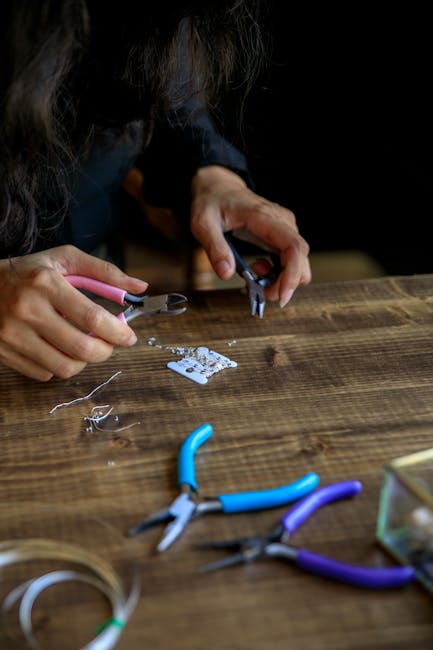
If you've been making jewelry for yourself and friends, you've probably had someone say "you should sell these." It's a natural progression — and the handmade jewelry market is genuinely thriving. In 2026, consumers increasingly value unique, handcrafted pieces over mass-produced items.
But turning a hobby into a business requires more than just making beautiful things. Here are five practical tips based on what's actually working for small jewelry businesses today.
1. Find Your Niche (and Stick to It)
The most successful handmade jewelry businesses don't try to do everything. They specialize. Think about what you're genuinely best at and what excites you most:
- Wire-wrapped crystal pendants for a specific audience (yoga practitioners, reiki healers, crystal collectors)
- Personalized birthstone jewelry for gift-giving occasions
- Minimalist gold-filled pieces for everyday wear
- Eco-friendly jewelry using recycled metals and ethically sourced stones
- Cultural or heritage-inspired designs with authentic storytelling
A clear niche helps with branding, marketing, and — most importantly — standing out in a crowded market. When someone searches for "handmade wire wrapped amethyst pendant," you want to be the obvious choice, not one of 10,000 results.
2. Price Based on Value, Not Time
This is the hardest lesson for most new jewelry makers. The instinct is to price low because "it only took me an hour to make." But your customer isn't paying for an hour of your time — they're paying for years of skill development, the uniqueness of the design, and the materials you sourced.
A better pricing formula:
Price = (Materials × 2) + (Your Time × Hourly Rate) + Overhead
Where "hourly rate" is what you'd want to earn per hour (at minimum wage or above), and "overhead" covers tools, workspace, packaging, shipping supplies, and platform fees. Most beginners dramatically underprice their work. If your prices feel too low, they probably are.
Pricing Psychology
Round numbers feel cheaper ($20), while specific numbers feel like there was real calculation behind them ($23). Ending in .97 or .99 can work, but in the handmade market, clean pricing ($25, $45, $75) often conveys more confidence and quality.
3. Photography Is Your Most Important Marketing Tool
People buy handmade jewelry online based almost entirely on photos. Your pieces could be stunning in person, but if your photos are dark, blurry, or poorly composed, buyers will scroll past.
Quick Setup That Works
- Light: Natural window light is free and perfect. Position near a window, shoot during golden hour (early morning or late afternoon).
- Background: White, cream, or light gray cardstock. Keep it simple — the jewelry is the star.
- Phone camera: Modern phones are more than adequate. Use portrait mode for a natural depth-of-field effect.
- Props: A small crystal, a dried flower, or a piece of fabric can add context. Don't overdo it.
Take at least 5 photos per piece: front view, angled view, detail close-up, on a model or hand (if possible), and a lifestyle shot. Consistent photo style across your shop builds brand recognition.
4. Build a Story Around Your Brand
Why do people choose handmade over mass-produced? Because of the story. They want to feel a connection to the maker and the process. Your "about" page, product descriptions, and social media should all tell this story.
Effective brand storytelling includes:
- Your why: What drew you to jewelry making? What does the craft mean to you?
- Your process: Show behind-the-scenes content. Work-in-progress photos, your workspace, the tools you use. This builds trust and appreciation for the craft.
- Your materials: Where do your stones come from? Why did you choose them? Ethical sourcing is increasingly important to buyers.
- Your customer: Share photos of happy customers (with permission). User-generated content is powerful social proof.
A brand story doesn't need to be dramatic or elaborate. Authenticity matters more than polish. People can tell the difference between a genuine artisan and a marketing template.
5. Start Small, Grow Strategically
Don't try to launch on every platform at once. Start with one sales channel (Etsy, your own website, or local markets) and one social platform (Instagram is strongest for visual products). Master those before expanding.
Recommended Growth Path
- Months 1-3: Build inventory (15-30 pieces), perfect your photography, open one shop, post consistently on one social platform.
- Months 3-6: Analyze what sells. Double down on your best sellers. Start an email list. Consider craft markets or pop-ups for in-person sales experience.
- Months 6-12: Add a second sales channel. Explore wholesale or consignment with local boutiques. Invest in better tools or a dedicated workspace.
- Year 2+: Consider your own website (more control, lower fees). Explore custom orders and commissioned pieces. Build partnerships with complementary businesses.
The Reality Check
Running a handmade jewelry business is rewarding but it's still a business. Expect to spend at least as much time on marketing, photography, customer service, and administration as you do on actually making jewelry — especially in the early stages.
The makers who succeed aren't necessarily the most skilled. They're the ones who show up consistently, adapt to what the market tells them, and treat their craft as both art and business.
Start small, price confidently, photograph beautifully, tell your story, and be patient. The handmade jewelry market is big enough for passionate creators who are willing to put in the work.

Comments