Gold vs Silver Jewelry: Complete Pros, Cons & Comparison Guide
Price: The Biggest Difference, in Real Numbers
The gap between gold and silver prices isn't subtle — it's enormous. As of early 2025, gold sits around $2,650 per troy ounce, while silver trades at roughly $30 per troy ounce. That's not a 10-to-1 ratio. Gold costs roughly 88 times more than silver by weight.
What this means for jewelry: a 14K gold chain that weighs 10 grams contains about 5.83 grams of pure gold (14/24 × 10). At current gold prices, the gold content alone is worth about $500. The same chain in sterling silver, at 10 grams of 92.5% pure silver, has a metal value of around $9. The labor, design, and markup are similar for both pieces, so the retail price difference comes almost entirely from the raw material.
This price gap has been widening. Gold rose from about $1,800/oz in early 2023 to over $2,700/oz by late 2024, a gain of roughly 50% in under two years. Central bank buying, geopolitical tension, and inflation concerns drove most of that increase. Silver, while it also climbed — from roughly $22/oz to $33/oz over the same period — moved far less dramatically. For anyone buying jewelry, gold has gotten significantly more expensive in a short timeframe, while silver has remained accessible.
Here's the thing about jewelry pricing though: at the lower end, the difference is huge. A basic sterling silver pendant might cost $15-40. The same design in 14K gold could be $200-500. But at the high end — custom designer pieces, intricate workmanship — the price gap narrows as a percentage, because labor and artistry make up a larger share of the cost. A $3,000 gold necklace might have a silver counterpart at $800. Still a big gap, but proportionally smaller.
Durability and Everyday Wearability
This is where the comparison gets interesting, because neither metal is particularly hard, but they fail in different ways.
Mohs Hardness: A Closer Look
Gold scores 2.5 on the Mohs hardness scale. Silver scores between 2.5 and 3.0. For reference, your fingernail is about 2.5, a copper penny is 3.0, and window glass is 5.5. Both metals are genuinely soft — they'll scratch from normal daily contact with objects around you.
But "soft" doesn't mean the same thing for both. Pure gold (24K) is so soft that you can dent it with your thumbnail, which is why practically all gold jewelry is alloyed. 14K gold (58.3% gold, mixed with copper, silver, nickel, zinc, or palladium) is significantly harder than pure gold and handles daily wear well. 18K (75% gold) sits between the two — still wearable daily, but it picks up scratches faster than 14K.
Sterling silver (92.5% silver, 7.5% copper) is harder than pure silver but still soft enough to bend. The main durability issue with silver isn't scratching — it's bending. A thin silver band can get bent out of shape just from gripping a steering wheel or carrying groceries. A gold band of the same thickness would resist bending better because gold has higher malleability and ductility, meaning it deforms under pressure rather than cracking, but the alloy hardness of 14K gold gives it a practical edge in maintaining its shape.
Tarnish: Silver's Unique Problem
Gold doesn't tarnish. That's one of its biggest practical advantages. A gold ring can sit in a drawer for 20 years and come out looking the same. Sterling silver will develop a dark patina within weeks or months depending on storage conditions.
This isn't necessarily a drawback for everyone. Some people prefer the aged look of tarnished silver — it can give pieces character and depth, especially on textured or hammered surfaces. But if you want that bright, white shine consistently, silver requires maintenance. Cleaning methods, storage habits, and anti-tarnish products all help, but they're ongoing effort that gold simply doesn't need.
Skin Sensitivity: The Hidden Factor
If you have sensitive skin, this comparison matters more than any other factor on this list.
Gold and Hypoallergenic Claims
24K (pure) gold is hypoallergenic. So is 18K gold, which is 75% pure. 14K gold is generally safe for most people, but here's the catch: the remaining alloy metals vary. If a 14K piece uses nickel as part of its alloy (common in white gold formulations), it can trigger allergic reactions in people with nickel sensitivity.
Nickel allergy is surprisingly common — estimates suggest 10-15% of the population has some degree of sensitivity, with higher rates among women. Symptoms range from mild redness and itching to severe rash and blistering. If you've ever worn a pair of earrings that made your earlobes itch and swell within hours, you've probably experienced this.
The solution for gold jewelry is to look for nickel-free alloys. Palladium white gold and alloys that use a higher copper-to-nickel ratio tend to be safer. When in doubt, higher karat gold (18K+) is the safer bet because there's less alloy metal and therefore less chance of a reactive component.
Silver and Skin Reactions
Pure silver is also hypoallergenic. Sterling silver, being 92.5% pure, is generally well-tolerated by most people. The copper in sterling silver rarely causes allergic reactions — copper allergies exist but are far less common than nickel allergies.
However, some people confuse a tarnish reaction with an allergy. When sterling silver tarnishes against your skin (especially in humid conditions or with sweat), the silver sulfide can sometimes leave a dark mark on your skin. This isn't an allergic reaction — it's just tarnish transferring. It washes off and is harmless, though it can be annoying with rings that sit against your finger constantly.
One real concern: some "silver" jewelry, especially inexpensive fashion pieces, isn't actually silver at all. It may be nickel or another base metal with a silver plating so thin that it wears through quickly. If a piece causes a skin reaction and it's not stamped "925" or "Sterling," the underlying metal is likely the culprit, not the silver.
Appearance: Which Metal Fits Your Style?
This is subjective, but there are practical differences worth noting.
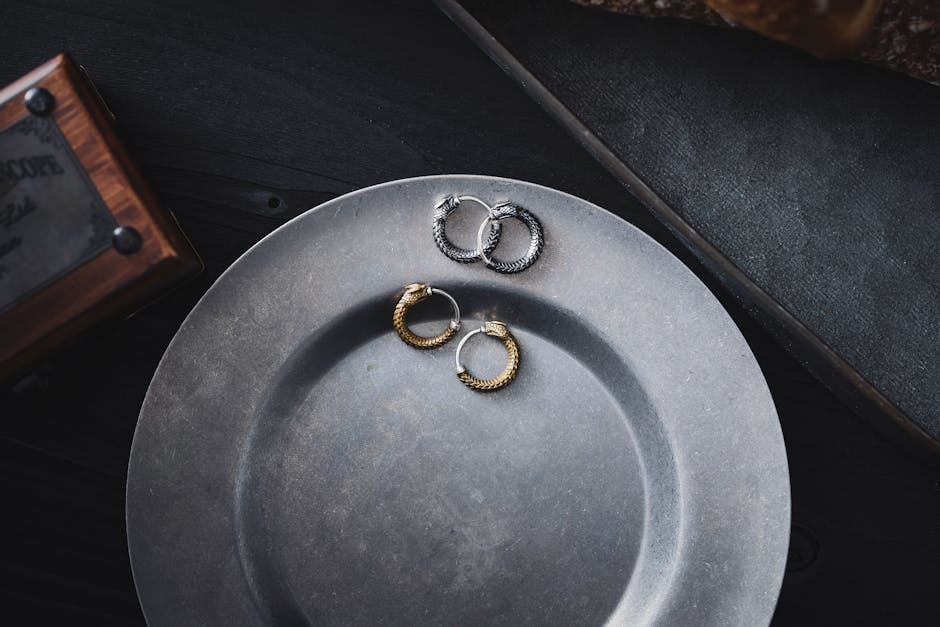
Gold comes in three main colors: yellow (the traditional gold look), white (alloyed with palladium, nickel, or silver to look silver-white, then rhodium-plated), and rose (alloyed with copper for a pinkish tone). Each color sends a different style signal. Yellow gold reads as classic, warm, and traditional. White gold is more contemporary and versatile. Rose gold has become trendy in the last decade, especially for engagement rings and minimalist jewelry.
Silver is essentially one color — a cool, white metallic tone. It pairs well with cool-toned skin and looks clean and modern. It also has a slightly brighter, whiter appearance than white gold, which some people prefer and others find too stark.
Silver tends to work better with casual and everyday wear. It's less "precious" in appearance, which makes it feel less risky for daily use. Gold, especially yellow gold, tends to look more formal and dressy. Rose gold and white gold bridge the gap somewhat, but gold jewelry still carries a certain gravitas that silver doesn't quite match.
Maintenance and Long-Term Care
Gold wins the low-maintenance category by a mile. Clean it occasionally with warm soapy water and a soft cloth. That's about it. White gold pieces with rhodium plating will need re-plating every 1-3 years as the rhodium wears thin, which costs $30-80 at most jewelers, but that's the extent of gold maintenance.
Silver requires more attention. Regular polishing with a silver cloth, proper storage in sealed bags or anti-tarnish compartments, and occasional deep cleaning are all part of owning silver. The aluminum foil method (baking soda, salt, hot water, aluminum foil) works well for moderate tarnish on solid silver pieces, and commercial silver dips can handle heavier tarnish — though dips should be used sparingly because they can damage certain finishes and gemstones.
For pieces with gemstones, both metals require care around the settings. Ultrasonic cleaners can loosen stones in any metal. Steam cleaning should be avoided for porous gemstones regardless of the metal type. But as a general rule, gold settings hold up better over decades of wear because the metal doesn't fatigue or work-harden the way silver can.
Resale Value and Investment Potential
Gold holds its value far better than silver. This isn't opinion — it's just how the market works. A 14K gold necklace bought for $400 might have a melt value of $200-250, meaning you'd recover 50-60% of your purchase price from the metal alone. Sterling silver jewelry, by contrast, has almost no melt value relative to its retail price. That $40 silver chain contains maybe $9 worth of silver.
Designer and branded pieces hold additional value beyond the metal, but even here gold has the edge. Vintage and antique gold jewelry often sells for more than its melt value because of design, craftsmanship, and brand recognition. Silver jewelry, with some exceptions for artisan and designer pieces, tends to depreciate to near-zero resale value.
If you're thinking of jewelry as any kind of investment, gold is the clear choice. Silver is a consumable — you buy it to wear it, not to sell it later.
So Which Should You Choose?
It depends on what matters most to you. If budget is the main concern, silver gives you a lot more jewelry for your money. You can own a wider variety of pieces, swap them more frequently, and not stress about losing or damaging something expensive. For everyday fashion jewelry — rings you wear to work, casual bracelets, layered necklaces — silver is practical and looks great.
If longevity, low maintenance, and value retention matter more, gold is worth the higher upfront cost. A well-made gold piece can last a lifetime and be passed down. The metal won't tarnish, the color won't change, and you'll never have to wonder if your favorite ring is about to bend out of shape during your daily routine.
For people with sensitive skin, both metals work fine — but pay attention to alloys. Go for sterling silver or 18K+ gold to minimize reaction risk. Avoid mystery metals and unmarked "silver" pieces if you've had reactions before.
The honest answer is that most people end up owning both. Silver for everyday variety, gold for special pieces and long-term keepsakes. The metals serve different purposes, and there's no rule saying you have to pick just one.
Comments