Gold Filled vs Gold Plated vs Solid Gold: Complete Comparison
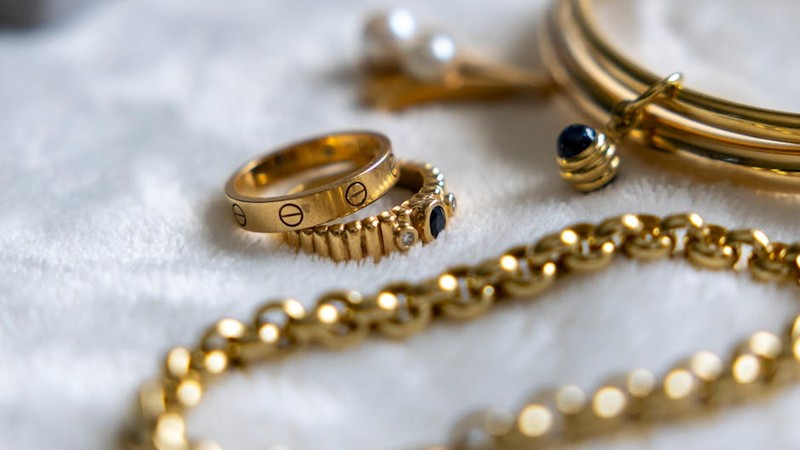
I've been making and selling jewelry for over five years, and the single question I get asked most — by far — is some variation of "wait, so what's the difference between gold-filled and gold-plated?" People have bought expensive pieces that turned green after a week. They've passed on beautiful earrings because the listing said "gold-plated" and they assumed that meant junk. And I've watched friends get ripped off by misleading descriptions that called something "solid gold" when it was anything but.
The jewelry industry doesn't exactly make this easy to understand. There's a lot of jargon, some intentional obfuscation, and a whole lot of marketing terms designed to make cheap materials sound premium. So let's cut through the noise. Here's an honest, no-nonsense breakdown of gold-filled, gold-plated, and solid gold — what each one actually is, how long it lasts, what it costs, and when each is the right choice for you.
What Each Term Actually Means
Gold-Plated Jewelry
Gold-plated (sometimes stamped "GP" or "GEP") means a base metal — usually brass, copper, or stainless steel — has been dipped in a thin layer of gold through an electroplating process. The gold layer is measured in microns (millionths of a meter), and for most fashion jewelry, it's incredibly thin: 0.5 to 1 micron. To put that in perspective, a human hair is about 70 microns thick.
There's a subcategory called "heavy gold plated" (sometimes "gold electroplated" or "HGE") where the layer might be 2.5 microns. Still very thin, but slightly more durable. Some high-end brands use vermeil, which is gold-plated over sterling silver with a minimum of 2.5 microns of gold. Vermeil is the best version of gold-plated you can get, but it's still fundamentally a plated product.
Gold-plated jewelry is the most affordable option by a wide margin. You can find gold-plated pieces at any price point, from $5 fast-fashion earrings to $200 designer vermeil rings. The range in quality is enormous.
Gold-Filled Jewelry
Gold-filled (often stamped "GF" or "1/20 GF") is a completely different process. Instead of dipping a base metal in gold, manufacturers bond a thick layer of gold to a base metal core (usually brass) using heat and pressure. The gold layer must be at least 5% of the total weight of the item, and it's typically 50-100 times thicker than gold plating.
The term "gold-filled" is legally regulated in the United States by the Federal Trade Commission. If something is stamped "14/20 GF," it means the outer layer is 14 karat gold and makes up 1/20th (or 5%) of the total weight. This isn't a marketing label — it's a legally enforceable standard.
Gold-filled jewelry sits in the middle ground between plated and solid gold. It's substantially more durable than plating and can last years with normal wear, but it costs significantly less than solid gold. For daily-wear pieces like studs, stackable rings, and simple chains, gold-filled is often the sweet spot between quality and price.
Solid Gold Jewelry
Solid gold (sometimes called "pure gold" in marketing, though true pure gold is 24 karats and too soft for most jewelry) means the entire piece is made from a gold alloy. The karat number tells you the gold content: 24K is 99.9% gold, 18K is 75% gold, 14K is 58.3% gold, and 10K is 41.7% gold.
For everyday jewelry, 14K is the most popular choice in the US — it's durable enough to hold its shape, has a warm yellow color, and contains enough gold to be valuable. 18K is more common in European markets and has a richer, deeper yellow tone but is slightly softer and more expensive. 10K is the most affordable and most durable, but it has a paler color and some people with metal sensitivities react to the higher alloy content.
24K gold exists but is rarely used for anything you'd wear daily. It's so soft that a 24K ring would bend and dent from normal hand movements. You'll mostly see it in investment gold bars, coins, and some traditional Asian wedding jewelry that's meant to be stored, not worn.
Durability: How Long Will It Actually Last?
This is where the differences become really obvious — and really matter to your wallet.
Gold-plated jewelry is, frankly, not built to last. With regular wear, the thin gold layer will begin to wear off in 3-6 months, exposing the base metal underneath. You'll notice the color shifting from gold to a dull yellow, and eventually the base metal (usually copper or brass) may oxidize and leave green marks on your skin. This isn't necessarily a sign of a "cheap" product — it's just the nature of an extremely thin gold layer. That said, you can extend the life of plated pieces by removing them before showering, exercising, sleeping, or applying perfume. Stored in a dry, airtight bag, gold-plated jewelry might look good for a year or more.
Gold-filled jewelry is in a different league. Because the gold layer is so much thicker, it can withstand years of daily wear without the gold wearing through. I have gold-filled chain necklaces that I've worn almost every day for over three years, and they still look like new. Tarnishing can happen, but a quick polish with a jewelry cloth brings back the shine. The only scenario where gold-filled might fail is with heavy friction — a gold-filled ring worn on your dominant hand while typing all day will show wear faster than a necklace that just hangs there.
Solid gold jewelry is, for practical purposes, permanent. A well-made 14K gold ring can last generations. It won't wear through, won't tarnish significantly, and won't react with your skin. It can be scratched, dented, or bent with enough force, but it can also be polished and reshaped by any jeweler. Solid gold is the "buy it for life" option. It's also the only category that has meaningful resale or scrap value.
Price Comparison: What Should You Expect to Pay?
Prices vary wildly depending on design complexity, brand markup, and where you're shopping, but here are realistic ballpark ranges for a simple pair of stud earrings:
Gold-plated: $5 - $50. Vermeil (gold over sterling silver): $30 - $150. Gold-filled: $25 - $80. Solid 14K gold: $100 - $400+. Solid 18K gold: $200 - $800+.
Notice the massive overlap. A high-end vermeil pair might cost more than a simple gold-filled pair. And a basic solid 14K gold piece from a direct-to-consumer brand might cost less than a designer gold-plated piece. The material is only one factor in pricing — design, brand reputation, and craftsmanship all play a role.
For reference, raw gold is currently priced around $60-65 per gram (as of early 2026). A simple 14K gold ring weighing 3 grams contains about 1.75 grams of pure gold, which means the raw metal alone costs roughly $110-115. Add labor, overhead, and retail markup, and you can see why solid gold commands the prices it does.
How to Tell What You're Actually Getting
Stamps and hallmarks are your first line of defense. Legitimate jewelry should be stamped somewhere inconspicuous — inside the band of a ring, on the clasp of a necklace, or on the post of an earring. Here's what to look for:
Gold-plated: "GP," "GEP," "HGE," "14K GP" (14 karat gold plating), or "18K HGE." Sometimes there's no stamp at all, which is a red flag unless it's clearly marketed as costume jewelry.
Gold-filled: "GF," "1/20 GF," "14/20 GF" (14 karat, 1/20th gold-filled). The "1/20" is important — it confirms the 5% minimum gold content required by FTC regulations.
Solid gold: "14K," "18K," "10K," "750" (European marking for 18K), "585" (European marking for 14K), or "417" (European marking for 10K). If you see "24K" or "999," that's essentially pure gold.
Be skeptical of terms like "gold tone," "gold color," "gold style," or "18K gold-like." These are deliberate evasions that mean the item contains zero actual gold. I've also seen sellers use "gold alloy" to describe brass — technically true (brass is an alloy that can look gold-ish), but deeply misleading.
If you're buying something expensive and want to verify, a jeweler can perform an acid test for about $10-20. For online purchases, stick to reputable sellers who clearly state the material, show clear photos of hallmarks, and have reasonable return policies.
Care and Maintenance
Whatever type of gold jewelry you own, proper care will dramatically extend its life.
For gold-plated pieces: keep them dry. Remove before washing hands, swimming, or exercising. Store individually in anti-tarnish bags or ziplock bags with the air squeezed out. Never use jewelry cleaners or polishing cloths — these can actually remove the gold layer. If a plated piece starts to look dull, a very gentle wipe with a soft, dry microfiber cloth is all you should attempt.
For gold-filled pieces: you can be more relaxed, but it still pays to be thoughtful. Remove before heavy activity or prolonged water exposure. Store in a dry place. A standard jewelry polishing cloth is fine for occasional cleaning. If tarnish builds up, a quick soak in warm water with a drop of mild dish soap followed by a soft brush (even a soft toothbrush works) will restore the shine.
For solid gold pieces: these are the most forgiving. Warm water, mild soap, and a soft brush will handle most cleaning needs. Ultrasonic cleaners are generally safe for solid gold (though not for pieces with gemstones — some stones can be damaged by ultrasonic vibration). Professional polishing once a year keeps solid gold looking brand new indefinitely.
One universal rule: never sleep in your jewelry. Tossing and turning creates micro-abrasions against bedding that wear down any surface over time, and chains are especially prone to tangling and breaking during sleep.
So Which Should You Buy?
The right choice depends entirely on what you need the piece to do.
Go with gold-plated for trend pieces, statement jewelry you'll only wear occasionally, gifts for kids, or anything where the design matters more than longevity. It's also the smart choice if you like to rotate your collection frequently — why spend $200 on a trendy pendant you'll be tired of in six months? A $30 gold-plated version lets you enjoy the look without the commitment.
Go with gold-filled for everyday staples: simple studs you'll wear daily, delicate chains, stacking rings, and any piece you want to last years without the solid gold price tag. Gold-filled is genuinely the best value in jewelry if you wear your pieces regularly. It's what I recommend most often to friends and customers who want quality without the luxury price.
Go with solid gold for pieces with emotional significance — engagement rings, wedding bands, heirloom gifts, and anything you want to last a lifetime. Solid gold also makes the most sense for investment pieces, custom work you can't easily replace, and items you plan to pass down. If you're spending over $200 on a piece you'll wear daily, solid gold is usually worth the premium over gold-filled.
At the end of the day, the best jewelry is the piece you'll actually wear. A $30 gold-filled chain you love and wear every day brings more joy than a $500 solid gold necklace that sits in a box because you're afraid to damage it. Know what you're buying, take care of it properly, and choose based on your real life — not someone else's idea of what's "worth it."
Comments