Garnet: The Complete Guide to the Stone of Passion and Vitality
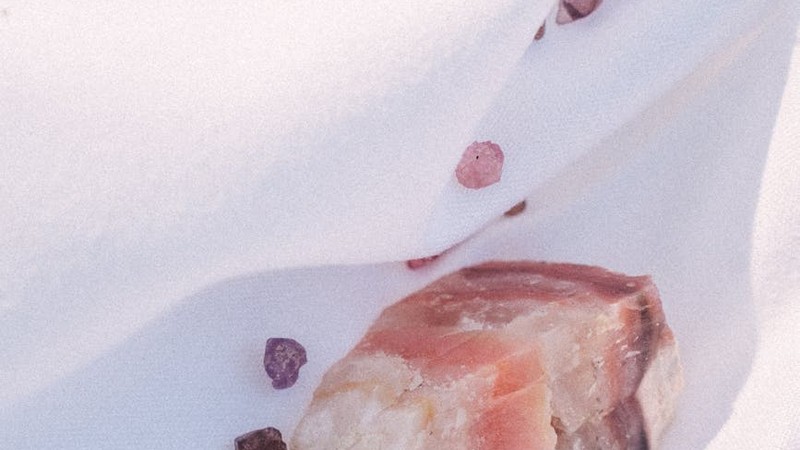
Garnet is one of the oldest and most beloved gemstones in human history, prized for thousands of years for its deep, fiery beauty and powerful metaphysical properties. While most people picture garnet as a simple red stone, the truth is far more fascinating — garnet is actually an entire family of minerals that comes in virtually every color of the rainbow. As the January birthstone and a stone deeply associated with passion, vitality, and protection, garnet deserves a closer look from anyone interested in crystal healing, gemstone collecting, or fine jewelry.
In this comprehensive guide, we'll explore everything garnet has to offer: its geological origins, the many varieties you should know about, its emotional and metaphysical healing properties, practical ways to use it, how to care for your garnet pieces, and how to tell real garnet from common imitations. Whether you're a seasoned crystal enthusiast or just discovering the world of gemstones, this guide will give you a thorough understanding of this remarkable stone.
What Is Garnet? The Mineral Family Explained
Garnet is not a single mineral but a group of closely related silicate minerals that share a common crystal structure but vary in chemical composition. The garnet group belongs to the nesosilicate class, meaning its crystal lattice is built from isolated SiO₄ tetrahedra. This shared atomic arrangement gives all garnets their characteristic cubic crystal system and their signature glassy to sub-adamantine luster.
What makes garnet truly special is its incredible color range. While the name "garnet" comes from the Latin granatus, meaning "seed-like" (referring to the resemblance of deep red garnet crystals to pomegranate seeds), garnets actually occur in every color except blue. You'll find garnets in shades of red, orange, yellow, green, pink, purple, brown, and even near-colorless varieties. Some rare garnets even change color under different lighting conditions.
Garnet scores 6.5 to 7.5 on the Mohs hardness scale depending on the variety, making it durable enough for everyday jewelry wear. It has been used in jewelry and ornamentation for over 5,000 years — ancient Egyptians, Greeks, and Romans all prized garnet, and it was particularly popular during the Victorian era. For a deeper understanding of how gemstone hardness affects durability, check out our Mohs Scale of Hardness guide.
As the traditional birthstone for January, garnet symbolizes trust, friendship, and eternal bonds. It's also associated with the second anniversary in gemstone tradition, making it a meaningful gift for loved ones.
Types of Garnet: A Complete Breakdown
The garnet family is divided into two main series and several important individual species. Here are the most significant varieties every crystal lover should know:
Almandine Garnet
Almandine (also called almandite) is the most common variety of garnet and the one most people picture when they think of "garnet red." Its deep, dark red to brownish-red color comes from iron in its chemical formula (Fe₃Al₂(SiO₄)₃). Almandine has been used in jewelry since antiquity and is found on every continent. It typically scores 7 to 7.5 on the Mohs scale, making it one of the harder garnet varieties and excellent for rings and daily-wear pieces.
Metaphysically, almandine is considered a powerful stone for grounding and strength. Its deep earthy red energy is said to help stabilize the root chakra and promote feelings of security and endurance.
Pyrope Garnet
Pyrope is famous for its vivid, pure red color — often described as the color of a glowing ember or fresh blood. The name comes from the Greek pyropos, meaning "fire-eyed." Pyrope's bright red comes from magnesium in its structure (Mg₃Al₂(SiO₄)₃). Unlike the darker almandine, pyrope can display a striking, almost neon red that's highly sought after in fine jewelry.
The most prized pyrope comes from the Czech Republic, where it has been mined for centuries and is known as "Bohemian garnet." Pyrope garnet is strongly associated with vitality, passion, and life force energy, making it a popular choice for those seeking to reignite their inner spark.
Spessartine Garnet
Spessartine (or spessartite) is the vibrant orange member of the garnet family. Ranging from bright mandarin orange to reddish-orange, spessartine gets its vivid color from manganese. The finest specimens — often called "mandarin garnets" — display an intense, pure orange that rivals fine sapphire in saturation and brilliance.
Spessartine was historically rare but significant deposits were discovered in Namibia and Nigeria in the 1990s, making it more accessible. In crystal healing, spessartine is linked to creativity, confidence, and sexual energy. It's said to stimulate the sacral chakra and help overcome creative blocks.
Rhodolite Garnet
Rhodolite is a beautiful hybrid between pyrope and almandine, displaying a distinctive raspberry-red to purplish-pink color. The name comes from the Greek rhodon meaning "rose," and it truly lives up to that name. Rhodolite is lighter and more vibrant than pure almandine, with a pleasing purple undertone that sets it apart from other red garnets.
Metaphysically, rhodolite is considered one of the most emotionally healing garnets. It's associated with love, compassion, and emotional balance, making it a wonderful companion stone for those working through heartache or seeking deeper connections. It pairs beautifully with other heart-centered stones — explore more options in our Best Crystals for Love and Relationships guide.
Tsavorite Garnet
Tsavorite is the green crown jewel of the garnet family. Discovered in Tanzania in 1967 and named after Tsavo National Park in Kenya, tsavorite ranges from vivid green to bluish-green and is colored by chromium and vanadium — the same trace elements that color emerald. In fact, fine tsavorite can rival emerald in color and brilliance while being significantly more durable.
Tsavorite is also rarer than emerald, found only in Kenya and Tanzania in commercially viable quantities. Its bright, fiery green makes it one of the most valuable garnet varieties. In crystal work, tsavorite is associated with growth, prosperity, and heart chakra healing. If you're drawn to abundance work, our Best Crystals for Wealth and Abundance article explores tsavorite alongside other prosperity stones.
Emotional Healing Properties of Garnet
Garnet has been revered as a healing stone across cultures for millennia, and modern crystal practitioners continue to value it for its powerful emotional benefits. Here are the key emotional healing properties associated with garnet:
Igniting Passion and Vitality
Garnet is perhaps best known as the stone of passion. Whether you're seeking romantic passion, creative inspiration, or simply more enthusiasm for life, garnet is said to help reignite your inner fire. Many people carry or wear garnet when they feel stuck in a rut, emotionally numb, or disconnected from their desires. The stone's warm, activating energy is believed to stimulate the flow of life force (prana or chi) throughout the body.
Building Courage and Confidence
Throughout history, garnet has been carried as a talisman of courage. Crusaders wore garnet for protection in battle, and warriors across cultures believed it would grant them strength and fearlessness. In modern crystal healing, garnet is recommended for anyone facing difficult transitions, standing up for themselves, or pursuing ambitious goals. It's said to dissolve self-doubt and inspire bold, decisive action.
Emotional Recovery and Resilience
Garnet's deep connection to the root chakra makes it a powerful ally for emotional healing after trauma or crisis. It's believed to help process painful emotions, release stagnant energy, and rebuild a sense of safety and trust. People working through grief, heartbreak, or burnout often find garnet's grounding, supportive energy comforting during the recovery process. For additional support during challenging emotional times, our guide on the Best Crystals for Anxiety and Stress Relief offers complementary stone recommendations.
Enhancing Commitment and Devotion
Because garnet symbolizes enduring love and loyalty, it's often used to strengthen commitments — in relationships, careers, and personal goals. It's said to promote honesty, faithfulness, and deep emotional bonds. Many couples exchange garnet jewelry as a symbol of their devotion, and it's traditionally given on the second wedding anniversary.
Metaphysical Properties: Chakras, Grounding, and Protection
Root Chakra Activation
Garnet's primary metaphysical association is with the root chakra (Muladhara), the energy center located at the base of the spine. The root chakra governs our sense of safety, security, and connection to the physical world. When this chakra is balanced, we feel grounded, stable, and confident. When it's blocked or underactive, we may experience anxiety, restlessness, or a sense of disconnection.
Red garnets — especially almandine and pyrope — are considered among the most effective stones for root chakra activation and balancing. Meditating with garnet at the base of the spine is said to clear blockages, strengthen your connection to the earth, and promote a deep sense of stability. For a comprehensive approach to grounding work, see our Best Crystals for Protection and Grounding guide.
Grounding and Energetic Stability
In crystal healing, "grounding" refers to the practice of anchoring your energy to the earth, which helps you stay present, centered, and calm. Garnet is one of the premier grounding stones because its dense, earthy energy naturally draws your awareness downward and helps dissipate excess mental or emotional energy. If you frequently feel scattered, anxious, or "in your head," keeping garnet nearby can help you feel more anchored and present.
Psychic Protection
Garnet has long been used as a protective stone. In medieval times, it was believed to ward off evil spirits, nightmares, and negative energy. Today, many crystal practitioners place garnet near doorways or carry it as a pocket stone for energetic protection. It's said to create a shield of energy around the wearer that deflects negativity while still allowing positive energy to flow freely. Some traditions associate garnet specifically with protection during travel.
How to Use Garnet in Your Daily Life
Wearing Garnet Jewelry
The most popular way to benefit from garnet is to wear it as jewelry. Garnet rings, necklaces, bracelets, and earrings are all widely available, and the stone's hardness (6.5–7.5) makes it suitable for regular wear. For maximum energetic benefit, some practitioners recommend wearing garnet on the left side of the body (the receiving side) to absorb its passionate, grounding energy. A garnet pendant resting near the heart combines root chakra energy with emotional heart healing.
Meditation with Garnet
To meditate with garnet, find a quiet space and hold a piece of garnet in your receiving hand (usually the left) or place it at the base of your spine. Close your eyes, take slow deep breaths, and visualize the stone's deep red energy flowing through your body, anchoring you to the earth. Focus on any areas where you feel blocked or depleted and imagine the garnet's warmth dissolving those blocks. This practice is especially powerful during the new moon or full moon — learn more about timing your crystal work in our How to Cleanse and Charge Your Crystals guide.
Crystal Grids with Garnet
Garnet is an excellent stone for crystal grids focused on passion, protection, or grounding. Try combining garnet with black tourmaline and smoky quartz for a powerful grounding grid, or pair it with rose quartz and clear quartz for a love and emotional healing grid. Place your intention at the center of the grid and arrange the stones in a geometric pattern that resonates with you — circles, triangles, and hexagons all work well.
Home and Workspace Placement
Place garnet in areas where you want to boost energy and passion — your bedroom, creative workspace, or exercise area. A garnet cluster or tumbled stone on your desk can help maintain focus and motivation throughout the workday. In the bedroom, it's said to enhance intimacy and passion. Near entryways, garnet can serve as an energetic guardian for your home.
How to Care for Your Garnet
Proper care will keep your garnet looking beautiful for generations. Here's what you need to know:
Cleaning
The safest way to clean garnet is with warm water, mild soap, and a soft brush. Simply mix a few drops of gentle dish soap in warm water, soak your garnet piece for a few minutes, then gently scrub with a soft toothbrush. Rinse thoroughly with clean water and pat dry with a soft cloth. Avoid harsh chemicals, bleach, or abrasive cleaners, as these can damage both the stone and any metal settings.
What to Avoid
While garnet is relatively durable, there are a few things to watch out for:
- Ultrasonic cleaners: These can be risky for certain garnet varieties, especially those with inclusions or fractures. Tsavorite and demantoid garnet, in particular, should never be cleaned ultrasonically.
- Steam cleaning: High heat can cause thermal shock in some garnets, leading to fractures.
- Sudden temperature changes: Avoid wearing garnet while moving between extreme temperatures (like a hot sauna to cold outdoors).
- Hard impacts: While garnet is fairly hard, it can still chip or fracture if struck against a hard surface.
- Prolonged sunlight: Some lighter-colored garnets may fade with prolonged exposure to direct sunlight.
For detailed guidance on caring for all types of gemstone jewelry, our How to Store Your Jewelry guide covers storage best practices that complement your garnet care routine.
How to Tell Real Garnet from Fakes
As garnet's popularity grows, so does the market for imitations. Here's how to distinguish genuine garnet from common fakes:
Garnet vs. Ruby
Red garnet is frequently confused with ruby, but they're quite different. Key differences:
- Color: Garnet typically has darker, deeper red tones with brownish undertones, while ruby is a brighter, more vivid red with a slight blue or purple undertone.
- Hardness: Ruby (corundum) scores 9 on the Mohs scale, much harder than garnet's 6.5–7.5. A ruby can scratch garnet, but not vice versa.
- Inclusions: Garnet typically has fewer visible inclusions than ruby. Ruby often shows needle-like rutile inclusions (silk) that create a silky sheen.
- Refractive index: Ruby has a higher refractive index (1.76–1.78) than garnet (1.73–1.89, varying by species), giving ruby a different brilliance.
Garnet vs. Glass Imitations
Glass is the most common garnet substitute. Here's how to spot the difference:
- Bubbles: Glass often contains tiny air bubbles visible under magnification. Natural garnet will not.
- Temperature: Garnet feels cold to the touch initially and warms slowly. Glass warms almost immediately in your hand.
- Scratch test: Garnet (6.5–7.5 Mohs) can scratch glass (5.5 Mohs) but not quartz (7 Mohs). If a "garnet" scratches quartz, it's likely glass or another harder material.
- Uniformity: Natural garnet shows slight color variations and imperfections. Glass tends to be unnaturally uniform in color.
- Refractive index: Glass has a lower refractive index than most garnets, producing less brilliance and fire.
Other Tips
- Purchase from reputable dealers who provide certification from recognized gemological laboratories.
- Be wary of prices that seem too good to be true — fine-quality garnet, especially tsavorite or color-change varieties, commands significant prices.
- Use a loupe or jeweler's magnifying glass (10x) to examine the stone for natural inclusions, which are a sign of authenticity.
Frequently Asked Questions
What chakra is garnet associated with?
Garnet is primarily associated with the root chakra (Muladhara), though green varieties like tsavorite also connect with the heart chakra. Its grounding energy helps anchor and stabilize the root chakra, promoting feelings of safety and security.
Can garnet go in water?
Yes, most garnet varieties are safe for brief contact with water. In fact, warm soapy water is the recommended cleaning method. However, avoid prolonged soaking, especially with treated stones, and never use hot water or steam cleaners on garnet.
What month is garnet the birthstone for?
Garnet is the traditional birthstone for January. It's also associated with the zodiac signs of Aquarius and Capricorn, and it's the gemstone for the second wedding anniversary.
Is garnet expensive?
Common red garnet (almandine and pyrope) is quite affordable. However, rare varieties like tsavorite, demantoid, and color-change garnet can be very expensive — fine tsavorite can rival the price of emerald. Rhodolite and spessartine fall in the mid-range.
How do I cleanse my garnet?
Garnet can be cleansed with warm water, moonlight, or smoke (sage or palo santo). Avoid salt water for extended periods, as it may damage some varieties. Sound cleansing with singing bowls or tuning forks is also effective. For a complete guide to crystal cleansing methods, see our article on cleansing and charging crystals.
Conclusion
Garnet is far more than just a pretty red stone. It's a diverse and fascinating mineral family with a rich history, stunning variety, and deep metaphysical significance. From the dark, grounding depths of almandine to the fiery passion of pyrope, the creative spark of spessartine, the emotional healing of rhodolite, and the rare green beauty of tsavorite — there's a garnet for every purpose and every person.
Whether you're drawn to garnet for its beauty, its healing properties, or its symbolic meaning of passion and devotion, this ancient stone has something powerful to offer. By understanding the different varieties, learning how to work with garnet's energy, and caring for your pieces properly, you can build a lasting relationship with one of the gemstone world's most versatile and beloved treasures.
Ready to explore more crystals? Browse our full collection of crystal guides or start with our Best Crystals for Beginners guide to build your collection from the ground up.
Comments