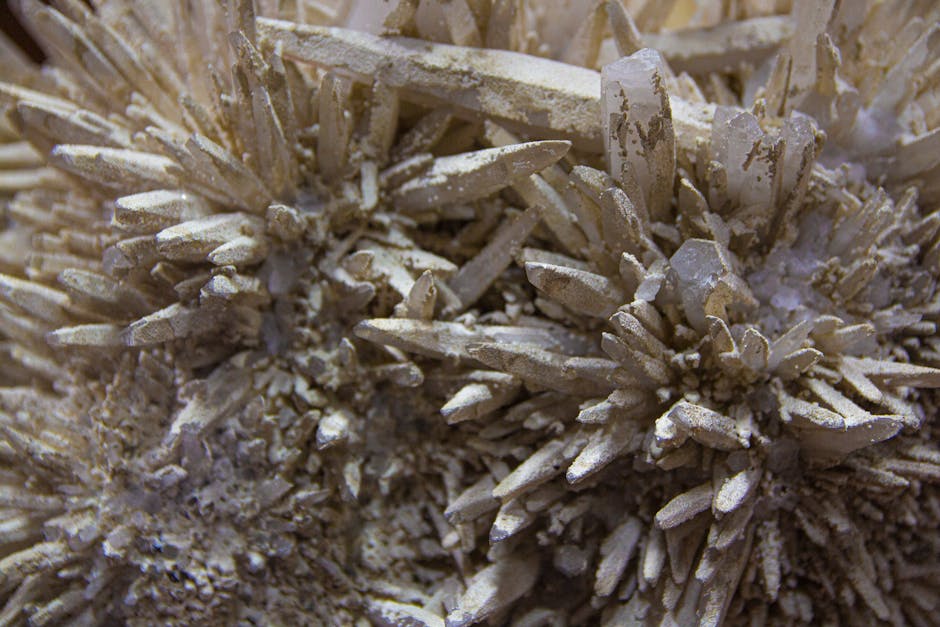
Here's something I've been wrestling with lately: I picked up a beautiful amethyst cluster last month, and as I was admiring it, I started wondering—where exactly did this come from? Who mined it? Were they paid fairly? Was the environment protected in the process?
I love crystals. I love their beauty, their energy, the way they make me feel. But here's the uncomfortable truth: the crystal industry, like many others, has its shadow side. And if we're going to claim these stones have healing properties and spiritual significance, shouldn't we also care about how they entered our hands?
This isn't about guilt-tripping anyone who owns crystals. It's about awareness and making informed choices. Because here's my stance: ethical sourcing isn't optional when we're talking about Earth's treasures.
The Global Crystal Mining Map
Before we dive into the issues, let's get grounded in reality. Crystals don't just appear in shops—they come from specific places, often traveling thousands of miles to reach us. Understanding this geography is the first step toward making conscious choices.
Brazil is the heavyweight champion of crystal mining, particularly for amethyst, citrine, and quartz. The state of Minas Gerais literally means "general mines," and it's been producing gems since colonial times. But here's what most people don't realize: large-scale operations coexist with small-scale artisanal miners who might work with pickaxes and shovels, barely scraping by.
Madagascar is another hotspot, famous for labradorite and unique minerals you won't find anywhere else. The crystal trade there provides vital income for local communities, but environmental regulations are minimal. I've seen heartbreaking footage of forests cleared for mining pits, with no reclamation plan in sight.
Pakistan dominates the aquamarine and kunzite markets. The mountainous regions where these crystals form are among the most inaccessible places on Earth. Miners work at high altitudes in dangerous conditions, and the gems they extract travel through complex supply chains before reaching international markets.
And that's just scratching the surface. Sri Lanka, India, the United States, Mexico, Afghanistan—crystals come from everywhere and nowhere all at once. By the time they reach your local shop, their origin story has often been washed away.
The Hidden Costs of Beauty
Now, let's talk about what happens behind the scenes. This is the part that keeps me up at night sometimes.
Labor exploitation is real. In some regions, children work in mines. Families survive on subsistence wages. Miners face dangerous conditions without proper safety equipment. I'm not saying this happens everywhere—many artisanal mines are family-run operations passed down through generations. But the lack of transparency means we rarely know which is which.
Environmental damage is another major concern. Crystal mining can involve deforestation, water pollution, and habitat destruction. One small-scale mine might not seem like much, but multiply that by thousands of operations worldwide, and you've got significant impact. And here's the thing: crystals form over millions of years. Once destroyed, those geological formations are gone forever.
What frustrates me most? The crystal industry markets itself as spiritual and natural, yet often ignores the very real human and environmental costs of bringing these stones to market. There's a disconnect between the "earthy, organic" branding and the sometimes brutal reality of extraction.
Synthetic vs. Natural: A Nuanced Conversation
Here's where things get interesting. Some people argue that synthetic crystals are the ethical choice—no mining involved, no labor exploitation, controlled environmental impact. And honestly? They have a point. Lab-grown quartz or sapphire is chemically identical to its natural counterpart, created with far less environmental disruption.
But here's my take: synthetic crystals aren't automatically "better," and natural crystals aren't automatically "worse." It depends on your values, your intended use, and the specific supply chain. I personally love natural stones because of their journey—their history, their imperfections, the story of how they formed deep within the Earth. But that doesn't mean I'm blind to the problems.
The key, I believe, is transparency. Whether you choose natural or synthetic, you deserve to know what you're really supporting with your purchase.
How to Spot Ethically Sourced Crystals
Alright, enough doom and gloom. Let's talk solutions. Here's what I've learned about making better choices:
- Ask questions—seriously, ask your crystal seller where their stones come from. If they can't tell you, that's a red flag. Not every small shop can trace every crystal's exact mine, but they should have general information about their suppliers and sourcing practices.
- Look for transparency initiatives—some retailers are starting to take this seriously. They're building relationships with specific mines or cooperatives, sharing photos and stories about the people behind the stones. These are the shops worth supporting.
- Consider secondhand—vintage crystals, estate sales, and reselling platforms can be great ways to acquire beautiful stones without supporting new mining. Plus, there's something special about the energy of a crystal that has lived many lives.
- Buy less, choose better—this one hits hard because I know the temptation to collect. But one high-quality, ethically sourced crystal that truly speaks to you means more than ten bargain-bin stones of questionable origin.
- Support local artisans—when possible, buy from lapidary artists who cut and polish their own stones. These craftspeople often source responsibly and take pride in their work. You're supporting an art form, not just a supply chain.
- Research the stone's reputation—some crystals are more problematic than others. Learn which stones are associated with conflict mining or severe environmental damage. Knowledge is power.
The Role of Certification and Standards
Here's the frustrating part: unlike diamonds or gold, the crystal industry has virtually no standardized certification system. There's no "conflict-free crystal" label yet. Some organizations are working on it, but we're a long way from comprehensive oversight.
That said, some forward-thinking sellers are creating their own standards. They document their supply chains, visit mines personally, build direct relationships with mining communities. These businesses deserve our support because they're proving that ethical sourcing is possible, even if it's not easy.
I believe the future of the crystal industry will look more like fair-trade coffee or artisanal crafts—direct from source, with clear provenance and transparent pricing. We're not there yet, but conscious consumers are driving that change.
Caring for Your Ethical Crystals
Once you've chosen your crystals thoughtfully, proper care becomes part of the ethical equation. A well-maintained crystal will last a lifetime—maybe many lifetimes—meaning you won't need to replace it. That's sustainability in action.
Cleanse your crystals gently, using water that won't harm the environment. Store them properly to prevent damage. When storing your collection, consider natural containers—wood, silk, linen—rather than plastic. These small choices add up.
The Bigger Picture: Why It Matters
Here's why I care about this so much, and why I think you should too: crystals represent a relationship with the Earth. They're pieces of our planet, formed under conditions we can barely comprehend. How we treat that relationship matters.
If we believe crystals carry energy—and I do, not necessarily in a mystical sense but in the sense of being part of something greater—then the energy we put into acquiring them matters too. Guilt doesn't belong in your crystal collection, but neither does ignorance.
We can enjoy the beauty of crystals while pushing for better practices. We can love our stones while demanding transparency from sellers. We can appreciate Earth's gifts while treating them—and the people who bring them to us—with respect.
This isn't about being perfect. I've got crystals in my collection that I bought before I knew better, before I started asking questions. That's okay. The goal isn't purity, it's progress. Every ethical purchase is a vote for the kind of industry we want to see.
Moving Forward Together
The crystal industry won't transform overnight, but consumer pressure drives change. Every time you ask "Where did this come from?" you're part of that change. Every time you choose an ethical source over a cheap unknown, you're making a statement.
I'm not suggesting we stop buying crystals. Far from it. I'm suggesting we buy better—more consciously, more deliberately, with more awareness. When we know where our stones come from, they become more than just pretty objects. They become connections to places, people, and stories.
And honestly? That makes them even more beautiful.

Comments